
Home Blog Page 545

ASUS Zenbook Duo Has Perfected The Dual Monitor Laptop

Story Highlights
  • ASUS’s previous dual-screen laptops had significant design flaws.
  • The Zenbook DUO improves upon these flaws.
  • This innovative design enhances usability and sets a new standard for dual-screen laptops.

asus zenbook duo
Image from ASUS

ASUS has been working on a dual-screen laptop for a while now. Several of their older Zenbook Pro Duo models were marketed to have them, and the ROG Zephyr series also provided the same functionality.

Even though these were called the laptops of the future, the second screen seemed awkward to many. These didn’t get very popular due to the limited functionality offered compared to the high price point, and they were mainly just products for hobbyists.

That is, until the new Zenbook DUO stormed its way into the heart of the tech world!


True Dual Screen Functionality

asus zenbook duo modes
There’s a slight stutter switching between modes, but that’s expected. (Image from ASUS)

The latest Zenbook DUO comes with two fully functional OLED displays. Without going too into the specifications, the design is at first that of a normal laptop. You can then remove the keyboard to reveal another screen beneath it.

The two joint screens can then be propped up at a number of angles. You can also set them up vertically as a dual-screen Desktop replacement. 


Where The Predecessors Failed

Despite most content creators highly praising the previous design, I found it lacking in several ways. From practicality to aesthetics, there was a lot to improve on. Here’s some stuff that bugged me about its predecessors.


A Laptop You Can’t Put On Your Lap

asus rog zephyrus
ASUS ROG Zephyrus (Image from ASUS)

My biggest gripe with the previous model was how you couldn’t use it on your lap. The scrunched-up keyboard made it impossible to use in any comfortable way.

You could push the laptop further back, but doing so while sitting caused the center of gravity to fall back, making it both uncomfortably heavy and also prone to falling.

You could use it better while lying down, but even then, you’d have to rest the bottom on your knees, which wasn’t something I was fond of.


Smaller Touchpad
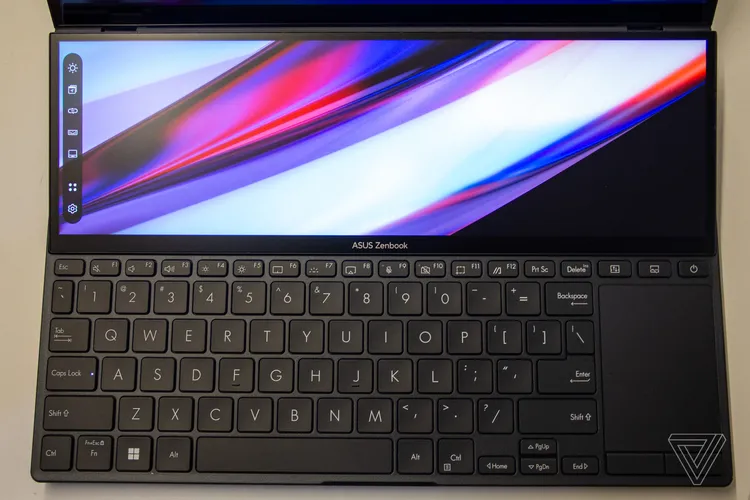
zenbood duo 14 touchpad
The touchpad (Image by Verge)

To free up space on the keyboard, the design moved the usual touchpad to the side and made it slimmer. They did a good job mapping the portrait size to accommodate the landscape size the screen normally was, but it still wasn’t a seamless experience.

At first, I thought the touchpad wouldn’t be much of a problem since I’ll use a mouse most of the time. That, however, was a mistake. The Zenbook Pro Duo and the ROG Zephyrus had this neat way of dispersing heat by elevating the second screen.

What they overlooked was that this heat went to the sides and fell directly on your hand if you were using a mouse with it.


Lack Of Functional Use

Yes, the second screen was cool. No, it did not provide much usefulness. To me, it just seemed like a glorified touchpad at worst and a sidebar at best. Don’t get me wrong, ASUS did a splendid job with the features.

The snapping was great. There was no delay. The overhead lighting wasn’t a problem either. The problem was that there were not many ways to make use of the screen.

Asus zenbook pro duo 14
The refraction made it impossible to do art with (Image by Asus)

The awkward angle made it impossible to combine the two screens, whereas the unconventional position and aspect ratio of the smaller screen didn’t let you use it individually.

The best use I found of it was as a sidebar for Spotify or a touchpad when editing videos. I tried using it as a second screen to read stuff on or to browse tweets to help me write, but I couldn’t get used to the weird angle.


How The Zenbook DUO Improves On These

The Zenbook DUO’s genius removable keyboard is the core of its innovative design. When you have it attached, it functions as a wired keyboard with zero delay. The laptop functions normally like this and can change into a dual monitor display when detached.

The screens have a heat spreader between the display and the motherboard, meaning heat dispersion isn’t a problem. Lastly, two full screens are immensely functional, unlike its predecessor’s weirdly angled, weirdly shaped size.

Overall, this seems to be the best way to go on about a dual-screen system. I expect to see other companies following ASUS in the near future. 


Cuffbust: The Chaotic Game From Summer Game Fest

Story Highlights
  • Cuffbust is a chaotic indie game announced at Summer Game Fest 2024 by Two Star Games.
  • It is a fun multiplayer game where players team up to break free from a prison facility, dodging guards and obstacles in their way.
  • The exact release date is not here yet, but it will be out on PCs in 2025.

Get ready to dive into an action-packed adventure with Cuffbust. Outrun Gerjohntons, use your brains and make sure your Jailien pulls off a successful escape to freedom. It is a one-of-a-kind multiplayer game that will keep you on your feet till the end. 


About Cuffbust

Cuffbust is an up-and-coming indie game that has got everybody excited. Revealed at the Summer Game Fest 2024 by Two Star Games, the creator of the widely beloved game Choo Choo Charles, Cuffbust will surely bring you and your friends together for mayhem.

Utter Chaos In CuffBust
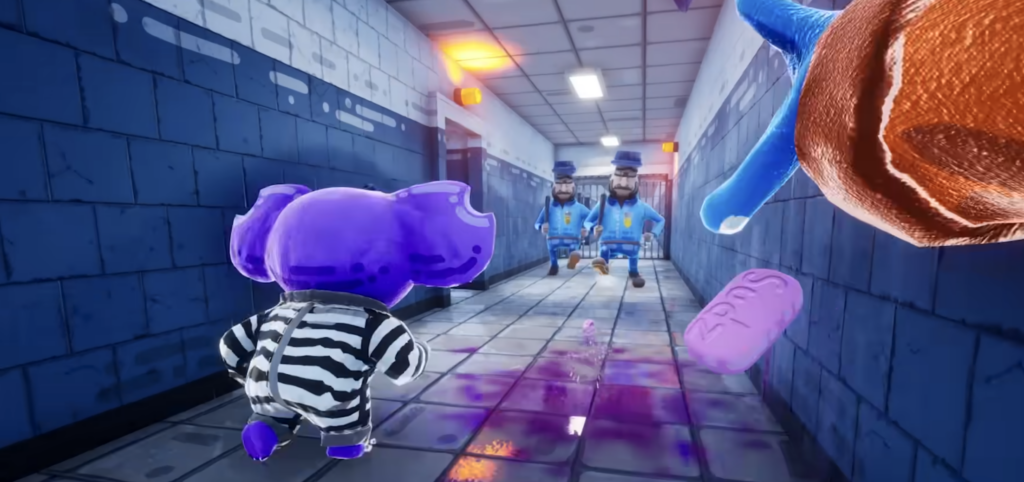
Utter Chaos In CuffBust (Image By Two Star Games)

We can team up with friends to plan a custom escape from the highly secure prison facility. Several tools, such as screwdrivers, spoons, and explosives, are available to your advantage. The game is set in a destructible environment. Thus, we can use different mechanics to break walls, explode toilets, dig through the floor, and much more.

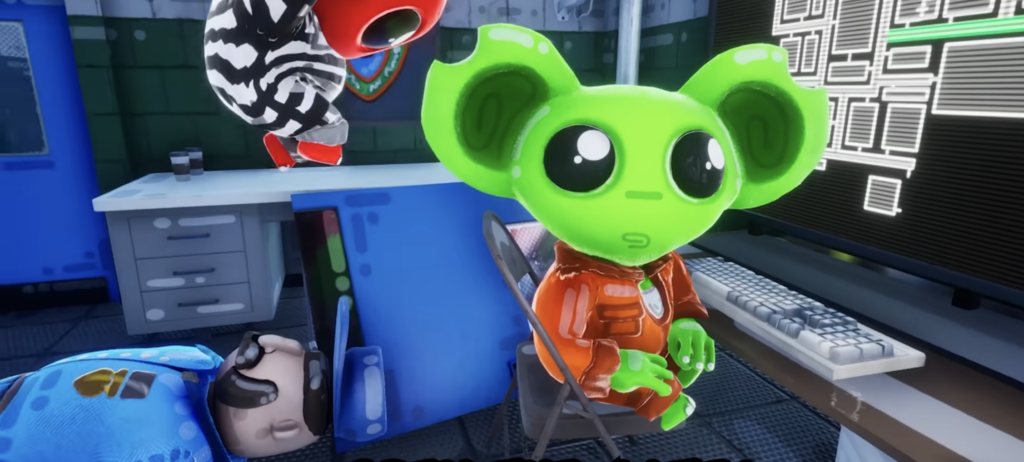
Break into CCTV rooms, analyze the footage, steal the guards’ IDs and weapons, and escape the prison. We can add several objects to the inventory and use them to our benefit when the situation calls. Or even throw the items at guards chasing our backs to outrun them. Just thinking about the intense action gives me an adrenaline rush!

Take Over Security Rooms
Take Over Security Rooms (Image By Two Star Games)

Moreover, the proximity chat aids in communication for effective teamwork. I enjoy games that rely on team communication because they expose me to various perspectives. There are hundreds of different escape routes; we need to figure them out together.

This multiplayer game can cater to 20 players simultaneously. Hence, the more friends, the greater the fun and chaos during the gameplay. While there is still time before it is set to launch sometime in 2025 on PCs, you can wishlist the game on Steam to know as soon as it comes out.


The Characters

This cutesy game features alien characters trapped in a jail; hence, the creator named them Jailiens. They resemble a mouse, with big, rounded ears and eyes that give them an adorable look. These creatures wear prison uniforms and have different skin colors, such as pink, purple, blue, and green.

Jailiens' Appearance
Jailiens’ Appearance (Image By Two Star Games)

Hiding behind innocent and adorable appearances, these criminals work together in a desperate attempt to break free from the prison. Jailiens need to ditch the prison guards and police, called Gerjohntons, to be successful in their escape.


The Announcement Trailer

The trailer starts with an announcement about a prison breach, and all the Jailiens rush to escape the facility. They work together to take over the CCTVs, fight prison guards, and break the walls for a successful escape.

One mouse grabs a soap and throws it onto the oncoming security guard, causing him to slip on the floor. At the same time, the others throw explosives to create an escape route and tackle the army of guards. Breaking down walls with spoons and running through sewers, the Jailiens successfully make it out of the jail.

However, some Jailiens are seen stealing the helicopter by the end of the trailer, leaving the others behind. This leaves me wondering: Can our teammates turn against us in the game?

Stolen Helicopter
Stolen Helicopter (Image By Two Star Games)

Fan Reactions

With the announcement, the creator aims to get Cuffbust as the “Top 200 Most Wishlisted Game on Steam.” The game is rightly on track to achieve a large number of Steam wishlists, as it has successfully captured the attention of gamers worldwide. Many people took to X to express their excitement for its release.

Some even said it was among a handful of games that stood out and appealed to them in this year’s Summer Game Fest.

All in all, I would say that Cuffbust has been a real success with its adorable character design, intelligent game mechanics, and smart team-based gameplay. The trailer looks promising, and I have already added it to my Steam wishlist. I hope it’s a game I can return to multiple times with my squad, unlike the one-off gameplays where playing the game takes away all the surprise and uniqueness.


Ubisoft Has Completely Failed To Realize XDefiant’s Potential

Story Highlight
  • XDefiant was Ubisoft’s latest attempt at dominating live-service gaming, but it ended up disappointing.
  • Despite initial excitement and nostalgia reminiscent of early Call of Duty games, the title was marred by grinding, balancing issues, and server problems.
  • The game had potential with its free-to-play model and unique abilities, but Ubisoft’s lack of attention to core issues led to a half-baked experience.

Ubisoft’s streak of failure should be studied in history books. XDefiant was the ace up their sleeves after multiple game cancellations and failures. Yet, they failed miserably with their chance to dominate the free-to-play FPS market.

When I first saw the gameplay for XDefiant’s closed beta, my jaw dropped to the floor. I felt immediate nostalgia for early Call of Duty titles, and I couldn’t wait to get my hands on the game.

The best part about XDefiant was that it was free-to-play and would be supported for many years. What was dubbed the COD killer, however, ended up as the typical poor release. Despite its massive success at launch, the game is plagued with bugs and balancing issues that make every match beyond depressing to play.

Why it matters: The FPS multiplayer market hasn’t seen much variety over the past few years, and most new releases have failed. Ubisoft could have changed that.

Initial Expectations

XDefiant FT
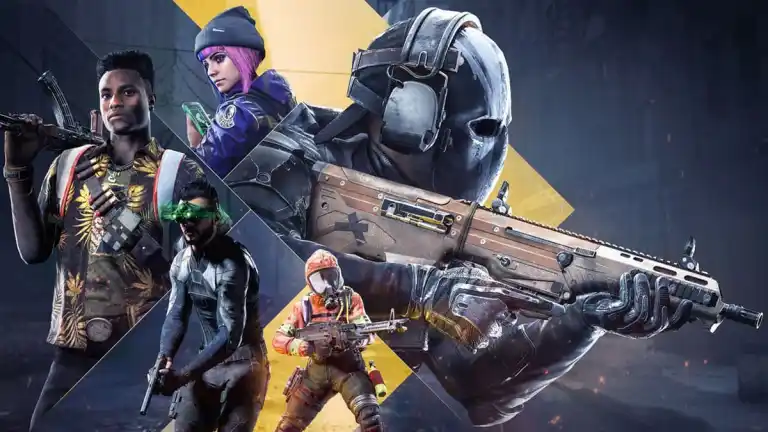
XDefiant Catered To Nostalgic Call of Duty Players

Call of Duty has always dominated the FPS market, and despite its highs and lows, no other franchise has come close to Call of Duty. Battlefield’s previous failures showed that Call of Duty has been and will stay on top of the FPS food chain.

This was finally an opening for a new FPS title to shine in the market, and XDefiant was the perfect opportunity for Ubisoft to claim a spot in the top league. The game was shaping up to be amazing, carrying every bit of Ubisoft’s DNA.

Even the classes were categorized using ideas from franchises like Splinter Cell, Far Cry, Rainbow Six Siege, and The Division, adding a bit of familiarity to the experience. Having abilities for each character, including tactical and ultimate abilities, spiced up the combat and made it stand out from the competition.

Utilizing the Snowdrop engine, XDefiant looked beautiful and ran well, too, with little to no optimization issues. The best part was the removal of SBMM. For those not familiar, SBMM stands for Skill-based matchmaking.

Skill-based matchmaking has plagued multiplayer gaming ever since it was introduced. With people of the same caliber competing against each other, SBMM-based matches are bound to get boring after a while. Therefore, the removal of SBMM proved a great success.

Shattered Expectations

XDefiant
Ubisoft Seemed To Have A Winning Formula On Its Hand

I initially ignored many of XDefiant’s problems since it was still in its early stages and needed to be improved with updates and more content. But the more I played, the more I realized that the problems lay within the game’s core.

The gunplay is okay and not too concerning, but the most concerning aspect is how much players have to grind to unlock each part. I had to play using the same weapon for hours just to unlock a single attachment.

Talking about gunplay, I want to highlight the balancing issues in this game. Some characters are incredibly weak, and some are just too overpowered. Often enough, you’ll see an entire team playing as Echelon.

LMGs are useless, too slow, and have no effective damage. Snipers are almost a one-shot kill, and assault rifles are the only guns balanced as of yet. The server issues are too troublesome and extensive to discuss in a single article.

While playing with a friend, I couldn’t play one proper match without my character randomly getting stuck. Bullets were not registering properly, and hackers were plaguing the matches.

I’d have chosen Divison Heartland over this game since Ubisoft canceled the multiplayer spin-off to divert resources toward XDefiant.

While these issues can be solved, Ubisoft is doing little to fix XDefiant. They’ve even told the players to stop playing if they have issues with the game. In its current state, the game feels half-baked and still in its alpha mode.

It’s safe to say that I won’t be revisiting this free-to-play FPS for a while now, and trust me, it will be a while before the experience is stable and has enough content to not leave me bored after just two hours of playing.

Gaming Actors Going On Strike Over AI Threat; GTA 6 Impacted

Story Highlight
  • Video game actors from SAG-AFTRA are now on a strike against the industry.
  • The union seeks protection of its workers against the use of artificial intelligence.
  • If the strike goes on too long, it could lead to major delays for multiple big projects.

Last year, rumors quickly spread about a potential SAG-AFTRA strike over job security and the use of artificial intelligence in the gaming industry. While nothing happened after the threats, SAG-AFTRA has returned nearly a year later.

The union has initiated a strike this time. According to SAG-AFTRA, negotiations have been underway with gaming companions for over a year to no avail. Following the aftermath, a large number of gaming actors are going on strike.

Why it matters: The same union previously took a similar move for the film and television industry. This led to several projects being delayed by up to a year or more, so the same is likely to happen in the gaming industry if the strike proceeds.

GTA 6
GTA 6 Could Be One Of The Games Impacted By The Strike

The strike went live on July 26 and is related to the rise of artificial intelligence in gaming.

Recent reports confirmed that Activision sold AI-generated cosmetics in Call of Duty. Similarly, games like Naruto Storm Connections reportedly replaced snippets of voice acting with AI.

SAG-AFTRA wants to guarantee the protection of its voice actors from artificial intelligence. It also listed a number of companies that the decision will impact, including Take-Two, Activision, Electronic Arts, and more.

Since Take-Two is being impacted, this could delay GTA 6, which is currently slated for 2025. While Strauss Zelnick previously claimed that Rockstar would be safe from such a strike, reports state GTA 6 is indeed being impacted.

Even if this game remains unimpacted, titles in early production will suffer since the union won’t allow voice actors to perform motion capture and voiceover work.

We’re not going to consent to a contract that allows companies to abuse AI to the detriment of our members.

-SAG-AFTRA President

Marvel's Wolverine SAG-AFTRA
Games Like Wolverine Could Face Delays Due To This Strike

Following SAG-AFTRA’s stance, the strike is expected to last until a sold agreement is reached. However, this may not happen anytime soon since the strike last year lasted multiple months.

While SAG-AFTRA’s decision may cause setbacks for various in-development projects, it could lead to positive impacts overall.

Nearly every major studio is looking to use artificial intelligence in the future. As such, an agreement that guarantees safety and protection for the talented professionals of this industry is needed sooner rather than later.

I Have Been Daily-Driving The Fnatic BOLT For A Month – Here Are My Thoughts

Story Highlight
  • I’ve been using the Fnatic Bolt Wireless for a month, and it performed flawlessly when I tested it in competitive titles.
  • I found no apparent flaws with the design of the Bolt, and its safer shape is bound to accommodate most grip types.
  • Software customization is on-point; however, it can have a few inaccuracies, especially when using it while plugged in.

As far as wireless gaming mice are concerned, there’s always a lot to look out for. Personally, there are several aspects of a mouse that I simply can’t compromise on, and doing that while keeping my budget in check has been fairly challenging.

I mean, one look at the current market and you’ll realize that all of the mainstream gaming mice used by pros are going to cost you well over $100. That is exactly why I decided to go with the Fnatic BOLT, which I’ve been using for well over a month now. So, how does it stack up against the competition?

Surprising Price-To-Performance

As someone who has been primarily using wired gaming mice for the past couple of years, I was expecting a few hiccups and inconsistencies when I first switched to the Fnatic Bolt Wireless. This is why I was surprised by how fast the mouse felt, even when compared to a wired mouse such as the Viper Mini.

Don’t get me wrong, I knew how well Pixart’s 3370 sensor could perform, but, that wasn’t enough to completely change my perspective. I’m glad to report the Fnatic Bolt proved me wrong in that regard, with the mouse showing no sensor issues in the 2.4 GHz mode.

Even aside from the sensor performance, the click latency didn’t feel all that much different from my Viper Mini either. Naturally, there is a statistical difference, but it was nowhere as drastic enough for me to notice in games such as Valorant and CS2.

If I were to point out one gripe on the performance side of things, that would only be the DPI customization, which you can only change in increments of 50. Then again, that would be a huge nitpick.

Flawless Design, For The Most Part

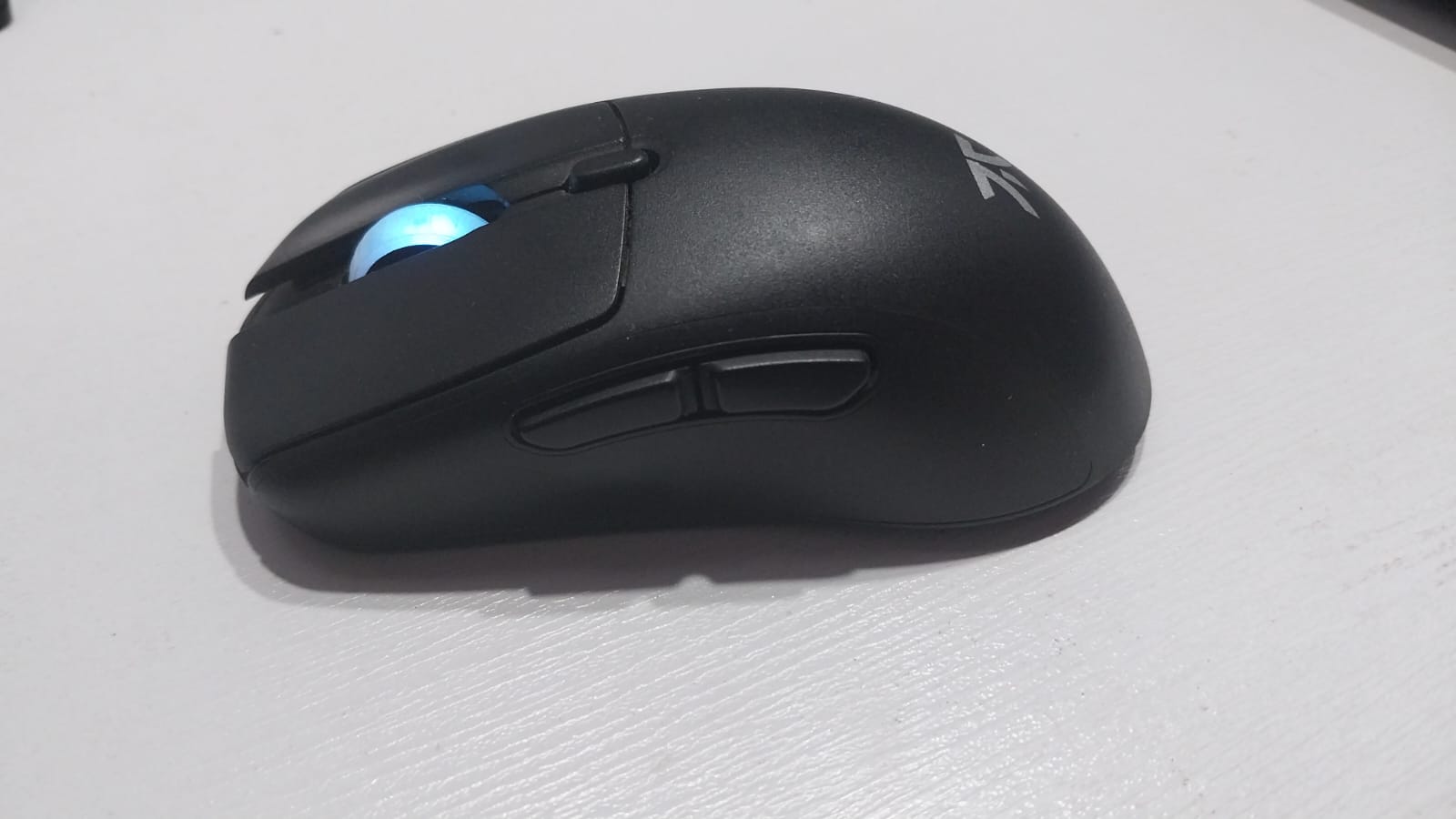
Fnatic Bolt's Shape
Fnatic Bolt’s Shape (Image By Tech4Gamers)

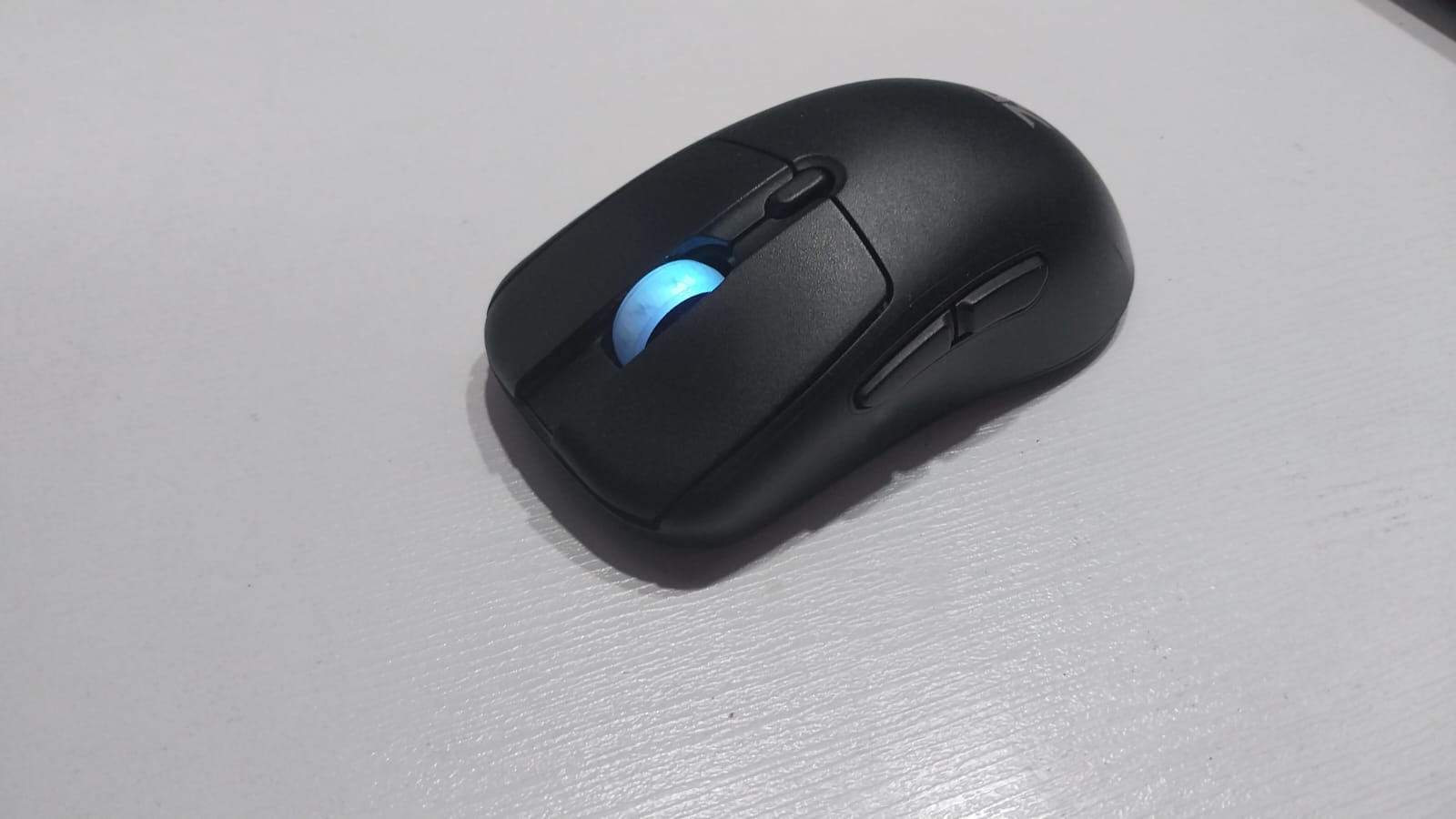
Fnatic did opt for a safer shape with the Bolt, which is why it is going to feel comfortable for most grip types. I’ve been a claw grip user for the last couple of years, and that seems to work really well with the Bolt. Fingertip also works well, but palm grip might be out of the question if you have larger hands.

The Bolt lacks any aggressive curves or edges, and the use of Kailh 8.0 switches for the main buttons aligns perfectly with my needs. That said, the scroll wheel isn’t the smoothest; however, its stiffness does work in my favor in most games.

One part of the design that I am not a huge part of is the side buttons. Given the use of different switches, the side buttons end up feeling a bit too mushy for my liking. Of course, that isn’t a deal-breaker, especially considering the price tag.

Software Could Use Some Improvement

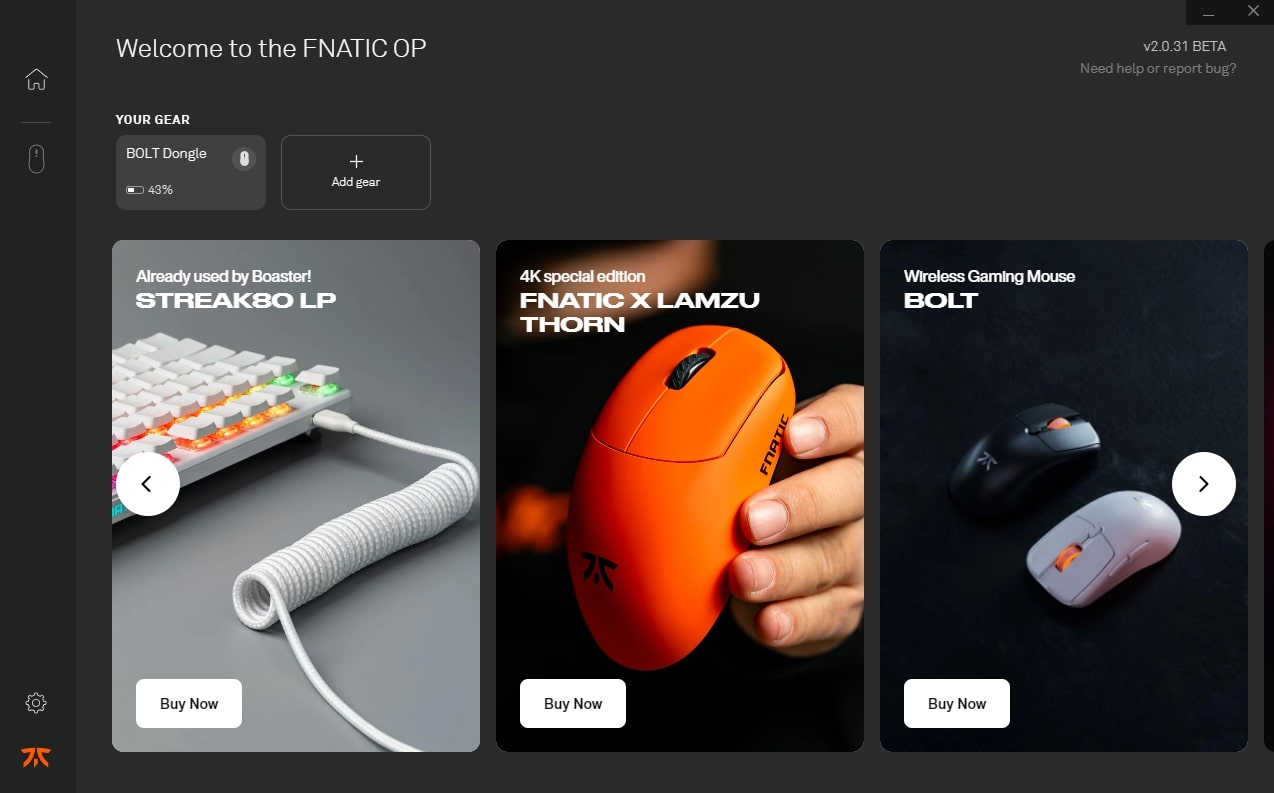
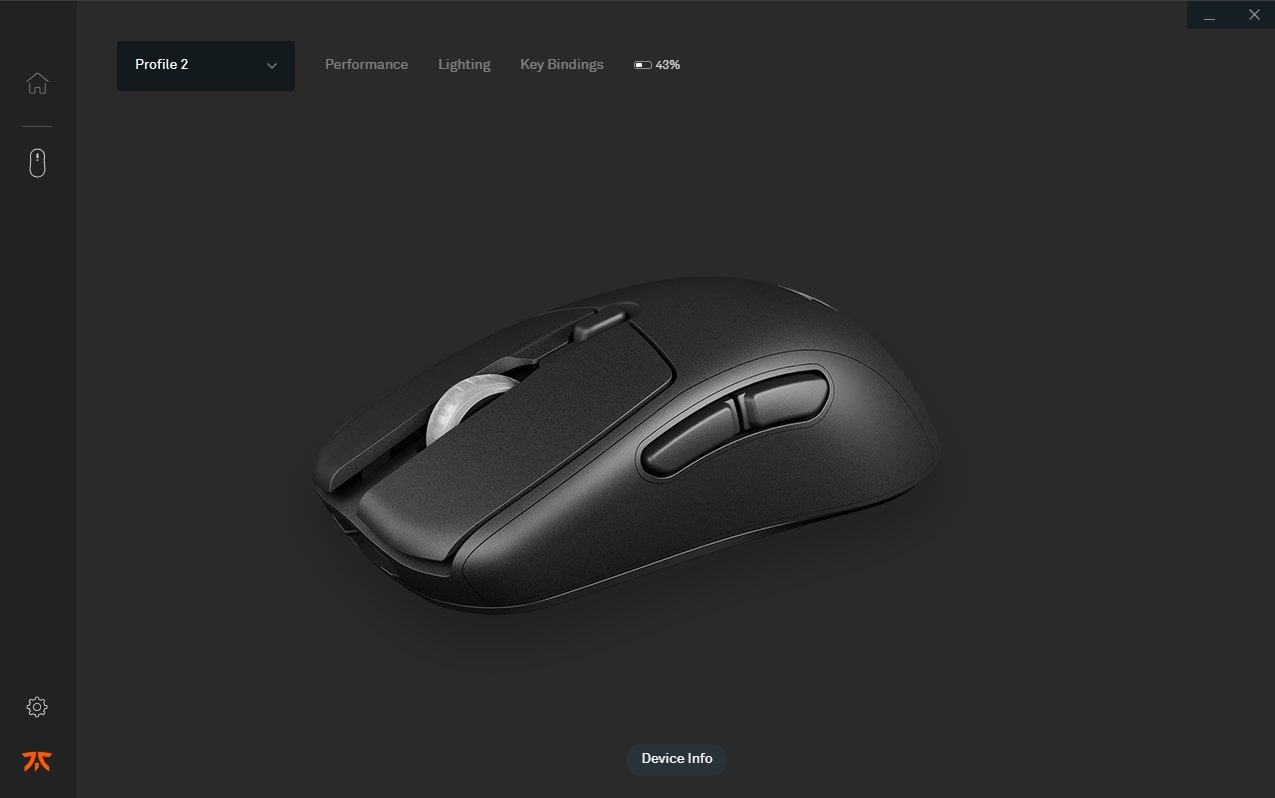
While the hardware stacks up fairly well with the current mouse market, I wouldn’t say the same about the software side of things, especially when comparing it to something like the Razer Synapse. Sure, Fnatic OP isn’t demanding to run on any system; however, it wasn’t as consistent as I would have liked it to be.

Although it does its job when it comes to customization, there were some hiccups when using the mouse while it was plugged in. Not only did the software sometimes fail to recognize the mouse when I plugged it in, but it also completely changed the battery status every time I removed the charger.

Additionally, the first window on Fnatic OP showcases other Fnatic products, which I am not a fan of. I would have preferred a simpler UI design without any of the Fnatic products on display.

A Solid Budget Mouse

It’s safe to say that I found a lot to like with the Fnatic Bolt Wireless. Personally, it checks all of the boxes I want from a wireless mouse, including a long battery life, flawless performance, and a lighter weight, without compromising too much on other factors.

Right now, the Fnatic Bolt Wireless can be had for just $60 US Dollars via Amazon, which is certainly a bargain for the features you get. And for the month that I’ve been using it, it has practically shown no discrepancies, which is exactly what I look for in a mouse within this price range.

Think You Need A 4090? I Game On A 3060 Ti And Have Absolutely No Issues

Story Highlight
  • Excellent gaming performance across various resolutions. 
  • It is procurable at pocket-friendly prices, whether bought in boxed-pack condition or used. 
  • It provides an edge in productivity applications and RT scenarios. 

Games are so demanding nowadays that you might start to think one can’t survive without having the best hardware out there. But that’s not true; I still own an RTX 3060 Ti, which I bought 2 years ago, and it’s providing me with satisfactory performance, which doesn’t make me want to upgrade my graphics card yet.

That also means you don’t necessarily need something like the RTX 4090 to play games if your target resolution isn’t 4K. 

The Pricing is Appealing 

First of all, let me tell you what the current situation is with the RTX 3060 Ti pricing. Being launched at an MSRP of $399, this mid-range graphics card is going for as low as around $320 via Newegg and other online sites.

Moreover, if you choose to find it in pre-owned condition, you can find this graphics card for well around the $200-$250 price tag on sites like eBay, which is appealing, especially to those on a budget.

Although I got it for $379 back in 2022, I have no regrets at all, as the card has served me well. Also, when I look at the current state of GPUs, I find myself one of the lucky ones who made the right decision back then. The RTX provides great value in comparison with the current-gen RTX 4060 and 4060 Ti graphics cards. 

Its Specs & Features 

The RTX 3060 Ti feels like a true successor to its predecessor, as it basically offers double the amount of CUDA cores (2,176 vs 4,864) while having the same 8 GB of GDDR6 video memory and much better 3rd generation Tensor cores. Not to mention the more improved RT Cores for better Ray-Tracing performance in games and other applications.

In terms of power, the card consumes 200W TDP and I used it with my good ol’ trusty EVGA 600GD power supply. Also, when we compare it with its bigger brother, the RTX 3070, the difference isn’t that huge as far as the specifications are concerned.

Despite the not-so-huge difference in specs, the RTX 3070 is significantly more expensive than the RTX 3060 Ti. This was also one of the reasons why I chose the RTX 3060 Ti instead.

Performance in Games

When it comes to my gaming experience, it hasn’t disappointed me at all. Being a 1080p graphics card, it works great and even has the margin to allow gaming at 1440p resolution, which I like the most as I have a 1440p monitor as my main. 

To better understand where the RTX 3060 Ti stands in performance, I hooked it up against some similar cards like the RTX 4060 Ti, RX 7600, and RX 6700 XT.

1080p Raster Average FPS
1080p Raster Average FPS (Image by Tech4Gamers)

After testing several games at 1080p, the RTX 3060 Ti managed to produce 103 FPS on average, falling slightly behind the 113 FPS of the RTX 4060 Ti and 107 FPS of the RX 6700 XT. Do keep in mind that this was its raster performance. 

1080p RT Average FPS
1080p RT Average FPS (Image by Tech4Gamers)

When we enable Ray Tracing, this is where it starts to shine more, as it manages to take the lead over the RX 6700 XT by 13 FPS but still falls short of the RTX 4060 Ti.

1440p Raster Average FPS
1440p Raster Average FPS (Image by Tech4Gamers)

Moving over to 1440p resolution, the gap becomes much smaller this time around in the rasterized performance segment. The card averages 77 FPS, which is not too far behind the RX 6700 XT and RTX 4060 Ti.

1440p RT Average FPS
1440p RT Average FPS (Image by Tech4Gamers)

Now, after enabling Ray Tracing, the RTX 3060 Ti still produces more frames than the similarly priced RX 6700 XT. To me personally, these results are great and enough to convince me not to upgrade any time soon. 

Performance in Productivity Applications

Most people don’t pick an Nvidia GPU just for the sake of gaming, they choose one because of its edge in productivity applications. While I was benchmarking all four graphics cards, the RTX 3060 Ti has maintained its edge over the others due to the balanced core specs. 

Blender (Image by Tech4Gamers)

In Blender, the RTX 3060 Ti did very well and beat the RX 6700 XT by a substantial margin. However, it was still behind the RTX 4060 Ti, but considering the price difference between the both, the RTX 3060 Ti did great.

Adobe Premiere Pro (Image by Tech4Gamers)

Switching to Adobe Suite, specifically Adobe Premiere Pro, the situation takes a big turn as we witness the RTX 4060 Ti get beaten by the RTX 3060 Ti thanks to its wider memory bus, unlike the RTX 4060 Ti.

Adobe After Effects (Image by Tech4Gamers)

The same happened when I tried Adobe After Effects; the RTX 3060 Ti managed to beat all three graphics cards and secured the highest score in the benchmark. 

The RTX 3060 Ti is Undoubtedly a Great Choice

All of this proves that you don’t actually need a high-end graphics card to play games or even do other productivity-related work. Not to forget, the 8 GB VRAM is going to be a problem in the future. But not anytime soon, so it’s still a decent pick on a budget.

Cloud Gaming in 2024: The Death Of Consoles?

Story Highlight
  • Cloud gaming is much cheaper in the long term compared to traditional gaming consoles.
  • You can play high-end games on various devices without needing powerful hardware.
  • Traditional consoles will never become obsolete but will coexist with cloud gaming.

As I sit down with my controller, I’m no longer tied to a bulky console, thanks to cloud gaming. It’s 2024, and cloud gaming has changed the way we play. Whenever a new technology arrives in the market, questions are asked, and the increasing trend of cloud gaming also raises a critical question: Is the era of traditional gaming consoles ending? Well, let’s find out.

Understanding Cloud Gaming

Cloud gaming is a service that allows you to play video games over the Internet without the need for powerful hardware. The games run on remote servers in data centers, and the video and audio are streamed to your device in real-time.

XBOX Cloud Gaming Service
XBOX Cloud Gaming Service (Image by Tech4gamers)

The Dawn of a New Era: The Rise of Cloud Gaming

Cloud gaming isn’t just a normal trend anymore, and it’s safe to say that it is slowly and steadily creating a new market in the field of gaming. If we go back 10 years, who would have thought of playing high-end games on their television or mobile phone without needing good external hardware? Cloud gaming services like NVIDIA GeForce NOW and Microsoft’s Xbox Cloud Gaming have matured, offering a level of convenience and accessibility that was once unimaginable. PlayStation also recently announced its entrance into the cloud gaming scene.

XBOX Cloud Gaming: Halo Infinite Adventure
XBOX Cloud Gaming: Halo Infinite Adventure (Image by Tech4gamers)

Some of you might ask me, well, hold on. Didn’t Google close its cloud gaming service, Google Stadia, just recently? And why would they end a service that is gaining so much popularity? I believe Google made a mistake by doing so. They should have waited for more technological maturity because many gamers are now moving towards cloud gaming, and most countries now offer 5G internet services. I would not go into much detail on this as this is not the point of our discussion.

Additionally, I personally find it extremely convenient to play intensive games anywhere on my laptop, television, or even my mobile phone without needing an expensive console. You can enjoy 1800+ high-end games on GeForce NOW on any device just by subscribing to them.

The Financial Edge

Buying a new console or upgrading a PC every few years is costly. On the other hand, subscribing to a cloud gaming service is much more affordable. With people nowadays paying subscription fees in the form of Netflix, Spotify, and other subscriptions, avid gamers like me find no difficulty paying subscription fees for a seamless gaming experience with the cloud.

A PC along with a console, might cost anywhere from $1500 to $2000+ for a beefy rig. Upgrades and occasional maintenance costs also have to be considered later.

  • Initial setup: $1500 – $2,000
  • Upgrades: $100 – $300 every few years
  • Costs over 5 years: up to almost $3,500 at max

In the case of cloud gaming, you just have to pay your monthly subscription fee, and you will be able to play console games on your PC with just one click.

Image by Tech4Gamers
  • Yearly subscription fee: $60 – $250 (considering cost variations for different companies and regions)
  • Costs over 5 years: up to $1500 at max

So, over the span of five years, you would have to spend more than double on your traditional gaming setup compared to cloud gaming. In addition, there are no hassles with hardware upgrades, repairs, or compatibility issues.

Connectivity Challenges in Cloud Gaming

Despite its many advantages, cloud gaming isn’t without challenges. Internet dependency is a major concern. Cloud gaming isn’t for you if you do not have a stable and good internet connection. In regions with poor connectivity, traditional consoles still reign supreme.

Some people also don’t like the hassle of paying monthly subscription fees. They prefer to spend once on their gaming setup and then be at ease.

The Future of Traditional Consoles

So, does this mean the death of the console? Not at all. Traditional consoles will hold their place as they are. Cloud gaming will have its market alongside console generation. The nostalgia of playing and the unique offerings of exclusive titles on consoles can’t be overlooked.

Interestingly, the future might lie in a hybrid model. Major players in the console market, like Xbox, are already integrating cloud services.

I see a scenario where consoles act as local play hubs but offer seamless cloud integration. This hybrid approach could cater to both hardcore and casual gamers.

Final Thoughts

Whether through the cloud or a console, the essence of gaming remains the same for me. For a normal gamer, cloud gaming is a big yes, as it offers a seamless gaming experience without having to spend a lot of money on external hardware.

Hardcore gamers who love to tweak their rigs and experience the feel of traditional PC gaming might still prefer console gaming. But don’t discount cloud gaming entirely – it’s growing rapidly.

You Should Stay Wary Of Razer Products – My Personal Lesson

Story Highlight
  • The serpentine brand is notoriously infamous for its steep pricing in contrast to its competitors which is bound to sway your thought process.
  • Buying used Razer products without an active warranty might end up becoming the worst mistake of your life. 
  • Thanks to the brand’s inflated MSRP pricing tactics, Razer products have poor resale value, which doesn’t bode well for longevity.

I’m sure you’re familiar with the famous glowing green logo featuring three serpents interlinked together.

“For Gamers. By Gamers.” The iconic motto has never gone out of fashion.

However, regardless of Razer’s continuation to consistently attract a majority of its gaming-centric audience, which includes both newbies and seasoned veterans, the company also continues to struggle with reliability concerns.

What’s that supposed to mean?

Well, all of your Razer products will work just fine, but as soon as the warranty period expires, everything is going to go bust and explode into a wrecking ball of fire.

Let me prove it to you on the basis of my personal experience with Razer products, which have resulted in not one but two unfortunate incidents.

My First Razer Purchase

Unbelievably, I got sucked in to the craze of the True Wireless Stereo (TWS) earbuds that was initiated by Apple’s release of the AirPods following its launch of the iPhone 7 Series.

Nevertheless, I wasn’t dumb enough to be fooled by Apple’s marketing campaigns.

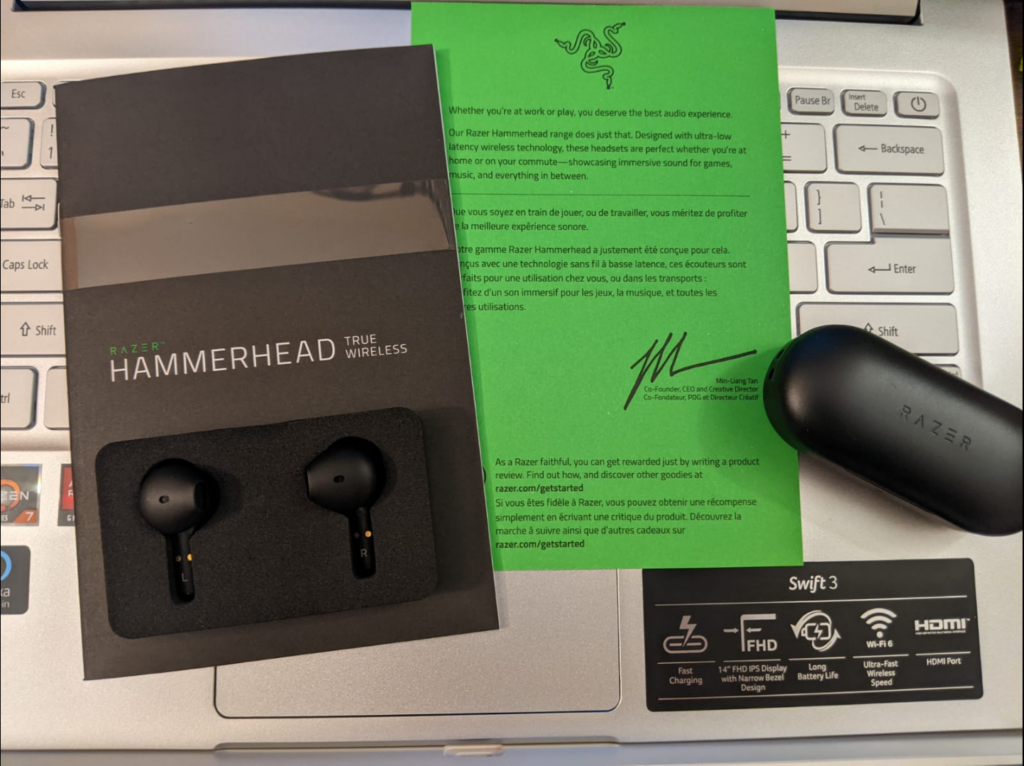
Razer Hammerheads TWS

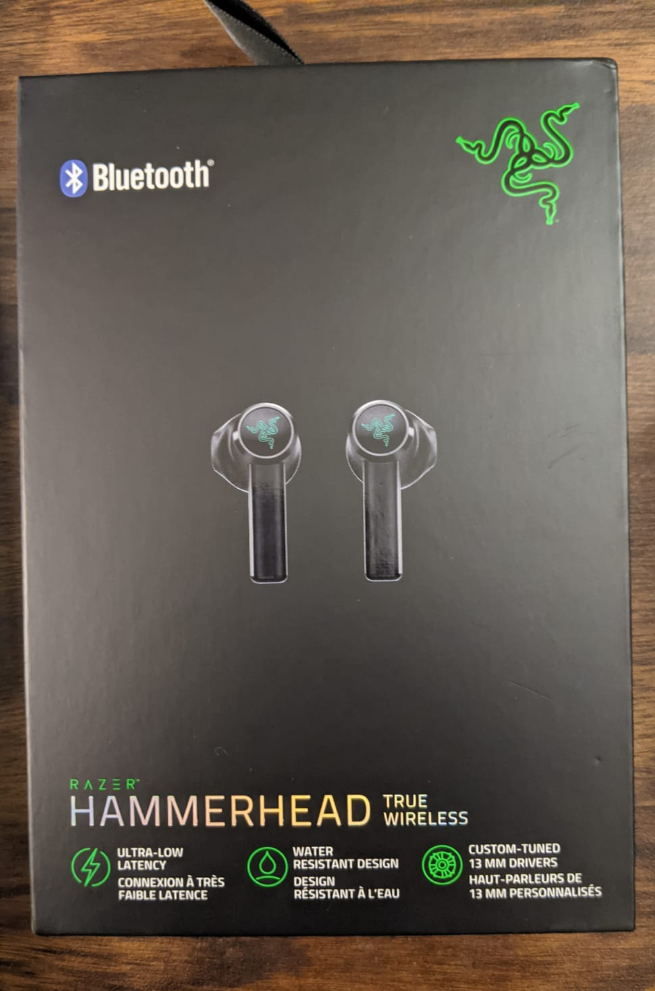
So, of course, I looked towards Razer, and found a beautiful pair of the Hammerheads TWS in black that were being sold brand new on Amazon for roughly $35, a vertiginous discount from the Hammerheads’ $100 MSRP.

Razer Hammerhead True Wireless earbuds. (Image by Tech4Gamers)
Razer Hammerhead True Wireless earbuds (Image by Tech4Gamers)

In hindsight, that ‘too good to be true’ discount should’ve been the first red flag.

Nevertheless, I stupidly went ahead with my purchasing decision and ended up in love with the Razer Hammerheads TWS (1st Generation) for the first three to four days of using them. 

The green serpentine logo, the snug design and fit, the 30ms low latency gaming mode, and the inconspicuous, monochrome case, all the boxes on my checklist had been successfully ticked off.

What Led To Me Divorcing The Hammerheads?

At first, I wasn’t too impressed with the sound quality, especially the total volume output. In short, Razer’s TWS earbuds felt lacklustre and failed to impress me from an acoustic standpoint.

However, I would’ve adjusted to the underwhelming volume output, but alas, I never got the opportunity.

The contents of the packaging of the Razer Hammerhead earbuds. (Image by Tech4Gamers)
The contents of Razer Hammerhead’s packaging (Image by Tech4Gamers)

Well, my right Hammerhead completely stopped charging out of nowhere. Before you ask, no, the earbuds underwent absolutely no sort of physical (including water) damage. 

The right earbud just stopped recharging, and no matter how much I tried to reset and troubleshoot it, nothing worked.

Eventually, I went online and found that it was a common issue, and I ended up returning the Razer Hammerhead TWS (1st Gen) to Amazon for a full refund. 

We Were On A Break: A Second Chance

As you can see above, my first experience with Razer was nothing short of troublesome and bothersome. However, being the idiot I am, I decided to give the three serpents the benefit of the doubt.

Razer Nari Ultimate 

Three-quarters of a year later, I happened to catch a used unit of the Razer Nari Ultimate floating for sale for about $60 on Amazon.

The Razer fanatics will remember that the Razer Nari Ultimate was part of the wireless Razer Nari Series, which started at $100 for the Razer Nari Essential, $150 for the Razer Nari, and $200 for the Razer Nari Ultimate.

Furthermore, the Nari Ultimate in question sported dual 50mm drivers along with cooling gel-infused cushions and vibration motors from LoFelt that provided dynamic Haptic Feedback as per the bass output.

It probably wouldn’t take a genius to figure out that I did spring for the Nari Ultimate and absolutely loved the first six months I spent with it. 

What Went Wrong?

Nonetheless, all good things come to an end, especially when we’re talking about Razer products.

Unfortunately, the proprietary 2.4 GHz wireless dongle that came with my Nari Ultimate conked out on its own one day and refused to pair with my laptop, no matter what I tried.

Subsequently, I discovered online that this, too, is a common problem with all Nari headsets, which frustrated me to a great extent. 

The Razer Nari Ultimate with its Chroma RGB Lighting never fails to take my breath away. (Image by Tech4Gamers)
The Razer Nari Ultimate, with its Chroma RGB Lighting, never fails to take my breath away. (Image by Tech4Gamers)

To make matters even worse, Razer doesn’t even sell replacement wireless dongles for the Nari headphones.

The alternative? Buy scalped dongles from websites like eBay and AliExpress, where sellers were offering these vital wireless dongles at almost the price of the used headset itself.

Evidently, I refused to give in to such scalping strategies and to this day, use my Nari Ultimate with the help of its 3.5mm auxiliary connection.

Even so, I paid for a wireless headset, and I no longer have that.

Why You Should Be Cautious Of Razer

Thanks to such shenanigans, Razer products are prone to precipitous depreciation worldwide since the company’s peripherals and computers lack buying confidence.

Long story short, anything from Razer will look fabulous and run great, but get rid of it as soon as the warranty expires, and think ten times before buying pre-loved units.

Mortal Kombat 9 Is Still NetherRealm’s Best Game 13 Years Later

Story Highlight
  • Mortal Kombat 9 prioritized memorable characters over a massive roster.
  • The game retold the events of the original trilogy with cinematic cutscenes and seamless battles.
  • The return to 2D fighting was also an incredible decision.

Mortal Kombat is still going strong today. With Mortal Kombat 11 making millions in profit and Mortal Kombat 1 selling over 3 million units, there’s little doubt about the IP’s staying power. Reflecting on this IP’s legacy, games like Shaolin Monks stand out due to their current popularity.

However, I believe the series truly hit its stride with Mortal Kombat 9. Released in 2011, this brutal fighting game revived Mortal Kombat from a creative low and established NetherRealm Studios as a major player in the genre.

Mortal Kombat 9 stands out as one of the best games in the series, thanks to its wide range of classic characters and unique story mode.

Why it matters: Looking at the modern release from NetherRealm Studios, very few can even come close to what this entry did for the studio and Mortal Kombat.

A Roster Fit for the Gods

Mortal Kombat 9 Roster
Mortal Kombat 9 Had The Perfect Roster For This Series

A great Mortal Kombat game isn’t defined by the sheer number of fighters but by the quality of those included. Mortal Kombat: Armageddon featured 62 playable characters, but I found 2011’s iteration to have a better roster.

Having many characters doesn’t always guarantee a memorable or exciting gameplay experience. Mortal Kombat 9 boasted 31 playable characters with fun move sets and fatalities.

It came with nearly everyone from the original trilogy, with characters like Scorpion, Sub-Zero, Raiden, and Liu Kang. My favorites, such as Kitana, Mileena, and Smoke, were also included.

Each character’s moves were designed to fit the classic 2D fighter style, bringing the game back to its roots after several titles experimented with 3D fighting mechanics several years earlier.

While later games cut out essential characters, this was not the case here. Mortal Kombat X launched without the cyber ninjas, Mortal Kombat 11 skipped major characters like Mileena, and Mortal Kombat 1 removed Sonya and Kano from the roster.

This was not the case with Mortal Kombat 9 since practically everyone was included in the base roster. Adding Kratos from God of War as an exclusive DLC character for PlayStation 3 was also interesting.

This unexpected crossover proved that NRS was willing to take risks and push boundaries with its new title. That’s what makes this game so special to me. The diverse roster let me enjoy both classic nostalgia and updated gameplay mechanics.

The Story Mode was Ahead of its Time

Shao Kahn Mortal Kombat 9
Shao Kahn’s Portrayal In Mortal Kombat 9 Was Terrifying

Mortal Kombat 9 introduced a revolutionary story mode that gave NRS a blueprint for its next titles. It featured an extensive and cinematic storyline that retold the events of the first three Mortal Kombat games, effectively restarting the series.

The story mode received acclaim for its unique narrative, high-quality cutscenes, and seamless integration of battles into the story. This approach set a new standard in fighting games and influenced later titles such as Injustice: Gods Among Us and Mortal Kombat X.

In a game with many characters, it can be hard for players to connect deeply with each one. The well-rounded story ensured every character got a chance to shine, making it easier for players to choose their favorite without feeling overwhelmed.

Even characters like Stryker received their own chapters, and it helped me discover their stories and build a bond with my favorite characters. Meanwhile, Shao Kahn was an excellent villain, standing tall as the IP’s big bad.

While basic on paper, this story mode juggled important narratives like the rivalry between Scorpion and Sub Zero, Raiden’s development into a wiser protector, and more.

Mortal Kombat 9 isn’t Just About Nostalgia


This game wasn’t just a trip down memory lane; it also brought several features to the series. The game introduced a new tag team mode where players could switch characters mid-fight.

Additionally, the X-ray attacks were brutal and visually impressive, showing the internal damage inflicted on opponents. This feature was particularly important as it has shown up in every Mortal Kombat release since 2011.

Returning to 2D combat was a significant change for the series. It felt right at home in this format and was a homage to the series’ origins. The refined 2D combat mechanics offered a more precise, fluid fighting experience with tighter controls.

This made pulling off advanced techniques like wave dashing and instant air moves more satisfying. Sure, the game had plenty of downright broken stuff, but it was weirdly balanced out by every character having something absurd.

More than a decade after its launch, Mortal Kombat 9 remains an evergreen title in the franchise. It raised the standards for fighting gameplay and storytelling, influencing future titles and maintaining Mortal Kombat’s global popularity among fans.

Digital Only Games Are A Threat To Consumer Rights

Story Highlight
  • The gaming industry appears to be moving toward completely eradicating physical releases.
  • I believe this shift poses a threat to consumer rights, and the industry needs both physical and digital releases.
  • Still, given the cost benefits of digital releases, publishers may be willing to look past consumer benefits and pick digital-only distribution.

Digital media has seen a massive increase in popularity over the years, making physical media almost non-existent in the film and music industries.

While gaming on PC has experienced a similar move away from physical media, the same cannot be said for consoles—though times are rapidly changing, with big games like Hellblade 2 launching as digital-only titles.

Both PlayStation and Xbox have hinted at a digital-only future, and more publishers are now focusing on digital-only releases. It seems that physical media may barely exist in the next few years.

However, I believe this shift is not a positive one, as it poses a threat to consumer rights.

Why it matters: Digital releases offer several advantages but should not be the only legal method available to access a game, as the absence of physical media brings its own issues.

The Downsides Of Digital Only Releases

Physical Games
Physical Games Are Still Very Important

I believe that the gaming industry needs both digital and physical game releases, as the absence of either would negatively impact it.

Consumers should have the final choice, with multiple options to choose from. Since the industry is already moving toward digital-only releases, a plethora of issues could become a hindrance for many consumers.

You don’t really own digital games; you only buy a license to access them. As seen with games like The Crew, this right can be taken away at any time without your consent. This raises the issue of preservation because if access to a game is entirely revoked, it cannot be played, leading to preservation concerns.

Moreover, a major advantage of physical titles is that they can be resold, traded, or borrowed. This is rarely true for digital content, as it is typically linked to specific accounts, though it can be shared through certain methods.

Discs also simplify installation, reducing the download size significantly, which benefits people with unreliable internet connections. This convenience does not exist with digital games, as you need to download the entire file online.

Another significant downside of digital-only releases is that if you lose access to your account or it gets stolen, you lose all your content and won’t be able to access it anymore.

I’ve personally seen this happen to people, with PlayStation support being of little help in recovering an account worth thousands of dollars. Perhaps the biggest downside is that your libraries die with you.

Finding The Right Balance

Xbox Physical Games
Xbox Is The Most Reliant On Digital Distribution Among The Three Console Giants

While the above information makes physical releases sound like the best option, they are not. This is because physical releases have their own downsides, as they are susceptible to wear and tear, which can render them unplayable over time.

Additionally, physical discs can be lost or damaged, with tons of other downsides, which is why physical-only releases shouldn’t be the strategy either. The gaming industry needs both options to create a balanced environment, offering consumers multiple options.

This approach gives consumers the choice of picking what is best for them rather than forcing a single method of purchasing games.

Still, the final decision lies with the publishers. Their decisions often favor digital releases, as they can be more cost-effective by eliminating the expenses associated with physical production.

Dragon Age The Veilguard Won’t Need EA Launcher On PC

Story Highlight
  • BioWare confirms that Dragon Age: The Veilguard will work natively with Steam.
  • It also states that the RPG will be compatible with Steam Deck from the beginning.
  • More information on the release date will be shared this summer.

Dragon Age The Veilguard is one of 2024’s most exciting releases, heading into the latter half of 2024. With promising trailers so far and a lack of microtransactions, BioWare seems to be on the verge of something special.

The team continues to share more encouraging information about the RPG as the 2024 release draws nearer. Its latest update confirms that Dragon Age: The Veilguard will be playable on Steam natively.

Why it matters: The number of third-party launchers on PC has become a major problem. Most gamers still prefer Steam as the standard, but they are often forced to rely on other launchers for specific titles.

Dragon Age: The Veilguard
BioWare’s Announcement via Twitter

BioWare has confirmed that Dragon Age: The Veilguard won’t require EA’s App on PC. For the unaware, buying EA games on Steam requires installation of this app to play games from the publisher.

This often leads to backlash since fans are not fond of installing launchers unnecessarily. Nonetheless, BioWare is skipping this system. The studio also confirms that its upcoming RPG will be Steam Deck verified from the get-go.

More information on the launch date is expected to arrive later this summer. For now, Dragon Age: The Veilguard is said to be launching in 2024. Fans are currently expecting a launch around Fall 2024, but the developer has refrained from confirming anything yet.

BioWare sounds quite confident in its work on the latest Dragon Age entry. The studio previously described is the first game in the IP where the combat is actually fun. Moreover, the team has recently discussed other details, like romance options.

All in all, there’s already plenty of information about the RPG out there. The developer has huge expectations to live up to, but many fans are already on board, expressing faith in the studio’s vision.

In addition to everything said previously, the latest update on the Steam support is certainly encouraging for PC players. This should make the RPG more popular on PC since Steam is unparalleled on this platform.

Elgato Expands Stream Deck + Versatility With XLR Dock & USB Hub

After today’s announcement, the Elgato Stream Deck + is set to become even better and more versatile. The XLR Dock and USB hub are two new hardware extensions arriving for the Stream Deck +.

The former helps content creators streamline their audio tasks, while the latter provides access to additional USB ports. When combined, they make it easier to organize and manage the workspace.

Elgato Stream Deck + XLR Dock
The XLR Dock Is Very Useful For Recording Audio And Streaming

The XLR Dock provides a way to use high-end microphones without an audio interface. Plugged directly into the Stream Deck +, the microphone can be used without cluttering your desk and setup.

Moreover, the XLR Dock includes an audio interface that ensures microphone audio is crisp and loud with up to 75 dB of low noise gain. The dock uses a single USB cable and can be assembled in mere seconds.

The biggest advantage of the XLR Dock is that it can become an audio hub for all your apps, including Discord and Spotify. On the other hand, the USB hub unlocks new possibilities by offering an expanded range of ports.

Elgato Stream Deck + USB Hub
The USB hub Makes The Stream Deck + Much More Versatile.

It offers connectivity for up to four devices. 5 GB/s USB-C support and an SD card reader slot further add to the dock’s versatility, turning the Stream Deck + into the ultimate hub for all devices.

Both these accessories can now be pre-ordered. Shipping is expected to start from next week, and both products will be available to buy through retailers on August 25. For more information, visit these links for the XLR Dock and USB hub.