At Tech4Gamers, I mainly cover new gaming news, leaks, and rumours. Aside from that, I love to write features about my favourite games while inserting my opinion about their different aspects.
Story Highlight
Half-Life 2, a 20-year-old game, recently received a new all-time peak on Steam.
This happened because Valve celebrated its 20th anniversary by releasing a massive update.
The game’s all-time peak on Steam is now over 64K, which is way higher than the previous peak.
Half-Life 2, one of the old classics that is still loved to this day, recently turned 20 years old. Fans have been constantly demanding a sequel to this game, which is considered a gem among gamers. While it is almost confirmed that Half-Life 3 exists and features a semi-open world, there hasn’t been an official announcement yet.
That said, just recently, Valve celebrated the 20th anniversary of Half-Life 2 and released an update which brought back all the players. Not only that, but many new players were also attracted, resulting in an entirely new all-time peak.
Why it matters: It is surprising for a 20-year-old to undergo such a massive resurgence. This shows that Valve has a dedicated fandom that awaits new things from the company.
The Sequel To Half Life Has Gone Through Massive Resurgence Recently | Source: SteamDB
As you can see in the image above, the game reached over 64k players five hours ago. You would be shocked to know the difference between the previous peak, which was in 2022. This is all thanks to the new massive update released by Valve and, of course, the fact that the game has been made free until the 18th.
You can still grab it for free and buy the orange box, which includes many things. Right now, you can get in for $0.81, and the deal is available until 22nd November.
Half-Life 3’s Existence Is Yet To Be Confirmed By Valve
The update adds the two expansions, Episode One and Episode Two, to the base game, developer commentary, a two-hour documentary, and a lot more.
Due to this smart move by Valve, thousands of players rushed to feel nostalgia again, and many new players were forced to join the hype train. Regarding a sequel to this game, not much is known, but its existence is pretty much confirmed, so you can expect Valve to release more information about it soon.
What do you think about the massive resurgence Half-Life 2 went through just recently? Was the offer enticing for you, too? Let us know your thoughts in the comments section below, or join the discussion at Tech4Gamer’s official forums.
Lead the comparison and blog writing teams at Tech4Gamers.
Oversee teams with a keen eye for detail and precision.
Ensure hands-on writing, with benchmarks and testing as guiding principles.
Guarantee the delivery of the best possible results in concise yet impactful tech tales.
Abde Manaf
At Tech4Gamers, I began as a comparison writer, analyzing GPU and CPU performance. Now, I focus on writing reviews and contributing to the best-ofs section, sharing personal insights after hands-on testing.
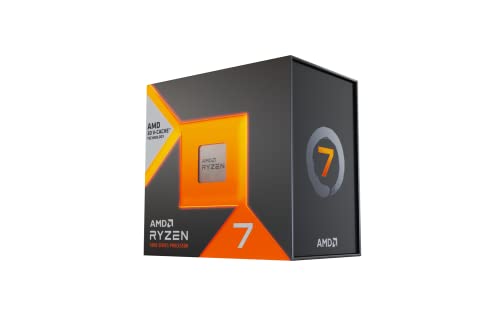
AMD Ryzen 7 9800X3D
Rated: 9/10
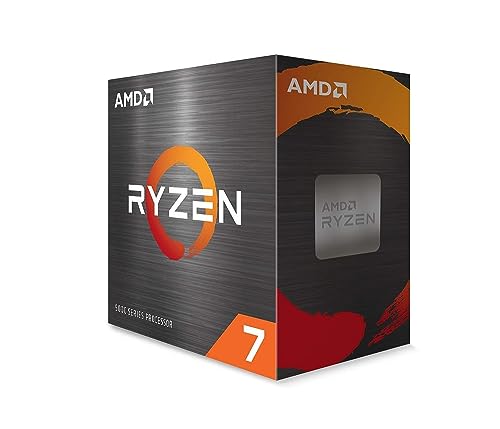
AMD Ryzen 7 5800X3D
Rated: 8.8/10
Pros And Cons
CPU
Pros
Cons
Ryzen 7 9800X3D
✅ 16% higher Turbo Boost frequency
✅ Includes an integrated GPU
❌ Much more expensive
Ryzen 7 5800X3D
✅ Lower power consumption
✅ Lower price tag
❌ No integrated GPU
❌ Slightly worse in terms of performance
Key Takeaways
In our testing, the 9800X3D was around 42% faster than the 5800X3D on average, while it pushed a difference of around 56% regarding productivity.
The power consumption was around 4% higher on the 9800X3D, while the temperatures were around 10% lower in our testing.
Though the launch price of both processors was very similar, the current price of the 9800X3D is almost double that of the 5800X3D.
The comparison of the Ryzen 7 9800X3D vs Ryzen 7 5800X3D depends mostly on your budget, with the 9800X3D being the higher tier option while the 5800X3D suites a smaller budget.
Why Trust Tech4Gamers
Manaf is our comparison expert who has been comparing graphics cards, and processors.
500+ components tested and compared by our team of comparison experts (Tech4Gamers Team).
1000+ hours spent testing different components for our comparisons.
At Tech4Gamers, ensuring you get reliable information is our priority. That’s why every comparison undergoes a meticulous review process by our team of experts and editors. Each comparison is carefully examined against our strict editorial guidelines, guaranteeing you trustworthy insights you can depend on.
Core Count: The Ryzen 7 9800X3D and Ryzen 7 5800X3D feature 8 cores and 16 threads, which is lower than the higher core count of flagship models.
Clock Speed: The 5800X3D has a base clock of 3.4 GHz and can boost up to 4.5 GHz, which is lower than the 9800X3D’s base clock of 4.7 GHz and boost up to 5.2 GHz.
L3 Cache: The 5800X3D has an impressive 96 MB of L3 cache, designed to accelerate gaming performance, while the 9800X3D matches this with 96 MB as well.
Process Node: While the 5800X3D is built on a 7nm manufacturing process, the 9800X3D has moved to a more advanced 4nm node.
TDP: The 5800X3D has a TDP of 105 watts, whereas the 9800X3D’s slightly higher 120-watt TDP reflects its more advanced architecture and clock speeds.
I am usually against hyping up processors, especially given the current market state, but the X3D chips are exceptional. The recent 9800X3D consistently beats the competition in all of our comparisons. Let’s compare the Ryzen 7 9800X3D vs Ryzen 7 5800X3D to see how this line has evolved.
Gaming Benchmarks – 1080p
Now that we have gone over all the aspects of both the new and the old processors let us see how they compare when we play some games on them. All the testing will be done using a measured test bench, the specifications of which are mentioned below:
Star Wars Jedi: Survivor @1080p (Image By Tech4Gamers)
In the first game of our testing, the Ryzen 7 9800X3D averaged 234 FPS, which is a 44.44% improvement over the relatively low 162 FPS of the Ryzen 7 5800X3D.
In 1% lows, the Ryzen 7 9800X3D reaches 206 FPS, outperforming the 5800X3D’s 141 FPS by 46.1%. This difference was very noticeable when we were playing these games on a high refresh rate monitor.
The Last Of Us Part 1
The Last Of Us @1080p (Image By Tech4Gamers)
The Ryzen 7 9800X3D delivered an impressive average of 208 FPS, a substantial 31.65% increase compared to the 5800X3D’s much less impressive 158 FPS.
Coming to the lows, the 9800X3D achieved 155 FPS in The Last Of Us Part 1, which is 42.2% higher than the 5800X3D’s plateau of only 109 FPS.
Cyberpunk 2077: Phantom Liberty
Cyberpunk 2077: Phantom Liberty @1080p (Image By Tech4Gamers)
With an average of 219 FPS, the Ryzen 7 9800X3D is 33.54% ahead of the 164 FPS offered by the Ryzen 7 5800X3D in our test of Cyberpunk 2077.
In terms of 1% lows, the 9800X3D delivered 148 FPS, surpassing the 5800X3D’s 117 FPS by 26.5%, which was a less impressive difference than we saw in previous games.
Hogwarts Legacy
Hogwarts Legacy @1080p (Image By Tech4Gamers)
In our test of Hogwarts Legacy, the Ryzen 7 9800X3D averaged 170 FPS, which was a 54.55% improvement over the 5800X3D’s noticeably lower 110 FPS.
For 1% lows, the 9800X3D provided a minimum framerate of 111 FPS, which was 63.24% higher than the 5800X3D’s concerningly low minimum of only 68 FPS.
Remnant II
Remnant 2 @1080p (Image By Tech4Gamers)
The 9800X3D recorded an average framerate of 158 FPS when we tested Remnant II on it, while the 5800X3D had an average of 108 FPS, making the delta grow to 46.30%.
The 1% lows of the 9800X3D were at 122 FPS, which represented a difference of 34.07% against the 5800X3D’s more modest 91 FPS lows.
Homeworld 3
Homeworld 3 @1080p (Image By Tech4Gamers)
Homeworld 3 ran excellently on the 9800X3D, with an average framerate of 136 FPS, around 51.11% higher than the 90 FPS our Ryzen 7 5800X3D system could provide.
Coming to the lows, the newer processor reached a minimum of 63 FPS, which was 34.04% better than the sub-sixty 47 FPS that the 5800X3D got.
A Plague Tale: Requiem
A Plague Tale: Requiem @1080p (Image By Tech4Gamers)
We recorded a 35.42% difference in our test of A Plague Tale, with the 5800X3D getting an average of 144 FPS, while the 9800X3D had an average closer to 195 FPS.
The lows were around 132 FPS on the 9800X3D, adding up to a 24.53% improvement over the 5800X3D’s 106 FPS.
Starfield
Starfield @1080p (Image By Tech4Gamers)
Finally, the last game of our testing performed 50.54% better on the 9800X3D at 140 FPS, while the 5800X3D hovered closer to an average of 93 FPS.
The lows were also much higher on the newer chip at around 115 FPS, whereas Starfield ran with 1% lows of only 70 FPS on the 5800X3D, creating a 64.29% divide between the two.
Productivity Benchmarks
Now that we’ve seen what these chips can do in terms of gaming performance let us take a look at how they perform in terms of performance metrics. For this section, we have used the same test bench as the one mentioned in the gaming section.
Cinebench R24
Cinebench R24 (Image By Tech4Gamers)
In the multi-core test, the Ryzen 7 9800X3D had an impressive score of 1388 points, which was around 62% higher than the 858 points achieved by the 5800X3D.
The single-core score was a bit closer, with the 9800X3D getting 135 points, while the Ryzen 7 5800X3D got a score of around 96 points, which was a difference that came out to around 40%.
7-Zip
7 Zip (Image By Tech4Gamers)
The compression test ran with a score of 138 points on the 9800X3D, which was around 55% higher than the 89 points of the Ryzen 7 5800X3D, a remarkable difference.
The decompression test saw a 25% improvement with the newer processor, with a score of 146 points, whereas the Ryzen 7 5800X3D had a score of 116 points.
Blender
Blender (Image By Tech4Gamers)
Finally, the last test we did was the Blender Open Data test, in which the newer processor scored 152 samples per minute, whereas the 5800X3D scored only 97 samples per minute.
This worked out to a difference of about 56%, which means the 9800X3D was quite a bit better than the 9800X3D in this benchmark.
Between the Ryzen 7 5800X3D and the Ryzen 7 9800X3D, we measured a difference of around 42% in the games that we tested in terms of average framerates. Though the averages were high with both processors, the 9800X3D was in a league of its own.
1% Lows
The difference between the two chips in 1% lows in our testing was around 40.5%, which was very noticeable in some games. Homeworld 3, for example, ran at a sub-sixty minimum framerate on the Zen 3 chip, whereas the Zen 5 processor ran it at 63 FPS.
Productivity
Overall, productivity was pretty poor from the 5800X3D, which is to be expected with it being two years old at this point, and it was never great at productivity to begin with. The 9800X3D also is only decent at productivity for today’s standards, but it blows the 5800X3D out of the water.
Temperatures
Game
Ryzen 7 9800X3D
Ryzen 7 5800X3D
Star Wars Jedi: Survivor
62
71
The Last Of Us Part 1
65
72
Cyberpunk 2077: Phantom Liberty
66
69
Hogwarts Legacy
61
73
Remnant II
68
77
Homeworld 3
64
71
A Plague Tale Requiem
70
72
Starfield
66
70
Average Temperatures
65.25🌡️
71.875🌡️
Winner: Ryzen 7 9800X3D
In our testing of the games mentioned above, the Ryzen 7 5800X3D ran about 10% hotter than the 9800X3D. Neither processor was excessively hot in our testing, though the lower temperatures of the 9800X3D are nice to have in the long run.
Power Consumption
Game
Ryzen 7 9800X3D
Ryzen 7 5800X3D
Star Wars Jedi: Survivor
94
94
The Last Of Us Part 1
99
90
Cyberpunk 2077: Phantom Liberty
92
91
Hogwarts Legacy
89
84
Remnant II
98
96
Homeworld 3
101
99
A Plague Tale Requiem
104
86
Starfield
91
98
Average Power Draw
96⚡
92.25⚡
Winner: Ryzen 7 5800X3D
In games, both processors bring up similar numbers when it comes to power consumption. The Ryzen 7 5800X3D has a 4% lower power draw, but this difference is more than made up for by the 9800X3D excellent performance.
Price And Availability
CPU
Ryzen 7 9800X3D
Ryzen 7 5800X3D
Price Difference
Launch MSRP
💲479
💲449
6.68%
Current Price
💲479
💲209
129.19%
According to our research about both these processors, the Ryzen 7 9800X3D is more than twice as expensive as the 5800X3D. After realizing this, the value proposition of the 5800X3D truly began to shine compared to the 9800X3D.
What We Recommend
Ryzen 7 9800X3D: As we have been saying, with all our comparisons featuring this processor, it is exceptional in terms of performance, power management, and even price concerning the other two attributes. The Ryzen 7 9800X3D is a truly great gaming processor.
Ryzen 7 5800X3D: This Zen 3 processor kicked everything off for the X3D line of chips, though its age shows in our testing. It had much lower performance in our testing, while the power consumption was essentially the game. However, the price is several tiers below the 9800X3D.
After all our comparisons with the 9800X3D, we can confidentially say this is the first subjective one. Either of these chips is great in its own price tier, and the decision of which to get largely relies on your budget.
FAQs
When was the Ryzen 7 5800X3D released?
The Ryzen 7 5800X3D was released in April 2022, over two years before the Ryzen 7 9800X3D.
What platform does the Ryzen 7 5800X3D use?
The Ryzen 7 5800X3D uses AMD’s long-lived AM4 platform.
Can the 5800X3D be overclocked?
No, the Ryzen 7 5800X3D cannot be overclocked because of its 3D V-Cache architecture.
Does the 9800X3D support overclocking?
Yes, you can overclock the 9800X3D out of the box, as AMD sends this chip out with an unlocked multiplier.
Should I get the Ryzen 7 9800X3D for video editing?
If you want to play video games along with video editing, the 9800X3D will do you fine, but if you only want to edit videos, get a 9900X instead.
Lead the comparison and blog writing teams at Tech4Gamers.
Oversee teams with a keen eye for detail and precision.
Ensure hands-on writing, with benchmarks and testing as guiding principles.
Guarantee the delivery of the best possible results in concise yet impactful tech tales.
AMD Ryzen 7 9800X3D
Rated: 9.3/10
Intel Core i7-14700K
Rated: 9.1/10
Pros And Cons
CPU
Pros
Cons
Core i7 14700K
✅ Higher E-core count than before
✅ Improved cache
❌ High power consumption
Ryzen 7 9800X3D
✅ Excellent for gaming
✅ Enhanced energy efficiency
❌ Relatively expensive
Key Takeaways
During my gaming testing, the 9800X3D maintained a clear lead of 18.9% on average against the 14700K. But in multicore productivity tasks, the latter stayed ahead.
In terms of temperature management, the 14700K ran quite cooler than the 9800X3D creating a difference of 12.4% on average during stress testing in games.
While researching pricing the 14700K is currently being sold at a 31.9% cheaper price compared to the newly released 9800X3D from Team Red.
Finally, if budget isn’t an issue I would wholeheartedly recommend the 9800X3D to any user that’s in the market looking for an absolute unit, but you can opt for 14700K if productivity is your main concern.
Why Trust Tech4Gamers
Shehryar is our comparison expert who has been comparing graphics cards, and processors.
500+ components tested and compared by our team of comparison experts (Tech4Gamers Team).
1000+ hours spent testing different components for our comparisons.
At Tech4Gamers, ensuring you get reliable information is our priority. That’s why every comparison undergoes a meticulous review process by our team of experts and editors. Each comparison is carefully examined against our strict editorial guidelines, guaranteeing you trustworthy insights you can depend on.
Core Count: The Ryzen 7 9800X3D features 8 cores and 16 threads, while the Core i7-14700K boasts a total of 20 cores (8 performance cores and 12 efficiency cores) and 28 threads.
Clock Speed: Ryzen 7 9800X3D runs at 4.7 GHz base and boosts to 5.2 GHz, while Core i7-14700K starts at 3.4 GHz but boosts higher to 5.6 GHz, favoring burst performance.
Cache: The Ryzen 7 9800X3D is equipped with AMD’s 3D V-Cache technology, providing a total of 104MB cache (8MB L2 and 96MB L3). The Core i7-14700K offers 33MB of L3 cache.
Process Node: Ryzen is built on a 5nm process from TSMC, while Intel uses its own 10nm (Intel 7) process. Ryzen feels a bit more modern in this regard.
TDP: Ryzen has a 120W TDP, while the Core i7 is slightly higher at 125W. That said, the Core i7 tends to draw more power under load, especially during heavy multitasking or overclocking.
Intel and AMD have been going against each other for ages now with one taking the lead each time. But with the recent release of the X3D chips, AMD has become the talk of the town again so now we will be testing the Ryzen 7 9800X3D Vs Core i7 14700K to see how well they stand up against each other.
Gaming Benchmarks – 2160p
Starting off, I will test the chips on their gaming performance to conduct the test I will be running six different games at 4K resolution and max settings to see how well they can keep up with each other through these demanding requirements. Here is the testing rig for this test.
God of War 2160p Gaming Benchmarks – Image Credits (Tech4Gamers)
In God of War, the Ryzen 7 9800X3D averaged 140 FPS, offering a 17.8% boost over the Core i7 14700k’s 117 FPS. The extra frames made the combat and exploration feel incredibly smooth.
However, the Core i7 surprised me with better 1% lows at 101 FPS, a 23.2% improvement over Ryzen’s 80 FPS. This meant fewer noticeable dips during fast-paced battles on the Core i7.
Cyberpunk 2077 felt more alive on Ryzen, with 97 FPS on average, compared to 78 FPS on Core i7. That’s a solid 21.7% improvement, and it was very noticeable in busy areas of Night City.
Where Ryzen really shined was in 1% lows, delivering 75 FPS versus 58 FPS on the Core i7, a difference of 25.5%. Frame dips on Ryzen were barely noticeable even during chaotic firefights.
Exploring the vast world of Assassin’s Creed Valhalla, Ryzen gave me an average of 130 FPS, which was 18.6% higher than Core i7’s 108 FPS. It was a smooth experience for the most part.
During combat and heavy action, Ryzen handled frame stability better, with 1% lows of 105 FPS. That’s 22.2% ahead of the Core i7, which only managed 84 FPS.
Watch Dogs Legion ran smoother overall on Ryzen, averaging 129 FPS compared to 107 FPS on Core i7. That’s a 180.6% uplift, and it made city exploration and high-speed driving feel much better.
For the 1% lows, Ryzen edged out Core i7 by a smaller margin of 10.9%, hitting 106 FPS versus 95 FPS. The difference wasn’t huge, but it was noticeable in some intense moments.
Red Dead Redemption 2
Red Dead Redemption 2 2160p Gaming Benchmarks – Image Credits (Tech4Gamers)
Red Dead Redemption 2 looked amazing on Ryzen, with an average of 133 FPS compared to Core i7’s 109 FPS, a 19.8% improvement. The higher frame rate added to the cinematic feel of the game.
What really stood out was the 1% lows. Ryzen delivered 107 FPS here, while Core i7 lagged behind at just 76 FPS, a massive 33.8% difference. This meant zero stutters on Ryzen even in busy towns.
Horizon Zero Dawn
Horizon Zero Dawn 2160p Gaming Benchmarks – Image Credits (Tech4Gamers)
Ryzen gave me 135 FPS on average in Horizon Zero Dawn, which was 17.7% better than the 113 FPS on Core i7. traveling Aloy’s vibrant world felt incredibly smooth with Ryzen.
On 1% lows, there wasn’t much difference. Ryzen hit 98 FPS, just 3.1% higher than Core i7’s 95 FPS. Both handled frame dips well, so gameplay felt steady on either processor.
Productivity Benchmarks
Since we have gotten enough results in the gaming division, let’s now move to productivity benchmarks where I will test both their single and multi-core performance in a few different software to crown a winner.
In the single-core test, Ryzen scored 133, just a slight 1.5% better than the Core i7, which scored 131. Both CPUs perform nearly identically here.
In the multi-core test, Core i7 really pulled ahead, scoring 2021 compared to Ryzen’s 1318. That’s a 42.1% difference, making the Core i7 significantly better for multi-threaded tasks.
Geekbench’s single-core test showed Ryzen scoring 3307, which was 12.3% higher than Core i7’s 2921. Ryzen felt slightly snappier in single-threaded applications.
For multi-core, the Core i7 scored 19560, just 7% better than Ryzen’s 18223. Both are excellent here, but the Core i7 has a slight edge for demanding workloads.
In terms of integrated GPU performance, Core i7 dominated with a score of 820, a 36.9% improvement over Ryzen’s 564. If you rely on the iGPU for tasks, the Core i7 is far superior.
While testing the average FPS on both chips, I always found the 9800X3D in a clear lead in all games, thanks to its big reserves of 3D V-Cache. Moreover, the lead was quite significant as well since I found the 14700K to be trailing behind 18.9% on average.
1% Lows
The 1% lows also showcased a similar scenario as the 9800X3D took the stage with an 11.4% lead on average against its competitor. But strangely enough, the 14700K performed well in God of War where the dips were handled way better on the Intel processor.
Productivity
In terms of productivity, both chips were a little tied up with the 9800X3D performing better in single-core tasks, while the 14700K maintained a lead in multicore performance. But based on the sheer difference, I am inclined to favor the Intel chip to perform better in this regard.
Thermal Efficiency
Game
Core i7-14700K (°C)
Ryzen 7 9800X3D (°C)
God of War
73
81
Cyberpunk 2077
79
91
Assassin's Creed Valhalla
73
80
Watch Dogs Legion
70
80
Red Dead Redemption 2
72
84
Horizon Zero Dawn
77
87
Average Thermal Statistics
74🌡️
83.8🌡️
Winner: Intel Core i7-14700K
I also kept their temperature management in check while running them through different games and after curating my results I found the 14700K to be running 12.4% cooler on average compared to the 9800X3D which could be due to its high performance.
Price
CPU
Core i7-14700K
Ryzen 7 9800X3D
Price Difference
Launch MSRP
💲409
💲479
15.7%
Current Price
💲347
💲479
31.9%
Reseraching the market for the pricing, the 14700K won it quite easily as it is currently being sold at a 34.9% cheaper price than the 9800X3D which is a significant number that can make a lot of people change their decision.
What We Recommend
AMD Core i7-14700K: If you are currently on a limited budget and are just looking for a processor to boost your productivity then the 14700K is your best bet as it’s not only cheaper but also provides great multi-core performance.
AMD Ryzen 7 9800X3D: The X3D chips always deliver what they are famous for, gaming performance. The 9800X3D also complies with this notion and creates a huge gap against any chip that it is compared against.
Overall, if you don’t have any budget constraints and are willing to spend a little more on your processor then the 9800X3D is the best choice. But if that’s not the case, the 14700K is also a formidable processor that can get most things done without breaking a sweat.
FAQs
What makes these processors different in design?
The Ryzen 7 9800X3D uses AMD’s Zen 5 architecture with 3D V-Cache for gaming, while the Core i7-14700K has Intel’s hybrid core design for better multitasking.
Which one uses more power?
The Core i7-14700K tends to draw more power under heavy loads due to its higher core count, though both have similar base TDPs.
Do they support the same memory?
Ryzen supports DDR5 only, while the Core i7 offers flexibility with both DDR4 and DDR5.
What motherboards work with these processors?
Ryzen needs an AM5 socket motherboard, while the Core i7 fits LGA 1700 boards.
Can you overclock them?
Yes, both are unlocked for overclocking. Just ensure you have good cooling, as overclocking can generate a lot of heat.
Lead the comparison and blog writing teams at Tech4Gamers.
Oversee teams with a keen eye for detail and precision.
Ensure hands-on writing, with benchmarks and testing as guiding principles.
Guarantee the delivery of the best possible results in concise yet impactful tech tales.
CPUs are the heart of any PC, responsible for processing all the system’s data and acting as the central hub connecting various components. If you’re considering an upgrade or building a new rig, now is the perfect time to act as Black Friday 2024 is almost here starting on November 29th, so many brands are bringing early deals and massive savings on the latest processors.
Black Friday, celebrated annually as one of the biggest shopping events of the year, offers incredible discounts on tech and electronics, making it the perfect opportunity to steal a powerful CPU without breaking the bank. Whether you’re a gamer, content creator, or casual user, these deals cater to both AMD and Intel enthusiasts, ensuring there’s something for everyone.
But with so many discounts available, it’s easy to feel overwhelmed. That’s why we’ve done the hard work for you. We’ve curated a list of the best deals, from budget-friendly options to high-performance processors for top-tier builds. Plus, we’re tracking price trends including the lowest historical and current prices so you can confidently grab the perfect deal to power your setup.
Stream, create, and compete at the highest levels with industry leading features and the latest hybrid...
As Black Friday kicks off, I can’t think of a better time to upgrade my PC without spending a fortune. Whether you’re like me and want smoother gaming sessions or need more power for work projects, these CPU deals are seriously hard to ignore. Just a heads-up, though these discounts are usually time-sensitive, and popular models tend to sell out fast. If you’re eyeing something, it’s worth grabbing it while you can!
Also just to stay on the safe side, before I finalize any purchase, I always double-check compatibility with my current setup, especially the motherboard. It’s also a great idea to keep an eye out for bundle deals or extra promos to get even more value.
FAQs
Are these Black Friday CPU deals available worldwide?
Most deals are region-specific, but many retailers offer global shipping. Check if the store ships to your location and confirm currency conversions for accurate pricing.
How do I know if a CPU is compatible with my system?
Compatibility depends on your motherboard’s chipset and socket type. Double-check your motherboard’s specifications and ensure it supports the CPU you’re considering.
What’s the difference between Intel and AMD CPUs?
Both brands offer excellent options, but Intel tends to excel in gaming performance, while AMD is known for multitasking and affordability. Your choice depends on your specific needs and budget.
Can I return a CPU if it’s not compatible?
Most retailers allow returns, but policies vary. Always review the return policy before purchasing, and try to avoid opening the box until you’re sure about compatibility.
Are there any other costs to consider besides the CPU?
Yes, if you’re upgrading to a newer CPU, you might need a new motherboard, RAM, or even a stronger cooling system. Factor these costs into your budget for a complete upgrade.
At Tech4Gamers, I contribute as a Senior News Reporter, combining my skills and gaming enthusiasm to keep our audience updated on the latest developments.
Story Highlight
Major journalists recommend buying the Xbox Series S|X over the PS5 this holiday season.
They argue that Game Pass offers too much value to ignore.
The Xbox Series S also starts at just $300, making it an excellent budget choice.
The PS5 and Xbox Series S|X are four years old, and we expect to see several discounts on these consoles as we head into the holidays. These discounts will attract a slew of potential new buyers, making it important to recognize the distinct benefits offered by all three pieces of hardware.
Both PlayStation and Xbox are valid choices, but Game Pass may be the deciding factor that tips the scales in the latter’s favors. Journalists seem to agree since they recommend Xbox over PlayStation for this holiday season.
Why it matters: PlayStation is dominating this generation, so journalists recommending Xbox for its value is a major victory for Microsoft.
During IGN’s latest Next-Gen Console Watch episode, the crew discussed the current-gen console outlook after four years.
When asked which platform they would recommend to new buyers who do not currently own either console, both participants agreed they would suggest buying an Xbox over the PS5.
I would say Xbox just because of Game Pass.
-Stella Chung
The journalists argued that the Xbox Series X is incredibly powerful and can still hold its own in modern AAA titles. They then pointed to the benefits offered by Game Pass, which can be incredibly handy for those on a budget since it delivered $9,000 in value last year.
The discussion considered the fact that many console buyers this holiday season might not necessarily have a powerful gaming PC at their disposal. This makes the platform all the more valuable since it offers incredible first-party experiences only available on the Xbox Series S|X and PC.
The Xbox Series S Will Likely Be Cheaper Than Ever Soon
Max Scoville also pointed out that Phil Spencer has been more transparent than PlayStation’s executives, giving fans a clear outlook on what to expect, including details on third-party releases.
While either option is fine, there’s something to be said about the value of the Xbox Series S|X over the PS5. The former also has games like Doom: The Dark Ages and Fable coming to Game Pass next year, making a purchase all the more exciting.
What console would you pick? Let us know in the comments and join the discussion on the Tech4Gamers Forums.
At Tech4Gamers, I proudly wear the title of Comparisons Specialist. Focused on CPUs and GPUs, I bring forth a wealth of hands-on experience and a keen eye for detail to provide our audience with the latest insights and analyses.
AMD Ryzen 7 9800X3D
Rated: 8.4/10
AMD Ryzen 9 9950X
Rated: 7.1/10
Pros And Cons
CPU
Pros
Cons
Ryzen 9 9950X
✅ Has 8 more physical cores
✅ Unlocked multiplier
❌ Much more expensive
Ryzen 7 9800X3D
✅ Has 32MB larger L3 cache size
✅ Better in terms of performance
❌ Worse synthetic multithreaded performance
Key Takeaways
The 9800X3D outperforms the 9950X in gaming, with 35% better framerates and 36% smoother 1% lows. Productivity is better in select tasks like Photoshop.
The 9800X3D is 54% more power-efficient; temperatures are nearly the same, with the 9950X only 1.2% hotter.
The 9950X is about 48% more expensive than the 9800X3D as of mid-November 2024, though this difference is prone to fluctuate.
We recommend the 9800X3D for gaming and the 9950X only if you need extra cores for demanding tasks.
Why Trust Tech4Gamers
Uzair is our comparison expert who has been comparing graphics cards, and processors.
500+ components tested and compared by our team of comparison experts (Tech4Gamers Team).
1000+ hours spent testing different components for our comparisons.
At Tech4Gamers, ensuring you get reliable information is our priority. That’s why every comparison undergoes a meticulous review process by our team of experts and editors. Each comparison is carefully examined against our strict editorial guidelines, guaranteeing you trustworthy insights you can depend on.
Core Count: The Ryzen 7 9800X3D has 8 cores and 16 threads, half the number of the 9950X’s 16 cores and 32 threads.
Clock Speed: The 9950X has a base clock of 4.3GHz and a boost clock of around 5.7GHz. The 9800X3D, however, has a base clock of 4.7GHz and a boost of up to 5.2GHz.
Cache: The 9800X3D’s headline feature is the L3 cache, which has 96 megabytes on its die, while the 9950X only has 64 megabytes.
Process Node: Both these processors are based on a 4nm manufacturing process, which is to be expected as they are based on the same architecture.
TDP: The 9950X has a much higher 170-watt TDPthan the 120-watt TDP of the Ryzen 7 9800X3D.
AMD has been the scrappy underdog of the CPU industry for a while now, and nothing has solidified their products more than their X3D line of chips, but how much better are they than their vanilla counterparts? Let us find out in the Ryzen 7 9800X3D Vs Ryzen 9 9950X comparison!
Gaming Benchmarks – 1080p
Having looked at the specs of these chips, we now come to the time when we must evaluate them based on their performance in games. To do this, we have devised a tailor-made test bench, the specs of which are written below:
Star Wars Jedi: Survivor @1080p (Image By Tech4Gamers)
This comparison started with a bang. The 9800X3D’s average framerate in this game was 234 FPS,47% higher than the 159 FPS supplied by the 9950X.
The 1% lows also differed by around 50%, with the 9800X3D hovering around 206 FPS, whereas the 9950X had a much lower framerate of 138 FPS in Star Wars Jedi: Survivor.
The Last Of Us Part 1
The Last Of Us @1080p (Image By Tech4Gamers)
We saw a more modest 14% difference in this game, with the Ryzen 7 9800X3D getting a framerate of about 208 FPS, while the Ryzen 9 9950X stuck closer to 182 FPS.
The 1% lows were around 155 FPS on the newer chip, whereas the 9950X took a 30% loss in framerate with a minimum of 119 FPS.
Cyberpunk 2077
Cyberpunk 2077 @1080p (Image By Tech4Gamers)
Testing Cyberpunk 2077 on both processors highlighted a difference of around 37%, with the Ryzen 7 getting an average of 219 FPS while the Ryzen 9 got around 160 FPS.
The minimums were around 148 FPS on the X3D chip in our testing, while the Ryzen 9 9950X matched the lows of the last game with a framerate of 119 FPS, leading to a 24% loss compared to its rival.
Assetto Corsa Competizione
Assetto Corsa Competizione @1080p (Image By Tech4Gamers)
This game hovered around 269 FPS on the Ryzen 7 9800X3D, while the Ryzen 9 9950X hit an average of 160 FPS in our testing, leading to a difference of about 56%.
The minimum framerates were also starkly dissimilar between the two processors. The Ryzen 7 9800X3D got lows of 223 FPS, while the 9950X struggled to keep up with 145 FPS.
Remnant 2
Remnant 2 @1080p (Image By Tech4Gamers)
The Ryzen 9 closed the gap with this game, getting an average framerate of 123 FPS, which was around 28% lower than the 158 FPS of the Ryzen 7 9800X3D.
The 1% lows brought the difference even lower, with the 9800X3D hovering around a framerate of 122 FPS, while the Ryzen 9 9950X got a framerate closer to 99 FPS.
Homeworld 3
Homeworld 3 @1080p (Image By Tech4Gamers)
In our test of Homeworld 3, the Ryzen 7 9800X3D achieved 135 FPS, while the Ryzen 9 9950X reached 92 FPS. The Ryzen 7 9800X3D was ahead by around 47%, which is a significant difference.
In the 1% lows, the Ryzen 7 9800X3D held steady at 63 FPS, compared to 45 FPS on the Ryzen 9 9950X, giving the X3D chip a 40% lead.
Starfield
Starfield @1080p (Image By Tech4Gamers)
With 140 FPS on the Ryzen 7 9800X3D and 111 FPS on the Ryzen 9 9950X, the 9800X3D was around 26% faster in our testing of Starfield.
The 1% lows showed a similar story, with the 9800X3D at 115 FPS versus 88 FPS on the 9950X, which comes out to a 31% improvement for the X3D chip over its vanilla older brother.
Watch Dogs: Legion
Watch Dogs: Legion @1080p (Image By Tech4Gamers)
Running at 217 FPS on the Ryzen 7 9800X3D, compared to 170 FPS on the Ryzen 9 9950X, the 9800X3D led around 28% in the final test of our gaming suite.
In the 1% low framerates, the 9800X3D maintained 160 FPS, while the 9950X held at 122 FPS, giving the 9800X3D a 31% edge in Watch Dogs Legion.
Productivity Benchmarks
Now that we have reviewed the specs and gaming benchmarks for these new chips, we can highlight their gaming performance. To do this, we used the same test bench for the gaming tests.
Cinebench 2024
Cinebench 2024 (Image By Tech4Gamers)
In the single-core test, we noticed a 4% difference in performance between these chips. The 9800X3D scored 135 points, while the 9950X held closer to 141 points.
The multi-core score showed a much bigger difference, with the 9950X scoring 2342 points, which was around 70% higher than the 1384 points that the Ryzen 7 had accumulated.
7-Zip
7-Zip (Image By Tech4Gamers)
In our 7-Zip compression test, we noticed a difference of around 38% between the two chips, with the Ryzen 7 scoring 138 points and the 9950X scoring191 points.
Decompression was a much different story, with the newer chip getting a score of 145 points, whereas the 9950X had an 89% lead with a score of 274 points.
Photoshop
Adobe Photoshop 2025 (Image By Tech4Gamers)
The Pudget Systems test showed very similar results between the two chips, indicating that real-world performance might vary from that in synthetic benchmarks.
The 9950X had a score of around 11915 points, while the 9800X3D came in around 5% ahead with a score of 12549 points.
The performance of the 9800X3D was exceptional in our testing, coming ahead of the 9950X without fail in the games that we tested. We measured a difference of around 35% across the average framerates of our benchmark tests.
1% Lows
The great performance of the Ryzen 7 9800X3D spilled over to the 1% lows. Here, we measured a difference of about 36%, which had noticeable effects on the gaming experience. The 9800X3D consistently felt smoother to game on in our testing.
Productivity
Productivity was not the strong suit of the Ryzen 7 9800X3D, at least in the synthetic benchmarks we tested. However, testing Photoshop did yield noticeably better results than the 9950X, likely because of the extra legroom our graphics card had because of this processor.
Temperatures
Game
Ryzen 7 9800X3D
Ryzen 9 9950X
Star Wars Jedi: Survivor
62
65
The Last Of Us
62
63
Cyberpunk 2077
60
63
Assetto Corsa Competizione
63
64
Remnant 2
70
61
Homeworld 3
62
65
Starfield
62
64
Watch Dogs: Legion
61
63
Average Temperature
62.75🌡️
63.5🌡️
Winner: Ryzen 7 9800X3D
Temperatures were very similar between these chips, with the 9950X being only 1.2% hotter than the 9800X3D. This difference could easily be chalked up to the margin of error. Both chips had manageable temperatures in our testing, and this metric did not factor into our evaluation of these processors.
Power Consumption
Game
Ryzen 7 9800X3D
Ryzen 9 9950X
Star Wars Jedi: Survivor
92
143
The Last Of Us
95
145
Cyberpunk 2077
93
145
Assetto Corsa Competizione
89
135
Remnant 2
90
139
Homeworld 3
89
141
Starfield
91
137
Watch Dogs: Legion
93
140
Average Power Draw
91.5⚡
140.625⚡
Winner: Ryzen 7 9800X3D
As we expected, the Ryzen 7 9800X3D had excellent power management in our testing. Not only did it beat the 9950X game after game with a significant margin, but the 9800X3D also took around 54% less power than the 9950X.
Price And Availability
CPU
Ryzen 9 9950X
Ryzen 7 9800X3D
Price Difference
Launch MSRP
💲649
💲479
35.49%
Current Price
💲709
💲479
48.02%
In our web search for prices, we saw that the Ryzen 9 9950X has not dropped in price at all since its launch MSRP. This leaves a 48% difference in price between the two chips, with the 9800X3D being around 200 USD cheaper than its competitor.
What We Recommend
Ryzen 7 9800X3D: AMD’s improvements with this chip are commendable. It has a lower power draw than its older brother while having better performance, all on top of a lower price tag. The one chip on its shoulder is its lower performance in multi-threaded compute-heavy workloads.
Ryzen 9 9950X: This chip was not remarkable when released and does not break any records now. If you want a processor that has as many cores as possible crammed into it, go ahead with the 9950X, but it’s not great for much else, which is a point exacerbated by its rival for this comparison.
AMD has made this comparison easy for us. We can recommend the 9800X3D to anyone looking for the best gaming performance possible, while the 9950X should only be bought by consumers who require the extra cores it offers.
FAQs
What workloads are the extra cores of the 9950X good for?
Workloads that benefit from extra CPU cores include video editing, 3D rendering, scientific computing, and streaming or game server hosting, just to name a few.
Why is the extra cache of the 9800X3D such a performance booster?
The 9800X3D’s extra cache reduces data transfers from memory into the CPU cache, significantly boosting processing speed.
Why does the extra cache of the 9800X3D help so much with power management?
The reduced communication with memory because of its large cache allows the 9800X3D to pull far less power.
Does the 9800X3D support overclocking?
Yes, you can overclock the 9800X3D out of the box, as AMD sends this chip out with an unlocked multiplier.
Does the 9950X support overclocking?
Yes, all of AMD’s vanilla chips have overclocking support.
At Tech4Gamers, I contribute as a Senior News Reporter, combining my skills and gaming enthusiasm to keep our audience updated on the latest developments.
Story Highlight
The Game Awards go live next month, with a jury of over 100 outlets voting on the awards.
Fans are unhappy with the outlets selected for the jury, raising concerns over bias in decision-making.
Fans also believe their votes should count for more than 10% in the final decision.
As the year heads toward its conclusion, the gaming industry is anticipating The Game Awards 2024. This event has seen the likes of Elden Ring and Baldur’s Gate 3 being crowned Game of the Year in the past, and fans are curious to see which title will take home the ultimate prize this year.
The Game Awards 2024 are set to be quite different this time since DLCs and expansions are now eligible for Game of the Year. This decision has raised a few eyebrows, and fans have also raised concerns over the jury selected for the voting process.
Why it matters: This award show has become a cultural phenomenon and a major part of gaming, making its legitimacy all the more important.
The Jury Is Selected By The Game Awards
According to The Game Awards’ FAQ, the jury comprises over 100 reputable and recognized media outlets, including The Verge, Polygon, Pride, and IGN.
However, as an excellent video recorded by Mrixrt points out, the official website does not provide much detail on the voting process or list the individuals representing the picks for these outlets.
This leads to concerns about the legitimacy of each outlet’s picks and potential bias. Fans have also been visibly distraught by the outlets selected, with many dubbing the jury an echo chamber.
Over on Reddit, fans have spoken out against The Game Awards’ decision to count the jury for 90% of the votes. While fans can vote for categories like Game of the Year, their total votes are given a mere 10% weightage compared to the jury’s 90%.
Absolutely not biased, no sirree!
-u/Tyranicalmoon
Redditors also argue that such outlets are quickly losing popularity.
A bunch of irrelevant publications in terminal decline.
-u/Selphea
Mrixrt’s detailed video on the topic highlights the fact that publications like Pride rarely focus on gaming content. Moreover, a site like The Verge does not have a dedicated gaming department, with editor Andrew Webster overseeing gaming, film, and television.
This is problematic because both outlets are on the jury, and Andrew Webster has been on the voting panel.
What are your thoughts on the jury? Do you think fan votes should be more important in the final decision? Let’s discuss this in the comments and on the Tech4Gamers Forums.
At Tech4Gamers, I mainly cover new gaming news, leaks, and rumours. Aside from that, I love to write features about my favourite games while inserting my opinion about their different aspects.
Story Highlight
Call of Duty: Black Ops 6 was released on October 25, 2024.
It has been almost one month since the game was released, and it is still the best seller on Steam.
Despite being on Game Pass, this is pretty surprising and shows that Call of Duty is too big of a franchise to fail.
The previous Call of Duty was massively criticised due to its poor campaign, so fans were concerned about where the franchise was heading. However, the latest entry, Black Ops 6, has managed to restore the damage done by Modern Warfare 3 (2023).
It also became the first Call of Duty game to launch on Game Pass day one. However, despite that, the sales didn’t take as big of a hit as fans were expecting. The game shattered MW3’s record on launch and is still dominating Steam’s best-sellers chart as the number one seller almost one month after launch.
Why it matters: Many were claiming that releasing Call of Duty: Black Ops 6 would hurt sales, but it seems like they were wrong, as the game is still a number one seller on the biggest gaming platform.
The Latest Call of Duty Title Is Still Performing Extremely Well On Steam | Source: Steam
As you can see in the image above, the latest entry in the Call of Duty franchise is still at the top spot. This is pretty surprising given that Stalker 2 is releasing in just three days and was once the most wish-listed game on the platform.
However, the game is also releasing day one on Game Pass, so it might take a little more time to become a best seller. That said, Call of Duty: Black Ops 6 was released on October 25th, and it is still doing pretty well sales-wise.
The game also has a 24-hour peak of over 255k so many are likely enjoying the multiplayer experience. The campaign has also received a lot of praise from different creators and, of course, fans.
What do you think of the game’s dominancy as the steam’s best seller? Do you think Stalker 2 will take away its throne in the coming days? Let us know your thoughts in the comments section below or join the discussion at the official tech4Gamers forum.
At Tech4Gamers, I contribute as a Senior News Reporter, combining my skills and gaming enthusiasm to keep our audience updated on the latest developments.
Story Highlight
New reports allude to a Dark Souls 3 remaster.
The re-release would bring higher-resolution support to the title.
This remaster would be the last of the trilogy, completing remasters for the entire series.
Dark Souls 3 is currently FromSoftware’s best-selling Dark Souls title. Following the birth of a new genre in 2011, the franchise continued to evolve, eventually culminating in the incredibly popular third entry.
Dark Souls 3 went on to sell over 10 million units and remains a fan-favorite to this day. While FromSoftware has found even bigger success with the likes of Elden Ring since then, new reports point to the studio revisiting the third Dark Souls entry.
Why it matters: With the entire industry banking on remasters and remakes, it was only a matter of time before Bandai Namco and FromSoftware decided to use Dark Souls 3’s popularity to their benefit.
As reported by insider Nick Baker, a Dark Souls 3 remaster is currently in the works. According to Nick Baker, there is a bit more to this report, but he is unable to share additional details at this time.
Anyhow, a remaster should mean a higher resolution and more stable frame rates for this title. While Dark Souls 3 already supports 60FPS on both PS5 and Xbox Series S|X, it does so at the cost of resolution.
For the unaware, neither console supports a resolution higher than 1080p in this case since they rely on code optimized for the last-gen consoles. A remaster can solve this problem and deliver fans the best of both worlds.
Very recently, an Unreal Engine 5 concept also showed a potential visual overhaul for this game.
We are getting a Dark Souls 3 remaster.
-Nick Baker
Dark Souls 3 Is Nearly 10 Years Old Already
Fans should note that FromSoftware’s first two Dark Souls titles have already received the remaster treatment. As such, betting on another remaster appears to be a safe bet, something that Nick Baker also noted during Xbox Era’s latest podcast.
Unfortunately, such a remaster would mean that Bloodborne gets left out once again despite the sheer demand and interest in this franchise.
When the Dark Souls 3 remaster will be released is anybody’s guess for now, but an announcement could show up at The Game Awards depending on how far along the project is.
FromSoftware’s titles tend to appear at this showcase, so fans may see yet another announcement next month. What are your thoughts on the report? Let us know in the comments, and follow this link to join the discussion on the official Tech4Gamers Forums.
Lead the comparison and blog writing teams at Tech4Gamers.
Oversee teams with a keen eye for detail and precision.
Ensure hands-on writing, with benchmarks and testing as guiding principles.
Guarantee the delivery of the best possible results in concise yet impactful tech tales.
AMD Ryzen 7 9800X3D
Rated: 9.3/10
AMD Ryzen 9 9900X
Rated: 9.1/10
Pros And Cons
CPU
Pros
Cons
AMD Ryzen 7 9800X3D
✅ Great for gaming
✅ Option complete overclocking
❌ Lower core and thread count
AMD Ryzen 9 9900X
✅ Competitive price tag
✅ Great thermal efficiency
❌ Inferior gaming performance
Key Takeaways
Starting things off, the 9800X3D stole the show when it came to gaming performance with a lead of 17.2% but the 9900X takes the limelight back when it comes to productivity.
Moving on to thermals, we saw the 9900X maintaining a slight lead of 4.6% and maintaining lower temperatures than the 9800X3D in most games.
There is a significant price gap between the two chips, with the 9900X being 22.5% cheaper than the newly released 9800X3D.
Finally, I would easily recommend 9900X to any user as it is cheaper and excels in productivity. But the 9800X3D can be your choice if you have absolute gaming needs.
Why Trust Tech4Gamers
Shehryar is our comparison expert who has been comparing graphics cards, and processors.
500+ components tested and compared by our team of comparison experts (Tech4Gamers Team).
1000+ hours spent testing different components for our comparisons.
At Tech4Gamers, ensuring you get reliable information is our priority. That’s why every comparison undergoes a meticulous review process by our team of experts and editors. Each comparison is carefully examined against our strict editorial guidelines, guaranteeing you trustworthy insights you can depend on.
Core Count: The Ryzen 7 9800X3D has 8 cores and 16 threads, while the Ryzen 9 9900X packs 12 cores and 24 threads, making it better suited for heavy multitasking.
Clock Speed: The 9800X3D runs at a base clock of 4.7 GHz and boosts up to 5.2 GHz. On the other hand, the 9900X starts at 4.4 GHz but can boost up to an impressive 5.6 GHz.
Cache: The 9800X3D has a huge L3 cache of 96 MB thanks to its 3D V-Cache, compared to the 9900X’s 64 MB. However, the 9900X edges ahead with a larger L2 cache of 12 MB versus the 9800X3D’s 8 MB.
Process Node: Both chips are built using TSMC’s advanced 4nm process, which ensures excellent performance while keeping power usage in check.
TDP: Both processors have a TDP of 120W, meaning they require similar levels of cooling, though their efficiency ensures heat management isn’t too demanding.
The X3D chips have taken the stage ever since their release due to their history and performance. But as with the release of every chip, there is always some room for skepticism. Today, I will put an end to some of these rumors by testing the Ryzen 7 9800X3D vs. Ryzen 9 9900X. Let’s get started.
Gaming Benchmarks – 2160p
In order to ensure transparency and accuracy, we will be using the same testing rig for both chips and test them across six different games at 4K resolution while keeping all settings at max. Moreover, here is the list of the components used in our rig.
God of War 2160p Gaming Benchmarks – Image Credits (Tech4Gamers)
The Ryzen 7 9800X3D pulled ahead with an average of 139 FPS, a 7.1% boost over the Ryzen 9 9900X’s 127 FPS. Honestly, the smoother gameplay here felt great, especially in intense combat scenes.
Moreover, the 9800X3D hit 80 FPS in 1% lows compared to the 9900X’s 95 FPS, showing a 17% drop. This was noticeable in certain cutscenes where the frame dips felt less consistent on the 9800X3D.
In Night City, the 9800X3D scored an average of 95 FPS, which was almost 39% better than the 9900X’s 64 FPS. It’s honestly a night-and-day difference when exploring the world.
The 9800X3D handled lows better at 75 FPS, 34% stronger than the 9900X’s 53 FPS. The smoother dips made driving around feel less choppy.
Valhalla ran noticeably better on the 9800X3D, averaging 129 FPS, 19.5% higher than the 105 FPS on the 9900X. The extra frames made traversal and combat way more fluid.
When it came to 1% lows, the 9800X3D led again with 105 FPS, about 18.7% better than the 9900X’s 87 FPS. This kept the gameplay buttery smooth during large-scale fights.
The 9800X3D pushed 128 FPS, giving it a strong 21% advantage over the 9900X’s 103 FPS. The fluid frame rates were especially noticeable during car chases in the busy streets of London.
Furthermore, the 1% lows on the 9800X3D were 107 FPS, nearly 19.5% better than the 9900X’s 88 FPS. Honestly, I didn’t notice any stutters during hectic action sequences.
Red Dead Redemption 2
Red Dead Redemption 2 2160p Gaming Benchmarks – Image Credits (Tech4Gamers)
With 137 FPS on the 9800X3D, it’s about 10% faster than the 9900X’s 121 FPS. Exploring the open world felt a bit more responsive, particularly when riding through dense forests.
The 1% lows on the 9800X3D reached 107 FPS, an impressive 30% higher than the 79 FPS on the 9900X. It made even the busiest towns feel much more stable.
Horizon Zero Dawn
Horizon Zero Dawn 2160p Gaming Benchmarks – Image Credits (Tech4Gamers)
Aloy’s adventures on the 9800X3D averaged 146 FPS, a noticeable 14% boost over the 9900X’s 128 FPS. Those extra frames really shine during combat with multiple enemies.
At 99 FPS for 1% lows, the 9800X3D led by 20% compared to the 81 FPS on the 9900X. It kept things steady, even during chaotic fights with large machines.
Productivity Benchmarks
Now that we are done with the gaming benchmarks, let’s move on to the next stage and test out the chips based on their performance on different productivity tasks.
The Ryzen 9 9900X edges out the 9800X3D here, scoring 139 points compared to the 9800X3D’s 133, a modest 3.3% lead. For single-core tasks, the 9900X just feels a touch snappier.
Moreover, the 9900X pulls ahead again with 1769 points, 29% higher than the 9800X3D’s 1318. If you’re doing heavy rendering or multi-threaded tasks, the 9900X clearly has more horsepower.
The 9900X narrowly beats the 9800X3D with a score of 3349 compared to 3307, a tiny 1.2% difference. Honestly, it’s a negligible gap—both perform equally well in single-threaded tasks.
Again the 9900X flexes its multi-core muscles here with a score of 19,758, an 8% improvement over the 9800X3D’s 18,223. If you’re doing CPU-intensive multitasking, it’s a win for the 9900X.
Integrated graphics performance is exactly the same, so no surprises if you’re relying on onboard GPUs since they are majorly just used for display attributes in case you don’t have a dedicated graphics card.
As I compiled all the results from my testing, the 9800X3D was found to be in a clear lead as it provided 17.7% more FPS compared to the 9900X on average. Furthermore, the results were so consistent that the latter didn’t even take the lead.
1% Lows
A similar scenario was observed in the 1% lows category as the 9800X3D had an average of 17% advantage over the 9900X on average but it did falter once in God of War where the 9900X got a 17.1% lead over it.
Productivity
Unlike the gaming performance, the productivity landscape showed a different picture as the more core and thread counts of the 9900X came in handy and allowed it to lead pretty much all the tests we conducted on both of the chips.
Thermal Efficiency
Game
Ryzen 9 9900X(°C)
Ryzen 7 9800X3D (°C)
God of War
76
81
Cyberpunk 2077
84
91
Assassin's Creed Valhalla
75
79
Watch Dogs Legion
83
80
Red Dead Redemption 2
82
85
Horizon Zero Dawn
86
93
Average Thermal Statistics
81🌡️
84.8🌡️
Winner: AMD Ryzen 9 9900X
In terms of thermal efficiency both the chips performed quite alike as there was only a small difference of 4.6% noticed among them. In most cases, they were found running on slightly higher temps but that has been the usual case in these chips.
Price
CPU
Ryzen 9 9900X
Ryzen 7 9800X3D
Price Difference
Launch MSRP
💲499
💲479
4%
Current Price
💲382
💲479
22.5%
While going over the price tags, the 9900X is available 22.5% cheaper compared to the 9800X3D, as it is still relatively new to the market. Moreover, this difference can increase even more if the shortage issues aren’t fixed soon.
What We Recommend
AMD Ryzen 9 9900X: If you are running on a tight budget and want to find a good processor for productivity tasks then the 9900X is your best bet. The processor is equipped with a higher core and thread count while being available at a cheaper price point.
AMD Ryzen 7 9800X3D: The main focus of the X3D chips is to provide absolute gaming performance, and the 9800X3D follows in the same footsteps. So if you don’t have any budget constraints and are looking for a good boost to your gaming performance, this is the processor to buy.
Overall, I would easily recommend the 9900X to most users in normal circumstances as it provides a better price-to-performance ratio. But if you don’t want to compromise on the gaming aspect then you should get the 9800X3D.
FAQs
What makes the Ryzen 7 9800X3D special for gaming?
Its 3D V-Cache adds a ton of extra cache, making games run smoother with lower latency.
Can I overclock these processors?
Yep! Both CPUs support overclocking, and the 9800X3D is the first X3D chip that’s fully unlocked for it.
Do these work with my AM5 motherboard?
Yes, both are AM5 compatible. Just make sure your BIOS is up to date.
Are these chips power efficient?
Both have a 120W TDP, which is efficient for their performance and easier to cool.
How are they different architecturally?
Both use AMD’s Zen 5 architecture, bringing better performance and efficiency compared to older models.
I’ve previously worked for eXputer as a Senior News Writer for several years. Now with Tech4Gamers, I love to devoutly keep up with the latest gaming and entertainment industries. I have a Bachelor’s Degree in Computer Science and years of experience reporting on games and breaking exclusive stories. Besides my passion for gaming journalism, I love spending my leisure time farming away in Stardew Valley. VGC, IGN, GameSpot, Game Rant, TheGamer, GamingBolt, The Verge, NME, Metro, Dot Esports, GameByte, Kotaku Australia, PC Gamer, and more have cited my articles.
Story Highlight
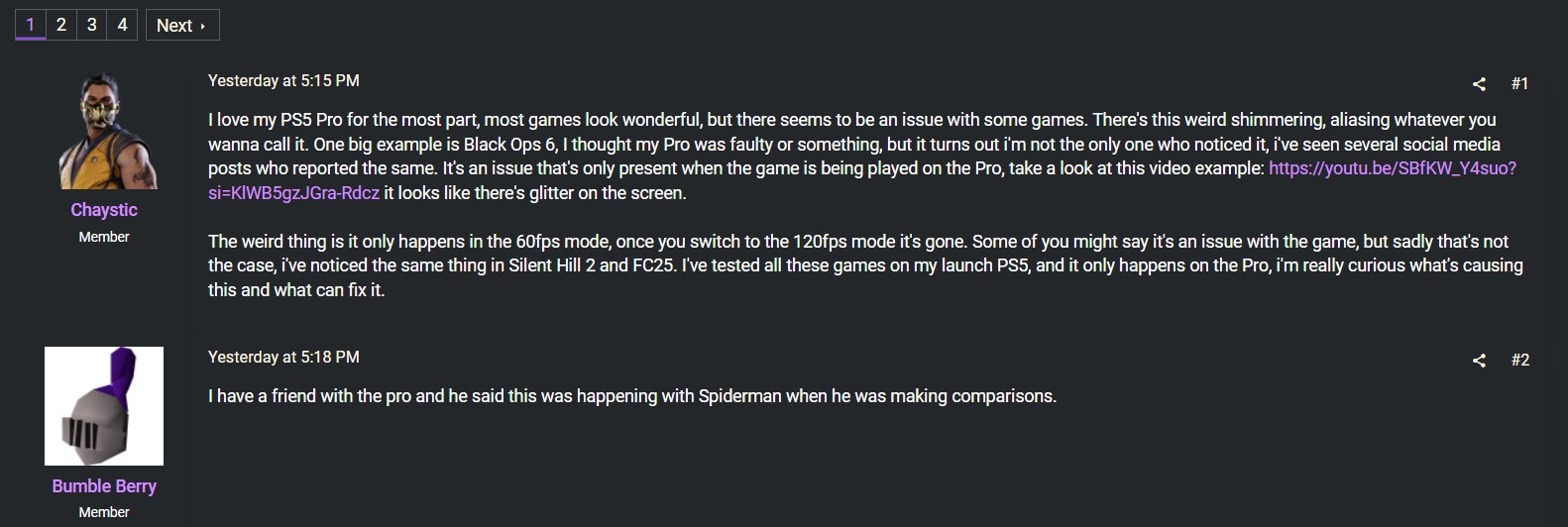
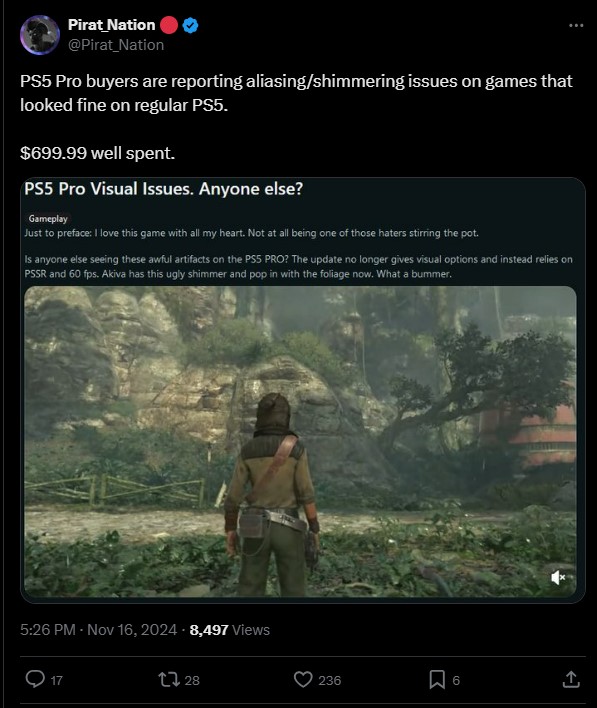
According to many user reports, PlayStation 5 Pro is causing visual glitches in some games at 60 FPS.
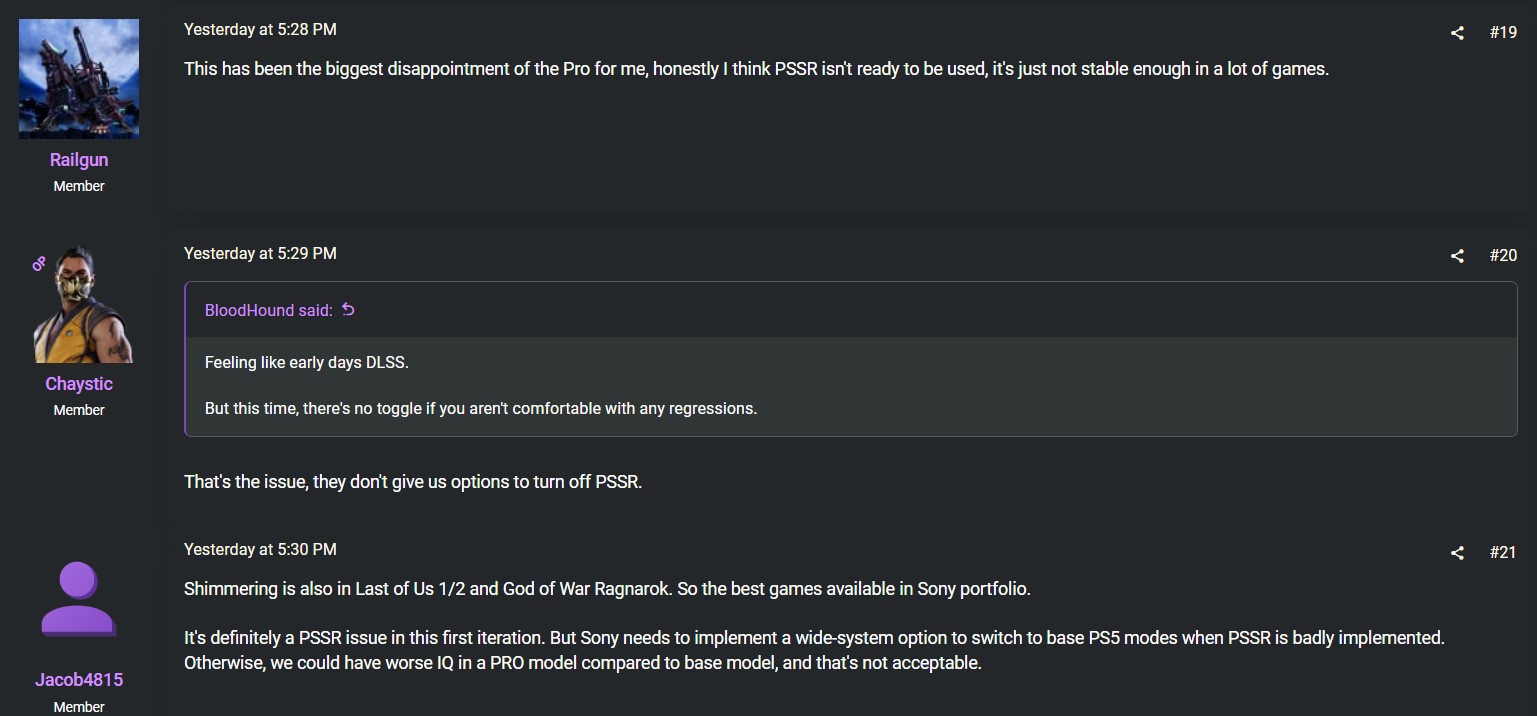
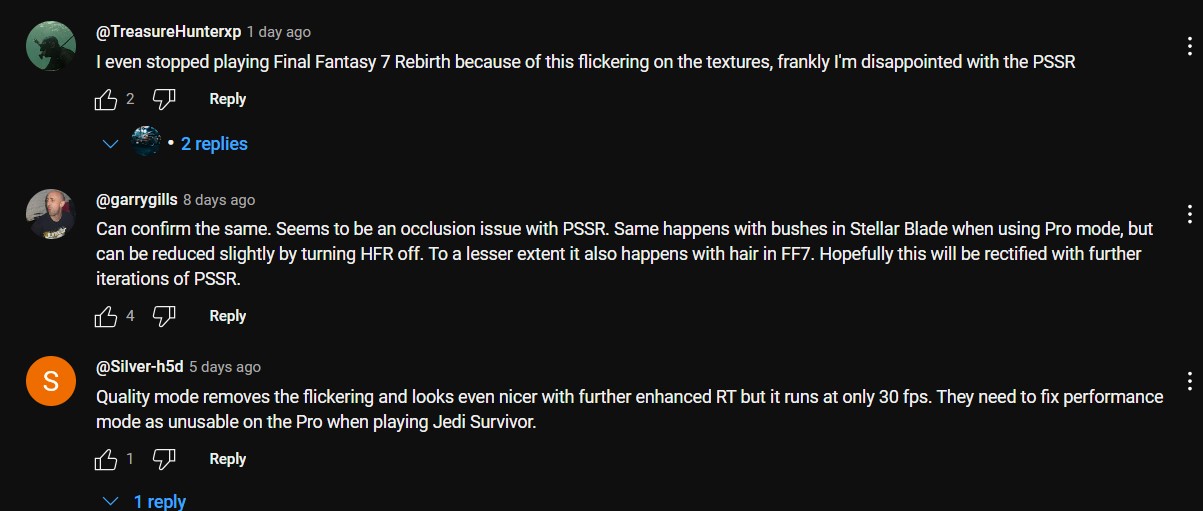
PSSR, the new AI-based upscale, is to blame for the aliasing artifacts introduced in PS5 Pro-enhanced titles.
Users are not experiencing these motion shimmers on 120 FPS and other settings where PSSR is not utilized.
PlayStation 5 Pro has been quite a controversial mid-gen upgrade in console history. Its exorbitant price was criticized, but many could not deny the massive upgrades it brought. Therefore, the new console is considered to be a refresh, which is meant only for a few who are willing to spend a pretty penny. However, some PS5 Pro owners are now experiencing quite an unexpected dilemma.
Many new user reports claim that PlayStation 5 Pro is causing visual glitches in some games at 60 FPS. The community has blamed these motion shimmers on Sony’s new upscaler—PSSR (PlayStation Spectral Super Resolution)—acting up.
Why it matters: PlayStation 5 Pro causes visual glitches to appear in some games at 60 FPS, which is causing a lot of concern among gamers. The aliasing artifacts can make graphics look quite full of shimmers due to PSSR.
Many users have reported that they are having trouble with visuals while playing some games at 60FPS when PSSR is enabled. The upscaling technology seems to be messing with textures and causing some graphical glitches in-game.
However, if you are playing in 120FPS mode or not using PSSR technology, then there isn’t any issue. This proves that Sony’s new technology is the real culprit behind the visual glitches, which isn’t a pretty picture.
1 of 5
Each title is affected by this glitch differently.
Multiple posts are talking about this issue online.
Gamers want Sony to address this dilemma as soon as possible.
These aliasing artifacts don't happen on the base PlayStation 5.
These motion shimmers only happen at 60 FPS.
All in all, it’s worth noting that every user is experiencing these motion shimmers at different levels, with some not having the problem at all. So, it is best to take theseuser accounts with a grain of salt. Sony will also likely improve PSSR in the future with system-wide updates.
Do you think Sony can fully end these motion shimmers currently plaguing some PS5 Pro games At 60 FPS? Let us know your thoughts in the comments below.
At Tech4Gamers, I mainly cover new gaming news, leaks, and rumours. Aside from that, I love to write features about my favourite games while inserting my opinion about their different aspects.
Story Highlight
The Game Awards recently announced that DLCs, expansions, and remasters can be nominated for Game of The Year.
This has caused many concerns among fans, as they think any DLC or remaster should not be nominated in this category.
Fans think that DLCs should have their own category.
A Game of the Year nomination is a pretty big deal and says a lot about a game. While many fans might argue that the award no longer holds much value, it still gives the game recognition.
Recently, The Game Awards announced that DLCs, expansion packs, and remasters are now eligible for Game of the Year nominations. Due to this, fans are furious as they believe a remaster or a DLC should not be among the nominees for the GOTY award.
Why it matters: Fans unanimously agree that a DLC or a remaster shouldn’t be nominated for Game of the Year as this further diminishes the award’s value.
Fans Are Concerned That Elden Ring Will Game of the Year Again This Year
Fans have taken their criticism and frustration to social media, implying that this is a pretty stupid decision from The Game Awards. Fans think the DLCs should be in their own category, which is exactly what should happen.
They aren’t upset about remakes being in the GOTY category, as that’s fine, given that most of them are totally rebuilt from scratch. However, remasters should not belong in the category at all, as it is just straight-up unfair at this point.
Fans Are Furious Over Recent Changes At TGA Policy
Shadow of The Erdtree Is Likely To Win The Award Now
Remasters Don’t Belong In Game of The Year Category
Fans have also expressed concerns that Shadow of the Erdtree will be nominated now and dominate TGA 2024. It wouldn’t be surprising for the DLC to take home the most prestigious award, but it might not be totally fair.
Elden Ring has a massive influence on the industry, so the critics might be slightly biased. The GOTY contenders will be revealed on Monday, so hopefully, we will get to see the most deserving.
What do you think of Geoff Keighley making DLCs, expansions, and remasters eligible for the GOTY nominations? Do you think it is fair to keep them in the same category? Let us know your thoughts in the comments section below, or join the discussion at the official Tech4Gamers forums.