At T4G, my task is to cover the latest news around the gaming globe ASAP and with the utmost precision. I adore all the games and respect all the devs behind the amazing games that we get all year. So, whether it’s a PC or a Console game, I got it all covered.
Story Highlight
Marvel’s Wolverine finally gets a comprehensive gameplay trailer with violent combat.
The title will finally debut on the PS5 exclusively in Fall 2026, but no soild date.
This has been a long time coming since the title was first announced back in 2021.
Marvel’s Wolverine was initially announced back in 2021 at the PlayStation Showcase. Since then, Insomniac has been very quiet about the game. The only time we saw it was through the infamous leaks that happened at the studio.
So, now, after almost 4 years of waiting, Marvel’s Wolverine has finally received a detailed gameplay trailer, and it seems that it was all worth the wait. It is everything you can expect from a Wolverine game, plus a lot more.
Why it matters: Fans have been waiting for Marvel’s Wolverine for the longest time. However, they have been patient because of the unfortunate situation at Insomniac, and they have been treated with the trailer.
When the leaked footage emerged, fans were really disappointed, considering that the game looked quite similar to Marvel’s Spider-Man, but everyone will be glad to see that this isn’t the case at all.
In fact, Marvel’s Wolverine gameplay trailer shows the game’s own true identity. It is every bit as gory and bloody as you would expect from Logan. You brutally kill people, mutilate them, and it seems to capture the character really well.
Marvel’s Wolverine gets its first gameplay trailer after 4 years
We also see multiple locations, including Japan, which is a central location with Wolverine movies and comics. We also see some familiar faces like Mystique and mutant-killing robots called Sentinels. Overall, everything looks impressive.
Insomniac has also revealed that Marvel’s Wolverine will launch in Fall 2026, although no soild release date was confirmed. It aligns with the previous leaks, which claimed a 2026 window. Nonetheless, PlayStation fans will be delighted by this.
What are your thoughts on Marvel’s Wolverine gameplay? Do you think it was worth the wait? Let us know your opinions in the comments or join the discussion at the official Tech4Gamers Forum.
I’ve previously worked for eXputer as a Senior News Writer for several years. Now with Tech4Gamers, I love to devoutly keep up with the latest gaming and entertainment industries. I have a Bachelor’s Degree in Computer Science and years of experience reporting on games and breaking exclusive stories. Besides my passion for gaming journalism, I love spending my leisure time farming away in Stardew Valley. VGC, IGN, GameSpot, Game Rant, TheGamer, GamingBolt, The Verge, NME, Metro, Dot Esports, GameByte, Kotaku Australia, PC Gamer, and more have cited my articles.
Story Highlight
Saros received its first gameplay reveal at State of Play, and it shares striking similarities with Returnal.
The upcoming Housemarque title has an emotional story and introduces new mechanics like power weapon and soltari shield.
However, many aspects feel no different from Returnal, and the game is set to launch in March 2026.
Housemarque had a promising debut in 2021 with Returnal, which managed to capture many fans with its grueling but rewarding gameplay loop. However, the game failed to make a major commercial impact,selling only over a million copies on PlayStation 5, despite its release on Steam.
Sony, however, was impressed with the developer and put Housemarque to work on another major AAA project: Saros. Information about this title has been scarce, but we finally have new gameplay, courtesy of PlayStation’s State of Play, and it looks very familiar.
Why This Matters: Although the Saros gameplay looks breathtaking, some of its aspects, being too reminiscent of Returnal, could be bad news for the upcoming adventure game.
From the few minutes of gameplay showcased at State of Play, Saros appears eerily similar to Returnal, with many of its mechanics, including dodging, closely resembling those of the 2021 title.
Creative director Gregory Louden guided us through the Saros gameplay reveal, which follows our protagonist on the planet Carcosa. The developer unveiled new mechanics, such as the Soltari Shield and the power weapon, that give our main character several attack dimensions.
In addition, the gameplay looks brilliant and is more forgiving than Returnal, giving you a second chance, meaning you can revive after the first death. Louden also emphasizes the emotional weight of the story, with logs also providing necessary context about Carcosa and our character.
Saros will star Rahul Kohli in the titular role.
However, all in all, the speed and overall shooting mechanics are not significantly different from Returnal and appear somewhat similar for a game that is being released five years later and has been in development for the last three years.
Saros is set to launch worldwide on March 20, 2026, and that is when we can finally try out how similar the Housemarque game is to its spiritual predecessor.
At Tech4Gamers, I contribute as a Senior News Reporter, combining my skills and gaming enthusiasm to keep our audience updated on the latest developments.
Story Highlight
Battlefield 6 has received a new trailer at Sony’s latest State of Play.
The latest trailer highlights the campaign and shows off large-scale warfare.
It also puts destruction and cinematic set pieces at the forefront, setting the stage for an exciting story.
Battlefield 6 has had fans excited ever since its first trailer, and the hype has risen even more after the beta. Although fans are quite excited about the game’s multiplayer experience, many are also interested in Dice’s return to a campaign.
Battlefield 6 promises an exciting campaign after the series skipped this component last time, and a new trailer dedicated to the campaign has also been released today.
Why it matters: Battlefield’s campaigns have never been the main highlight, but die-hard fans still look fondly on the stories from entries like Battlefield Bad Company 2.
The official Battlefield 6 campaign trailer focuses on the main story and gameplay elements players can look forward to in Dice’s latest single-player experience.
The nearly two-minute trailer highlights large-scale warfare that fans have come to expect from the series. Additionally, it seems Dice has taken some inspiration from Infinity Ward’s Modern Warfare reboot, adding a few tactical components to the game.
Destruction is shown as a main component of Battlefield 6 yet again in this trailer. Because of the campaign’s scripted nature, Dice will likely flex its muscle with the destruction and visual elements of the game.
As such, fans should look forward to an exciting and action-fueled campaign once the game releases on October 10.
BF6 Looks Better Than Ever
Meanwhile, Battlefield 6’s multiplayer component looks equally exciting. Clearly, there is a lot to be excited about when it comes to the series’ grand return later next month.
At Tech4Gamers, I contribute as a Senior News Reporter, combining my skills and gaming enthusiasm to keep our audience updated on the latest developments.
Story Highlight
Black Ops 7 is straying away from Call of Duty’s trend of frequent over-the-top collaborations and character skins.
Treyach says that the team has already turned down various opportunities as part of this focus.
The game is unlikely to see any major IP collaborations if the studio’s word is anything to go by.
A big part of the feedback includes cutting back on over-the-top skins in Call of Duty this year. In fact, Treyarch has even turned down various brand collaborations already.
Why it matters: Fans were not entirely convinced that Treyarch would stay true to its word on the subject of collaborations. However, it seems the studio is certainly willing to keep its promise.
According to Charlie Intel, Black Ops 7 had various brand collaborations already lined up ahead of its release. Although Treyarch did not specify any IPs or brands, it stated that ‘big, big brand’ collaborations were abandoned.
In the past, the IP has collaborated with the likes of Attack on Titan, Godzilla, The Boys, and more. Needless to say, Black Ops 7 was on track to work with similarly massive franchises.
Treyarch says that this decision was made after many conversations, which were likely inspired directly by fan feedback. All of this was done in the pursuit of authenticity and staying true to Call of Duty’s core themes.
The Beavis And Butthead Collaboration Sparked A Lot of Controversy Recently
This news should also mean that Black Ops 7 will not see crossovers post-release, at least for a while.
Fans have been quite pleased with this information, and many are even attempting to convince Treyarch to implement other big changes. In particular, fans hope to see disbanding lobbies and skill-based matchmaking going away from Call of Duty this year.
What do you think about Treyarch’s decision? Has the team’s direction increased your interest in Black Ops 7 at all? Let’s discuss in the comments and on the Tech4Gamers Forums.
At Tech4Gamers.com, I cover the latest news and rumours in the gaming industry, from new game releases to hidden gems and video game leaks. Furthermore, I occasionally write tech articles about video game consoles, providing insights into the hardware and software that powers our gaming experiences.
Story Highlight
Game testing offers entry-level opportunities in the gaming industry for students.
Quality assurance skills transfer to multiple tech career paths.
Remote testing opportunities offer flexible scheduling that accommodates classes.
Building a portfolio during college creates competitive advantages for graduates.
Back in college, I never imagined that playing and analyzing video games could turn into more than just a late-night pastime. Between classes and side jobs, I accidentally found my way into game testing.
What began as simple curiosity soon turned into paid work, and before I knew it, it became one of the most valuable steps in building my career.
The biggest surprise was how easy it was to get started. I didn’t need advanced coding skills or a high-end gaming setup right away. What really mattered was patience, a sharp eye for details, and the effort to note down anything in a game that didn’t feel right.
That simple routine taught me more than I expected, not just about games, but also about problem-solving, clear communication, and staying organized as a student. The skills you learn from testing games can help you get a career in software development, project management, and user experience.
Getting to Know the Game Testing World
The first time I tested a game for real, I quickly learned it wasn’t just about having fun. Yes, you’re playing, but the main goal is to break the game in every way you can.
I’d spend hours repeating the same moves to trigger a bug, then write detailed notes so the developers could find and fix it.
It might sound boring, and sometimes it was. However, those long hours taught me the importance of paying attention to small details. One wrong line of text or a bug that crashes a level can completely ruin the experience for players.
Learning to spot patterns and explain issues clearly became a skill I could also apply to my studies.
Skills That Stick Beyond Testing
I realized game testing wasn’t only about playing games. My communication classes started to feel useful when I had to write clear, step-by-step bug reports.
Business lessons on project management made more sense once I realized how testing schedules aligned with development deadlines.
I’ll admit, writing detailed bug reports at first felt a lot like tackling college assignments. Back then, I often needed extra help and sometimes turned to a website that does your homework for guidance on research methods.
However, in many ways, testing games also improved my time management. Testing provided me with flexible work that I could do between classes, but it also made me prioritize my tasks.
If I had a bug report and a research paper due at the same time, I had to plan smartly. That balancing act, stressful as it was, helped me prepare for future jobs where deadlines come fast and often.
Getting Started: Your First Chances to Test
Gaming setup (Image by Tech4Gamers).
Beta testing was my starting point. Companies like Riot and Blizzard often offer beta signups, and even though those gigs weren’t paid, they gave me confidence.
Later, I found paid work on sites like PlaytestCloud and UserTesting, where short tasks worked well with my class schedule.
The pay wasn’t huge – around $10 to $50 per session – but as a student, it felt like extra cash. The best part was putting together a small portfolio that helped me apply for bigger roles.
One worry I had in the beginning was hardware. I thought I’d need a monster gaming rig that costs thousands of dollars. The truth is, you can start smaller.
These specs won’t cost a lot of money and will work for most testing needs:
This setup is mid-range, around $700, and it does the job. That’s the thing: testing doesn’t demand the flashiest build right away. Start with what you can afford, prove yourself reliable, and the upgrades can come later.
Important Skills for Game Testing Success
I quickly learned that testing a game isn’t the same for every platform. Mobile games behave differently from PC or console games, so you need to adjust your testing approach accordingly.
If you’re checking cross-platform compatibility, knowing more than one operating system makes it much easier to spot issues.
Keeping track of what you find is just as important as finding the bugs. Even a little knowledge of databases helps organize issues and identify what has been fixed.
Basic tools, such as version control systems like Git, also make working with developers much smoother.
What really sets a pro apart is clear communication. Writing bug reports that anyone can follow, with step-by-step instructions, screenshots, or videos, makes a big difference. I also learned to summarize problems clearly for project managers.
Being able to tell minor cosmetic issues from major game-breaking bugs helps the team focus on what matters most and shows you understand the player’s experience.
Growing Beyond Entry-Level
I quickly realized that testing wasn’t a dead-end side gig. Colleagues I met through projects went on to become QA leads, automation testers, and even user experience researchers.
Some earned salaries well beyond what you’d expect starting out, especially those who specialized in areas like mobile testing, multiplayer network performance, or localization.
For me, the most rewarding part was how testing opened doors. I built connections with developers, learned how software teams actually operate, and gained a glimpse of career paths I hadn’t even considered when I thought “gaming jobs” meant becoming a streamer or content creator.
Balancing Study and Video Game Testing
The hardest part was finding balance. Some nights I stayed up too late chasing bugs and paid for it in class the next day. Over time, though, I learned to treat testing like any other responsibility, not just a fun hobby.
Working remotely helped a lot. Being able to test between classes or during study breaks made it easier to manage both school and work without burning out.
I also learned the importance of saying no. Not every project was worth fitting into my schedule, and knowing my limits kept me from falling behind in my studies. That’s also how I learned to manage my time efficiently.
Future Outlook and Salary Expectations
According to a study from Jarvis College of Computing and Digital Media, the Bureau of Labor Statistics projects 22% growth in software quality assurance roles through 2030. The gaming industry’s expansion drives much of this demand growth.
Entry-level game testers typically earn $15 to $ 20 per hour for contract work. Full-time positions offer $35,000-$ 45,000 annually, plus benefits. Experienced testers with specializations command significantly higher compensation.
Geographic location affects salary ranges substantially. California studios offer higher wages, but they also have increased living costs. Remote work opportunities enable students to secure better-paying positions, regardless of their location.
So, if you’re a student like I was, wondering how to dip your toes into the tech world without years of coding experience, game testing might be your way in. It won’t make you rich overnight, and it’s not as simple as “just playing games,” but it will sharpen skills, open doors, and give you a taste of how the industry really works.
For me, it turned out to be more than just a side hustle. It was the first real bridge between my college life and my career. And if you’re curious enough to give it a shot, it could be yours too.
At T4G, my task is to cover the latest news around the gaming globe ASAP and with the utmost precision. I adore all the games and respect all the devs behind the amazing games that we get all year. So, whether it’s a PC or a Console game, I got it all covered.
Story Highlight
PS5 Pro players are criticising the console for providing bad value for their money.
The console costs around $800, and still doesn’t get the best versions of most games.
Players demand that Sony fix the issues so they get the value out of their spending.
The current console generation is often criticized as the worst value for gamers. It makes sense, too, considering we have seen so many price hikes taking console prices to a new high and pushing them out of the general public’s reach.
This is especially true for the PS5 Pro, which now costs about $800. So, since Sony inflated the prices, the criticisms of the PS5 Pro have risen as players complain about high prices and poor technical support.
Why it matters: When you pay so much for a console, you expect a flawless experience, but the current-gen Pro has some glaring problems like Sony’s in-house PSSR upscaling, which makes most games look and perform worse.
1 of 3
Players have consistently complained about spending so much on a console without getting their money’s worth. Some games truly show the Pro’s potential, but in case of most third-party releases, it has been a letdown.
We have seen that the console is well-capable of amazing stuff with games like Death Stranding 2, however, with most latest releases like Silent Hill f and Metal Gear Solid, it has been a massive disappointment.
Fans are criticising the PS5 Pro for its high price and bad value
Yes, the blame goes to developers for lousy optimization as well, but for a machine that is dedicated to just gaming, this shouldn’t be an issue, and Sony must work with studios to make sure that PS5 Pro players get the best version.
Borderlands 4, as bad as it is on PC, runs even worse on the PS5 Pro, which is yet another instance of players not getting the experience they paid for. Nonetheless, Sony should work closely with studios and make sure these issues are resolved for the future.
What are your thoughts on players criticising the PS5 Pro for its high price and poor technical support? Let us know your opinions in the comments or join the discussion at the official Tech4Gamers Forum.
Currently serving as a News Reporter at Tech4Gamers, I have the privilege of combining my love for gaming with the art of storytelling. My role involves crafting engaging narratives that keep our audience abreast of the latest developments in the gaming world.
Story Highlight
The Borderlands 4 Switch 2 port has been delayed indefinitely, with pre-orders being refunded.
The delay has been made to ensure the best possible experience for fans.
Borderlands 4’s performance is poor across all platforms, raising doubts about whether the Nintendo handheld will be able to handle the game at all.
The Borderlands 4 debacle has been making the gaming headlines even before its release, with cases of the game crashing in promotional videos. Even on a high-end PC featuring the RTX 5080, Borderlands 4 struggles to run on the max presets.
With Gearbox working hard to implement updates that improve the game’s performance, the Switch 2 port has now been delayed. All pre-orders for the game have been canceled and will be refunded starting on September 26th.
Why it matters: Given how Borderlands 4 runs awfully on other platforms, it’s improbable that it would be in a playable condition on the Nintendo handheld. As such, this delay makes sense until Gearbox figures out how to make the game more stable and performance-friendly.
Borderlands 4 For Switch 2 Delayed Until Further Notice
In an official statement on social media, the Borderlands account announced the game’s delay, stating that this setback is intended to ensure the best possible experience for fans.
We do not take this decision lightly, but are committed to ensuring we deliver the best possible experience to our fans, and the game needs additional development and polish time to do that
Currently, there’s no new release date for the game, but it is expected to be delayed by at least a couple of months, given the title’s current condition.
Previously, a showcase for Borderlands 4 on the Switch 2 was quite horrendous at Gamescom. Even in docked mode, the handheld could output a measly 30 FPS and had a notable delay in input.
The Switch 2 isn’t to blame here, with the console managing to run Star Wars Outlaw at a decent resolution with satisfactory visuals. The obvious culprit here is the Unreal Engine 5, with tech experts even claiming that Borderlands 4 is by far the worst use of Epic’s engine.
Despite these issues, the game managed to sell 2 million units within its first week of launch. That said, the budget for Borderlands 4 is reportedly around $400 million, and to break even, Gearbox will need significantly more sales.
I’ve previously worked for eXputer as a Senior News Writer for several years. Now with Tech4Gamers, I love to devoutly keep up with the latest gaming and entertainment industries. I have a Bachelor’s Degree in Computer Science and years of experience reporting on games and breaking exclusive stories. Besides my passion for gaming journalism, I love spending my leisure time farming away in Stardew Valley. VGC, IGN, GameSpot, Game Rant, TheGamer, GamingBolt, The Verge, NME, Metro, Dot Esports, GameByte, Kotaku Australia, PC Gamer, and more have cited my articles.
Story Highlight
Ghost of Yotei art director Joanna Wang revealed in an interview that the game’s open world wouldn’t be possible with the PS4.
The PlayStation 5’s technical capabilities allowed the devs to make the game more alive.
Ghost of Yotei is set to launch on October 2nd, 2025.
This generation of consoles has been under scrutiny regarding their leap from the PS4 and Xbox One. Titles like Death Stranding 2 on the PlayStation 5 have showcased the true power of current-gen consoles, with many confusing the characters and face models for those of real-life people.
Developers have also shared their satisfaction with current-gen consoles, saying that they could last several more years. And now, the team behind Ghost of Yotei is the latest to come out in support of the upgrades PS5 has brought to the fray.
Why it matters: With the next-gen consoles still shrouded in uncertainty, it’s reassuring to see that the PS5 is exceeding technical limits five years on.
These make the world feel more alive and interactive. I think that’s the power of the PS5.
– Joanna Wang
Ghost of Yotei will offer a wealth of content.
In a new interview with Automaton, art director Joanna Wang explained that the Ghost of Yotei would not have been possible without the technical leap from the PlayStation 4. Wang explained that the open world in the sequel is a lot broader than Ghost of Tsushima, and that is only because of the PS5’s prowess.
To realize the vastness of Ghost of Yotei’s map, the developers needed to improve the draw distance while rendering distant views with high fidelity. According to the art director, the PlayStation 5’s ability to load millions of assets made this task easy.
Ghost of Yotei will feature real-time particles, such as snow, ash, and fog, rendered on the screen simultaneously in thousands, a capability not previously possible on the PS4.
Joanna Wang also told Automaton that features like grass rendering, starry skies, and time-of-day transitions have improved significantly, making the open world feel more alive and interactive.
Ghost of Yotei includes a wider open world.
Hence, Ghost of Yotei will be levels above its prequel in terms of the technical aspects of the open world, even if the graphics appear somewhat similar. And, with the PS6 rumored to be an even bigger leap in the next generation, we can only imagine the possibilities.
Lead the comparison and blog writing teams at Tech4Gamers.
Oversee teams with a keen eye for detail and precision.
Ensure hands-on writing, with benchmarks and testing as guiding principles.
Guarantee the delivery of the best possible results in concise yet impactful tech tales.
Story Highlights
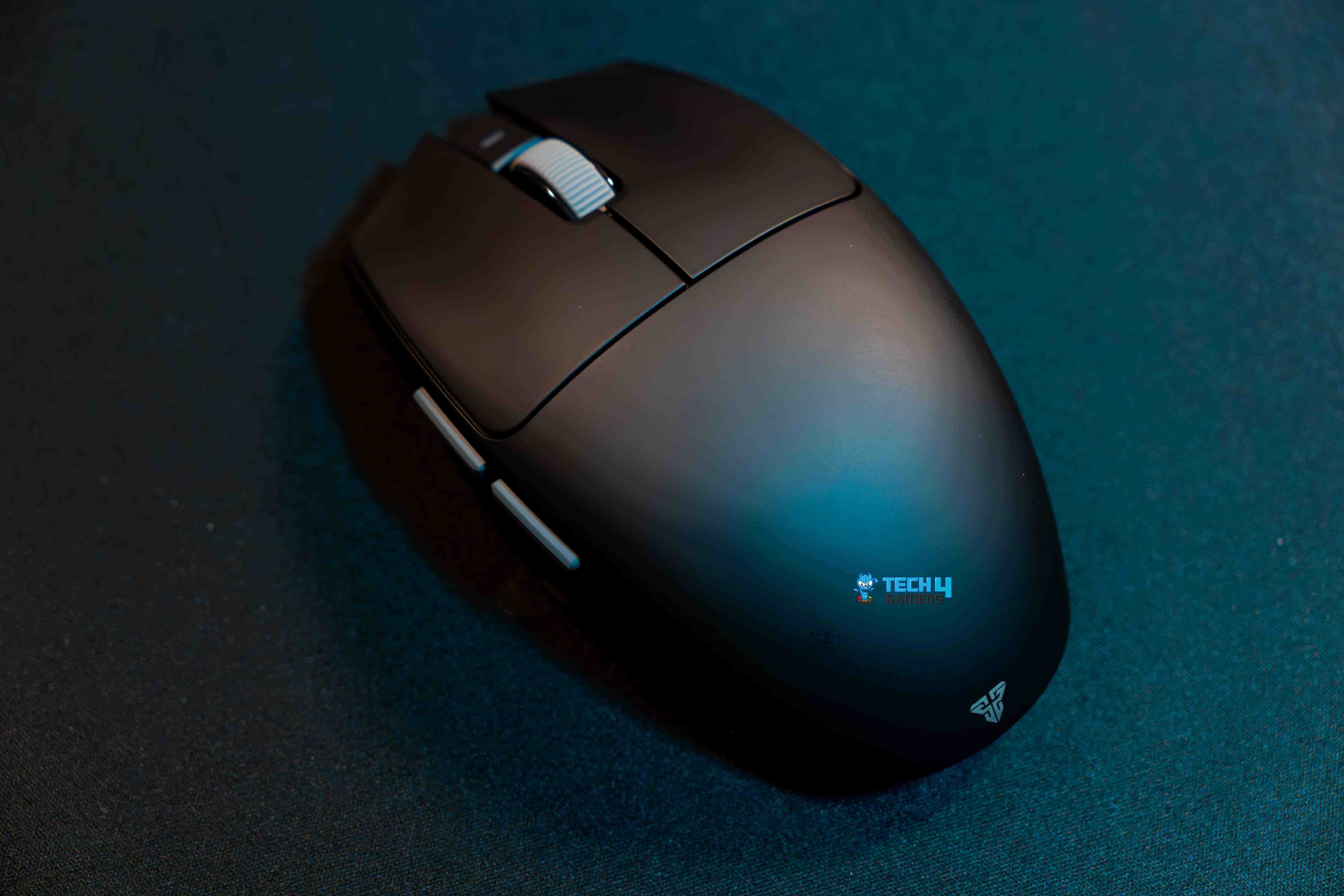
Modern mice now offer low-latency protocols, such as Logitech’s Lightspeed and Razer’s Hyperspeed, to minimise input lag, comparable to that of wired mice.
Battery life has been increased, and now modern mice can last up to 50 hours on a single charge. Moreover, chargeable mousepads made it effortless to charge them.
There’s a rise in budget brands which offer low-latency models under $50, which has allowed budget users to flock to wireless options instead of wired ones.
For the longest time, wired mice have been seen as the holy grail, especially for hardcore gamers and esports players. The love for these mice was so intense that gamers and esports players would scoff at the idea of a wireless mouse.
Wireless Vs Wired Mice (Image By Hardware Cannucks)
The Rise Of Modern Mice
The wired mouse felt like it was ‘competitive ready’ because it had no input lag, and it didn’t need to be charged. But as times have changed and there’s advancement in technology, wireless mice have long killed the wired mouse. Let me explain.
Latency Issue Fixed & Now Used By Pro Players
The biggest issue with the wireless mouse was latency, which the modern wireless mouse has fixed. Today’s flagship wireless mice from major brands like Razer and Logitech have introduced mice with so little input lag that it is practically the same as the wired ones.
To be specific, we’re looking at about a sub-1ms performance from these brands because of the wireless protocols they follow, like Logitech, which uses Lightspeed, and Razer, which uses its Hyperspeed, to minimise this issue altogether.
Even the professional CS2 players are now using a wireless mouse, with the Logitech G Pro X Superlight being used by the majority (318 players), which gives you all the reasons to switch to a wireless one if you aren’t using one already.
Free Movement & Better Precision
Another upside of a wireless mouse is the freedom of movement. While a wired mouse gives you zero input lag, it does tie you down to a wire. This means you’re bound to face cable friction, drag and hassle related to a mouse bungee (if you’re using one).
With a wireless mouse, you’re free from all of those issues, and you can basically glide your mouse freely, granted you have a spacious mousepad. This allows you to make quick flicks, micro-adjustments, and unrestricted tracking.
For low-sens players, a wireless mouse is a treat because you can really feel the absence of a cable, which improves your accuracy over time. And if you go ultra-light below 40g, you’ll feel the drastic difference if you switch from a wired one.
Long Battery Life & Modern Charging Options
Another major issue with the wireless mouse was its poor battery life. Competitive players and even casual users hated to charge their mouse after a long session, but this has also been fixed with the modern mice.
Now modern mice can easily last over 50 hours, and some even go beyond 100 hours on a single charge. Additionally, we have made an advancement in the charging process for your mouse as well.
Now we’ve got charging docks and Qi-compatible charging mousepads that charge your mouse indefinitely while it’s on the pad. In the past, we had to replace the AA batteries in wireless mice… look how far we’ve come.
Budget Wireless Options Replaced Wired Ones
Even budget gamers have decent options for wireless mice now. Back in the days, wireless mice used to be luxury items, which is why many people, who were on a budget, had to flock to wired mice.
However, we are now seeing a rise in affordable brands that are launching excellent, low-latency models under $50. Some of these even offer premium sensors and high ergonomics, comparable to those of high-end brands.
While these may not have the best build quality or all the premium features that come with a high-end mouse, their performance is still leagues ahead of the older wired models that were once offered as budget options.
Verdict
At the end of the day, wired mice are slowly becoming a thing of the past. I’d even go as far as saying that the modern low-latency wireless mice have killed the wired mouse, and each day we see more people getting wireless mice instead of wired ones.
So the question is, are you still using a wired mouse? If yes, then when will you be making the switch…because you now have all the reasons to make the transition. And you’ll thank us after making the switch.
At Tech4Gamers, I contribute as a Senior News Reporter, combining my skills and gaming enthusiasm to keep our audience updated on the latest developments.
Story Highlight
Time Takers is the latest battle royale game, and it promises to shake up the genre in a major way.
Developer Mistil Games has also promised to do everything it can to offer cross-play at release.
The studio’s CEO says that the final decision will be made by different platform providers.
Following massive battle-royale titles like Fortnite and Warzone, NCSoft’s recently revealed Time Takers promises a unique spin on the genre. This free-to-play third-person shooter puts time front and center, making it a core part of the gameplay and themes themselves.
The team at Tech4Gamers recently delved further into the world of Time Takers with developer Mistil Games to discuss these elements and others in detail. During the interview, the developer also confirmed plans to implement cross-play into the title.
Why it matters: Cross-play is so prevalent in multiplayer games today that fans expect it from the beginning. It can also help combat dwindling player counts by combining players from multiple platforms.
According to Mistil Games CEO YongMin Jo, cross-play is a priority for the team.
Although the CEO could not say whether this feature would be included in the game at release, he did say that the team certainly intends to do everything it can to bring cross-play to the third-person shooter.
YongMin Jo explained that cross-play’s availability would depend on the ongoing discussions with the platform providers. However, the team is doing its best to implement this feature due to global player demand.
Time Takers is currently scheduled to launch in 2026, so there is still a lot of time left. Given the fact that cross-play has become an industry standard today, it seems highly likely that Mistil Games will deliver the feature at release.
Time Takers Presents A Unique Twist On The Traditional Battle Royale Formula
During the same interview, the CEO shed light on elements like competitive gameplay, the use of Unreal Engine 5, and more. Needless to say, Time Takers is an ambitious project for the developer and NCsoft.
At Tech4Gamers.com, I cover the latest news and rumours in the gaming industry, from new game releases to hidden gems and video game leaks. Furthermore, I occasionally write tech articles about video game consoles, providing insights into the hardware and software that powers our gaming experiences.
Story Highlight
The main feature of Time Takers is using time as a resource that constantly runs out. Players must actively gather more time to survive, which discourages camping and forces them to take action.
The game is scheduled to launch globally in 2026. The team is focused on quality and will not rush the release for an earlier date.
The developer, Mistil Games, has creative control over the game. The publisher, NCSOFT, offers support with market data and global insights.
We recently caught up with YongMin Jo, the CEO of Mistil Games and the mind behind Time Takers, to chat about their upcoming third-person shooter. Time Takers isn’t your usual run-and-gun game. Here, time itself is the big deal.
Every second matters, and how you use it could decide whether you win or lose. It’s all about mixing quick reflexes with smart strategy, and that twist makes it feel way different from the shooters we’re used to.
During our interview, YongMin shared how the “time as a resource” system works, what it’s like to build a game as a smaller studio, and how NCSOFT is helping to push things forward. We also dug into the team’s inspirations, how they plan to keep the game fresh after launch, and their approach to making free-to-play fair for everyone.
With a global launch set for 2026, Time Takers is shaping up to be one of the more exciting hero-shooters to watch.
According to the CEO, third-person gameplay aligns better with Time Takers’ design than first-person.
Time Takers wants to utilize time as a resource. While that part is clear, how exactly will Time play a role during a match for every player to set it apart from other third-person shooter experiences?
YongMin Jo: Time itself is both your resource and your lifeline. Because your time is constantly ticking down, simply staying in a safe spot won’t work — you have to take risks and venture out to secure Time Energy. Every moment is filled with tension as you’re forced to decide —’Do I move now, or hold out a bit longer?’ Those dramatic reversals — stealing time from an enemy or grabbing a last-second bonus — create a kind of excitement rarely found in third-person shooters. This pressure naturally amplifies teamwork and communication, and even spectators can feel the thrill by instantly seeing the remaining time and the state of the match.
Is time being used as a sort of health system? For example, once the accumulated time depletes during a round, does the player end up dying?
YongMin Jo: In the game, time is the ultimate resource deciding survival or elimination, with health exists separately. When a player’s health is fully depleted, they enter a respawn timer during which their time continues to drain. Because they can’t collect Time Energy while waiting to respawn, this serves as a powerful penalty.
As a result, our game doesn’t knock players out immediately after a single death like typical battle royales do. This mechanic is designed to ease that feeling of sudden loss and keep players engaged.
Did the publisher, NCSOFT, give free rein to Mistil Games, or did they have more of a hands-on approach with Time Takers?
YongMin Jo: NCSOFT deeply agrees with our view that developers know their games best and should be able to shape them according to their own vision. At the same time, as a publishing, NCSOFT continuously provides valuable insights on market conditions and global player needs, helping us maintain a balanced perspective throughout development.
Rather than intervening unilaterally, we work together in a close partnership that complements each other’s strengths. Thanks to this approach, Time Takers is able to preserve its originality while achieving a level of polish that can compete on the global stage.
The team appears confident in a 2026 release window, but can we get a narrower estimate? Can we expect Time Takers to launch in the first quarter or maybe the first half of 2026?
YongMin Jo: Development of Time Takers is on track with our planned milestones. While we remain flexible to adjust details in response to market shifts or changing player expectations, our focus is on ensuring quality rather than accelerating the timeline. Together with NCSOFT, we’re committed to launching only when both sides agree the game meets the highest standards at the most strategic moment.
Even so, a global launch in 2026 is firmly set. We’re eager to bring the game to players and prove its competitiveness, and we’re preparing thoroughly on both the development and publishing fronts to make that happen.
Will the 'fix their past' narrative hook be explored outside of a multiplayer setting for Time Takers characters? Many gamers have wondered about a potential offline or story mode that builds on every character's story or adds PvE elements.
YongMin Jo: For now, players will be able to earn various rewards by accumulating time. As their characters grow, they’ll naturally uncover the world’s story and each character’s narrative within the game itself— through a feature called ‘Memory’— rather than through an external website.
We want players to experience firsthand why these characters have come together and what stories lie behind each of them. Looking ahead, we’re exploring ways to expand and present this content in even more engaging ways.
We are definitely excited for Time Takers like other gamers, but are the developers confident in supporting the title long-term in the competitive and saturated hero-shooter genre? Will it be different enough from other hero shooters to attract and sustain the attention of many players?
YongMin Jo: We are aware that a lot of people expressed concern about this. It’s intimidating for a small studio like us to step into a genre where even big companies have struggled. But, we’re confident that Time Takers isn’t simply copying what’s already out there — it offers its own unique kind of fun.
Above all, we believe that if the game is truly fun, players will naturally love it. That support will let us keep expanding and evolving the game so it can thrive for years to come.
What technical trade-offs did using Unreal Engine 5 introduce for Time Takers?
YongMin Jo: Mistil Games is a small studio, founded about two and a half years ago, and we’ve faced inevitable constraints in capital, scale, and time when it comes to gradually implementing various visual and optimization technologies.
However, by proactively adopting Unreal Engine 5, we’ve been able to overcome many of these limitations and significantly improve our development efficiency. Of course, as with any open engine, there are potential security vulnerabilities, and we’re actively working on measures to minimize them.
Time Takers is Free-to-Play, but with what philosophy? How do you intend to monetize the experience without undermining gameplay integrity or falling into pay-to-win criticism?
YongMin Jo: One of Time Takers’ greatest strengths lies in offering a fresh, rule-driven gameplay. Choosing Free-to-Play model was mainly about making this experience as accessible as possible for players. We have also put a lot of effort into ensuring that our unique time-collecting systems are fun in themselves, ultimately creating a game that delivers a deep sense of accomplishment.
Above all, fairness is our top priority. We believe that the fun and sense of accomplishment players feel should come from skill and strategy, not from how much they spend. That’s why we have excluded Pay-to-Win elements from Time Takers completely. We will not introduce anything that disrupts game balance or allows certain paying players to gain an advantage. Instead, monetization serves purely as a way to enhance the experience. At the core are cosmetic features—character outfits, weapon skins, witty emotes, and in-session decorations—that strengthen a character’s appeal and let players express themselves. Our goal is to go beyond just dressing up, giving everyone a chance to show their individuality and feel more immersed in the world.
The specific details of our business model have not been finalized yet. However, we are committed to carefullyto reflecting global market trends and what players actually want, aiming to create a system that encourages players’ voluntary engagement rather than just generating profit.
What existing games, whether shooters, battle royales, or even outside the genre, did you draw inspiration from while shaping Time Takers' core mechanics and identity?
YongMin Jo: When developing Time Takers, we carefully studied changes in game trends from a broad, player’s perspective to shape our approach. When MMORPGs dominated online gaming, their grand scale and epic narratives were key strengths. But, for players who preferred a more concise experience, games like League of Legends or Dota, which pack excitement into shorter, intense sessions, became mainstream.
Over time, as players grew weary of the constant stress from wins, losses, and community expectations, it led players to seek experiences with lighter stakes. This shift helped Battle Royale emerge as a new trend, where luck plays a significant role and communities can be more positive and casual.
As the Battle Royale trend continued, we paid close attention to the sense of emptiness in the gameplay that started to surface. Evidence of this can be seen in some players returning to AOS games, creating a split in the market.
We wanted to address the emptiness players sometimes feel in Battle Royale, while bringing in the thrill of character fights and AOS games. Recognizing that traditional shooters often emphasize technical skill to a degree that some players find discouraging, we decided to design a fast-paced game that suits modern players, targeting those who want to enjoy shooter gameplay without being limited by physical skill requirements.
Time Takers isn’t just about blending different genres. Rather, we looked at the emotional experiences each genre brings to players and focused on retaining and enhancing only those emotions most relevant and resonate with today’s players.
Regarding AOS elements: Drawing inspiration from AOS games, we designed a progressive character growth system that allows players to succeed not only through the reflex-based skills typical of tactical shooters, but also through a variety of gameplay abilities, such as map navigation or securing advantageous positions.
Did the team experiment with first-person perspective before deciding on third-person? Why did you stick with third-person?
YongMin Jo: We experimented with a first-person view during development, but the fast pace and frequent close-quarters combat in Time Takers significantly caused more motion sickness and fatigue. For this reason, we opted for a third-person perspective, which gives players better visibility and situational awareness, fitting the game’s pace while keeping it comfortable. While third-person can make it easier to spot opponents behind cover, Time Takers constantly depletes players’ time; as such, hiding isn’t a viable strategy. This way, the drawbacks are naturally balanced, and the benefits help define Time Takers’ uniqueness.
Are you planning cross-play and cross-progression at launch, and how important is platform inclusivity for the game's success?
YongMin Jo: We fully recognize the importance of the console market. To offer the best possible experience for a global audience, Time Takers needs to be accessible across platforms. From the early stages of development, we have considered console-specific gameplay elements like UI and key mapping alongside PC.
We’re also planning to support cross-play from launch, though this depends on discussions with various platform providers. While we can’t confirm it yet, we’re doing everything we can to make sure players can enjoy the game as they wish.
Do you see Time Takers evolving into an esports title, or is your priority more on casual play?
YongMin Jo: Our game is designed to demand less reflex skill than traditional tactical shooters. For spectators, though, the variety of strategies and dynamic shifts in gameplay, combined with better situational awareness in short sessions and less motion sickness compared to FPS games, make it fairly e-sports friendly.
Still, e-sports wasn’t our primary goal. Right now, our focus is first on creating a game that players genuinely enjoy. If, along the way, competitive players naturally emerge who wish to compete professionally and the foundation for such a competitive stage is established, that’s when we’ll start thinking seriously about e-sports.
Talking with YongMin Jo showed us that Time Takers isn’t just another hero-shooter. The whole idea of using time as your lifeline sounds intense in the best way, and it’s exciting to see a studio trying something new instead of following the same old formulas.
It feels like the kind of system that could make every match unpredictable, fun to play, and even fun to watch.
What really stood out was Mistil Games’ confidence as a small team. They know it’s tough to step into a space where even big publishers struggle, but they’re putting their focus on originality and fair play.
No pay-to-win tricks, no cheap shortcuts, just a game that succeeds if it’s genuinely fun. That’s a bold move, and it’s exactly the kind of approach more free-to-play shooters should take.
There’s still plenty we don’t know yet, like how cosmetics will work, whether cross-play will be included, and how the “Memory” system will tie into the story. With a 2026 release already on the calendar, we’ll be keeping a close eye on how Mistil Games brings this ambitious idea to life.
Big thanks to YongMin Jo for sharing his time and vision. We’ll definitely be watching as Time Takers gets closer to launch.
At T4G, my task is to cover the latest news around the gaming globe ASAP and with the utmost precision. I adore all the games and respect all the devs behind the amazing games that we get all year. So, whether it’s a PC or a Console game, I got it all covered.
Story Highlight
Sony has announced that the State of Play is set to happen tomorrow on September 24.
The event is expected to feature some major announcements and reveals.
These include Marvel’s Wolverine, Intergalactic, Saros, and even a new God of War.
PlayStation has some great games in the works about which we don’t know much at all. So, naturally, fans have been waiting for a showcase event for a long time, and now, finally, the wait doesn’t have to last any longer.
Sony has officially revealed that the PlayStation State of Play is set to happen tomorrow. There are reports of a bunch of upcoming titles that could even include those from some popular exclusive franchises.
Why it matters: This year’s event has been a long time coming, as fans have been speculating a lot. Also, since the PS5 generation has been kind of underwhelming in terms of games, expectations are high.
Sony has announced a new State of Play for tomorrow
The State of Play is set to happen on September 24, 2025, at 2:00 PM PT/5:00 ET. It’ll be about 35 minutes long and can be streamed on PlayStation’s official YouTube and Twitch. And let’s just say major reveals are expected.
For starters, Marvel’s Wolverine is finally rumored to show up after years of absence. Naughty Dog’s new IP, Intergalactic: The Heretic Prophet, might also get a new trailer. However, the biggest reveal could be God of War.
Marvel’s Wolverine is also expected to show up at the event
The next mainline entry seemingly takes Kratos to Egyptin a new adventure. Moreover, we can also expect new footage for Ghost of Yotei, Housemarque’s Saros, and more, so it’s expected to be an action-packed event.
What are your expectations of the upcoming State of Play? Let us know your opinions in the comments or join the discussion at the official Tech4Gamers Forum.