I’ve previously worked for eXputer as a Senior News Writer for several years. Now with Tech4Gamers, I love to devoutly keep up with the latest gaming and entertainment industries. I have a Bachelor’s Degree in Computer Science and years of experience reporting on games and breaking exclusive stories. Besides my passion for gaming journalism, I love spending my leisure time farming away in Stardew Valley. VGC, IGN, GameSpot, Game Rant, TheGamer, GamingBolt, The Verge, NME, Metro, Dot Esports, GameByte, Kotaku Australia, PC Gamer, and more have cited my articles.
Story Highlight
Console software sales hit a record high in 2025 as global software gross went up 5.3% to $195.6 billion.
The PC gaming market is also continuing to thrive, growing 30% since the pandemic-induced high of 2020.
However, investment in the gaming sector fell by 55% last year, signaling a worrying trend for the industry.
However, the bigger picture is still more positive than negative. According to analyst Matthew Ball, global revenue from video game content sales actually increased in 2025, amassing a whopping $195.6 billion across all platforms.
Why it matters: Despite numerous hurdles, the gaming industry continues to set new records, but the real test for the sector will come in 2026.
Software sales on consoles reached an all-time high in 2025.
According to Ball’s State of Video Gaming report, software sales rose by 5.3% in the global gaming market last year, with console software grossing a record-high of $41.6 billion.
The numbers on the console side even crossed the record revenue generated during the pandemic, surpassing that threshold by 2.3%. However, most of this amount has been spent on services such as PlayStation Plus, Xbox Game Pass, and Nintendo Switch Online.
In reality, raw game sales have taken a hit, down 11% in 2025, underscoring why giants like Xbox are emphasizing subscription services.
On the other hand, PC Gaming is thriving and contributed heavily to the $195 billion total. The PC software market has grown consistently by 30% since the 2020 pandemic, and Chinese players account for a large chunk of this consumer base, making up 20% of global spending.
The PC software sector has increased steadily by 30% since 2020.
Nevertheless, the gaming industry is facing a shortage in investment, as funding from private firms dropped by a whopping 55% last year. Therefore, unless this trend reverses, smaller studios will continue to hang in the balance if their titles aren’t huge hits.
Do you think the gaming industry will feel the brunt of the memory crisis in 2026, or will it continue to coast? Tell us in the comments below or head to the Tech4Gamers forum for discussion.
Currently serving as a News Reporter at Tech4Gamers, I have the privilege of combining my love for gaming with the art of storytelling. My role involves crafting engaging narratives that keep our audience abreast of the latest developments in the gaming world.
Story Highlight
Christopher Judge says that the God of War trilogy remakes will feature a brand-new combat system.
Other than that, he states new technology and additional content for the remakes.
TC Carson is set to return as Kratos’ voice actor for these games.
The long-awaited God of War trilogy remake was just recently officially announced by Sony at the PlayStation State of Play. Currently, these remakes are early in development, but we do know that Kratos’ original voice actor, TC Carson, is set to return.
Other than that, we now have additional information on these remakes. As the newer voice actor for Kratos, Christopher Judge says, the remakes will feature a brand new combat system and new content.
Why it matters: It’ll be exciting to see what Santa Monica has planned for these remakes. A new combat system implies that they’re rebuilding the original God of War games from the ground up, which is exactly what fans deserve.
It’s not a reboot, but they’re gonna put all-new technology in it, add more stuff, a new fighting system, so that would be TC.
Most likely, Christopher Judge disclosed this information too early, before Sony had a chance to do so. This ‘all-new technology’ is likely an updated engine, and the ‘more stuff’ would be additional content, possibly including cut content from the original games.
Regarding the combat system, we don’t expect it to be similar to newer games, as that means a closer camera angle, which wouldn’t work for the older, larger-scale games.
It would certainly be better for Santa Monica to stick with the hack-and-slash combat system and adopt a system something akin to the Devil May Cry games. Whatever the case may be, we will learn soon enough.
What are your thoughts on a new combat system for the God of War trilogy remake? Let us know in the comments below, or at the official Tech4Gamers Forums.
Currently serving as a News Reporter at Tech4Gamers, I have the privilege of combining my love for gaming with the art of storytelling. My role involves crafting engaging narratives that keep our audience abreast of the latest developments in the gaming world.
Story Highlight
Todd Howard says that the upcoming update for Starfield isn’t version 2.0.
He further states that it won’t make you like the game if you never liked it from the start.
The update is expected in the upcoming months alongside a new DLC expansion and a PS5 port.
Bethesda’s first new IP in over 2 decades wasn’t what fans had expected, as Starfield launched to a mixed reception with many fans claiming that the RPG felt incomplete and wasn’t anything like what had been promised to them.
A major update to the game is underway and is expected to address most of these concerns. Still, these changes won’t magically make players like the game who didn’t prefer the original, as Todd Howard puts it in a new interview.
Why it matters: Starfield wasn’t a bad game at its core, just felt unfinished. Still, Todd Howard managing expectations before this update is good since he wouldn’t want fans to be let down twice.
Speaking in the latest episode of the Kinda Funny Games podcast, Todd Howard said that they’re going to start talking about what’s next for Starfield ‘soon enough.’ In addition, he dismissed the rumors of the update being the rumored Starfield 2.0 and stated the following:
It’s updates and things that change the game, not in an isolated way, but sort of meta, using outer space and things in ways that we haven’t.
From what it seems, Bethesda is making the game feel more alive rather than changing core gameplay systems.
But look, is Starfield something that didn’t connect with you right away, or you bounced off it or found it boring in places—I don’t think this is going to change that fundamentally.
Judged by these words, this update won’t be the Cyberpunk 2077 2.0-esque update that fans had expected, but nevertheless, expect Bethesda to come up with a lot of changes and updates to the game that will certainly make it more interesting.
Star Wars Genesis Mod Completely Transforms Starfield Into An Open World Star Wars Game Fans Had Wanted For Years
Aside from that, a PS5 port and a new DLC expansion are also reportedly coming in the same timeframe. Another report hinted at a Switch 2 version, but that seems unlikely as the studio was facing challenges with the port.
Currently serving as a News Reporter at Tech4Gamers, I have the privilege of combining my love for gaming with the art of storytelling. My role involves crafting engaging narratives that keep our audience abreast of the latest developments in the gaming world.
Story Highlight
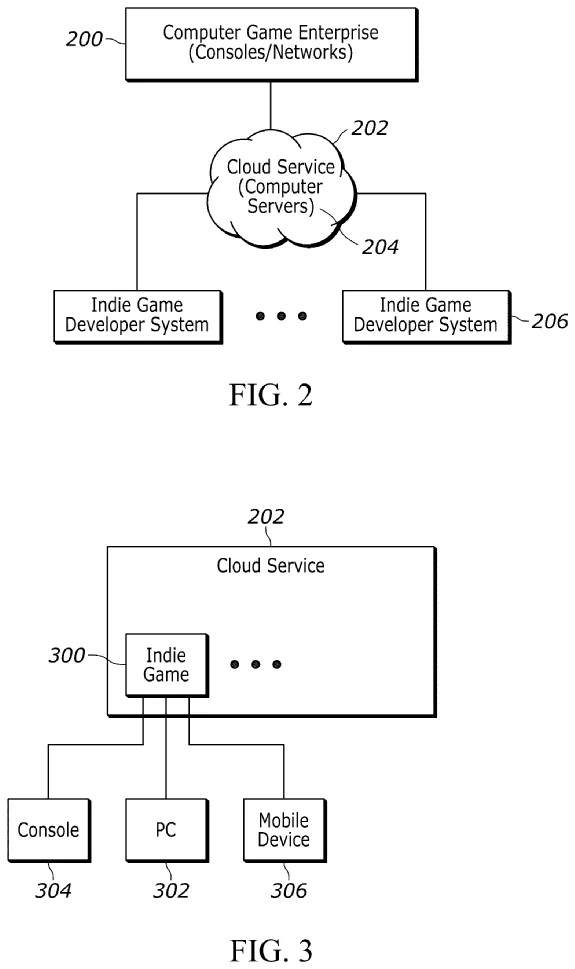
A new Sony patent aims to provide developers with a cloud-based ecosystem that includes all the tools needed for game development.
It will remove the need for local hardware, as the cloud system provides the necessary compute power for development.
By giving developers these platforms, Sony aims to co-develop IPs or secure an exclusivity deal.
While PlayStation is regarded for its first-party catalog of quality AAA releases, the gaming giant has recently been getting into the publishing business, aiming to give smaller developers the platform they’ll need to break through.
In this pursuit, Sony aims to further simplify development for indie titles. One of their filed patents aims to address hurdles indie developers might face when making a game by providing a cloud-based platform with all the tools they need.
Why it matters: Indie and AA game development is the future of the gaming industry, as we’ve learnt in the past few years. If brought to life, this new patent will revolutionize the gaming industry for good by giving developers a platform and the resources they need to build their passion projects.
1 of 2
Porting Games To Other Platforms Will Also Be A Clear Pathway Thanks To This Patent
Sony's Cloud-Based Devkit
This New Patent Will Remove The Need For Local Hardware
Sony's Cloud-Based Devkit
Initially discovered by Clawsome Gamer, this new Sony patent titled ‘Cloud-Based Platform For Real-World Experimentation Driven Game Incubation’ identifies key problems that indie developers face when developing games.
As such, their virtual game studio, which will be an entire ecosystem, will provide an environment for these developers to build their games. Think of it basically as a powerful cloud rig that can be accessed remotely.
Sony will enable developers to test their in-development games on the platform and release a portion of their games, i.e., demos, to get quicker feedback and adjust their releases accordingly.
This platform thus provide a systematic pathway for indie game developers to test and evolve their ideas, with access to a massive community of gamers and a suite of tools to help them create high-quality games
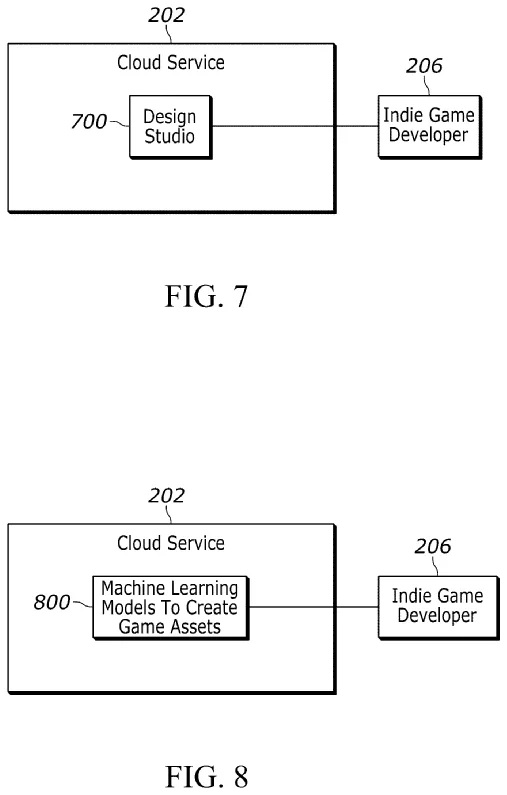
In addition, the devkit will include machine learning tools to simplify asset creation and related tasks, thereby reducing manual workload.
India Hero Project And China Hero Project Showcase The Gaming Giant’s Interest In Giving Smaller Developers More Publicity
This platform not only assists with development but also with marketing. Such an example is developers being able to A/B test different game features or publish promotional content on social media with a single click.
Nevertheless, this platform won’t come without a price. The patent explicitly states that Sony may co-own the IP if it assists in development, or secure exclusivity for PlayStation, as it has done numerous times in the past.
I’ve previously worked for eXputer as a Senior News Writer for several years. Now with Tech4Gamers, I love to devoutly keep up with the latest gaming and entertainment industries. I have a Bachelor’s Degree in Computer Science and years of experience reporting on games and breaking exclusive stories. Besides my passion for gaming journalism, I love spending my leisure time farming away in Stardew Valley. VGC, IGN, GameSpot, Game Rant, TheGamer, GamingBolt, The Verge, NME, Metro, Dot Esports, GameByte, Kotaku Australia, PC Gamer, and more have cited my articles.
To be honest with you right away, it costs more to build a custom PC in 2026 than it did a year ago. More than most people think, and more than the YouTube videos from 2024 will make you think. If you go into a store without knowing the current prices, you’ll feel that gap at the register.
This guide covers everything you need to know about each part, current pricing, and the realistic spend you can expect at each budget level.
Why Custom PC Costs Have Shifted So Dramatically in 2026
Minimalist custom gaming PC.
You need to know what’s really driving prices right now before you break down the parts one by one. This will change how you should build your project.
Since late 2025, AI data centers have been using DRAM and GDDR memory faster than manufacturers can make it. The ripple effect affected every product with memory, starting with gaming PCs. In May 2025, a 32GB DDR5-6000 kit cost about $120. By December 2025, it was selling for $410 or more. Several industry sources say this shortage won’t improve until at least late 2027. The GPU market is also struggling, with supply tightening and prices well above MSRP for many popular cards.
But what happened? The math that used to say “build it yourself and save money” doesn’t always hold up in 2026. Before the shortage, prebuilt system builders locked in the prices of parts. Now, for some mid-range configurations, they offer better value than assembling the same specs yourself.
That being said, building your own PC is still better for customization, upgrade options, and long-term repairability, as long as you do it right.
Most of your money should go to the graphics card. When building a PC, the general rule is to spend about 40–50% of your total budget on the GPU. This rule is more important than ever in 2026. If your GPU is weak, it will slow down your gaming experience faster than any other part. No amount of great RAM or a top-of-the-line CPU will make up for it.
Here’s the real story about how much GPUs cost right now at each level:
Budget (1080p gaming): AMD’s RX 9060 XT 8GB came out at $299 and has stayed close to that price more often than most cards this cycle. If you catch a sale, you can still get it for the same price. The RTX 5060 Ti 8GB has a manufacturer’s suggested retail price (MSRP) of $379, but during some sales, it has gone back to that price. However, street prices are usually $409 or higher. At these prices, you can expect good 1080p performance and decent frame rates in new games.
Mid-range (1440p gaming): The RTX 5070 had a starting price of $549, but in real life, it usually sells for $649 to $700. The AMD RX 9070 has a suggested retail price of $549, but it is currently priced between $580 and $670 depending on the store. The RX 9070 XT has a suggested retail price of $599, but it is currently priced between $700 and $730. If you’re not set on Nvidia’s DLSS ecosystem, AMD’s cards at this level are worth a serious look because they offer great rasterization performance for the price.
High-end (4K / content creation / future-proofing): The RTX 5070 Ti came out at $749, but US retailers have been selling it for between $1,000 and $1,300 as supply has gotten low. If you can find the RTX 5080 for $999, it’s the better buy at the high end. The RTX 5090 came out at $1,999, but you should budget $2,200 to $2,500 to cover what it really costs at most stores.
A recent market analysis shows that global average prices for the RTX 50 series are up about 19% since November 2025. This is a good point of reference. Three months ago, $1,000 could buy you an RTX 5080. Now, it can only buy you an RTX 5070 Ti.
CPUs have mostly stayed out of the worst of the 2026 price drama, unlike GPUs and memory. You don’t need to worry about this category of parts.
The AMD Ryzen 7 9800X3D is the best CPU for gaming right now, and it costs between $449 and $469, which is a great price-to-performance ratio for a gaming CPU. The newer Ryzen 7 9850X3D costs between $499 and $510 and has only small improvements. Unless you’re looking for the very best, the 9800X3D is the better value for most builders.
The Ryzen 5 7600 has been on sale for about $175 to $200 for budget builds. It is still a great six-core option that won’t slow down any GPU in the $500 range. The Ryzen 7 5800X3D is still surprisingly competitive if you already have an older AM4 platform and want to save every dollar you can for the GPU. However, prices for used chips have gone up as more people switch back to DDR4-compatible platforms to avoid the DDR5 premium.
Intel’s Core Ultra Arrow Lake lineup hasn’t done much to improve gaming performance compared to AMD at similar prices, so the Ryzen lineup is the best choice for new gaming builds right now.
You should pay close attention to this part because the numbers here are very different from what you will find in older build guides.
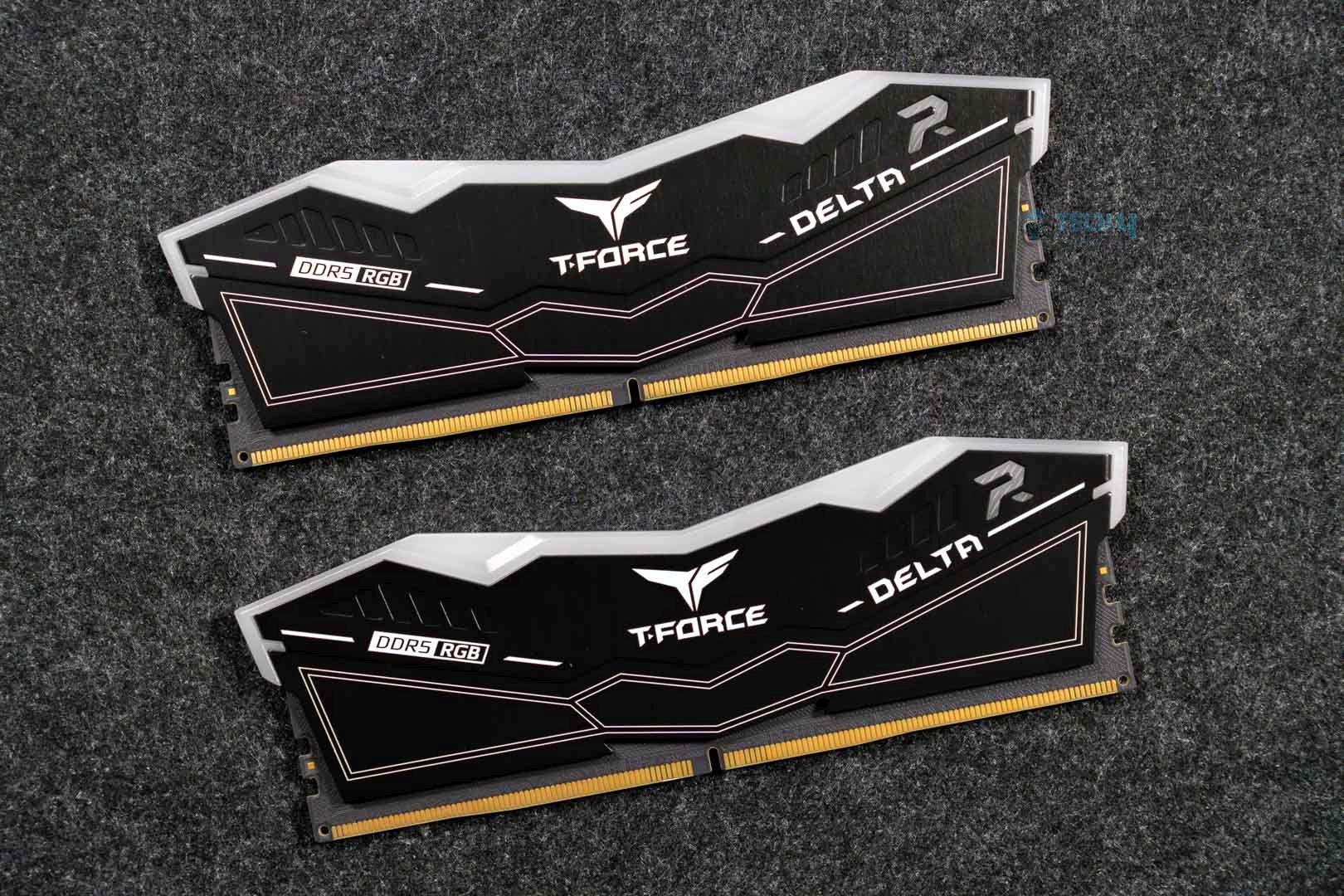
Depending on speed and whether you catch a bundle deal, a 32GB DDR5 kit on Newegg right now costs between $150 and $420. That’s about three times what the same kit cost a year ago. DDR5-6000 kits for AM5 builds usually cost $300 or more on their own. DDR4 has also gone up in price; kits that used to cost $80 to $90 in early 2025 now cost $150 to $200. However, if your platform supports it, DDR4 is still the cheaper option.
If you’re building on AMD AM5 and need DDR5, the best thing to do right now is to buy it as part of a CPU/motherboard/RAM bundle from a store like Newegg. There, you can find 32GB DDR5-6400 kits for as little as $150 when you buy them with a Ryzen 9850X3D. Right now, the savings on bundles compared to buying things separately are really big.
If you’re on a tight budget, looking into older Ryzen 5000 series platforms that work with AM4 and DDR4 can save you $100 to $200 on memory alone. It’s a compromise on how long the platform will last, but in the current climate, it’s a very smart financial move.
Realistic RAM budget by tier:
Budget build (16GB DDR4): $80–$130
Mid-range build (32GB — bundle DDR5 or standalone DDR4): $150–$240
Motherboards didn’t have to deal with the memory shortage drama at all, and they are still one of the most predictable purchases in a new build. Your CPU locks you into a socket, and after that, it’s mostly a matter of price and features.
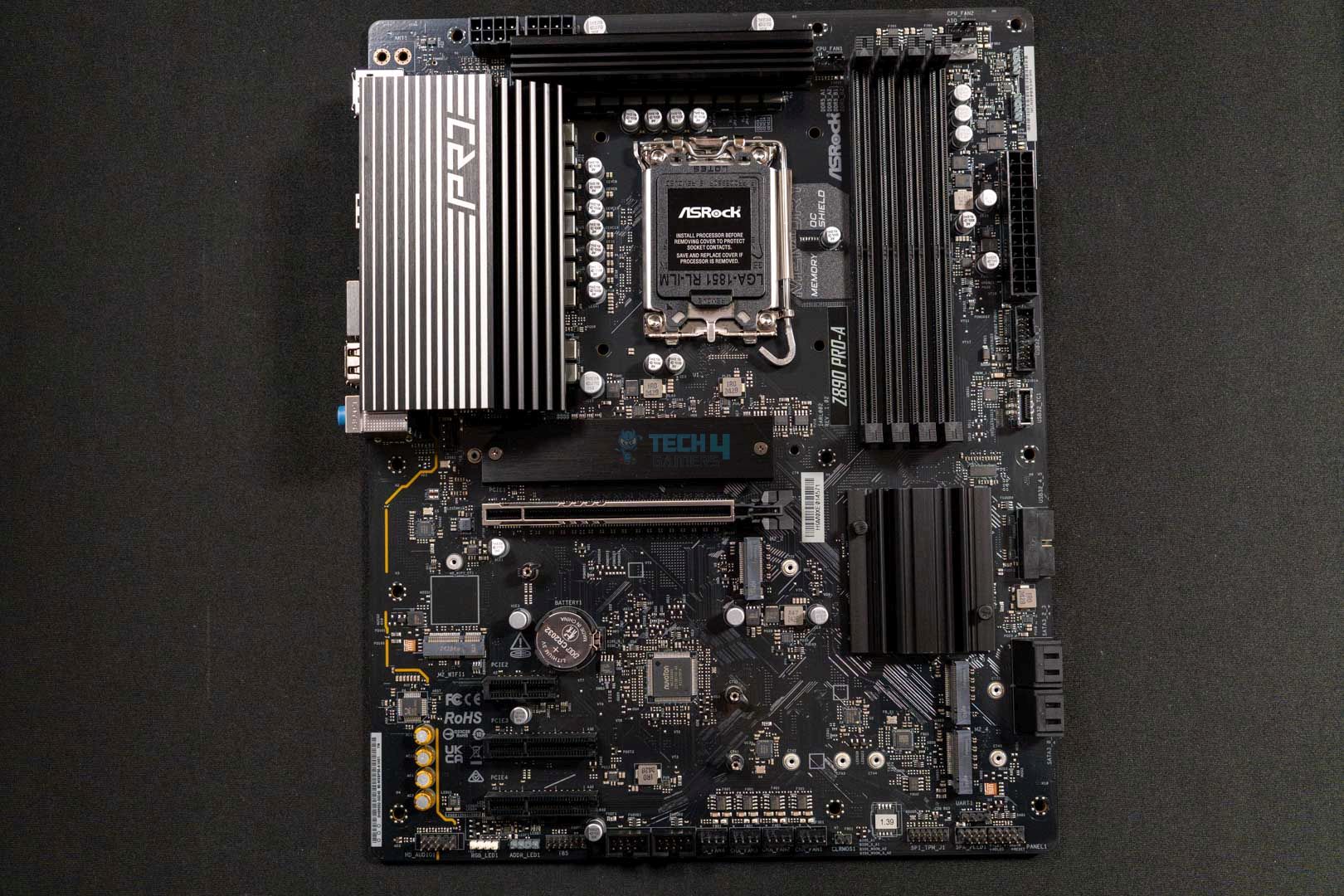
A B650 board for AMD AM5 builds gives most builders everything they need, like PCIe 5.0 support, Wi-Fi 6E on most models, and good VRM quality, all for about $150 to $220. X670E and X870 boards cost between $220 and $400. They offer more overclocking headroom and a better set of features than the 9800X3D or 9850X3D. Z890 boards for Intel LGA1851 builds start at about $200 and quickly go up to very high-end prices.
Don’t give in to the urge to save money here. Your motherboard will decide how you can upgrade, how you can connect to other devices, and how stable your system will be for the rest of its life. It will cost you more in the long run to save $100 on a bottom-tier board that can’t handle your CPU’s power delivery properly.
SSDs are still affected by the NAND shortage, but not as badly as RAM. You can still find good deals if you know what to look for.
The Samsung 990 Pro is still a good choice. The 1TB version costs between $100 and $120 at Newegg on a good day, but when supplies are low, it can cost as much as $200. The WD Black SN850X 2TB is a great deal right now at about $155–$200. It’s the best choice for anyone who needs a single fast drive with a lot of space.
A good 1TB PCIe 4.0 drive from Crucial, Kingston, or a similar brand is still the best entry-level option for budget builds. They are usually still available for $80 to $100. There are PCIe 5.0 drives, but they are too much for gaming at any price. The difference in loading times in the real world compared to PCIe 4.0 is small, and the price difference is big.
Realistic storage budget by tier:
Budget build (1TB PCIe 4.0): $80–$120
Mid-range build (2TB PCIe 4.0): $150–$200
High-end build (2TB WD SN850X or Samsung 990 Pro): $180–$250
The PSU is the part that most new people don’t think about enough, and it’s also the one that can do the most damage to everything else. When a power supply fails, it doesn’t just stop working; it can also take your GPU, CPU, and motherboard with it in a very costly event.
Corsair, Seasonic, be quiet!, EVGA (if you can still find them), and Fractal Design all make reliable units. Always aim for at least 80 Plus Gold certification. It costs a little more, but it runs cooler, lasts longer, and is more efficient.
A 750W Gold unit is the best choice for a mid-range build with an RTX 5070 or RX 9070. If you’re building an RTX 5070 Ti or RX 9070 XT, you need 850W. The RTX 5080 and 5090 need more power, so plan on 1000W to be safe.
Realistic PSU budget by tier:
Budget build (650W, 80 Plus Bronze/Gold): $60–$85
Mid-range build (750W, 80 Plus Gold): $85–$120
High-end build (850–1000W, 80 Plus Gold/Platinum): $120–$170
Cases are one of the few things that aren’t affected at all by the memory shortage, and there are a lot of great ones on the market at good prices. You don’t have to worry about this.
A mid-tower case from NZXT, Fractal Design, Lian Li, or be quiet! costs between $80 and $120 and has good airflow, good cable management, and either tempered glass or a clean matte look. Cases that cost between $40 and $70 work just fine; you just have to give up some quality and finish.
For $150 to $300, you can get a case made of better materials, with more modular setups, better integrated fan setups, and real showcase looks. If looks matter to you, it’s worth it; if they don’t, you can skip it.
Realistic case budget by tier:
Budget build: $40–$70
Mid-range build: $80–$120
High-end build: $120–$280
CPU Cooler
Sudokoo SK620V White CPU Cooler.
Most retail CPU boxes don’t come with a cooler that is good enough for the processor inside anymore. Plan on spending at least $30 to $40 on a good air cooler. Thermalright, DeepCool, and Noctua all have highly rated options in that price range that will work well with mid-range CPUs.
A 240mm or 360mm AIO liquid cooler in the $80–$150 range makes a real difference for high-end processors or anyone who wants less noise and more thermal headroom, especially when gaming or rendering for long periods of time.
Realistic cooler budget by tier:
Budget build: $25–$45
Mid-range build: $45–$75
High-end build: $90–$160
Full Build Totals by Tier
Deck With Gaming Setup (Image By Tech4Gamers)
This is how the numbers add up in February 2026:
Budget Gaming Build: $950 to $1,250 Goal: to play games at 1080p with high settings and get 60–144 frames per second in most new games Core parts: Ryzen 5 7600 (about $180), RTX 5060 Ti 8GB or RX 9060 XT 8GB ($300–$410), 16GB DDR4 RAM ($100), 1TB NVMe SSD ($95), B650 motherboard ($130), 650W Gold PSU ($75), mid-range case ($65), and a good air cooler ($35).
Mid-Range Gaming Build: $1,600 to $2,100 Goal: 1440p at ultra settings and 1080p at high refresh rates Core parts: Ryzen 7 9800X3D ($460), RX 9070 or RTX 5070 ($580–$680), 32GB DDR5 via bundle ($200), 2TB NVMe SSD ($180), B650/X670 motherboard ($190), 850W Gold PSU ($110), mid-tower case ($100), and 240mm AIO ($90)
High-End Gaming Build: $2,800 to $3,800 or more The goal is to have 4K ultra settings, make content, stream, and be ready for the future. The core parts are the Ryzen 7 9850X3D ($510), the RTX 5080 ($999–$1,200), the 32GB DDR5 standalone ($350), the 2TB premium SSD ($200), the X870 motherboard ($280), the 1000W Platinum PSU ($155), the premium case ($160), and the 360mm AIO ($140).
The Costs Most Guides Leave Out
Windows 11 Home costs $139 to buy. Legitimate resellers sell OEM licenses for less. If you’re a student, see if your school offers free or discounted access.
Monitor: It’s easy to forget about until you have to plug everything in. A good 1440p 144Hz monitor costs between $250 and $400. Depending on the size and quality of the panel, a 4K 144Hz panel will cost between $500 and $900.
Peripherals: Like a keyboard, mouse, and headset can cost anywhere from $100 to $500, depending on how picky you are. If you’re starting from scratch, set aside at least $100 for the basics.
Thermal paste: You can usually find it in packs with aftermarket coolers, but a tube of good paste (like Thermal Grizzly Kryonaut or Arctic MX-6) costs $8 to $12 and is worth having anyway.
Extra case fans: Most cases come with only a few fans. If your case doesn’t come with enough airflow hardware, set aside $30 to $60 for extra intake and exhaust fans.
Should You Build or Buy Prebuilt Right Now?
In 2026, the honest answer is that it depends in a way that it really didn’t before.
Before the memory and GPU supply problems got really bad, pre built gaming pc providers signed contracts for parts. At the moment, a machine from ASUS, MSI, or CyberPower that has the same specs as one you build yourself is a better deal, especially if the price difference is most noticeable in the RAM.
In 2026, prebuilt makes more sense than it has in years if you want a machine quickly, at a set price, and with one point of warranty contact.
If you want to be able to control every part of your machine, upgrade individual parts, and have the best performance settings for your use case, as well as the satisfaction of knowing exactly what’s inside your machine, build it yourself, keep an eye on component prices, and buy when you see a good deal.
Right now, both paths are good. The most important thing is to know which one you’re picking and why.
Frequently Asked Questions
How much will it cost to build a gaming PC in 2026? A good gaming build that can handle 1080p costs between $950 and $1,250. A good mid-range build with 1440p costs between $1,600 and $2,100. A high-end 4K setup costs at least $2,800 and goes up from there.
What makes RAM so expensive right now? AI data centers are using more DRAM than ever before, which means less is available for consumer products. Prices for DDR5 have gone up by 300 to 400% since they hit their lowest point in 2024. Many experts in the field think that the shortage will last until at least late 2027.
Should I wait to buy a PC or build one now? Buy now if you need a machine. The lack of supplies is a long-term issue, not just a short-term problem. It’s a risk to wait 12 to 18 months in the hope that prices will go back to normal. If you don’t need the machine right away, it’s better to keep an eye on prices and buy parts when they go on sale.
What part should I spend the most money on? The GPU, every time. There, put 40–50% of your total build budget. It’s the one part that has the biggest impact on how you play games, and no other part can make up for a weak GPU.
Do I need DDR5 for a new computer? If you’re building on AMD AM5 or Intel Core Ultra (LGA1851), both platforms officially support DDR5 and are becoming more and more dependent on it. If you want to avoid the rise in DDR5 prices, building a budget or mid-range PC around an older AM4 platform with DDR4 is a perfectly reasonable choice right now.
Is it hard for someone who has never built a PC before? Not as scary as most people think. PCPartPicker checks for compatibility on its own. YouTube has detailed, step-by-step build guides for almost every possible combination of parts. You can build a PC if you can read and follow instructions with pictures and use a screwdriver.
At T4G, my task is to cover the latest news around the gaming globe ASAP and with the utmost precision. I adore all the games and respect all the devs behind the amazing games that we get all year. So, whether it’s a PC or a Console game, I got it all covered.
Story Highlight
Battlefield 6 had an explosive launch and garnered over 700K CCU at one point.
Since then, the player base has fallen, and the season 2 update hasn’t helped too much.
This could be a worrying sign, and Battlefield 6 was the franchise’s big comeback.
Battlefield 6’s launch was a huge resurgence for the series, as it finally demolished Call of Duty in 2025 to become the mainstream FPS shooter game. Unfortunately, it has lost a huge chunk of its players in just 6 months since launch.
Today marked the release of the game’s season 2, and it was expected to make a huge comeback. However, it hasn’t managed to pull the players back in and currently has only 58K CCU, with a 24-hour peak of 97K.
Why it matters: Hitting around 100K players is normally considered a pretty good number. But considering how Battlefield 6 was averaging over 400K at one point, the decline seems rather steep in comparison.
Battlefield 6 has failed to make a comeback despite the season 2 update
Considering how big Battlefield 6 was with an all-time peak of over 700K players, beating Call of Duty by a massive margin, it has completely lost its way. Season 2 should’ve pushed the players right back in, but it didn’t happen.
Even the game’s recent reviews are mixed. Players have complained about its bad optimization, small maps, and failing to try to do too much. Unfortunately, this season hasn’t resolved the complaints as well.
It has had a steep decline, as it once averaged over 400K players daily
Dice has promised that it is working on bigger maps, so that’s a bit of a saving grace. But for now, the new season has failed to take off, which should be a concerning sign, especially based on the game’s launch numbers.
In comparison, ARC Raiders, which launched in almost the same time frame, is still among the top-sellers on Steam, and is still averaging an impressive over 300K players on Steam consistently.
What are your thoughts on Battlefield 6 failing to make a comeback with the season 2 update? Let us know your opinions in the comments or join the discussion at the official Tech4Gamers Forum.
I’ve previously worked for eXputer as a Senior News Writer for several years. Now with Tech4Gamers, I love to devoutly keep up with the latest gaming and entertainment industries. I have a Bachelor’s Degree in Computer Science and years of experience reporting on games and breaking exclusive stories. Besides my passion for gaming journalism, I love spending my leisure time farming away in Stardew Valley. VGC, IGN, GameSpot, Game Rant, TheGamer, GamingBolt, The Verge, NME, Metro, Dot Esports, GameByte, Kotaku Australia, PC Gamer, and more have cited my articles.
Story Highlight
Cyberpunk 2077’s PC version now runs at playable frame rates and offers good visuals on high-end Android phones.
The game ran at a steady 50 FPS with FSR on the Red Magic 11 Pro via emulation by the GameHub platform.
The temperatures still reached up to 100°C, despite the phone’s internal liquid cooling and fan.
Chip advancements in the last few years have accelerated AAA PC gaming on smartphones. However, no one would have expected that Cyberpunk 2077, a title that barely worked on last-gen consoles in 2020, would now be running smoothly on Android phones.
New testing reveals that Cyberpunk 2077’s PC version now runs at 50 FPS with FSR frame generation enabled on Red Magic 11 Pro. The frame rates remain smooth and steady, without any jarring compromises on visuals.
Why it matters: It’s only a matter of time before most of the world’s most prolific AAA games become playable on high-end smartphones, given the current trajectory of PC emulation and flagship specifications.
This incredible milestone was tested by prolific YouTuber ETA Prime, who ran Cyberpunk 2077 on the Red Magic 11 Pro’s Snapdragon 8 Gen 5 chipset by using the GameHub emulation platform.
Without frame generation, the game achieved 30 to 40 FPS consistently in emulation at low settings using 720p resolution with FSR 2.1 set to balanced mode.
The FPS only dipped into the high 20s in the worst moments, but the performance otherwise remained smooth across testing. There were no recurring frame dips or stutters like one would have expected.
Additionally, CPU usage remained in the 60-80% range, while GPU usage also stayed around a decent 50-60% range. The phone’s 16 GB LPDDR5T RAM also stayed around 80% usage. This shows the Red Magic 11 Pro still had resources to spare while emulating Cyberpunk.
The game’s temperature still tanked at 100°C despite the phone’s internal liquid cooling.
However, all this consistent performance comes with a big drawback: the phone still ended up hitting 100°C despite its reputable internal liquid cooling and active fan. This high temperature can be blamed on the Snapdragon 8 Gen 5 chipset.
Do you think AAA PC gaming will become more viable in the next few years on flagship smartphones, or is the alternative just not worth the hassle compared to other platforms? Let us know your thoughts in the comments below, or join the discussion on the Tech4Gamers forum.
Currently serving as a News Reporter at Tech4Gamers, I have the privilege of combining my love for gaming with the art of storytelling. My role involves crafting engaging narratives that keep our audience abreast of the latest developments in the gaming world.
Story Highlight
Highguard’s website has been offline for nearly a day.
Following the game’s flop launch, studio Wildlife Entertainment laid off most of its staff.
With a struggling playerbase of just over a thousand players, the game is expected to go offline for good.
Update: One of the developers behind the game has confirmed that the website issue doesn’t affect the game’s future and is related to administrative changes. Further speaking, the developer said they’re “focus on delivering updates and content to improve.”
The original story follows…
Highguard has been making the headlines since its reveal at The Game Awards 2025, all for the wrong reason. The generic hero shooter title fell flat with audiences, and despite a strong start, the game dropped hard, losing 99% of its player base in just around 3 weeks after launch.
Following such a colossal failure, studio Wildlife Entertainment laid off most of its staff. Now, Highguard’s official website is also down, leading many to believe that the game is about to be shut down.
Why it matters: Developers are failing to innovate in their newer releases, and, as an Ori developer says, artistically, games have become stagnant, offering nothing new.
The Site Shows The Following Message When Opened || Website Link
The description for the Highguard website says ‘Site Unavailable,’ and unfortunately, it has been like this for almost a day. The game is likely to be taken offline as it doesn’t make sense for a small studio like Wildlife Entertainment to continue supporting a nearly dead game.
Moreover, the developer who previously blamed journalists and gamers for Highguard’s failures has also deleted his social media account.
The developers behind the game were so oblivious to what they had to offer that they even went so far as to say they had made something that can’t be found anywhere else. Moreover, the studio head also said that player count doesn’t matter when Highguard lost 90% of its playerbase.
Recently, it was also revealed that Tencent was secretly funding the title’s development. It’s likely that the company has pulled its funds from Highguard, leading to these layoffs and the speculated imminent shutdown.
Anyhow, Highguard’s website is unlikely to come back online anytime soon, and a recovering playerbase seems even more impossible.
Did you get a chance to play Highguard? If yes, then what were your thoughts on the game? Share with us in the comments below, or at the official Tech4Gamers Forums.
At T4G, my task is to cover the latest news around the gaming globe ASAP and with the utmost precision. I adore all the games and respect all the devs behind the amazing games that we get all year. So, whether it’s a PC or a Console game, I got it all covered.
Story Highlight
The Witcher ended on a cutscene that sets up the events of The Witcher 2.
The original writer says it wasn’t supposed to end like that, as they wanted an open ending.
He wants CDPR to rewrite the ending with the upcoming The Witcher Remake.
The original Witcher was overall a brilliant game that is often overlooked and was pivotal as it brought Andrzej Sapkowski’s fictional world to video games. However, the game’s lead writer has an issue with the title.
The original writer says that The Witcher Remake should rewrite the game’s ending. The title ends with a CG ending, which sets up the events of The Witcher 2; however, it wasn’t supposed to end like that.
Why it matters: CDPR announced that The Witcher Remake is currently in development. Since the game is around 20 years old at this point, it flew under the radar of many and could now be reintroduced to a whole new generation.
While playing the epilogue of The Witcher, the game’s original story designer, Artur Ganszyniec, commented on how the game’s ending was supposed to go down. It was supposed to be open-ended, but “The Board” wanted it otherwise.
While we were finishing the game, the Board decided, or Michał Kiciński decided that we needed an animated outro of the game.
Instead of the cutscene, there was supposed to be an animatic that showed Geralt leaving for pastures with a folk-like narration; however, instead, the cutscene set up the Witcher 2 and its political plot.
The original Witcher was supposed to have a very different ending
Ganszyniec says none of the writers were informed, and the ending was just slapped on. He hopes that changes The Witcher Remake as the too high focus on politics didn’t leave room to explore Geralt in the sequel.
Logically, setting up events of the sequel does make more sense, but an open ending would’ve allowed Geralt to be explored more. Nonetheless, Ganszyniec says he hopes the Remake is actually a really good game.
What are your thoughts on The Witcher’s original ending? Let us know your opinions in the comments or join the discussion at the official Tech4Gamers Forum.
Currently serving as a News Reporter at Tech4Gamers, I have the privilege of combining my love for gaming with the art of storytelling. My role involves crafting engaging narratives that keep our audience abreast of the latest developments in the gaming world.
Story Highlight
The next God of War game is reportedly set in Greece.
Kratos is expected to wield a scythe in the game.
The God of War trilogy remake is expected to bridge the gap heading into the new entry.
Aside from remaking the original God of War trilogy, Santa Monica is also working on a brand-new mainline entry.
The next God of War game is reportedly headed to Greece, returning to the series’ roots. Moreover, Kratos is also expected to wield a scythe in the game.
Why it matters: The God of War Greek saga ended more than a decade ago, and fans have been divided over the Norse saga. They’ll be excited to see the series return to its roots now that Kratos’ character has completely evolved.
On Insider Gaming’s weekly podcast, Tom Henderson briefly talked about the next mainline God of War game. He dismissed the earlier rumors of the next game taking place in Egypt and stated the following:
There are a lot of rumors about Egyptian mythology, but I have a feeling we’ll go back to Greek. Maybe that’s why they’re remaking the original trilogy.
This lines up well with Santa Monica’s decision to remake the first 3 games. The studio seemingly wants to introduce the newer fans to Kratos’ original story. As such, the remakes could bridge the gap leading up to the new release.
Further in the podcast, he said that he expects Kratos to wield a new weapon in the next mainline entry.
Someone’s also told me about that there is like a scythe in the game as well as the weapon i talked about previously.
Previously, the insider also mentioned Kratos wielding an Egyptian Sword, so this could be him reaffirming his earlier claims. How the Egyptian sword will be connected to Greece is unknown.
Kratos Made Peace With His Older Self In The Valhalla DLC For God of War Ragnarok
At the end of God of War Ragnarok, Kratos was titled the God of Hope, a far cry from what he used to be. After purging the Greek realm of the Olympus gods, it’ll be exciting to see what journey brings the Son of Sparta back home.
Currently, the God of War trilogy remake is in early development, so expect this next mainline game to take some time and possibly be even released in the next generation.
At Tech4Gamers, I contribute as a Senior News Reporter, combining my skills and gaming enthusiasm to keep our audience updated on the latest developments.
Story Highlight
Digital media is spreading all across entertainment, and games are no different.
The convenience of digital games, exacerbated by factors like game sharing, ease of access, and more, makes them quite appealing.
At the same time, physical games have lost much of the excitement that made them special years ago.
As much as it is quickly going out of fashion, I much prefer buying my games in a physical format. The fact that many worldwide are now gravitating more towards digital games is, quite honestly, a bit frustrating since physical games may not be around for much longer.
With all that said, however, I will admit that it’s simply impossible to ignore the upsides of digital games. For all their drawbacks with preservation and licenses, digital games are simply convenient, and this gives them a huge advantage over the physical format.
Why it matters: Digital media is a lot newer in the context of games, but it has rapidly taken over the market in a way nobody saw coming.
E-Money Just Works
PSN Cards Are Used By Millions of Gamers
One thing that is particularly appealing about digital games is just how convenient using PSN, Steam, Xbox, etc., typically is, especially when relying on prepaid cards for these platforms.
Accounts on these platforms can also be quickly topped up using platforms like Refilled, which focus on safety and privacy while offering practically everything people look for in an e-money platform.
Purchases are made simple when relying on an option such as Refilled, since delivery is instant, and completing transactions does not even require an account. It’s also important to note that codes and wallet top-ups are guaranteed to come from reliable sources, so safety concerns are hardly a problem.
When choosing the right platform, taking care of these factors is important, and this is where a service like Refilled truly excels.
Convenience Is Even More Important Today
Perhaps convenience wasn’t as big a priority during past generations of games. However, lives have become a lot busier today.
Between work, school, social activities, and more, people simply might not be able to fit a visit to their local game stores in their busy schedules today. Moreover, because of the current landscape around physical games, various stores have been shut down, making it harder for those in smaller cities to conveniently buy physical copies.
It’s also important to note that the general culture of games has likely pushed more people toward digital purchases today. Subscriptions are all the rage, and the data shows that people love their value proposition.
Similarly, many appreciate the ability to share digital games. However you look at it, the format just offers too many benefits for the average person.
Physical Games Have Lost The Excitement Factor
Physical Games Were A Lot More Exciting 15 Years Ago
I personally still like unboxing and collecting physical games, but let’s be honest, they have lost a lot of what made them special over the years.
The quirky manuals with unique art and extra goodies like posters are no longer a thing in most physical copies. In fact, many titles today don’t even include the full game on disc and require a 100GB+ download anyway.
Let’s not forget the fact that the entire culture of midnight game launches is practically non-existent today.
All of this means that physical copies are a lot less appealing today than they used to be. Ultimately, digital games look more and more appealing with each passing year, and this makes me quite sad as a fan of physical copies.
I’ve previously worked for eXputer as a Senior News Writer for several years. Now with Tech4Gamers, I love to devoutly keep up with the latest gaming and entertainment industries. I have a Bachelor’s Degree in Computer Science and years of experience reporting on games and breaking exclusive stories. Besides my passion for gaming journalism, I love spending my leisure time farming away in Stardew Valley. VGC, IGN, GameSpot, Game Rant, TheGamer, GamingBolt, The Verge, NME, Metro, Dot Esports, GameByte, Kotaku Australia, PC Gamer, and more have cited my articles.
Story Highlight
The Rog Xbox Ally X has been hit with a $200 price hike in Japan.
The faster of the two handheld models now retails for ¥169,800 ($1106), compared to its original cost of ¥139,800 ($911).
On the other hand, the Rog Xbox Ally, which has slower RAM, has stayed the same in value.
Thanks to the surge in memory prices caused by the AI boom, purchasing gaming components has become akin to buying gold. Consoles have been no strangers to this problem, with giants like Sony now contemplating a delay to their next-generation models due to the current market conditions.
Even though gaming consoles haven’t seen a massive surge in cost so far, the effects of the memory crisis are starting to show, with consoles like the Steam Deck going out of stock. As it turns out, the Rog Xbox Ally X, another handheld on the market, is also feeling the impact and has increased $200 in price in Japan.
Why It Matters: A handheld like the Rog Xbox Ally X seeing such a massive surge in cost could be a worrying sign for the future, and may lead to a similar increase in console prices.
On the official Asus website in Japan, the Rog Xbox Ally X is now retailing for ¥169,800 ($1106), a whopping $200 hike in price compared to its launch value of ¥139,800 ($911). Interestingly, the Rog Xbox Ally hasn’t budged at all, staying at its original retail cost of ¥89,800 ($585).
Asus hasn’t given any official reason for this price hike, but one can only assume it’s due to the rising costs of memory. The Xbox Ally X handheld contains a 24GB LPDDR5X-8000 RAM compared to the 16GB LPDDR5-6400 RAM that the more primitive model offers.
Hence, when you add the 1TB storage of the Xbox Ally X to the mix, it’s unsurprising that the handheld has been hit with a massive increase in price.
The Rog Xbox Ally hasn’t shifted in price.
No cost surges have been announced for other regions as of now, but with the memory crisis not looking any better, the new cost could translate into other countries.
Do you think this increase in cost is fair, or is the $200 hike a bit too much for consumers? Tell us in the comments below or head to the Tech4Gamers forum for discussion.