
Home Blog Page 41

Sons of Sparta: PS5’s Biggest Shock Yet

Story Highlights
  • God of War: Sons of Sparta signals a strategic shift of PlayStation toward high-quality AA spin-offs.
  • The game explores the untold Spartan training of Kratos and Deimos, which took place in ancient Greece.
  • The Pit of Agonies mode brings the first major multiplayer co-op experience to the series.
  • The game will act as a direct narrative bridge to the upcoming God of War Trilogy Remake

The shadow-drop for God of War: Sons of Sparta on February 12, 2026, during PlayStation’s State of Play was far more than just a surprise for gamers. It represented a strategic move for one of the most famous franchises in gaming history.

The game being developed by the retro specialists at Mega Cat Studios in collaboration with Monica Studios has quickly become one of the most discussed and structurally important releases of the year.

A Return to Greece

The narrative journey back to Greek mythology provides an added layer of depth, something that has been missing since the series moved north. After spending years navigating the frozen realms of Midgard, Sons of Sparta brings the series back to the harsh sunny landscape of ancient Greece.

Instead of playing as the older, weary Kratos, players play as his teenage version alongside his brother Deimos during their extreme training at Agoge.  

God of War
God of War: Sons of Sparta – Image Credits (hot.game)

This narrative setting fills a major narrative void by showcasing the bond of brotherhood and the uncompromising Spartan way of life before the tragedy that led to the original trilogy. Using T.C. Carson to voice adult Kratos adds a sense of nostalgia to the game that resonates with long-term fans.

The Metroidvania Experiment and AA Innovation

The release serves as a bold experiment for Sony and a change in its approach to major AAA titles. By stepping away from the traditional AAA action-adventure formula, PlayStation is checking the viability of smaller AA releases to keep franchises active between major releases. 

The game features a complex interconnected world within Laconia and a combat system that revolves around classic Spartan weapons, specifically the spear and shield. Perhaps the most interesting feature introduced by Sons of Sparta may be the Pit of Agonies.

This mode allows local two-player co-op, making gameplay more fun and memorable, and marks a significant deviation from the franchise’s history, showcasing how Sony may handle multiplayer in the future.

Acting as Vanguard for the Trilogy’s Remake

Beyond its own place in the franchise, God of War: Sons of Sparta acts as a vital narrative bridge to the highly rumored and anticipated God of War trilogy remake.

The game provides players with a lens into the early life traumas of Kratos. The game effectively re-canonizes the emotional weight of his war against Olympus and why Kratos rebelled against the gods. 

Sons of Sparta
Sons of Sparta Illustration – Image Credits (hot.games)

The dialogue and lore entries discovered throughout Agoge provide direct foreshadowing to the events of the original 2005 title. This helps ensure that players are fully caught up with the story and are aware of the stakes before the high-budget trilogy remakes hit the market.

This tactical “narrative bridge” move allows the developers to modernize the story’s tone without losing that high-octane aggression that defined the series.

Expanding the Gameplay

While the story is the main attraction, the introduction of the Pit of Agonies represents a massive milestone for the franchise’s mechanical evolution. For the first time, the series has implemented a co-op experience that feels integral rather than just an add-on.

Plays can experiment with different playstyles, such as using Demios’s agility to set up enemies for Kratos’ heavy attacks.

Sons of Sparta
Pit of Agonies Multiplayer Co-op – Image Credits (Pinterest)

This mode doesn’t just offer replayability. It serves as experimental grounds for how PlayStation might integrate social and cooperative experiences into its otherwise traditionally solitary cinematic gaming experience. If this mode were to succeed in the long term, it would indicate that Kratos’s road in future titles may not be solitary anymore.

Final Thoughts

The decision to shadow-drop Sons of Sparta was a calculated move by Sony to cut through the noise of an already crowded 2026 release calendar. The mention of this game at PlayStation’s State of Play showed that the God of War franchise is powerful enough to sell units on reputation alone. This release has shifted the conversation from “when is the next game” to “what will the series do next”.

Ultimately, God of War: Sons of Sparta may be one of the most important PlayStation releases of 2026 as it may very well redefine what “companion games” can be. It’s not just a simple branch-off to generate revenue or a simple mobile port.

The game serves as a meticulously crafted extension of one of gaming’s most infamous franchises. As players sharpen their spears for the return of the trilogy, they can grasp a better understanding of the man Kratos once was.

Why Old Games Outearn New Blockbusters

Story Highlights
  • Gamers trust old titles more than they trust modern AAA titles.
  • Many gamers spend more on old games to revisit that sweet sense of nostalgia.
  • Established game communities drive long-term spending more efficiently than new titles.
  • Proven gameplay loops tend to keep players hooked and generally perform better than new, flashy games.

Most modern games thrive on scale and spectacle. The bigger and flashier the game, the bigger its audience. The budgets of these games are often more than Hollywood productions, marketing campaigns take years, and every new release promises stunning photorealistic visuals and vast open worlds. Despite all the flair and hype surrounding these titles, most gamers still spend more on decade-old games.

This may seem as counterintuitive. Modern games clearly offer more value through advancements in graphics, AI systems, and cinematic storytelling. This, however, does not mean that players will be engaged in the long-term. Players may come and admire the hard work of the developers, but this admiration of the art of modern game development doesn’t help generate a sustained income.

The Trust Factor

The actual advantage of old games lies in player trust. Games that have survived for more than 20 to 30 years have already passed the most difficult test, that being relevance over time. For example, Counter-Strike has maintained its competitive gaming ecosystem for more than two decades and is still thriving.

People spend a lot on cosmetic skins not just because they are cool and a flex, but because the gameplay foundation is stable and proven. When players spend money in Counter-Strike, they know that their investment will be relevant as the game will exist next year and many years after as well.

Counter Strike 2 Gameplay
Counter Strike 2 Gameplay – Image Credits (Pinterest)

Similarly, Diablo 2 had a dedicated fanbase for years, even before its remastered version was made. The loot-driven progression and trading culture of the game created a lasting engagement that modern games try to replicate but fail to.

Meanwhile, World of Warcraft continues to justify its subscription-based model decades after its launch. The longer a game can keep its fans intact, the better it becomes; longevity itself becomes the ultimate value proposition.

Game Community

Older games accumulate more players and more history. In most old games, players’ accounts often represent hundreds of hours of in-game progress. Players make friends, form in-game economies that stabilize over time, and also set personal milestones in virtual worlds. Spending money in such games does not feel like purchasing temporary content; it feels like leaving behind a digital legacy.

Diablo 2
Diablo 2 Gameplay – Image Credits (Pinterest)

New titles cannot hope to replicate the degree of permanence that old titles have with them. Old games feel timeless, and communities take years to establish and mature.

It’s not something that just spawns into existence; it’s the game’s fruit of passing the test of time, thus to gamers it carries immense sentimental value. Modern games may be attractive, but this doesn’t mean players will be engaged in the long term. 

Stability Over Launch Hype

Blockbuster games depend heavily on explosive launch day sales. Marketing campaigns and trailers create massive hype, but the problem is that they can die out instantly if the game is released with bugs or incomplete features.

Many new titles face the same issue, and it’s not always easy to fix issues after launch. As a result of this day one, player retention starts to dwindle, and the hype dies out.

Star Wars Outlaws
Star Wars Outlaws Generated Much Hype but Flopped – Image Credits (Steam)

In contrast, these older games have already proved their stability over time. The operations have remained steady, servers have been reliable, and periodic updates have made gameplay enjoyable and fresh.

The developers of these games have proved their long-term commitment to the cause. In-game spending on such games doesn’t give the impression of gambling on a promise; it’s more like supporting a reliable service.

Gameplay Depth

Technical advancements in games offer diminishing emotional returns. Granted that new game graphics may be stunning and very immersive, but they rarely redefine the sense of achievement and engagement that old games did.

The thing that constantly drives player spending isn’t graphical quality or advanced in-game features its simply mechanical precision and a satisfying gameplay loop.

World of Warcraft
World of Warcraft – Image Credits (Pinterest)

Older titles often center around clear objectives, skill-based progression, and refined systems that have been polished over the years. Their charm lies in their clarity rather than their complexity.

Modern blockbuster games often incorporate multiple currencies, seasonal models, and battle passes, which tend to dilute player focus. Players may admire technical ambition but feel happier spending on games that feel rewarding at their core.

Final Thoughts

In the end, the spending habits of gamers are less about nostalgia and more about practicality. Players are more attracted to ecosystems that value their time, have stable ecosystems, and are durable. A 30-year-old game that still evolves carefully and maintains its competitiveness may seem like a safer financial commitment than a new blockbuster game promising a ten-year run.

DRAM Prices Expected To Double In March – Impacting AI, Laptop and PC Market

Story Highlight
  • Memory costs are expected to nearly double in the first quarter of 2026, marking one of the most intense market increases ever recorded.
  • Significant price jumps between 88% and 100% will affect desktop RAM (DDR4/DDR5) as well as mobile and laptop memory.
  • Manufacturers are running out of stock quickly, forcing them to pay more to secure hardware even with existing supply contracts.

DRAM memory prices have entered another extraordinary surge, considered one of the most aggressive upcycles in recent history. According to the analysis by TrendForce, this is not just a routine market fluctuation but a phenomenon that will completely reshape the cost of memory for AI, PCs, and laptops in Q1 2026.

The analysis from TrendForce demonstrates that with the forecasts for this first quarter of 2026, the contractual prices of conventional DRAM have been rising upward from previous estimates of +55% to +60% to a range of +90% to +95% quarter-on-quarter compared to the fourth quarter of 2025, implying that the cost of memory has nearly doubled in just three months.

Dell memory DRAM price increase

According to the analysis, PC DRAM (DDR4 and DDR5) prices might rise by more than 100% quarter-on-quarter in the first quarter of 2026, marking the largest jump in the memory market’s recent history. Just as China was starting to recover and Europe was getting its breath, the blow struck.

This pricing pressure not only affects the standard desktop modules but also the LPDDR4X and LPDDR5X memory for laptops and mobile devices, which is likely to face supply contract increases of 88% to 93%, demonstrating that laptops are similarly vulnerable to the upward trend in memory costs.

DRAM Q1 2026 Price Increase by 100%

This significant increase in DRAM pricing comes at a time when even OEMs with key supply agreements have seen their inventories rapidly depleted and are experiencing rising costs.

The limited supply of basic memory modules has prompted manufacturers to change their purchasing strategy and anticipate higher prices, which directly impact the manufacturing costs of PCs and laptops. Just last week, we covered HP’s statements, which stated that memory now accounts for a third of the budget for any modern PC, a whopping 33%, which the typical user cannot afford.

The effects of these increases are obvious for device manufacturers, who would suffer reduced margins if they do not pass on some of the DRAM price increase to consumers. In short, DRAM memory prices are on track to nearly double or even exceed this by March 2026. This is, as we all know, due to high AI demand and limited availability for clients, which affects both AI application memory and memory used in PCs and laptops.

FromSoft’s Issues With Bluepoint’s Demon’s Souls Remake Reportedly Barred a Bloodborne Remake

Story Highlight
  • FromSoft allegedly didn’t like Bluepoint Games’ work on the Demon’s Souls remake.
  • No new is Bloodborne game is expected until things cool down between PlayStation and FromSoft, says insider.
  • Previously, Miyazaki said that he would love a new Bloodborne entry but not until his schedule frees.

For years, fans have been demanding a Bloodborne remake, and one almost happened until it didn’t. Bluepoint Games had pitched a Bloodborne remake before their closure, and Sony accepted the pitch, but FromSoft barred it from happening.

Now, the reason behind FromSoft’s rejection has been revealed. It seems that the Souls genre creator didn’t like Bluepoint Games’ work with the Demon’s Souls remake, which is why a Bloodborne remake never happened under the now closed studio.

Why it matters: The prospect of a new Bloodborne release seems more unlikely with each passing day with so many obstacles internally between Sony and FromSoft.

bloodborne remake
Why A Bloodborne Remake Never Happened || X

Jeff Grub gave insight on the Bloodborne situation. Even though PlayStation holds the rights to the Bloodborne IP, FromSoft is a close partner with PlayStation and they wouldn’t want to further strain their relation.

That said, the insider did mention that things are heated between the both companies and nothing new from Bloodborne is expected until things cool down.

bloodborne remake
More Insight Into The Situation || X

Regarding the relationship, Jeff wasn’t too optimistic about the situation and did mention the prospect of a new Bloodborne entry never happening. That said, Miyazaki wants to do something new with the IP but that won’t happen until his schedule is free.

As to why FromSoft didn’t like the Demon’s Souls remake, the real reason is unknown. FromSoft were the original developers behind the 2009 game and the 2020 remake didn’t bring significant changes; the core mechanics mostly stayed the same.

Anyhow, Bluepoint Games has now shutdown and it seems that the cancellation of the God of War GaaS game had already decided their future. None of their pitches got accepted later one whether if it was a Bloodborne remake, Ghost of Tsushima spin-off, or an updated version of 2016’s Shadow of the Colossus.

What are your thoughts on this story? Let us know in the comments below, or at the official Tech4Gamers Forums.

Steam OS vs. Windows: Which Wins for Handheld Gaming?

Story Highlights
  • Steam OS delivers a console-like handheld experience by removing desktop complexity and prioritizing instant gaming access.
  • Software optimization allows Steam OS handhelds to attain much higher performance than Windows handhelds on nearly identical hardware.
  • Steam OS handhelds come with better power efficiency, allowing for prolonged gaming sessions.
  • Windows handhelds deliver better compatibility but sacrifice performance due to background processes.

The handheld PC market is at an important crossroad. On one hand, we have Windows handheld devices such as the ASUS ROG Ally X that focus on raw power and desktop compatibility. On the other hand, we have Steam OS powered devices that focus on delivering something different. Steam handhelds are built in such a way that the OS blends in the background, leaving only the game and peak immersion. The numbers on either side make it clear which approach gamers prefer.

Where SteamOS Outperforms

Steam OS was particularly designed for handheld gaming. SteamOS was especially designed for handheld gaming. Boot a Steam Deck, or SteamOS powered Legion Go, and you are immediately in your game library without any desktop, start menu, or antivirus notifications. It is the difference between picking up a Nintendo Switch and booting up a laptop. This focus on simplicity delivers real-world results.

Valves Steam Deck
Valve’s Steam Deck -Image Credits (Laptop Mag)

When testers compared the same hardware running different operating systems, the performance gap was massive. The Lenovo Legion Go S ran games 69% faster on SteamOS than with Windows. SteamOS averaged 39 frames per second while Windows averaged 23 fps. This is a huge performance gap achieved just through software without spending anything extra on better hardware.

The ROG Ally X tells a similar story. Running SteamOS delivers up to 32 percent higher performance, more stable temperatures, and quicker resume from sleep. SteamOS simply uses some of the CPU cycles that Windows consumes for background services to optimize every watt for gaming.

Battery Life: Real World Difference

Specs alone don’t capture the experience of an everyday user. Battery life is also a big priority for gamers, especially for long gaming sessions. In this aspect, the Steam Deck consistently delivers three to six hours of gameplay. The ROG Ally X, on the other hand, maintains about two to four hours of battery under similar gameplay conditions.

Asus Rog Ally
Asus Rog Ally – Image Credits (Pinterest)

The Steam Deck’s 50-watt-hour battery, working side-by-side with SteamOS, gives users the maximum playtime from available power. In contrast, the ROG Ally X packs a larger 80-watt-hour battery, but because of the inefficient and bloated Windows operating system, it loses the test when compared to the Steam Deck despite having superior hardware capacity. 

The Compromises of Windows Handhelds

Windows handhelds do offer unmatched capabilities. An ASUS ROG Ally X running
Windows 11 Home gives users the ability to access Game Pass, the Epic Games Store, and other third-party launchers without workarounds. Players who enjoy anti-cheat multiplayer titles or modding rely on Windows tools, and for said players, Windows remains the safer choice.

This compatibility and versatility do come at a cost. Background processes, driver updates, and Windows itself running in the background take up valuable CPU cycles. The resources that could be used for powering games are allocated to managing a full PC environment on a small screen controlled by thumbs on an operating system designed for keyboard and mouse, awkwardly repurposed for handheld, creating usability problems.

Steam-Deck
Gaming on Steam Deck – Image Credits (Retro Dodo)

Microsoft has responded to the usability problem with the Xbox Full Screen Experience on devices like the ROG Ally X, but it only hides Windows running in the background, and though a meaningful change, it does not address the underlying inefficiencies, serving only as a shell on top of Windows rather than a ground-up redesign.

VRAM and Futureproofing

One major concern for Windows handhelds is their VRAM configuration, with devices typically being manufactured with 8GB or 16GB of video memory. Most 2026 titles can be played just fine on 1080p on this hardware, but there is little room for future usability. As games continue to be more resource-intensive, the limitations of low VRAM become apparent.

Steam Deck Asus ROG Ally Nintendo Switch
Steam Deck vs Asus ROG Ally – Image Credits (Pinterest)

SteamOS doesn’t solve hardware limitations, but because of its lighter footprint, more VRAM remains available for textures and game assets, and users can enjoy a larger proportion of the hardware being directed towards running the games smoothly. On the software level, Proton, Valve’s compatibility layer translating Windows graphics and ray tracing calls to Linux commands, also continues to see improvement, with it currently being able to run 87% of the games available on Steam smoothly with ray tracing and in general a higher visual fidelity.

Final Thoughts

SteamOS is not winning because it’s technically superior to Windows, but because of its efficiency and respect for the constraints of handheld gaming: limited battery capacity, thumb controls, and the philosophy that handheld gaming devices should prioritize gaming above all else.

Windows handhelds do offer more versatility and desktop flexibility by being, for lack of a better term, more bloated as a platform. SteamOS delivers what Windows cannot, an experience where the technology fades away, leaving the user only with the game.

Assassin’s Creed Hexe Could Feature The Return Of Ezio, Release Planned For Holiday 2027 Says Insider

Story Highlight
  • Assassin’s Creed Hexe originally planned to feature the return of Ezio, and that could still be the case, according to Tom Henderson.
  • The game is currently expected to launch in the holiday period of 2027 and is going through a combat rework.
  • Due to its different premise, most of the Ubisoft Montreal workforce wants to develop the project.

Thanks to Tencent’s investment in Ubisoft, the Assassin’s Creed franchise has gone through a massive shake-up recently, and the IP’s next mainline entry, Assassin’s Creed Hexe, is feeling the brunt of the situation.

The upcoming title has just lost its director, with the team behind Black Flag taking over the reins. Now, according to insider Tom Henderson, Assassin’s Creed Hexe is going through a combat rework and could feature the unlikely return of a fan-favorite character.

Why It Matters: Ezio is one of the main reasons why Assassin’s Creed became this popular in the first place, so the character’s return to the mainline series could give a much-needed push in sales to the franchise.

While speaking on the Insider Gaming podcast, Tom Henderson revealed that it was originally planned for Ezio to return in Assassin’s Creed Hexe, and that could still be the case. As per the leaker, Ezio was supposed to enter the game at the halfway mark and teach the protagonist the way of an assassin.

Ezio was planned to come in halfway into the game and teach her the ways of the assassin.”

However, the leaker isn’t sure if this plot element will remain under the new creative team. Henderson also disclosed other information about the game, including that it is currently lined up for release in the 2027 holiday window at the earliest, but could be delayed.

Furthermore, despite the outgoings in Assassin’s Creed Hexe’s creative team, Ubisoft isn’t worried about the project, and as revealed earlier, most developers at Ubisoft Montreal want to work on the title because of its different premise. 

Assassin's Creed Hexe Fan Art
Assassin’s Creed Hexe is currently planned to launch in the 2027 holiday window.

Tom Henderson also stated that the combat system of Assassin’s Creed Hexe is being completely reworked, and contortionists have been hired for motion capture to recreate acrobatic moves. 

Assassin’s Creed Hexe is going to be the first title in the franchise under Vantage Studios and will be the debut of witches in the IP, taking it in a different direction.

Are you excited for Assassin’s Creed Hexe? Tell us in the comments below or head to the Tech4Gamers forum for discussion.

Midrange GPUs in 2026: Why the “Safe Bet” Isn’t So Safe Anymore

Story Highlights
  • Midrange GPUs in 2026 are aging faster due to feature segmentation, not weak performance.
  • New AI and frame generation features increasingly scale by architecture generation.
  • Faster SKU refresh cycles are shrinking the perceived lifespan of midrange cards.
  • The traditional four-year “safe midrange” strategy no longer feels guaranteed.

In the past, buying a midrange GPU felt safe. You paid $400 to $600, skipped the flagship tax, and walked away with a card that would hold up for years. In 2026, that safety net feels thinner. Not because the silicon is weaker, but because the market around it moves faster than ever.

Midrange GPUs today are not bad products. In many games, they are excellent. They deliver strong 1440p performance and handle modern titles comfortably. But they also reveal a broader shift in 2026. The lifespan of the midrange tier itself is shrinking.

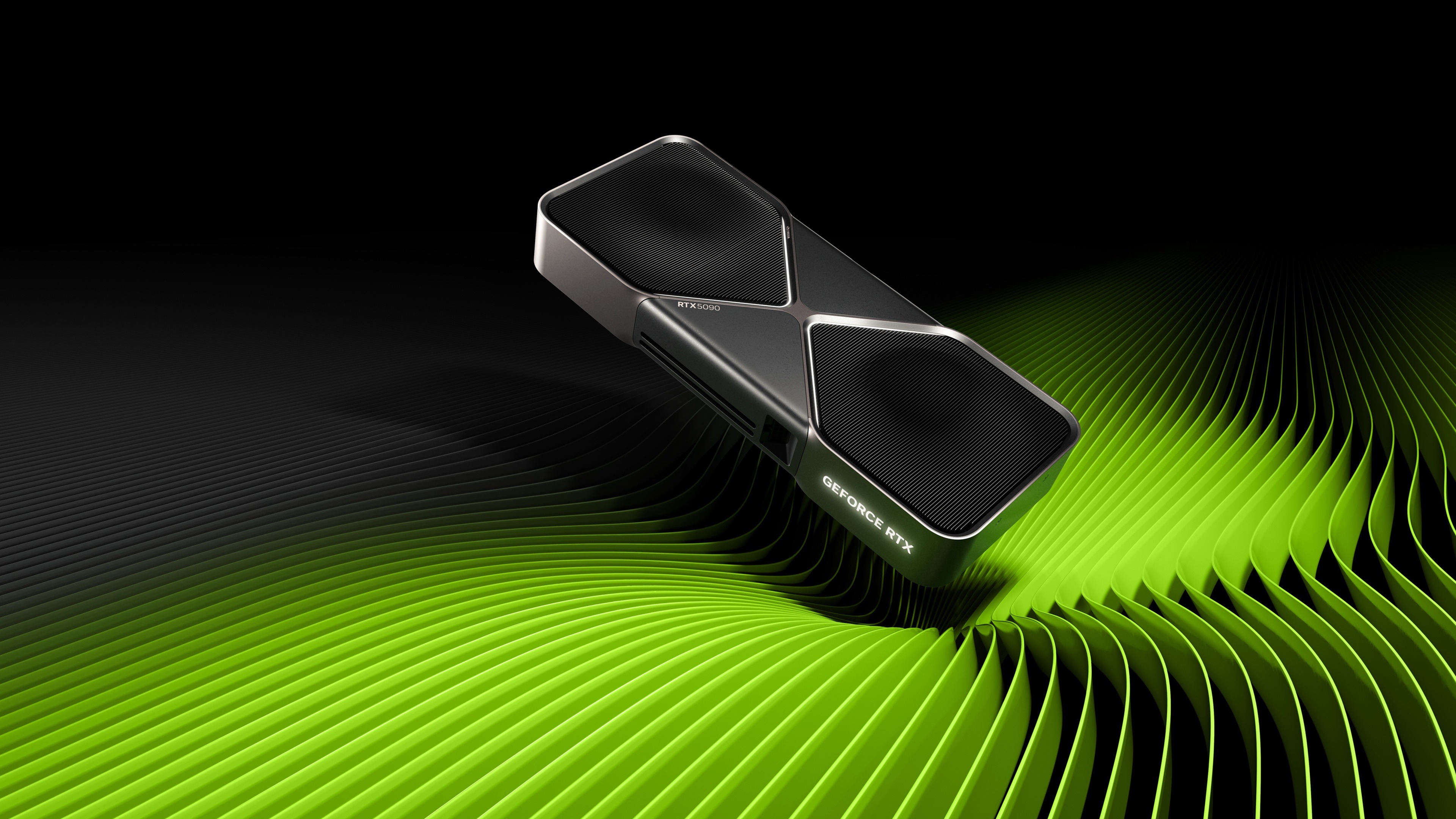
What Happened: The RTX 50 Series Compressed the Stack

RTX 50 Series
RTX 50 Series – Image Credits (NVIDIA)

NVIDIA began rolling out RTX 50-series GPUs in late 2025 / early 2026, tightening the performance gap between midrange and last-generation high-end cards. Early coverage from January 2026 noted that the new stack blurred traditional price tiers, with upper-midrange cards approaching prior flagship raster performance levels.

At the same time, CES 2026 became a showcase for DLSS 4.5x and next-generation AI features. NVIDIA emphasized frame generation and AI-assisted rendering improvements that scale by architecture generation, not just by performance tier. In other words, a newer GPU at the same price can unlock features an older one simply cannot.

Today’s midrange cards sit squarely in that tension. On paper, they offer strong raster performance. In real-world gaming, they often feel more than capable. But they exist in a market where new features increasingly define value more than frame rates alone.

Retail behavior adds another layer. Through January and February 2026, system integrators and board partners pivoted quickly to refreshed SKUs and new configurations. PC Gamer’s early 2026 commentary on the GPU market highlighted how fast pricing shifts and new releases are reshaping buyer expectations. Cards barely six to nine months old are already competing with “Super” or refreshed variants. Shelf life is shrinking.

Why It Matters: Feature-Limited, Not Performance-Limited

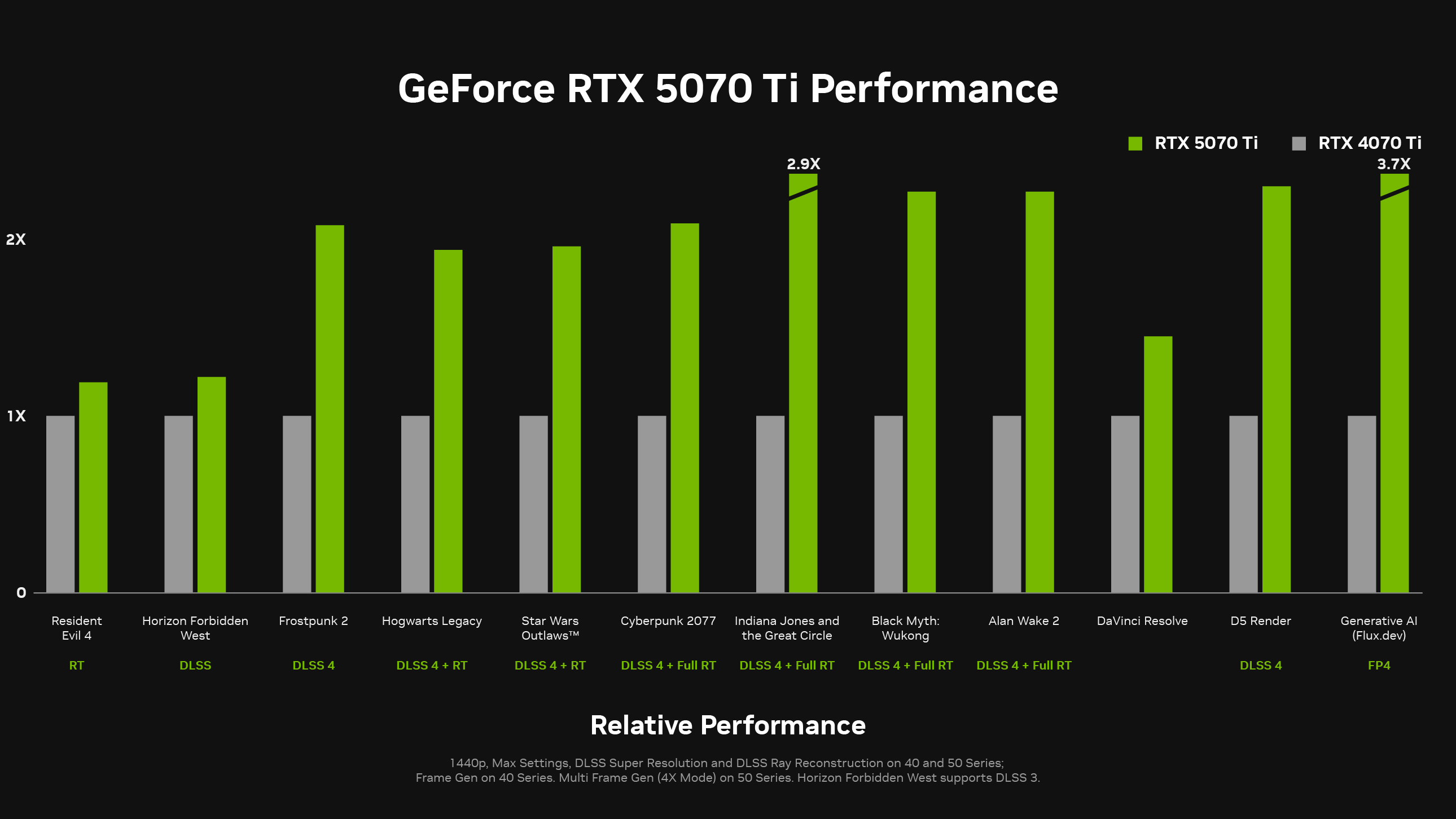
RTX 5070 Ti Performance Chart
RTX 5070 Ti Performance Chart – Image Credits (NVIDIA)

In past generations, a midrange GPU aged because it ran out of horsepower. New games became too demanding. Settings had to be lowered. That felt natural. In 2026, midrange GPU obsolescence often starts earlier, and it starts with features.

DLSS 4.x frame generation tiers, AI reconstruction improvements, and workflow tools are increasingly segmented by architecture. Even if a midrange card delivers solid 1440p performance today, it may miss out on enhanced frame generation modes reserved for newer architectures. That creates a psychological gap as much as a technical one. Buyers begin to feel “left behind” even when performance is still acceptable.

There is also the matter of driver focus. As newer architectures roll out, optimization attention shifts. This is not unique to NVIDIA. AMD follows similar patterns with its own feature sets. But the cadence feels faster now.

Resale values tell the real story. Used-hardware retailers and marketplace data from early 2026 indicate sharper depreciation curves than in prior cycles. Cards that would have held value for three years now lose significant resale appeal within 18 to 24 months.

A modern midrange GPU may still be technically solid for gaming three or four years from now. The question is not whether it will run games. The question is how long it will feel current in a market that moves this quickly.

The Death of the “Safe Midrange GPU”

Available GPUs in market
GPU Options – Image Credits (TechSpot)

For years, the $400 to $600 bracket was the sweet spot. You avoided diminishing returns at the high end and skipped entry-level compromises. That equation is changing.

The RTX 50 series vs midrange debate highlights how NVIDIA compresses generational improvements while introducing new feature gates. A last-gen flagship might match a current midrange in raster performance, but it may lack the latest AI-driven tools or frame generation refinements. Conversely, a midrange card may perform well today but sit just one architectural tier below the most advanced features.

From a business perspective, shorter midrange lifecycles benefit GPU vendors. Faster turnover means more frequent upgrades. System builders also gain from this churn. Refreshed SKUs create new marketing beats and justify incremental pricing adjustments. For consumers, it means the “buy once and forget for four years” strategy is less reliable.

How to Avoid a GPU Buying Mistake in 2026

PNY RTX 5060
PNY RTX 5060 GPU – Image Credits (Videocardz)

So what should buyers do? First, separate performance from features. If you primarily play raster-heavy esports titles or older AAA games, a midrange card can age very well. Many such titles do not depend heavily on advanced frame generation or AI upscaling tiers.

Second, look beyond launch-day benchmarks. Examine the architecture roadmap. If a card sits at the edge of a new generation’s feature set, its effective lifespan may be shorter than its raw specs suggest.

Third, consider the resale strategy upfront. In midrange GPUs 2026, selling sooner may protect more value. Waiting for the next major cycle can mean steeper depreciation.

And finally, read deeply before buying. We have covered similar generational trade-offs in our previous GPU analysis and upgrade guides on Tech4Gamers, where the focus is always on real-world value rather than marketing claims.

Counterpoints: Not All Midrange Cards Are Doomed

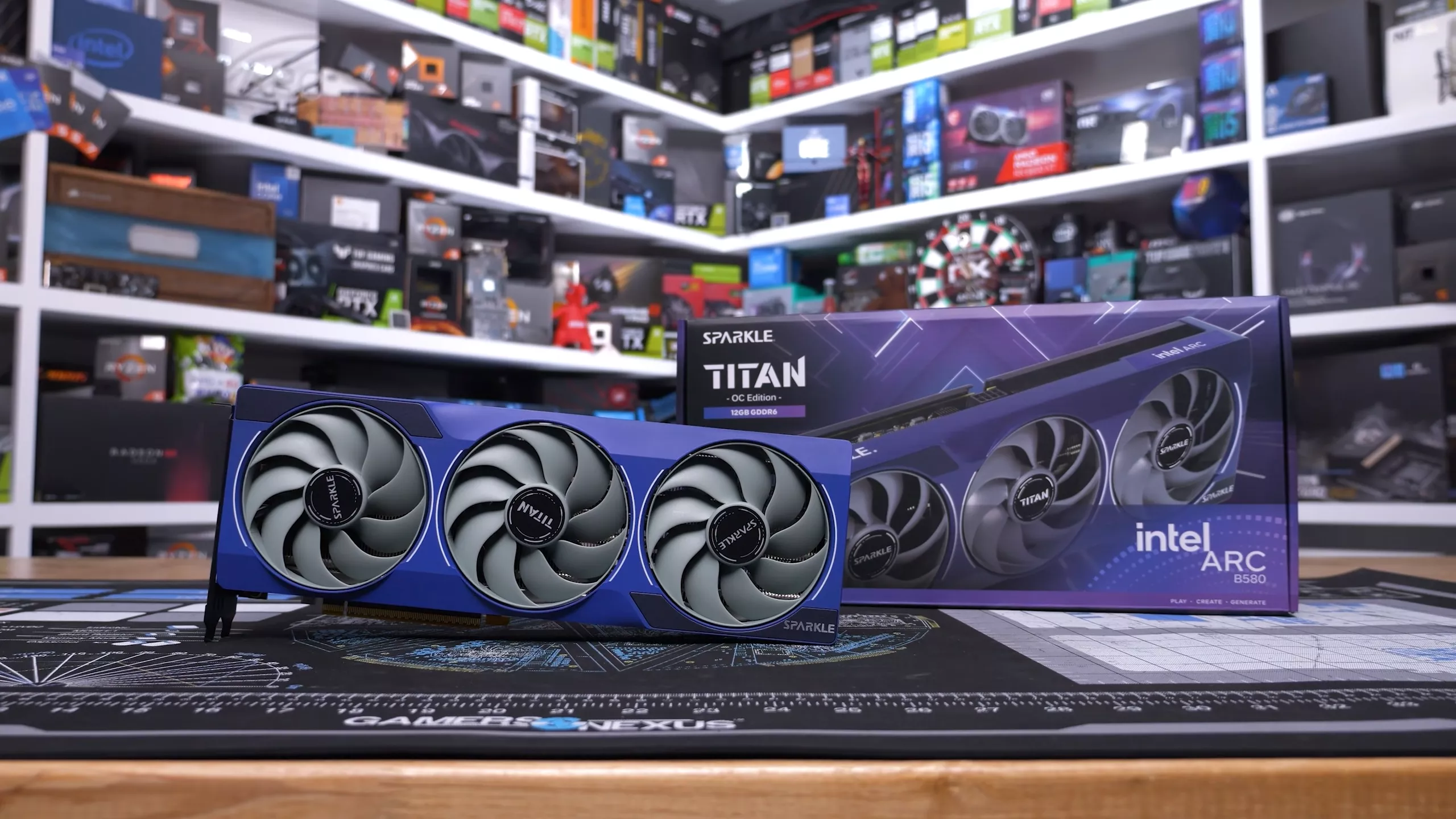
Absurd GPU Pricing Update: Q1 2026 Edition | TechSpot
Intel Arc B580 – Image Credits (TechSpot)

It would be unfair to declare the midrange dead. Some midrange GPUs still age gracefully in rasterized titles. Not every player needs DLSS 4.x’s most advanced modes. Many genres, including strategy and competitive shooters, are less dependent on cutting-edge AI features.

There is also the AMD factor. If AMD shifts its feature strategy or disrupts pricing later in 2026, it could extend the effective lifespan of midrange cards across the board. Competition has historically reshaped value tiers.

The pace of obsolescence is not fixed. It is shaped by how aggressively companies segment features and how much gamers actually care about them.

What’s Next

This is not about one specific GPU failing. It is about what the midrange tier represents in 2026. It has become a faster-moving category. Performance still matters. But features, AI tiers, and rapid refresh cycles now shape longevity just as much.

For buyers, the lesson is simple. The safe midrange bet is no longer automatic. In 2026, you are not just buying frames per second. You are buying into an ecosystem and a pace of change. And that pace is accelerating.

Bluepoint Games Tried to Develop a Ghost of Tsushima Spin-Off Prior to Shutdown

Story Highlight
  • Bluepoint Games pitched a Ghost of Tsushima spin-off before they announced they were shutting down.
  • Other pitches included a Bloodborne remake and an updated version of the Shadow of the Colossus remake.
  • The major reason for the studio’s closure was the resources wasted on the cancelled God of War live-service game.

Just a few days ago, Sony announced that it would be shutting down Bluepoint Games just a few years after acquiring the developer. This came so soon after it was revealed that the studio was working on a God of War live-service title that got shelved.

Now, a new report reveals that Bluepoint Games pitched multiple other games before they were shut down. One of those pitches included a Ghost of Tsushima spin-off title that wasn’t greenlit at Sony.

Why it matters: Bluepoint Games was one of Sony’s most talented developers. It’s unfortunate to see them shut down, knowing that they were capable of so much more.

Bluepoint Games
The Studio Was Hiring For A Third-Person Melee Game Before Shutting Down

Bloomberg‘s Jason Schreier gave more insight into the story behind Bluepoint’s closure. The studio had pitched multiple games after the cancellation of the God of War live-service game, which included: Bloodborne Remake, a Ghost of Tsushima spin-off, and an updated version of Shadow of the Colossus Remake.

For Bloodborne, FromSoftware rejected the idea even though Sony greenlit it. Updating Shadow of the Colossus remake wasn’t the best idea, and lastly, for a Ghost of Tsushima spin-off, it really doesn’t make sense.

The Ghost series isn’t really connected but rather explores each individual story, as seen in the latest Ghost of Yotei. Therefore, technically ever new game in the series would be considered a spin-off.

Bluepoint Games
Sony’s Live-Service Pursuit Resulted In The Studio’s Death

It’s more likely that Sucker Punch Studios wanted to retain control over the IP and give more time between releases since Ghost of Yotei just came out, and they’re likely already planning the next entry, which is normal for every studio.

Still, there were better uses for the studio, and it’s unfortunate that they had to be shut down. A Bloodborne Remake would’ve been exactly what gamers needed, but it seems that Miyazaki has other plans.

What are your thoughts on Bluepoint’s pitches? Let us know in the comments below, or join the ongoing discussion at the official Tech4Gamers Forums.

Bluepoint Reportedly Wanted To Make Bloodborne Remake But FromSoftware Rejected The Idea

Story Highlight
  • A reliable insider says Bluepoint Games pitched Bloodborne Remake to PlayStation last year.
  • This pitch was not accepted, seemingly due to FromSoftware’s disagreement with the idea.
  • Following Bluepoint Games’ demise, hopes for Bloodborne Remake have been largely shattered.

The sad state of Bloodborne hardly needs any introduction today. Following immeasurable demand for a remake, PlayStation has done nothing with the IP. In fact, even fans have done more for the game in recent years to preserve it with 60FPS and higher resolution support.

A new report reveals that the recently closed-down Bluepoint Games even went as far as to pitch Bloodborne Remake last year, but the pitch was shot down.

Why it matters: Bluepoint Games released Demon’s Souls Remake for the PS5 in 2020, so fans thought the studio was a natural fit for another remake of similar magnitude.

Bluepoint Games
Bluepoint Games Had A Strong Reputation For Making Remakes And Remasters

According to Jason Schrier’s latest report, Bloodborne Remake could have been greenlit last year. Following the cancellation of its live-service God of War project, Bluepoint Games approached PlayStation with the idea of remaking Bloodborne.

However, as Jason Schreir’s report mentions, the pitch was rejected, but not because PlayStation wasn’t on board with the idea. It is said that the gaming giant turned down the remake because FromSoftware didn’t want it to happen.

The studio was told that the numbers made sense but FromSoftware didn’t want it to happen.

-Jason Schreier

Recently, another report noted that the team had pitched two remakes to PlayStation. Jason Schreir’s update confirms that one of these was indeed Bloodborne.

This statement is interesting since Hidetaka Miyazaki didn’t necessarily seem opposed to the idea when discussing it in a recent interview. It is also important to note that PlayStation ultimately owns the IP, giving it the right to have the final say in such a matter.

Perhaps the idea’s rejection is a sign of a potential disagreement between the two companies that could be ironed out with enough discussion.

Bloodborne
Bloodborne Remake Was Seemingly Shot Down By FromSoftware

With Bluepoint Games now shut down, there’s no telling when FromSoftware’s beloved title will be remade, if ever. There’s a small chance the team will jump on the opportunity itself, but for now, the Japanese studio has its hands full with future projects.

What do you think about FromSoftware being responsible for the lack of Bloodborne Remake? Let’s discuss in the comments and on the Tech4Gamers Forums.

PlatinumGames Making New Bayonetta Alongside Bayonetta 1 and Metal Gear Remakes In UE5

Story Highlight
  • New rumor suggests PlatinumGames is working on 3 different titles: new Bayonetta game, Bayonetta, and Metal Gear Rising Revengeance remakes.
  • The same rumor suggests that the developer has bought back rights to Bayonetta.
  • The new Bayonetta game is scheduled for 2028, and the remakes for 2027.

Now that Ninja Gaiden 4 finally been released, PlatinumGames is shifting its focus to other franchises, and fans will be delighted to know that the developer is working on more than a single one.

In fact, if the latest report is true, a new Bayonetta game, alongside remakes of Bayonetta 1 and Metal Gear Rising: Revengeance, is under development at PlatinumGames.

Why it matters: PlatinumGames is considered a leader in the Japanese video game world. As such, it’ll be exciting to see the developer continue their work on more familiar, amazing franchises.

Unconfirmed Rumor: New Bayonetta Game & Remaster/Remake
byu/teardropfrozen inBayonetta

This rumor initially stems from a Chinese social media platform; the report discusses in depth PlatinumGames’ upcoming projects. Apparently, PlatinumGames has bought back the rights to the Bayonetta franchise.

For the new Bayonetta game, the developer aims to make some controversial changes, including revamping the combat system to make it less complex and more appealing to a wider range of audiences.

PlatinumGames
We Recently Came Across A Job Listing That The Studio Is Working On A Live-Service Game

The game’s budget will match that of Final Fantasy XVI. Currently, the game is pending Tencent’s review and has already been in development for 2 years. A release is planned for 2028. Unfortunately, the leaker suggests it is an average game and not something special.

As for the Bayonetta and Metal Gear Rising Revengeance remakes, they’re expected to be more remasters and less remakes. These titles will be released next year and will be multiplatform.

All of the studio’s upcoming projects are being developed on Unreal Engine 5. We recommend taking these leaks with a grain of salt until official confirmation.

What are your expectations for these upcoming titles? Let us know in the comments below or at the official Tech4Gamers Forums.

The Witcher 4 To Feature Overhauled Movement and a Far More Interactive World and NPCs Than Its Prequel

Story Highlight
  • CD Projekt Red revealed gameplay details for The Witcher 4.
  • The game will feature a revamped movement, better animations, and a much more interactive world.
  • More details are expected at the Unreal Engine Fest in June.

It seems like The Witcher 4 is taking forever to come out since the last entry was released more than a decade ago. However, we’re close to the release of the 4th Witcher game, and a proper marketing rollout is just about to begin.

Ahead of the game’s marketing, CD Projekt Red has confirmed the first official details. The Witcher 4 will feature a revamped movement, a far more interactive world than its prequel, and much more realistic animations.

Why it matters: While The Witcher 3 is regarded as one of the best RPGs of all time, the game’s flaws can’t be ignored. Fortunately, CD Projekt Red is addressing all of these concerns with the next entry.

CD Projekt Red’s official AnsweRED podcast delved deep into what Witcher 4 will offer in terms of gameplay elements. Firstly, they talked about the movement mechanics in the game, and it seems like Ciri will be far more agile than Geralt.

There would be a dedicated jump button present, and Ciri would be able to move while casting spells, the biggest concern from the prequel, and what made people annoyed. Ciri would also be able to swim underwater, so expect to fight aquatic monsters.

In terms of world-building, this will by far be the biggest improvement CD Projekt Red will have to offer in Witcher 4. Despite having the same world size as The Witcher 3, the newer entry will focus more on interactability and NPCs, which are said to be much more diverse than in the past.

The Witcher 4 Ciri
The Witcher 4’s Rumored $800 Million Budget Will Make It One Of The Most Expensive Games Of All Time

Lastly, animations for the game will see the biggest improvement. Since Ciri never underwent the mutations that a Witcher does, she is more in touch with her emotions. As such, expect a variety of animations for her, expressing different feelings and emotions. For just movement alone, 80 animations are included in the game.

CD Projekt Red will have more to show about the game at the Unreal Engine Fest, set to take place in June. Expect a trailer for the game, too, since it aligns with the game’s marketing timeline. Before that, however, a new Witcher 3 DLC is expected to bridge the events of the third entry to the fourth.

What are your expectations for The Witcher 4? Let us know in the comments below, or at the official Tech4Gamers Forums.

Fans Declare God of War Greek Trilogy Superior To Norse Saga In Major Poll

Story Highlight
  • Fans recently picked between the God of War Greek and Norse eras in a poll.
  • The Greek saga ended up winning the poll, thanks to its set pieces, sense of scale, gameplay, and more.
  • Many also admitted to the strengths of the Norse saga but agreed that the Greek titles aged better.

The debate between God of War’s new and classic titles will seemingly never end. Where the latest titles took the franchise to never-before-seen levels of success with millions of sales and critical acclaim, the original Greek trilogy established Kratos as an icon of PlayStation.

As of today, fans love both eras of the IP, but a new poll suggests that the perception of the God of War Greek trilogy is slightly more favorable.

Why it matters: PlayStation has recently announced a remake of the God of War trilogy, so fan admiration for the classic games is a great sign of success for the franchise moving forward.

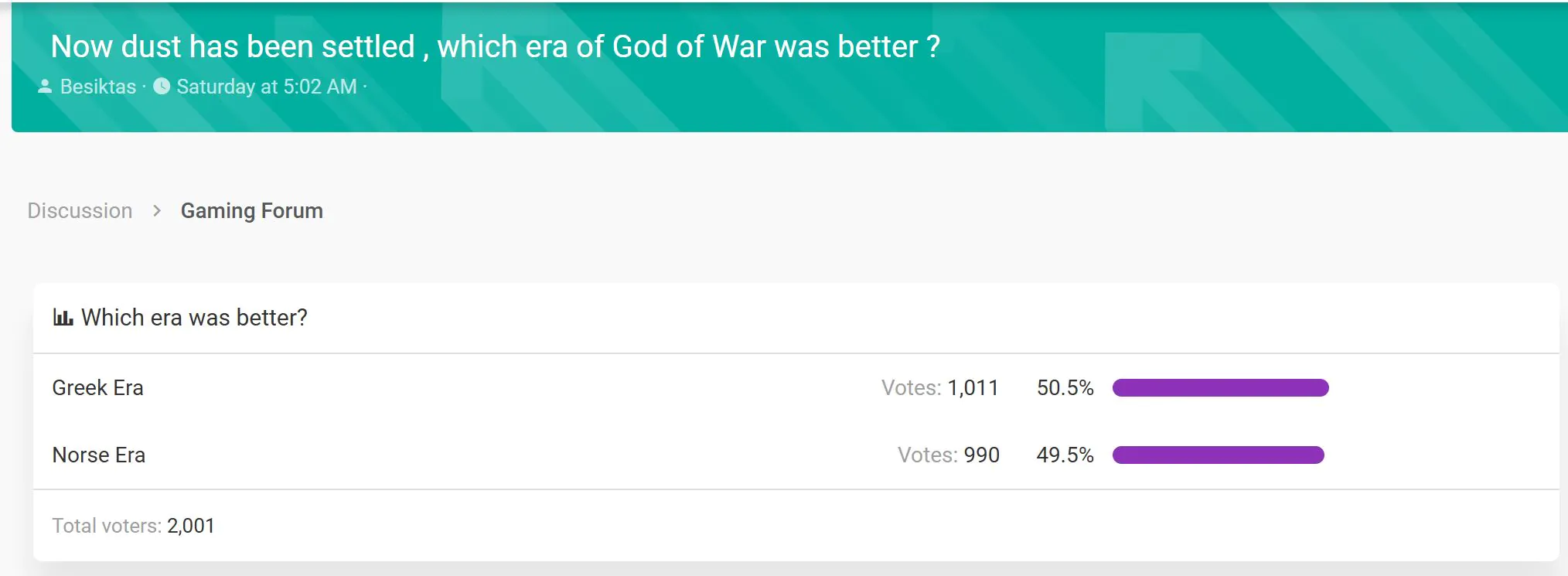
God of War Poll
God of War Poll via Resetera

Fans recently created a poll on Resetera to pick between the Greek and Norse eras of God of War. As shown above, the Greek era won the poll with 50.5% of the votes, while the Norse era earned around 49.5% of the votes.

The results were extremely close, but after 2,000 votes, it seems fans have voted in favor of the Greek trilogy. In the comments, many pointed to God of War 3 as the best of the franchise, picking the Greek era thanks to this title alone.

For context, God of War 3 featured incredible boss battles, a relentless pace, and genre-defining visuals for the time. As fans put it, the game was one of PlayStation’s best releases of the time.

Many also discussed the sense of scale in the older games as something that remains unmatched to date. This is best seen in boss battles against formidable foes like Kronos.

On the other hand, fans pointed to the Norse era’s strengths in storytelling. However, where God of War 2018 was appreciated by most fans, Ragnarok received criticism for offering an unsatisfying conclusion to the Norse era.

I enjoyed 2018, and Ragnarok was fairly good, but you just cannot beat the Greek era games in scope, variety, and set pieces.

-moqz

Hydrogen bomb/coughing baby in favor of the Greek era.

-Matrix-cat

God of War Trilogy
The God of War Greek Trilogy Featured A Very Different Kratos

With the God of War remakes now in production, it remains to be seen how modern audiences will react to Kratos’ classic adventures. If this poll is any indication, the remakes will be just as successful as the series’ recent entries.

Which God of War titles do you prefer? Join the discussion in the comments and on the Tech4Gamers Forums.