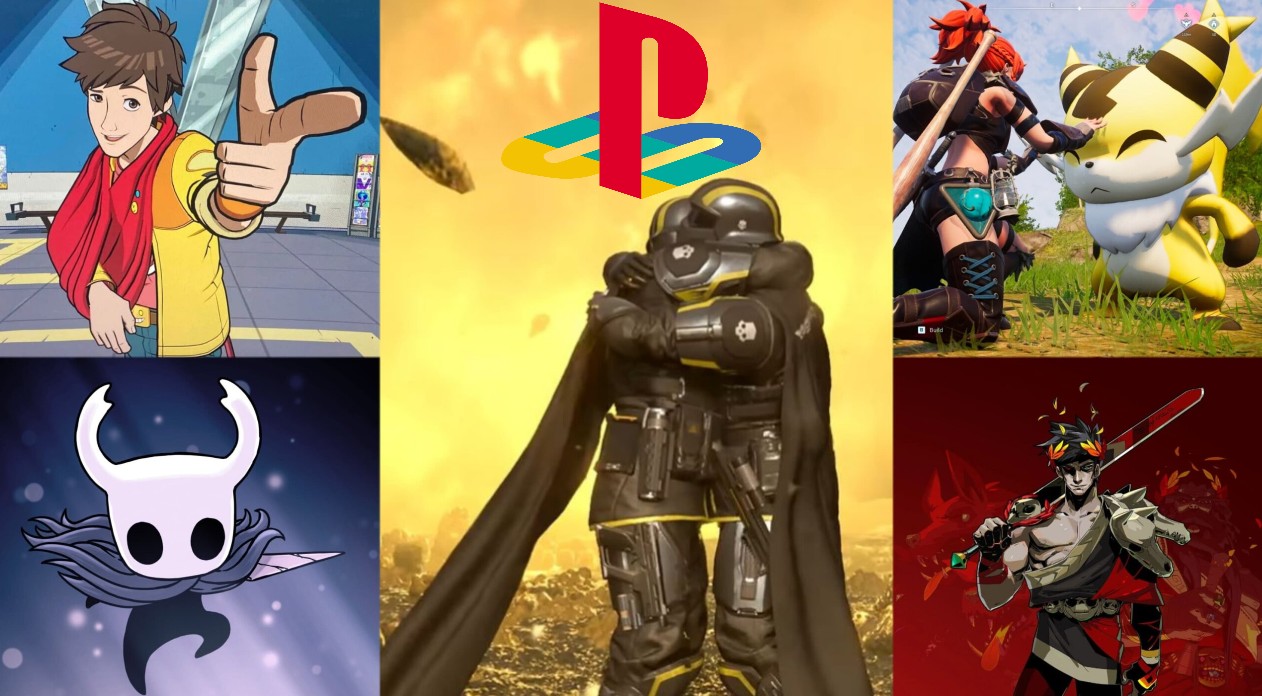



- The recent closures of Tango Gameworks, Pieces Interactive, and Arkane Austin outline a major problem in the industry.
- Executives are too profit-driven, shutting down studios without giving them room for failure and growth.
- This leads to an industry without creativity where teams stick to a tried-and-true formula for success.
The gaming industry has evolved in multiple ways since its inception. Whether it be a focus on more engaging narratives, lifelike visuals, or the scope of this entertainment form itself, a lot has changed over the years.
However, not every change has been positive. In 2024, gaming is all about profits and finances, at least for the higher-ups at massive publishers. Layoffs plague the industry, and developers are constantly under pressure.
The looming threat of layoffs and studio closures means developers are reluctant to experiment with new concepts. Very recently, the team behind Alone in the Dark was shut down after dealing with layoffs.
This title wasn’t the biggest success, but it was far from the worst game of 2024. This brings me to the question: are studios no longer allowed to fail in this industry?
Why it matters: Several franchises show developers often need multiple attempts to succeed. However, publishers are no longer willing to allow such liberty today.
The Industry Demands Experimentation
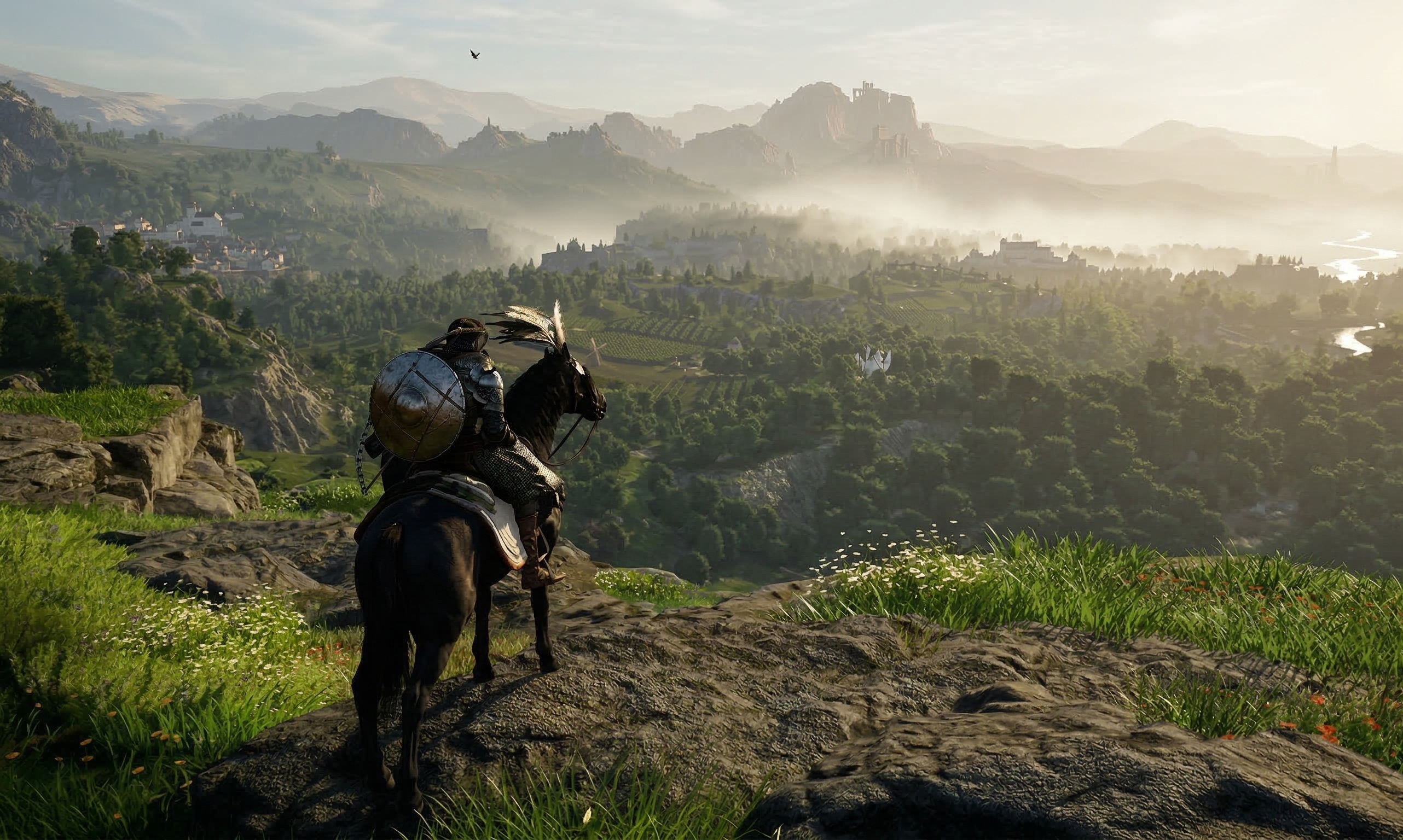
Reflecting on the biggest games out today, it’s easy to see how homogenized the industry feels today.
Everyone wants to capitalize on the biggest trends and follow what’s already successful. Moving away from these trends puts game developers at risk, and nobody is interested in taking risks at a time when one wrong move could mean the death of an entire studio.
However, this approach goes against everything the industry stands for. Much like the film or television industry, games thrive when developers are let loose, their talents expressed in every facet of their work.
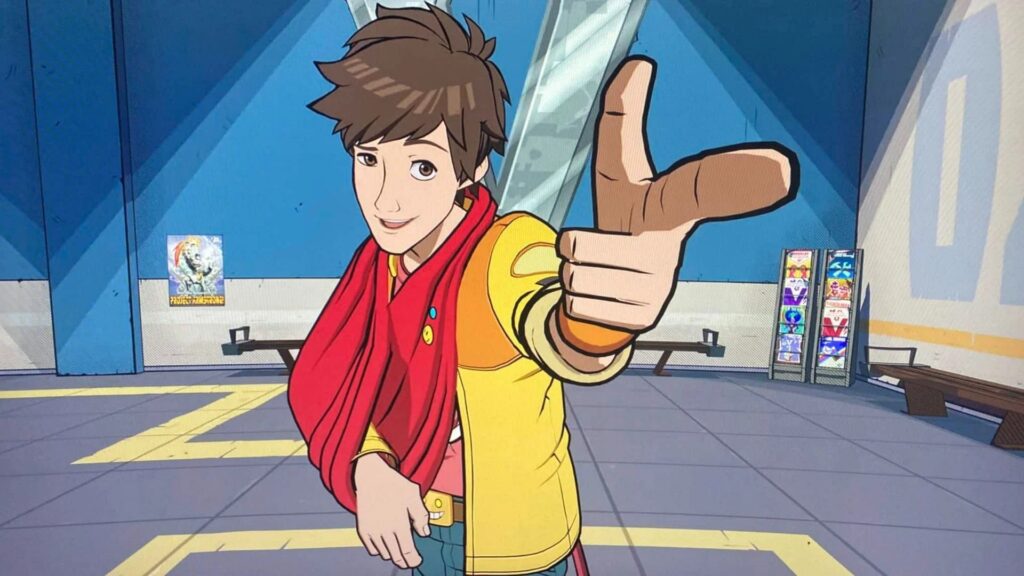
Consider a title like Hi-Fi Rush and how fresh it felt last year. What did Tango Gameworks get in return for its creative excellence? Little else, apart from a sudden studio closure announcement from Xbox.
At its current pace, the industry will continue pushing out the same types of games, albeit with greater polish and detail. Overall, the industry seems hell-bent on taking as few risks as possible.
This is also why remakes and remasters are prevalent today, as this is the safest move possible. Ironically enough, Alone in the Dark dipped its toes in this trend to a certain extent, even though it was a reimagining.
Not Everything Needs To Be A Hit
In my opinion, the biggest issue with this trend is that it sets a bad precedent. Every developer strives for critical acclaim, but creating something that may not be the biggest hit as long as it meets the team’s vision is okay.
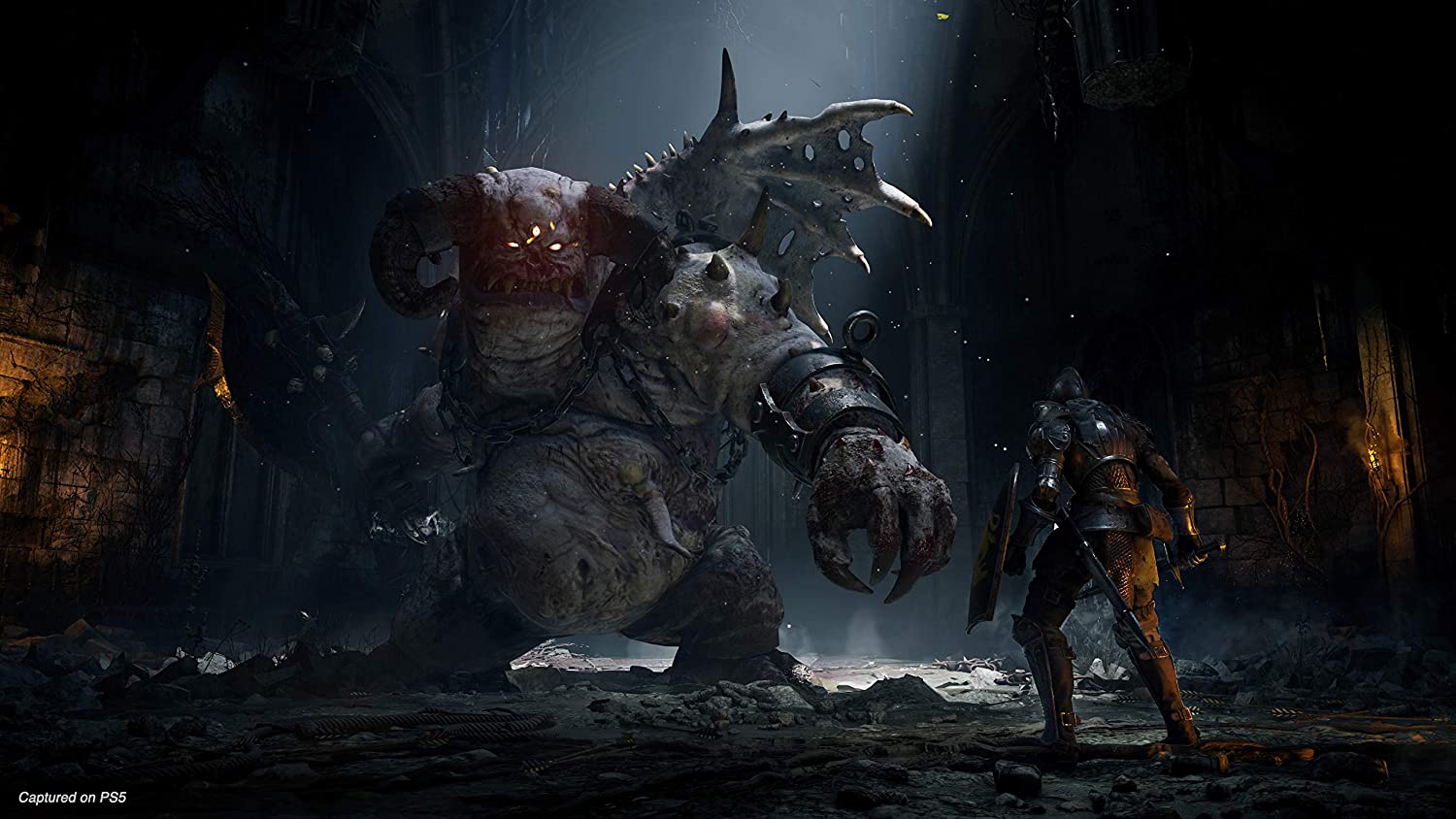
Nobody serves as a better example of this trend than FromSoftware. This developer has spawned a whole new sub-genre, but it came from humble beginnings. Demon’s Souls was initially described as a train wreck before Hidetaka Miyazaki stepped in.
Sony even refused to publish the game in the West, and it wasn’t until the title developed a cult-like following that FromSoftware’s potential began to shine. This kind of project would probably never see the light of day today.
However, the team’s work eventually gained more recognition, propelling FromSoftware to unprecedented heights. Had it not been for this shaky first step, games like Lies of P, Elden Ring, and more would probably not have existed.
Failure Has Become A Death Sentence
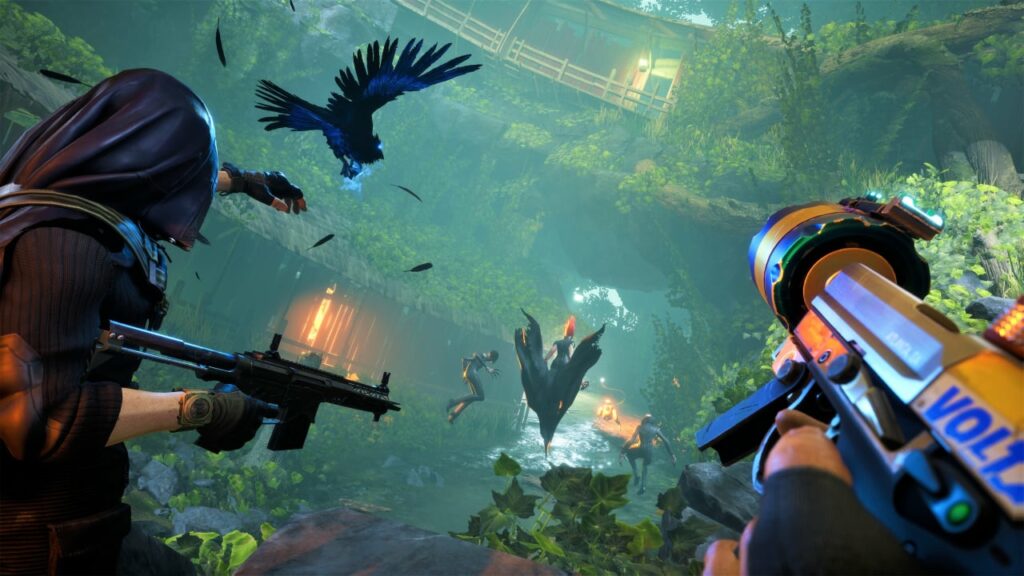
Think of recent failures, and two releases immediately come to mind. Both Saints Row and Redfall failed miserably, but these releases came from developers with an impressive history behind them.
Volition Games closed down last year, and Arkane Austin followed in 2024. Had both these teams been given a chance, perhaps their next titles could have been a major improvement.
Unfortunately, the current state of this industry leaves no room for studios to learn from their mistakes and grow.
Rocksteady Studios is suspected to be headed in a similar direction after Suicide Squad bombed. I wasn’t the biggest fan of this release, but seeing the team behind Batman Arkham going out like this would be a massive shame. Suffice it to say, this is not how developers should be treated.
Thank you! Please share your positive feedback. 🔋
How could we improve this post? Please Help us. 😔

[Senior News Reporter]
Avinash is currently pursuing a Business degree in Australia. For more than 5 years, he has been working as a gaming journalist, utilizing his writing skills and love for gaming to report on the latest updates in the industry. Avinash loves to play action games like Devil May Cry and has also been mentioned on highly regarded websites, such as IGN, GamesRadar, GameRant, Dualshockers, CBR, and Gamespot.
 Join Our Community