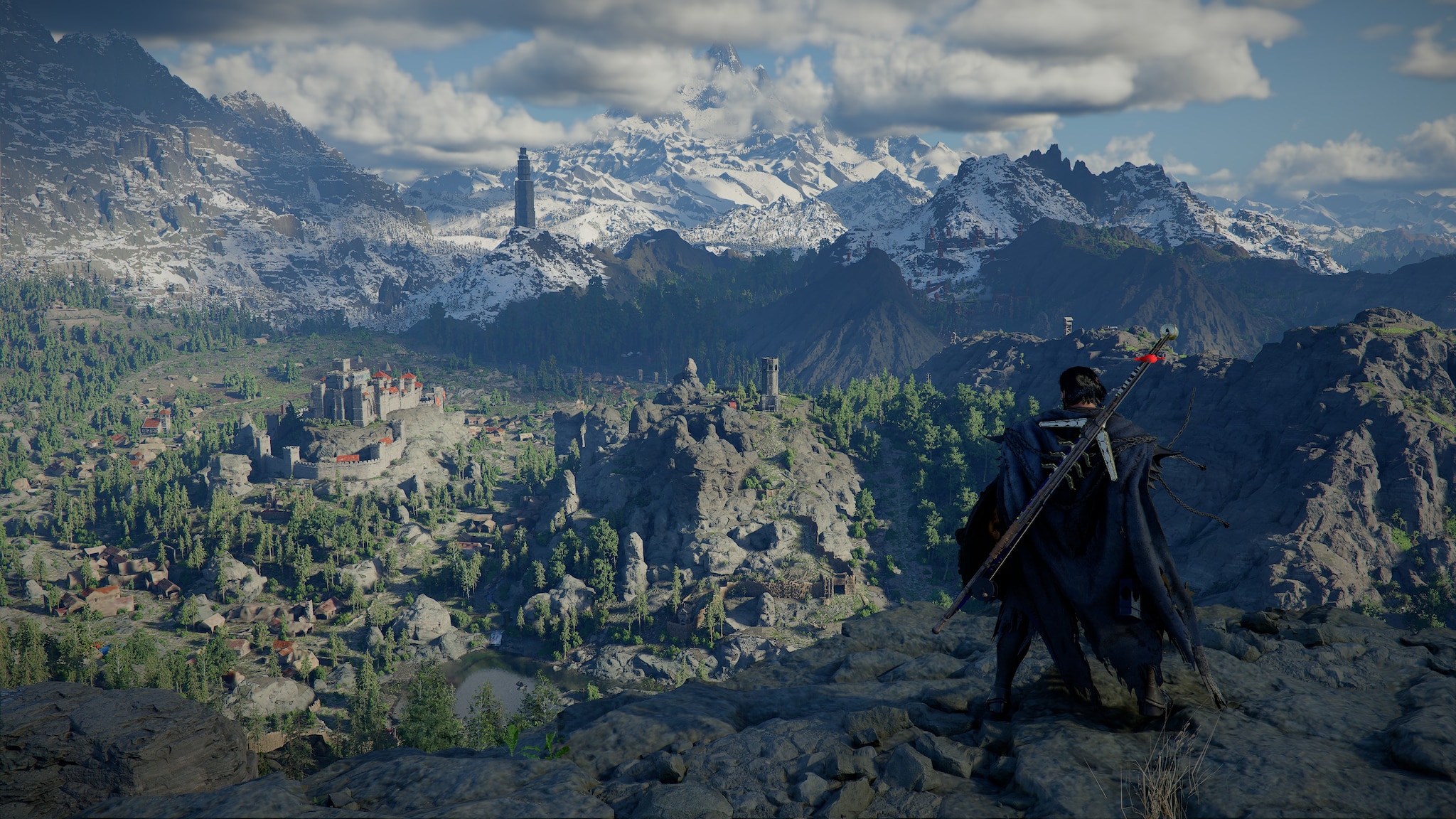



- PC gamers have always disliked the trend of mandatory third-party launchers since Steam is the biggest and most well-known platform.
- There has been a shift recently, with various big games moving away from these requirements.
- Recent examples include Dragon Age: The Veilguard, It Takes Two, and more.
PC gamers have long preferred Steam as their primary launcher on the platform. Valve’s exceptional attention to customer feedback, consumer-friendliness, and more has won the hearts of millions of users.
However, the trend of publishers releasing games that require third-party launchers is quite prevalent on the platform. Popular launches come from EA, Epic Games, Ubisoft, Rockstar, and more. Fortunately, it seems this trend has gradually begun to die down.
Why it matters: Third-party launchers add to needless bloat on PC. They also lead to unnecessary accounts for which users may not remember passwords. This can become a problem for users who have massive game libraries on PC.

While its clear that third-party launchers are still around, a major publisher like EA has begun to change this trend. It recently confirmed that Dragon Age: The Veilguard would be playable on Steam without any launcher.
The same publisher recently removed the requirement from It Take Two. 2K is also removing its requirements in games like Civilization 6. Similarly, Civilization 7 will skip this requirement at release.
Kerbal Space Program is another example of a game that had its launcher requirement removed recently. While many other upcoming games will continue the trend of this troublesome practice, this is an encouraging first step.
Any PC gamer will tell you that relying on Steam alone is just better and more convenient. In fact, the many launchers on PC can often become a solid argument for sticking with console gaming.
While consoles typically require third-party accounts for games that support cross-play and online gameplay, they don’t force you to install separate applications altogether.
Fans hope to see more publishers adopt this approach. These announcements, particularly in Dragon Age: The Veilguard’s case, have already been quite well-received.
Even if certain publishers like Rockstar and Ubisoft continue to promote their own launchers, more studios abandoning this practice would certainly help spread the word and make a case for others to follow suit.
Thank you! Please share your positive feedback. 🔋
How could we improve this post? Please Help us. 😔

[News Reporter]
Bawal is an MBBS student by day and a gaming journalist by night. He has been gaming since childhood, growing fond of the creativity and innovation of the industry. His career as a gaming journalist started one year ago, and his journey has allowed him to write reviews, previews, and features for various sites. Bawal has also been cited in reputed websites such as Screenrant, PCGamesN, WCCFTech, GamesRadar, and more.
 Join Our Community