


- Gaming has grown to a point where a single AAA production costs $200-500 million and requires at least 5 years.
- Developers have found live-service titles and microtransactions helpful when combating gaming’s rising costs.
- The industry is currently trying to find a balance between premium and live-service offerings.
The games industry has evolved in numerous ways over the years, especially when it comes to how the biggest titles are made and operated.
In a world where AAA games quickly grew from being $50-100 million projects that could be launched every few years to $250-500 million behemoths that now take at least 5 years to produce, the industry could no longer solely rely on premium sales to generate revenue.
This is where the concept of microtransactions came in, and gradually, the industry became more and more reliant on sustaining itself with smaller payments from a huge player base.
Why it matters: Many gamers are against microtransactions, but because of the industry’s current position, they are practically necessary.
The Live-Service Game Phenomenon

It’s no secret that live-service gaming is the most popular in today’s world, especially when looking at titles like Fortnite, Apex Legends, Call of Duty, etc.
These games are available for free on PlayStation, Xbox, and PC, which means that they can lure players in at no additional cost. For players who do end up liking such experiences, there’s an endless list of optional cosmetics waiting for them.
Because many legacy players have been playing such titles for many years at this point, they have likely spent significantly more than the cost of a single AAA purchase. For reference, buying a few skins or battle pass upgrades every now and then can become a valuable source of income for studios via such titles.
This is also why practically every studio is chasing live-service gaming today, even if many have already failed in the past. Who doesn’t want an endless revenue stream that keeps on making money? A live-service game still requires consistent support, but it certainly beats having to come up with an all-new game that may or may not succeed.
Entire Marketplaces Built Around In-Game Economies

Interestingly, this era of microtransactions has given birth to entire platforms built around live-service titles, and more specifically, their economies.
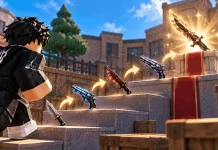
For instance, gamers can find Fortnite V-Bucks or Roblox Robux across various websites today. Some of these will even appeal to those who buy Bitcoin since they may accept payment through cryptocurrencies.
In fact, at one point in time, gaming and crypto came together for NFT games, which garnered interest from major publishers like Ubisoft. The concept of NFT games was similar to skins players would find in a game like CS2, giving each digital asset a distinct identity and net worth that would grow or depreciate with time based on supply and demand.
Other games like CS2 also have tradeable skins with persistent third-party stores and marketplaces to facilitate trading and buying/purchasing. In many ways, these in-game economies, built around microtransactions, mimic cryptocurrency trading.
A Balance Between Premium Titles And Microtransactions
Although microtransactions are still wildly popular, the gaming industry appears to be attempting to find a middle ground between AAA premium releases and live-service titles.
Companies like PlayStation are no longer greenlighting live-service titles left and right, and various games have changed direction to focus on single-player content. This also gives the industry more room for experimentation and greater variety, something that should ensure both genres thrive.
Thank you! Please share your positive feedback. 🔋
How could we improve this post? Please Help us. 😔

[Senior News Reporter]
Avinash is currently pursuing a Business degree in Australia. For more than 5 years, he has been working as a gaming journalist, utilizing his writing skills and love for gaming to report on the latest updates in the industry. Avinash loves to play action games like Devil May Cry and has also been mentioned on highly regarded websites, such as IGN, GamesRadar, GameRant, Dualshockers, CBR, and Gamespot.
 Join Our Community