



- Nvidia has revealed new DLSS 5 details, including new models, work on art style preservation, and more.
- DLSS 5 can be applied to distinct objects and scenes separately by the developers.
- The developers have a lot of control over how and where DLSS 5 can be used in any scene.
While some saw DLSS 5 as a step in the right direction, the naysayers argued the technology ruined the core art style of characters and scenes by making them look the same. Since then, the company has ironed out some of the biggest concerns yet.
A new DLSS 5 showcase at the SIGGRAPH 2026 event highlights an in-depth look into features, massive improvements, and more.
Why it matters: Focusing on art style preservation of characters and objects in an environment could solve the biggest concerns of gamers regarding DLSS 5.
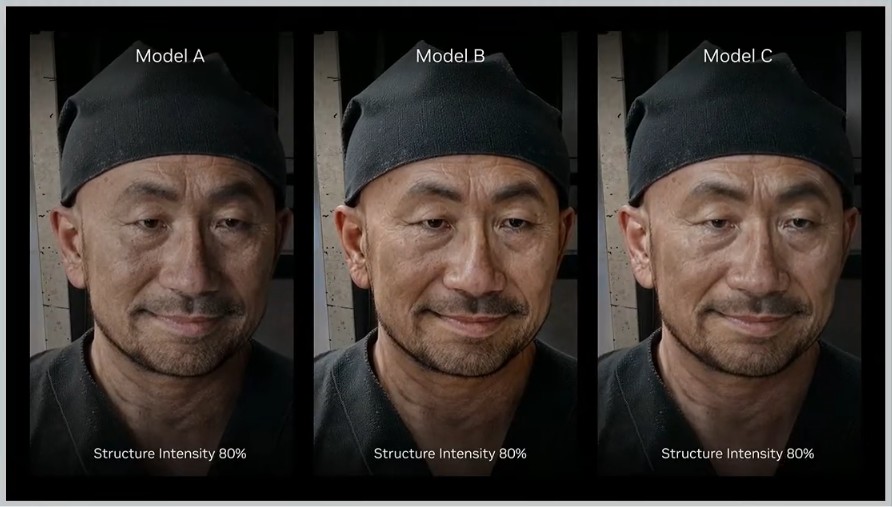
DLSS 5 will have three models that give different results because they are trained on different parameters. Each model comes with varying levels of structural intensity, global illumination, texture detail, and more.
The developers can also tailor these models for specific scenes, characters, and objects, allowing mix-and-match according to the requirements.
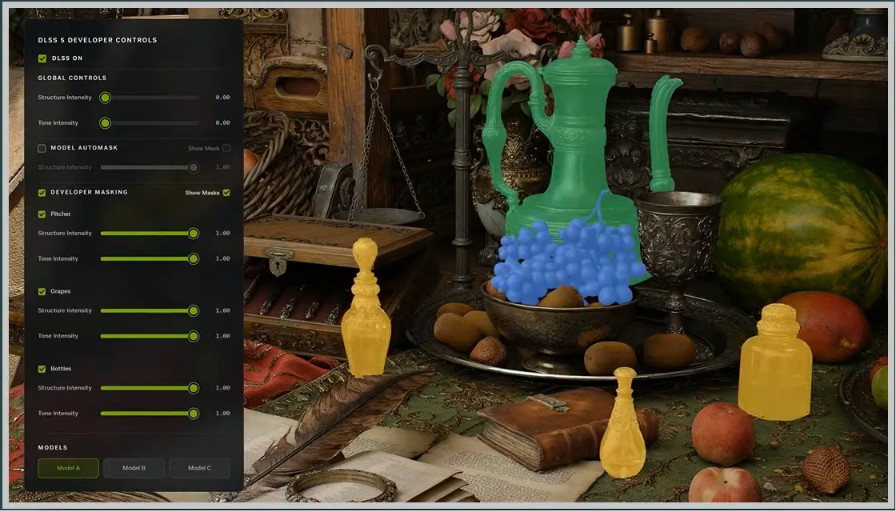
There are also global intensity settings, automatic character masks, and engine-defined controls for separate objects. The technology processes a conventionally produced frame with improved materials, shadows, reflections, and other visual improvements.
DLSS 5 can also be applied only to specific parts of a scene, like certain characters or background objects. Additionally, each scene or character can be customized according to the developer’s vision, which would preserve the artistic intent and maintain a visual identity.
DLSS 5 can apply material photorealism within the strict set parameters set by developers, which can be seen below in the second image.

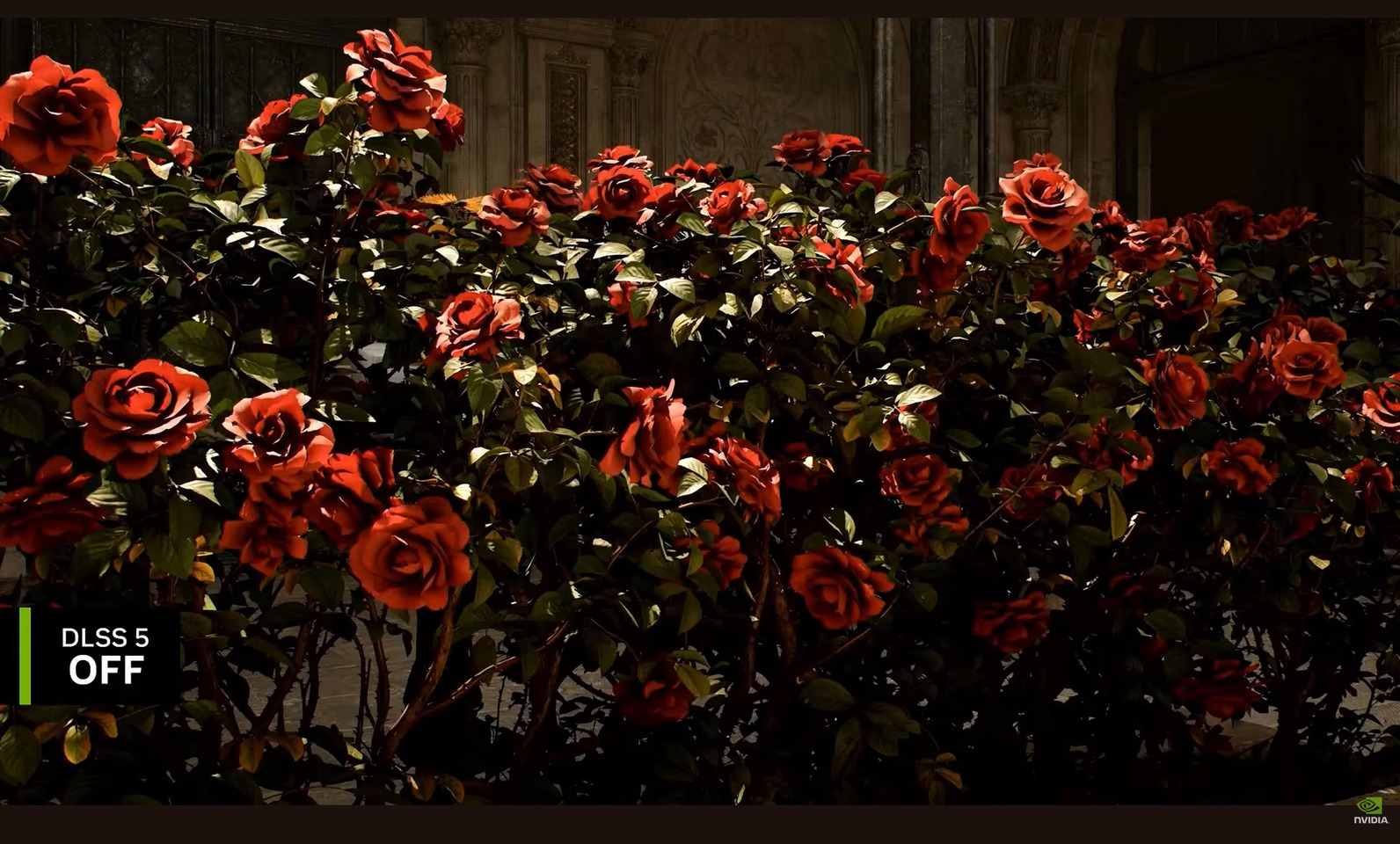



DLSS 5 also resolves the issue of temporal streaming by using motion vectors from the game engine, generating additional textures instantly without delays. This ensures no shimmers or anomalies are produced as it performs texture generation instantly.
The neural rendering technology is also really fast, rendering a 4K frame with 8.3 million pixels at over 60 FPS in less than 16ms.
This speed is fast enough that gamers won’t notice a delay, as most of the processing time is consumed by the game engine instead of DLSS 5.
DLSS 5 also works on a single GPU, and while VRAM efficiency is mentioned, it’s unclear whether 4K gaming would be limited to high VRAM GPUs only.
Do you think Nvidia DLSS 5 will live up to the hype? Let us know your thoughts in the comments below, or join the discussion on the Tech4Gamers forum.
Thank you! Please share your positive feedback. 🔋
How could we improve this post? Please Help us. 😔

Shameer Sarfaraz has previously worked for eXputer as a Senior News Writer for several years. Now with Tech4Gamers, he loves to devoutly keep up with the latest gaming and entertainment industries. He has a Bachelor’s Degree in Computer Science and years of experience reporting on games. Besides his passion for breaking news stories, Shahmeer loves spending his leisure time farming away in Stardew Valley. VGC, IGN, GameSpot, Game Rant, TheGamer, GamingBolt, The Verge, NME, Metro, Dot Esports, GameByte, Kotaku Australia, PC Gamer, and more have cited his articles.
 Join Our Community