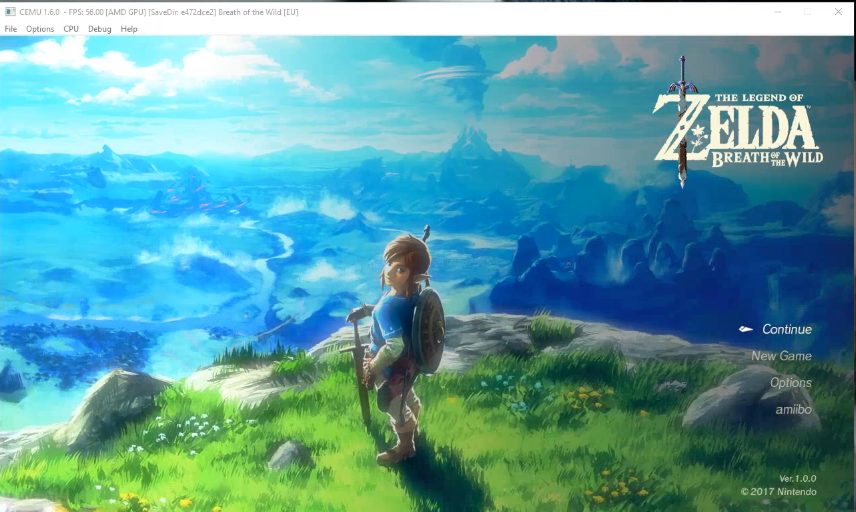



- Gaming writing spans in-game narrative design (dialogue, lore, quest text) and editorial coverage (reviews, walkthroughs, video scripts, and news).
- Writers must thoroughly understand the mechanics and genres they cover to maintain credibility with a knowledgeable audience.
- Having a genuine personal style keeps articles from feeling generic and helps pass editorial authenticity checks.
Writing about games sounds easy until you actually have to do it. Playing a game for fun is one thing. Explaining why a new update matters, writing a useful guide, reviewing a release under a deadline, or creating dialogue for a game is a completely different job.
The good part is that gaming content has never been limited to one type of writing. You can write reviews and guides, create videos scripts, work on game dialogue, build lore, or handle content for a gaming company. The skills overlap, but the day-to-day work can be very different.
What Skills Actually Matter?

Being able to write clearly is the obvious starting point, but it is not enough. Gaming writers need to understand the games they cover and the people who play them.
You Need to Actually Know Games
This is probably the biggest difference between a gaming writer and someone simply writing about a popular topic. Gamers notice when a writer does not understand the game.
A review that misses an important mechanic can lose credibility quickly. The same goes for a guide that skips a step or explains something incorrectly. You do not necessarily need to know every game on the market, but having a strong understanding of the genres and games you cover makes your work much better.
If you regularly cover RPGs, shooters, strategy games, or competitive titles, spending time with those games matters just as much as improving your writing.
Your Own Voice Still Matters
Gaming websites already have plenty of articles that sound the same. The safer approach is usually the one that makes your writing sound like an actual person who played the game and has something to say about it.
Originality is also important when working with editors. Some publications use tools such as an AI checker as part of their review process. That makes it even more important to write in your own voice, check your work carefully, and avoid producing generic copy that could have been written about almost any game.
Speed Matters More Than You Think
Gaming content can move incredibly quickly. A major update drops, a new game launches, or a developer announces something unexpected, and writers may have only a short window to cover it.
Guides are another example. A useful guide published soon after release can attract plenty of readers. The same guide appearing weeks later may have far less value.
Being reliable with deadlines is therefore a major part of the job. A good writer who constantly misses deadlines is difficult for an editor to depend on.
What Does a Gaming Writer Actually Do?

There is no single gaming writing job. A writer working inside a game studio might create dialogue, quest text, character lines, lore, or cutscene scripts. On smaller teams, one writer may handle several of these responsibilities. Larger studios can divide the work between different specialists.
Writing about games is even broader. You might work on reviews, guides, news stories, opinion pieces, video scripts, patch summaries, community posts, or other gaming content.
Freelance writing often starts with smaller assignments and gradually develops into more specialized work. Building a strong collection of published pieces can make it easier to move toward better opportunities.
That is why having a portfolio matters so much. Saying that you are a good writer is not nearly as convincing as showing someone several pieces that prove it.
Tools Worth Learning
The tools depend heavily on the type of writing you want to do. For everyday writing and editing, tools such as Google Docs and Notion are common. Writers interested in game development can explore narrative tools such as Twine, Ink, and Articy Draft. These can help you understand how branching dialogue and interactive stories are structured.
Research is another major part of the job. Official patch notes, developer interviews, game wikis, and community discussions can all help when checking details.
For gaming content that relies on search traffic, SEO tools can also be useful. Capture software such as OBS Studio and NVIDIA ShadowPlay is helpful when you need your own gameplay footage or screenshots.
You do not need to master everything at once. The best tools are the ones that fit the type of gaming content you want to create.
How Do You Get Started?
A portfolio is usually more useful than a long list of qualifications.
Game jams can be a good starting point for people interested in writing directly for games. They force writers and developers to work together, make quick decisions, and produce something playable. Finished projects can then become portfolio pieces.
For editorial writing, starting a gaming blog or contributing to community projects can help build experience. Smaller publications can also be a useful way to collect bylines before approaching larger outlets.
The important thing is to have something to show. Editors and studios want evidence that you can actually do the work.
Where Gaming Writing Can Take You

The career path is wider than simply becoming a game journalist. You could move into editorial work, freelance writing, narrative design, scriptwriting, copywriting, or content roles for publishers and gaming companies. Some writers eventually specialize in a particular genre or platform because that expertise gives them an advantage.
The market is competitive, though. A portfolio tailored to the job you want is far more useful than trying to prove that you can write about everything.
For me, that is the most interesting part of gaming content writing. You do not have to follow one fixed path. If you already spend a ridiculous amount of time thinking about games, learning how to turn that interest into useful writing can open more doors than you might expect.
Thank you! Please share your positive feedback. 🔋
How could we improve this post? Please Help us. 😔

[Senior News Reporter]
Avinash is currently pursuing a Business degree in Australia. For more than 5 years, he has been working as a gaming journalist, utilizing his writing skills and love for gaming to report on the latest updates in the industry. Avinash loves to play action games like Devil May Cry and has also been mentioned on highly regarded websites, such as IGN, GamesRadar, GameRant, Dualshockers, CBR, and Gamespot.
 Join Our Community