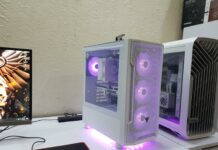



- Modern gaming cafés rely on community, not just equipment.
- Smart hardware and network choices beat buying the absolute best.
- Game libraries should fit local tastes and legal rules.
Gaming cafés have come a long way from the traditional internet cafés where players used to gather for a few rounds of Counter-Strike or Warcraft. Today’s gaming venues are built around much more than simply providing computers and an internet connection. They bring together competitive gaming, social experiences, tournaments, and communities that players might struggle to find elsewhere.
However, starting a gaming café is not as simple as buying a few high-end PCs, setting up gaming chairs, and charging customers by the hour. With more people owning capable gaming systems at home, business owners need to think carefully about what makes their venue worth visiting.
From choosing the right hardware to managing operating costs, several important decisions can determine whether a gaming café becomes a popular local hangout or struggles to stay open.
Building a Setup That Gamers Actually Want to Use

Hardware is naturally one of the biggest selling points of a gaming café. Players visiting these venues expect a smooth experience, particularly when playing competitive titles where performance can make a noticeable difference. Nobody wants to spend money on gaming time only to deal with frame drops, outdated graphics cards, or unresponsive peripherals.
That does not mean every station needs the most expensive hardware available. Owners should focus on building setups that can comfortably handle the games their target audience plays. Competitive PC gamers might appreciate high-refresh-rate monitors, responsive mice, mechanical keyboards, and systems capable of maintaining stable frame rates. Meanwhile, venues targeting a wider audience could benefit from including console stations and more casual gaming options.
Networking is another area that deserves serious attention. A café can have excellent computers, but unreliable internet connectivity can ruin the experience for everyone. Wired Ethernet connections should be the priority for competitive gaming stations, while mesh WiFi for businesses can help provide reliable wireless coverage for customer devices, staff equipment, and other connected areas. The network should also be properly secured and capable of handling multiple users without unnecessary slowdowns.
Regular maintenance matters just as much as the initial investment. Dusty computers, worn-out mousepads, damaged headsets, and uncomfortable chairs can quickly affect customer satisfaction. A consistent cleaning and maintenance routine helps keep equipment in good condition and makes the entire venue more appealing.
Understanding the Costs Before Opening the Doors

One of the biggest mistakes new gaming café owners can make is underestimating how much money the business needs to operate. Purchasing gaming computers is only the beginning. Rent, electricity, internet services, insurance, furniture, software, staff wages, and equipment repairs all contribute to ongoing expenses.
Electricity deserves particular attention because gaming PCs, monitors, air conditioning, and other equipment can consume considerable amounts of power throughout the day. Owners need to account for these costs when deciding how much to charge customers and how many operating hours make financial sense.
There is also the question of hardware upgrades. Gaming requirements change over time, and equipment that feels impressive today might struggle with demanding releases a few years down the line. Instead of replacing everything at once, owners should plan a gradual upgrade schedule that prioritizes the stations customers use most.
Finding the right opportunities during periods of business growth can also help a gaming café expand without making unnecessary investments. For example, introducing premium gaming stations, private rooms, team practice packages, or additional food and drink options could create new revenue opportunities. However, each decision should be based on actual customer interest rather than assumptions about what might become popular.
Giving Players a Reason to Leave Their Gaming Rooms at Home
This is arguably the biggest challenge for modern gaming cafés. Many gamers already have decent computers, consoles, and reliable internet connections at home. They can play multiplayer games with friends without spending money on transportation or hourly gaming sessions.
Simply offering access to better hardware is not always enough to convince them to visit regularly. A successful gaming café needs to offer something that customers cannot easily recreate at home.
Community is where physical gaming venues have a real advantage. Weekly tournaments, fighting game competitions, LAN events, cooperative gaming nights, and local esports leagues give people reasons to meet other players. These activities can turn an ordinary café into a familiar gathering place where customers return not just for the games but also for the people they meet.
The atmosphere also plays a major role. Comfortable seating, good lighting, enough space between stations, and a welcoming environment can make long gaming sessions more enjoyable. Owners should also think about noise levels, ventilation, cleanliness, and food options. These details might not look particularly exciting compared to expensive gaming hardware, but they can have a major influence on whether someone wants to return.
Choosing Games That Match the Local Community

Trying to cater to every type of gamer from day one can become expensive and difficult to manage. A better approach is to understand the local audience and build the venue around its interests.
For example, a café targeting competitive PC players might focus on games such as Counter-Strike 2, Valorant, League of Legends, and other popular multiplayer titles. Another venue might attract fighting game fans with dedicated console setups, arcade-style controllers, and regular local competitions.
Game selection should also change as player interests evolve. Keeping an eye on popular releases, seasonal updates, and emerging competitive scenes can help owners decide which titles deserve space on their systems. Asking regular customers what they want to play is often more useful than making purchasing decisions based entirely on online trends.
There is another important detail that business owners cannot afford to overlook: game licensing. Buying a standard copy of a game does not automatically mean it can be used commercially in a public gaming venue. Owners should check the licensing requirements for the titles they plan to offer. For example, Steam’s PC Café Program provides a dedicated system for commercial game licensing and managing access in gaming cafés.
Proper account management is equally important. Customers should be able to access their personal gaming accounts without leaving passwords or private information behind on shared computers. Systems should be reset between sessions, and customer data should be protected.
Marketing a Gaming Café Beyond Social Media
Even a well-equipped gaming café needs a way to reach its audience. Social media platforms can help promote upcoming tournaments, showcase gaming setups, announce new releases, and share highlights from community events. Short videos and pictures of actual customers enjoying the venue can also give potential visitors a better idea of what to expect.
Local partnerships are another opportunity. Working with gaming communities, university societies, esports teams, and nearby businesses can introduce the café to audiences that might not discover it through online advertising alone.
Location matters here, too. A venue near universities, student accommodation, or areas with an active gaming community may have a better chance of attracting regular visitors. Convenient transport links and reasonable opening hours can make a difference, particularly for customers who want to visit after classes or work.
Owners should also make booking and pricing straightforward. Complicated packages, hidden charges, or a lack of available stations can discourage potential customers before they even arrive.
Ultimately, a gaming café should feel like more than a room full of computers. It should be a place where players can discover new games, meet people, improve their skills, and become part of a local gaming community. Getting those fundamentals right is far more valuable than filling the venue with the most expensive hardware on the market.
Thank you! Please share your positive feedback. 🔋
How could we improve this post? Please Help us. 😔

[Senior News Reporter]
Avinash is currently pursuing a Business degree in Australia. For more than 5 years, he has been working as a gaming journalist, utilizing his writing skills and love for gaming to report on the latest updates in the industry. Avinash loves to play action games like Devil May Cry and has also been mentioned on highly regarded websites, such as IGN, GamesRadar, GameRant, Dualshockers, CBR, and Gamespot.
 Join Our Community