


- Modern PC games are often limited by CPU workloads, not GPU power
- Simulation, AI, and streaming systems are overwhelming traditional CPU scaling
- High clock speeds and efficient cores still matter more than raw core counts
- Better threading exists, but many engines are struggling to use it well
Modern PC gaming has a strange problem right now. You can drop a small fortune on a flagship graphics card, fire up a brand-new release, and still watch your frame rate struggle while your GPU coasts at 60 percent usage. For many players, that moment feels less like cutting-edge gaming and more like déjà vu.
This is not happening because modern CPUs are weak. It is happening because games have changed faster than the way they use CPU power.
What Happened

Over the last two years, complaints about CPU bottlenecks in PC games have surged across forums, performance guides, and benchmark videos. Players upgrading from RTX 3070s to RTX 4080s or RX 7900 XTs report minimal gains in frame rate, especially at 1080p and 1440p. Monitoring tools tell the same story. GPU usage dips. One or two CPU cores slam into the red.
This trend shows up across genres. Open-world RPGs, city builders, survival games, and large-scale shooters are all hitting CPU limits earlier than expected. Even engines built for DirectX 12, which promises better multithreading, often fail to scale cleanly beyond six to eight cores in real gameplay.
Developers are not unaware of this. Studios regularly acknowledge CPU constraints in patch notes and postmortems. But solving the problem is harder than it looks.
Why It Matters
For PC gamers, performance problems usually point to the GPU. That assumption drives upgrade decisions and spending habits. When that logic fails, frustration follows. A CPU bottleneck means lower minimum frame rates, inconsistent pacing, and stutter that no amount of DLSS or FSR can fix.
It also reshapes buying advice. CPU benchmarks for gaming are back in the spotlight, after years where GPU charts dominated headlines. Suddenly, clock speed, cache design, and latency matter again in ways that feel almost retro.
For developers, CPU limits cap how ambitious games can be. Every NPC routine, physics calculation, and streaming task competes for time on the same cores that drive gameplay logic.
The Real Reasons Games Are CPU-Bound
The biggest misconception is that modern games are poorly optimized across the board. The truth is more complex.

Simulation Has Exploded

Games simulate far more than they used to. World’s track weather, traffic, NPC schedules, physics interactions, and systemic AI. These systems run continuously, even when the player is standing still. Unlike rendering, much of this work cannot be offloaded to the GPU.
Streaming Is Constant

Open worlds rely on real-time asset streaming. Terrain chunks, textures, animations, and audio are loaded and unloaded on the fly. Storage speeds help, but coordinating that flow still taxes the CPU heavily.
DX12 Does Not Magically Fix Threading
DirectX 12 allows better multithreading. It does not enforce it. Engines must be architected to distribute work efficiently. Many legacy engines evolved from DX11-era designs and still depend on heavy main-thread workloads.
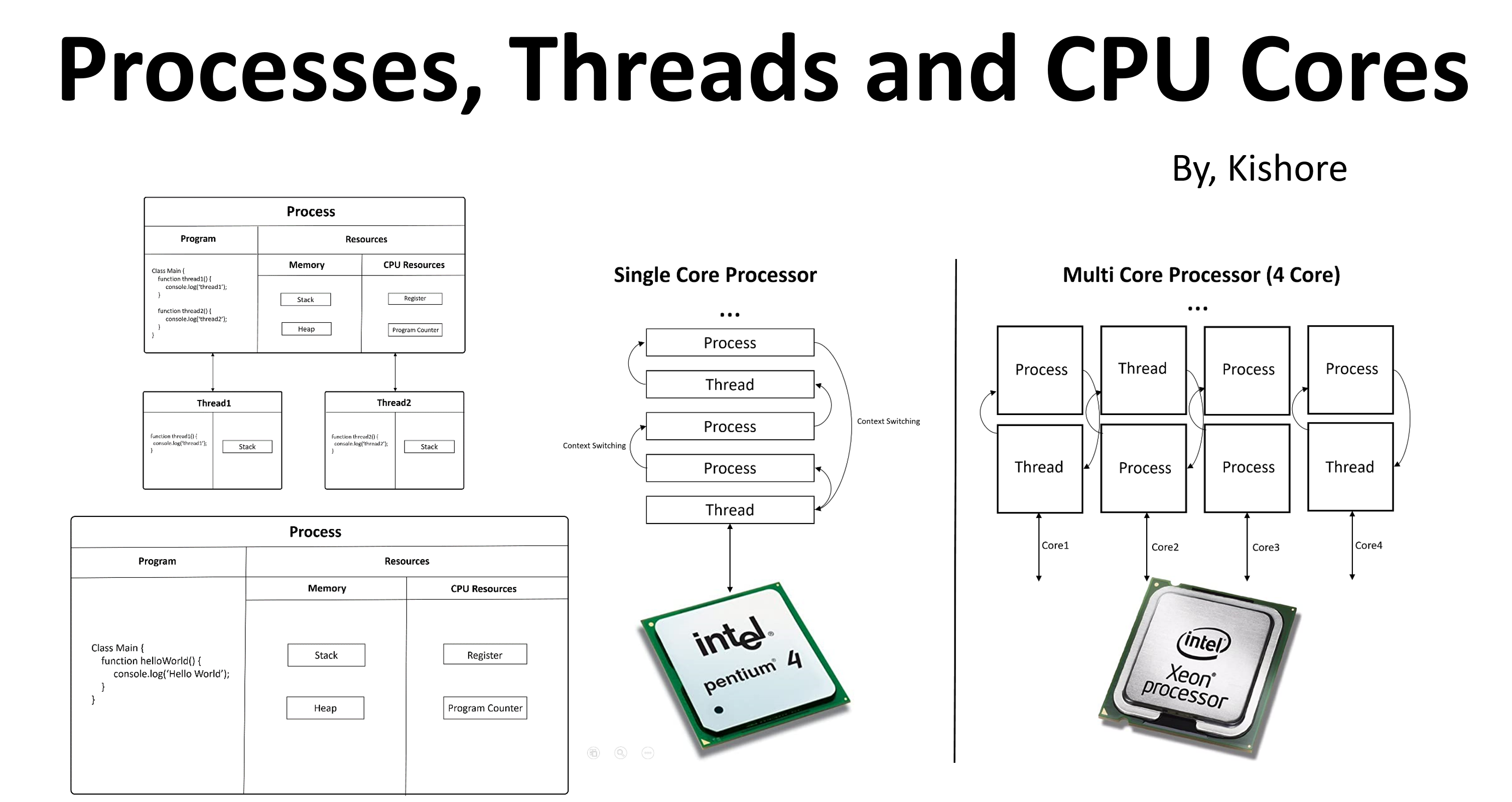
Scaling Beyond Eight Cores Is Hard
Some tasks parallelize well. Many do not. Game logic often depends on sequential decisions, which limits how far workloads can spread. Past eight cores, returns diminish fast.
Consoles Are Part of the Story
Modern consoles complicate things. PlayStation 5 and Xbox Series consoles use eight-core Zen 2 CPUs with relatively modest clock speeds. Developers design games to fit within those constraints.
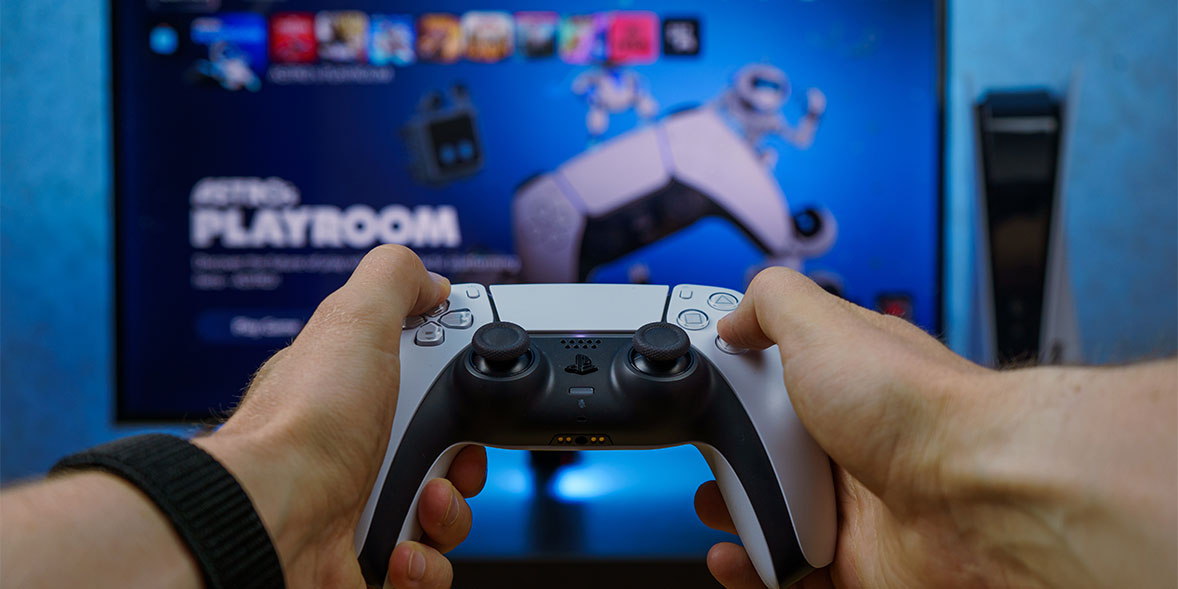
On PC, higher clock speeds expose inefficiencies that consoles hide through fixed hardware and tight optimization. A game that runs acceptably on a console can become CPU-bound on a high-end PC when unlocked frame rates push simulation workloads harder.
Intel vs AMD in the Real World
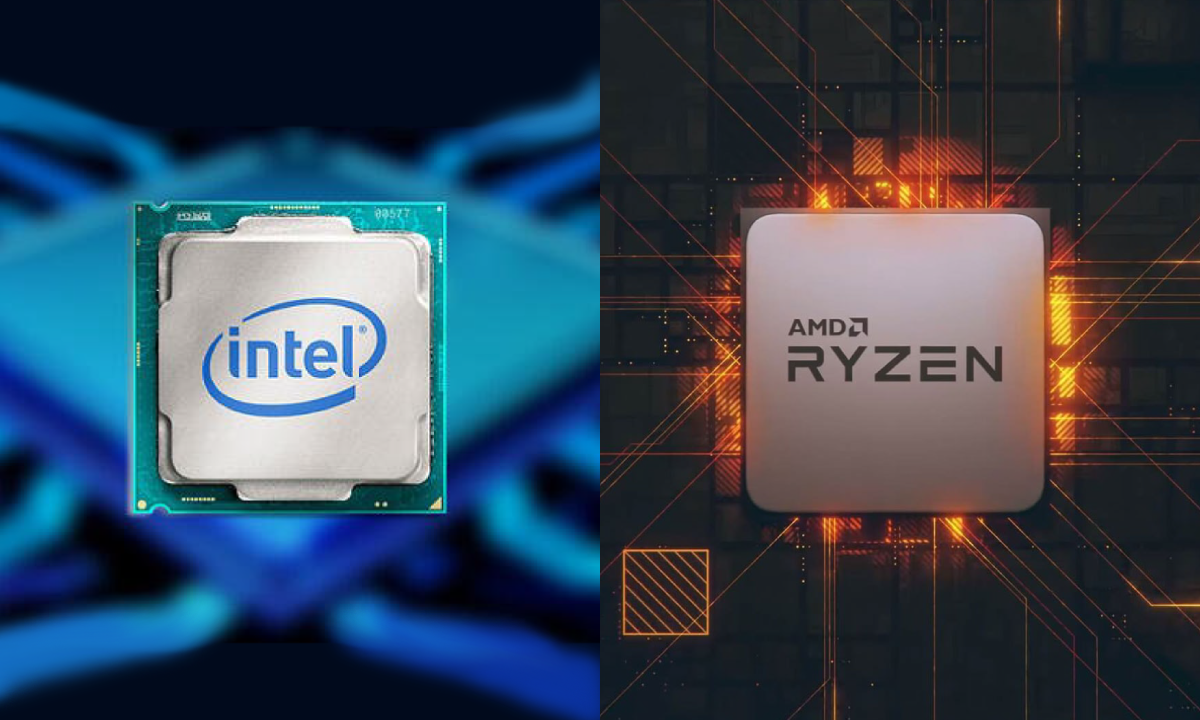
This is where brand debates heat up. In many CPU-bound games, Intel’s higher single-core clocks still deliver strong results. AMD counters with large caches and efficient multi-core designs that shine in certain engines.
There is no universal winner. Performance depends on how a game schedules its work. Titles that lean heavily on cache benefit from AMD’s designs. Games that hammer one or two threads often favor raw clock speed.
This is why sweeping claims about one brand being “better for gaming” rarely hold up outside specific test cases.
Counterpoints Worth Acknowledging
Not every modern game struggles with CPU scaling. Engines like id Tech and some proprietary studio tech scale impressively across cores. Strategy titles and simulation-heavy games often prioritize CPU design and show what is possible with careful threading.
It is also fair to note that many CPU bottlenecks appear at lower resolutions. At 4K, GPUs reclaim dominance in most titles. For players targeting high refresh rates, though, CPU limits remain impossible to ignore.
What Comes Next
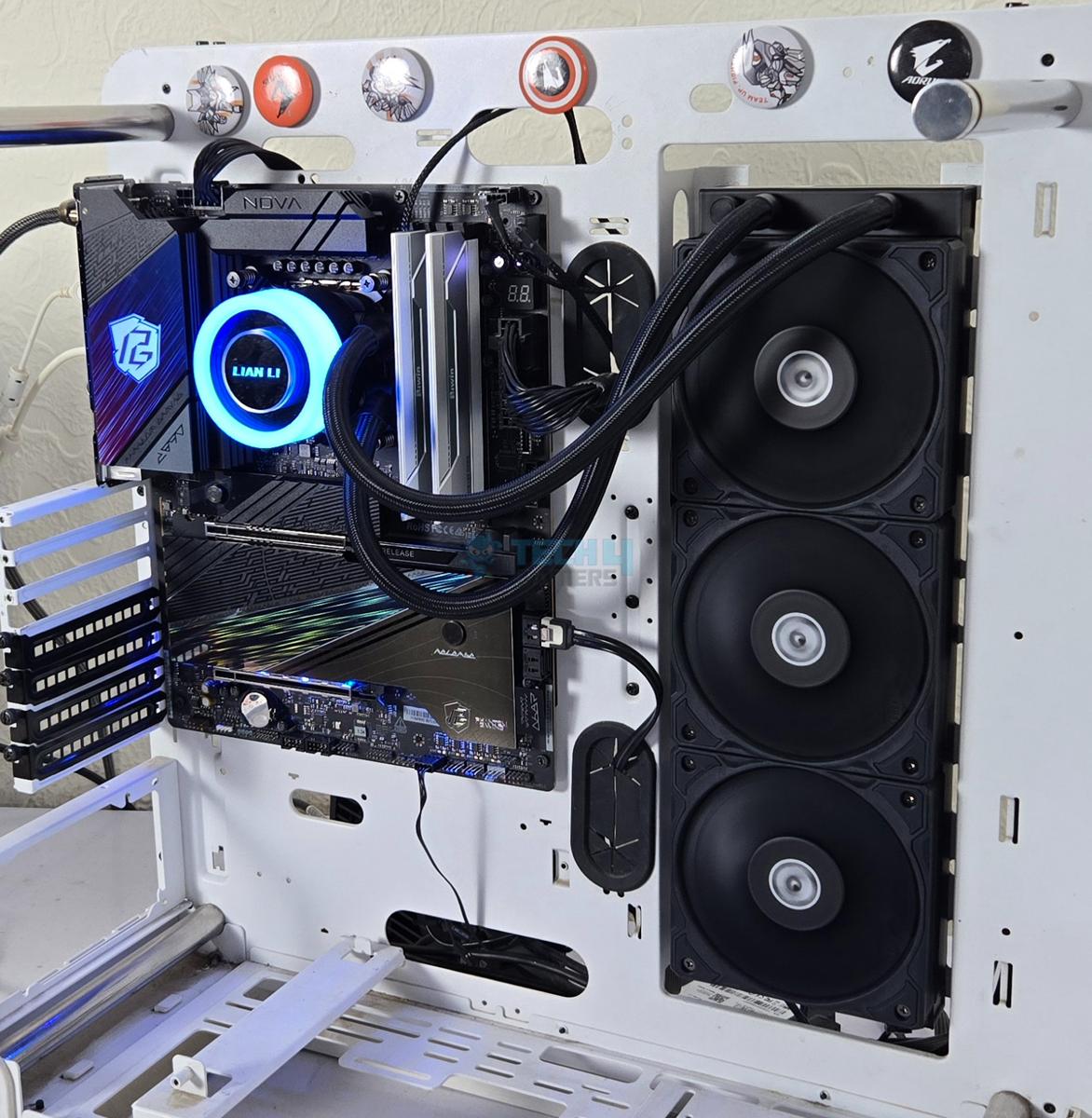
CPU bottlenecks are not going away soon. If anything, they will become more visible as GPUs continue to outpace CPU gains in gaming workloads. Engine rewrites take years, not months, and systemic game design only grows more complex.
For players, the takeaway is simple. Balance matters again. Chasing GPU upgrades without considering CPU capability is a gamble. Clock speed, architecture efficiency, and memory performance deserve renewed attention.
For the industry, this is a quiet inflection point. The future of PC gaming performance will not be decided by shaders alone. It will be shaped by how well games think, not just how well they look.
Thank you! Please share your positive feedback. 🔋
How could we improve this post? Please Help us. 😔

[Comparisons Expert]
Shehryar Khan, a seasoned PC hardware expert, brings over five years of extensive experience and a deep passion for the world of technology. With a love for building PCs and a genuine enthusiasm for exploring the latest advancements in components, his expertise shines through his work and dedication towards this field. Currently, Shehryar is rocking a custom loop setup for his built.
Get In Touch: shehryar@tech4gamers.com
 Join Our Community