



- While gamers previously ignored update notifications without consequence, modern AAA titles now demand day-one driver updates to function correctly.
- Developers increasingly rely on specific “Game Ready” patches to fix technical flaws like shader compilation issues that exist at launch.
- Outdated drivers frequently cause graphical glitches, stuttering, and system crashes in new releases.
For the longest time, GPU driver updates were something I treated like Windows notifications. I saw them, ignored them, and told myself I’d deal with them later.
Most PC gamers probably do the same thing. If a game was running fine, I didn’t really care. Updating drivers felt boring compared to actually playing games. And quite frankly, it was easy to forget about entirely until something started breaking.
That mindset worked… until newer AAA games started becoming way more dependent on day-one driver support (looking at you, Forza Horizon 6).
New Games Started Punishing Outdated Drivers

A few years ago, you could skip GPU updates for months and barely notice. That doesn’t really feel true anymore.
I started noticing weird issues more often whenever a big release came out. One game would stutter constantly during cutscenes. Another would randomly crash after an hour. Sometimes textures would load incorrectly, or performance would feel inconsistent for no obvious reason.
At first, I blamed the games themselves. To be fair, modern PC launches are messy enough already. But after updating the outdated drivers a few times and watching problems disappear almost instantly, it became obvious that staying current actually mattered more than I thought.
That was probably the moment I stopped treating driver updates like optional maintenance.
Modern PC Gaming Feels Built Around Day-One Updates
Now it feels like every major release comes with some kind of “optimized Game Ready driver” announcement attached to it.
And whether people like hearing it or not, those updates sometimes genuinely help.
I’ve seen new drivers improve shader compilation stutter, reduce crashes, and smooth out performance in games that launched in rough shape. Not every update changes things dramatically, but enough of them do that skipping updates no longer feels worth the risk.
Especially when modern games already demand so much from your PC.
When you’re spending hours downloading massive patches and tweaking settings just to get stable performance, ignoring GPU drivers starts feeling like the easiest mistake to avoid.
I Got Tired of Manually Checking Everything

The annoying part wasn’t updating drivers themselves. It was remembering to do it.
Manually checking NVIDIA or AMD websites before every major release gets old fast. Most people simply don’t think about drivers until something stops working.
That’s partly why I ended up using DriverBooster for a while. Not because it magically boosted performance, but because it made keeping drivers updated less of a chore.
And honestly, convenience matters more than people admit when it comes to PC maintenance.
If updates become annoying enough, most gamers will just stop doing them entirely.
One thing I realized over time is that driver updates aren’t really about chasing huge performance gains anymore. Most of the time, the bigger benefit is stability.
I care way more about avoiding crashes, freezing, or weird frame pacing issues than gaining three extra FPS in a benchmark video. A stable game session is worth more than tiny performance numbers you’ll never notice while actually playing.
That’s especially true now that PC ports are launching in rougher condition than ever. Updated drivers can’t fix broken optimization, but they can sometimes stop games from feeling completely unplayable at launch.
Bad Drivers Still Exist
Of course, updating drivers isn’t always perfect either. Sometimes a new release introduces fresh problems instead of fixing them.
Anybody who games on PC long enough eventually runs into a driver update that tanks performance in one specific game or creates random bugs out of nowhere.
That’s why I still don’t install every update immediately the second it drops. If a driver release starts causing widespread problems, the internet usually notices within hours.
At this point, I mostly treat driver updates the same way I treat new game patches: useful, necessary, but occasionally risky.
PC gaming gives you freedom, graphics options, modding support, and better performance potential than consoles. But the tradeoff is maintenance. There’s always something to update, optimize, tweak, or troubleshoot.
Drivers are just part of that reality now. And while it’s still annoying sometimes, I’ve learned that ignoring updates usually creates more problems than simply taking two minutes to install them.
Final Thoughts
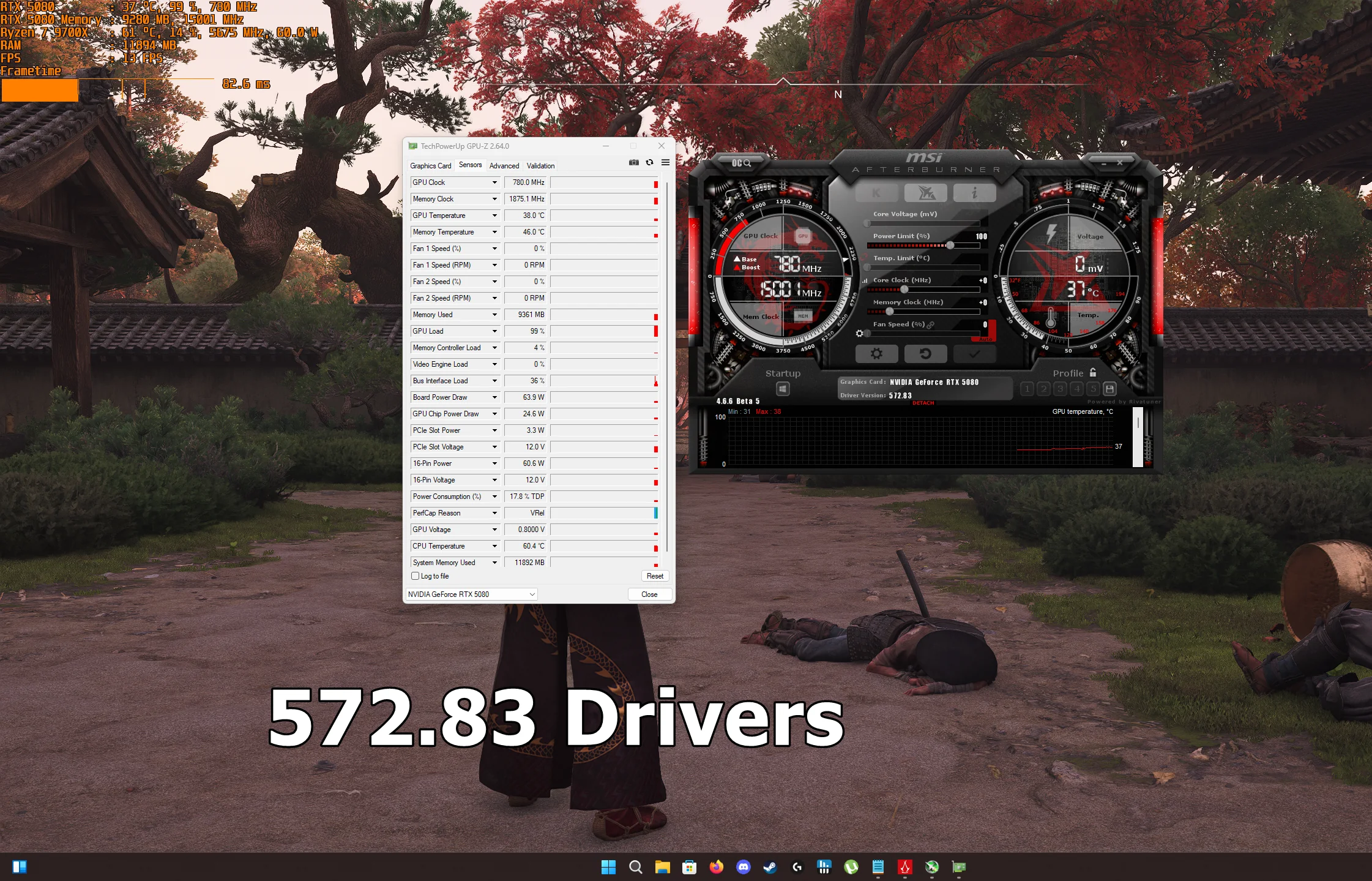
I used to think GPU driver updates were mostly background tech stuff that only enthusiasts cared about. Now I see them as part of modern PC gaming itself.
New releases are arriving faster, games are becoming more demanding, and launch-day optimization feels more dependent on updated drivers than ever before. Keeping them current won’t magically fix every broken PC port, but it can save you from a lot of unnecessary frustration.
So yeah, I finally stopped ignoring driver updates. Mostly because modern PC gaming stopped letting me get away with it.
Thank you! Please share your positive feedback. 🔋
How could we improve this post? Please Help us. 😔

Passionate gamer and content creator with vast knowledge of video games, and I enjoy writing content about them. My creativity and ability to think outside the box allow me to approach gaming uniquely. With my dedication to gaming and content creation, I’m constantly exploring new ways to share my passion with others.
 Join Our Community