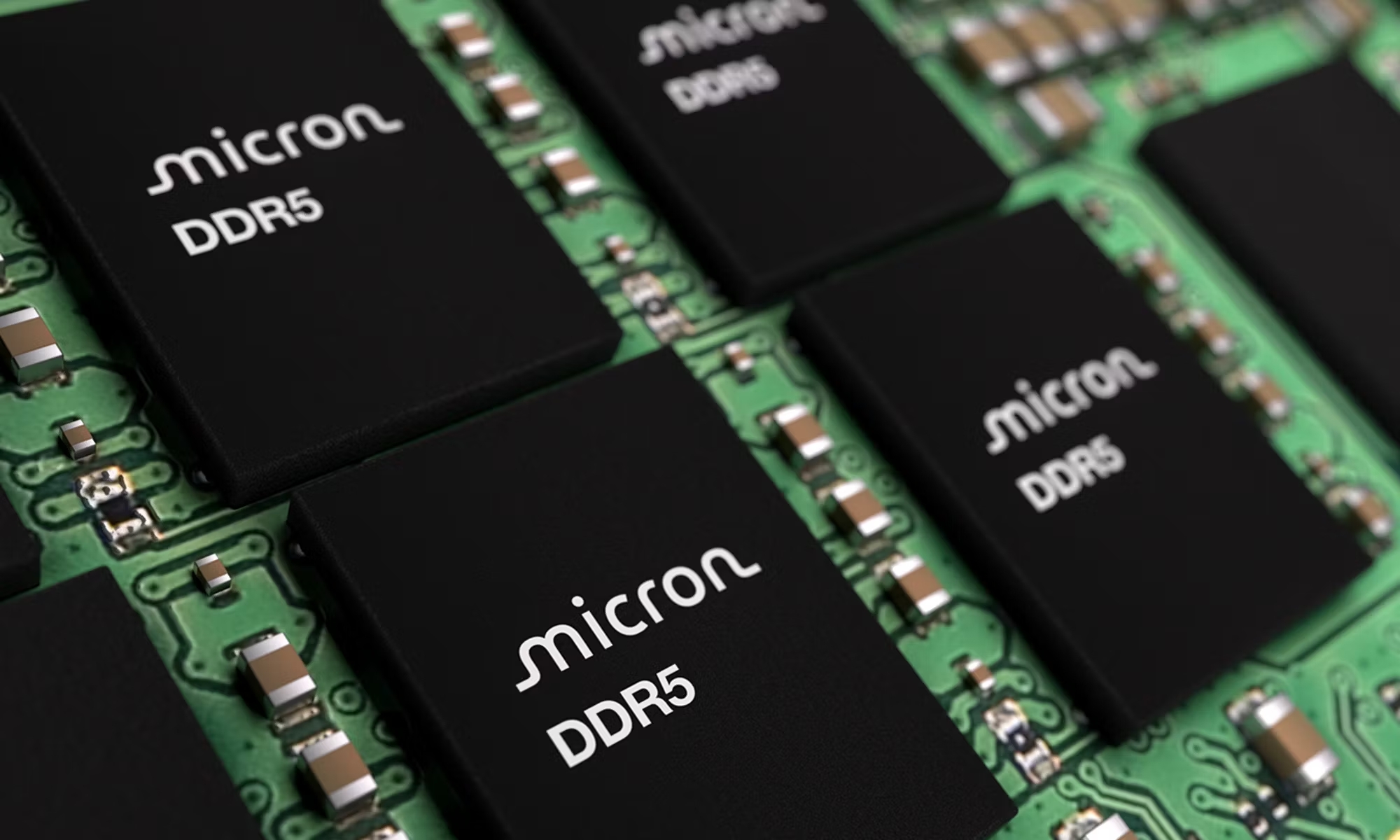



- Memory manufacturers are hesitant to expand production lines since the demand boom may end soon.
- They are thinking about contingency plans in case of a DRAM downturn.
- The firms are unwilling to expand fab capacity beyond what’s already in motion.
The crisis is hitting the gaming industry hard, as memory products grow more costly and scarce. Even developers have grown stressed and now plan to focus more on optimization moving forward. Past predictions suggested it may get worse over time and last beyond 2030.
While memory makers are expanding their production chains for immediate demand, a new report claims they’re worried about growing more than necessary in case of a sudden downturn. Samsung expects the immense demand boom to only last until late 2028.
Why it matters: While the gaming industry is worried about a long-lasting memory shortage, it appears manufacturers are planning contingencies for the opposite scenario. They predict a DRAM downturn to hit the global scene in late 2028.

The South Korean-based Daily Chosun reports that Samsung’s internal projections expect the supply chain balance to be restored soon. So, they’re unwilling to overinvest in building new capacity after demand for DRAM in the form of HBM and regular DDR inevitably cools down.
The current expansion plans for next-generation HBM product lines are already underway, but memory makers are also exploring contingency measures to deal with sudden downturns in the future.
Additionally, memory makers are no longer considering expanding fab capacity any further than what’s already in motion; shorter and irregular supply cycles have made it harder to accurately figure out production scales and investments.

The current expansion projects are already expected to stabilize the huge yet predictable AI demand and hyperscaler orders in the future, so adding more fab capacity and investing additional funds could backfire in case the AI bubble bursts.
On the other hand, conflicts in the Middle East are resulting in a shortage of resources like helium and bromine, which could push the memory crisis to last longer than Samsung’s internal projections.
Do you think the ongoing memory crisis is going to end in late 2028, or will the ongoing world conflicts drive up the timeline beyond 2030? Let us know your thoughts in the comments below, or join the discussion on the Tech4Gamers forum.
Thank you! Please share your positive feedback. 🔋
How could we improve this post? Please Help us. 😔

Shameer Sarfaraz has previously worked for eXputer as a Senior News Writer for several years. Now with Tech4Gamers, he loves to devoutly keep up with the latest gaming and entertainment industries. He has a Bachelor’s Degree in Computer Science and years of experience reporting on games. Besides his passion for breaking news stories, Shahmeer loves spending his leisure time farming away in Stardew Valley. VGC, IGN, GameSpot, Game Rant, TheGamer, GamingBolt, The Verge, NME, Metro, Dot Esports, GameByte, Kotaku Australia, PC Gamer, and more have cited his articles.
 Join Our Community