


- Following the release of Bully in 2006, Rockstar never revisited the franchise.
- Studio co-founder Dan Houser says that a sequel didn’t happen because Rockstar could only work on limited projects with limited resources.
- At the time, the studio was juggling games like GTA 4, Red Dead Redemption, and a lot more.
Rockstar is famous for its output in the gaming industry. Between highly revered classics like Red Dead Redemption 2 and top-sellers like GTA 5, very few studios can match the games Rockstar has put out over the years.
Other IPs, such as Bully, also remain fan-favorites to this day, with many expressing interest in a sequel. Although Bully 2 has been rumored for quite a while, the studio’s founder says that the game never happened due to bandwidth issues.
Why it matters: Insiders previously revealed that Rockstar was indeed interested in making Bully 2. Unfortunately, the project was cancelled fairly early on in development.

According to Dan Houser, the co-founder of Rockstar, Bully 2 not happening was simply a matter of the studio lacking enough resources. When the original game launched in 2006, Rockstar had its hands full with a slew of different projects.
Between GTA 4, Red Dead Redemption, and more, multiple plans were already in motion by the time the team would have moved on to Bully 2. Dan Houser says that the studio could only do so much at the time with its limited resources.
I think it was just bandwidth issues. If you’ve got a small lead creative team and a small leadership crew, you just can’t do all the projects you want.
It should also be noted that Rockstar was not nearly as big in 2006 as it is today. The studio employs thousands of developers today, largely due to the success brought on by GTA 5 in 2013.
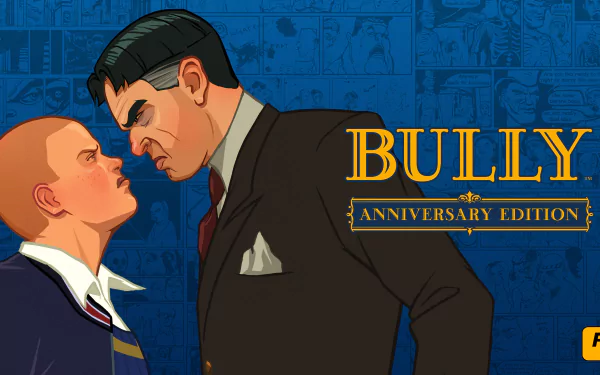
This is likely why many of Rockstar’s smaller IPs have not been revisited to this day. The likes of Midnight Club and Manhunt are a few more examples of franchises that have been left behind in favor of Red Dead Redemption and GTA.
Still, fans remain interested in Bully 2. Many even believe that Rockstar should branch out to other IPs after GTA 6, with Bully being among the frontrunners for a new release.
What do you make of Dan Houser’s insight on the subject? Let’s discuss in the comments and on the Tech4Gamers Forums.
Thank you! Please share your positive feedback. 🔋
How could we improve this post? Please Help us. 😔

[Senior News Reporter]
Avinash is currently pursuing a Business degree in Australia. For more than 5 years, he has been working as a gaming journalist, utilizing his writing skills and love for gaming to report on the latest updates in the industry. Avinash loves to play action games like Devil May Cry and has also been mentioned on highly regarded websites, such as IGN, GamesRadar, GameRant, Dualshockers, CBR, and Gamespot.
 Join Our Community