


- Simple basics make Splatoon easier for beginners to enter than Smash.
- Success relies on controlling the map and positioning rather than just winning individual fights.
- Regular developer updates and structured leagues provide Splatoon with more official stability than the community-led Smash scene.
There’s always been a quiet debate in the Nintendo crowd: is Splatoon 3 actually a better competitive game than Super Smash Bros. Ultimate?
Smash has the legacy, the iconic roster, and years of tournament history. But Splatoon keeps hanging around in that same conversation and honestly, it’s not hard to see why.
Smash can be brutal for new players. You’re dealing with frame data, matchup knowledge, and mechanics that take months just to feel comfortable.
Splatoon flips that. The basics are simple. Shoot ink, cover turf, move smart. You can jump in and have fun immediately. But once you start climbing ranks, the game changes completely. Positioning, timing, and map control become everything.
That balance is a big reason it works competitively. It welcomes new players but still rewards the ones who grind.
Map Control > Raw Skill
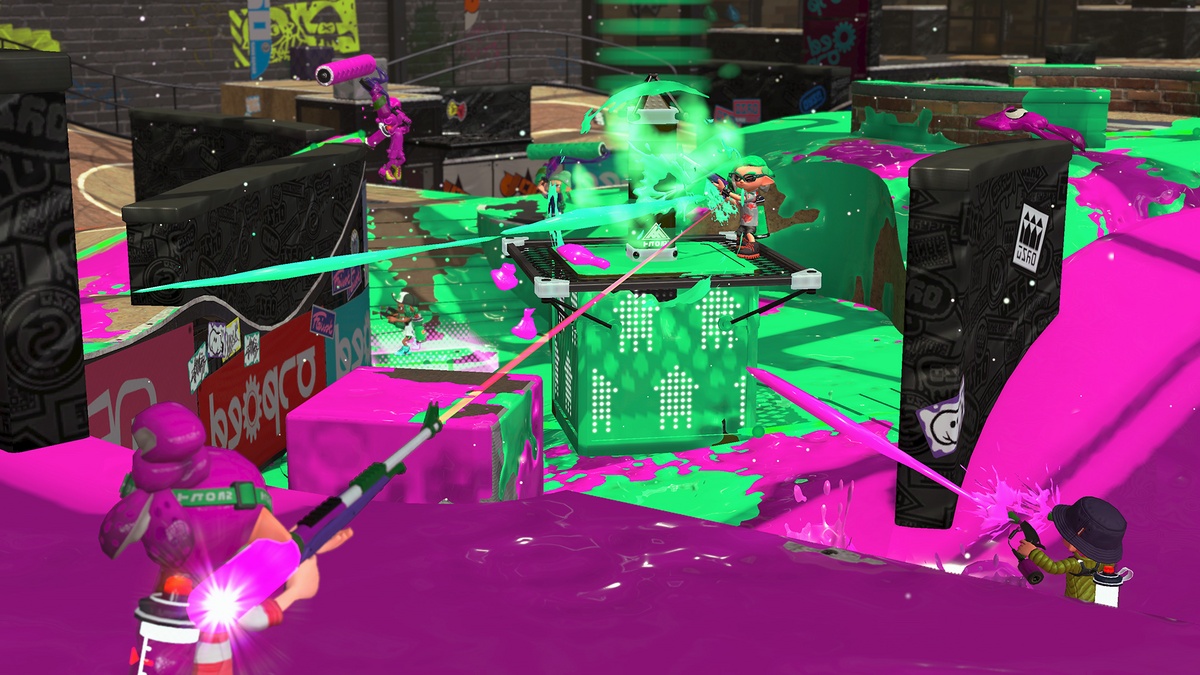
In Smash, it often comes down to who outplays who in a direct fight. Splatoon is different. You can win without dominating every duel.
Control the map, control the game. Every push, every retreat, every special use matters. Even something small like holding a choke point during Rainmaker can decide the entire match.
That kind of layered decision-making gives Splatoon a strong team-based identity that Smash just doesn’t aim for.
Consistency Is Everything
This is where Splatoon really separates itself. High-level matches aren’t just about flashy plays. They’re about staying consistent under pressure.
If your aim falls apart or your rhythm breaks, the whole team feels it. That’s why players focus so much on building steady mechanics. Some even look outside the game for that edge. Things like real-world practice tools, including paintball hoppers, can actually help develop timing and trigger discipline in a weirdly similar way.
It sounds unconventional, but the idea is simple. Build muscle memory, keep your output steady, and avoid those moments where everything falls apart mid-fight.
One area where Splatoon has improved a lot is support. Nintendo has been way more active with updates recently.
The March 2026 patch for Splatoon 3 tweaked weapon balance, improved matchmaking in X Rank, and made some kits more viable. These aren’t huge changes individually, but together they keep the meta from getting stale.
And then there’s the return of organized competition. The 2026 North American League brought structured play back into focus with weekly matches and playoffs. That kind of consistency matters if a game wants to stay relevant competitively.
Smash still has a massive scene, but a lot of it runs on community effort. Splatoon feels like it’s getting more direct support right now.
Team Play Changes Everything
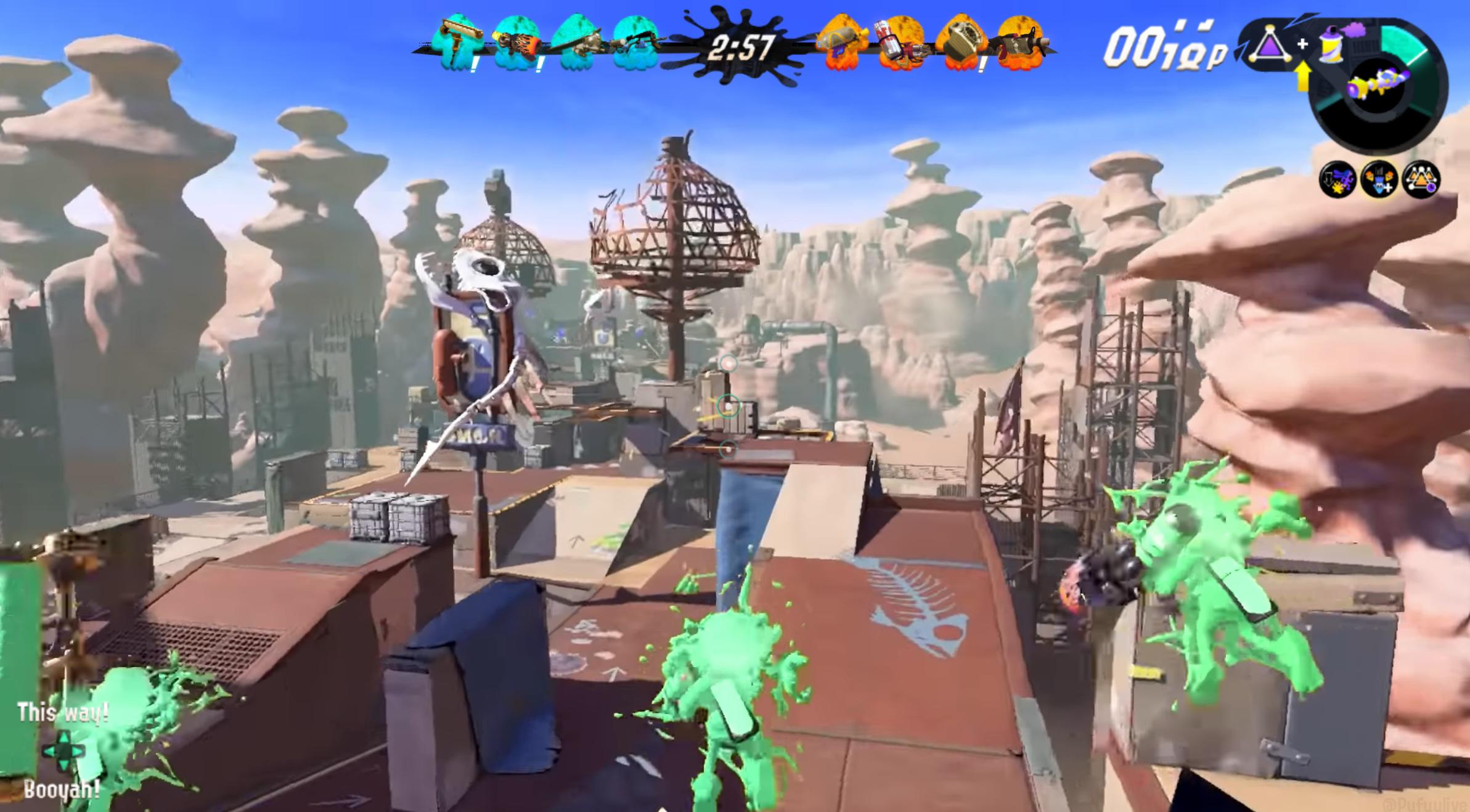
Smash is mostly about individual performance. Even in doubles, it’s still heavily player-focused.
Splatoon is all about teamwork. You’re constantly syncing with teammates, coordinating specials, and covering for each other. One bad push can throw everything off, but one smart play can swing the entire match.
That makes it more unpredictable and, honestly, more exciting to watch when both teams are locked in.
Smash Bros. is still the bigger name. That’s not changing anytime soon. But Splatoon doesn’t need to replace it to compete with it.
It offers something different. Faster matches, team-based strategy, constant updates, and a skill curve that feels rewarding without being overwhelming early on.
That’s why it keeps showing up in the same conversation. Not because it copies Smash, but because it fills a space Smash doesn’t.
And as long as Nintendo keeps supporting it the way it has been, Splatoon isn’t going anywhere.
Thank you! Please share your positive feedback. 🔋
How could we improve this post? Please Help us. 😔

[Senior News Reporter]
Avinash is currently pursuing a Business degree in Australia. For more than 5 years, he has been working as a gaming journalist, utilizing his writing skills and love for gaming to report on the latest updates in the industry. Avinash loves to play action games like Devil May Cry and has also been mentioned on highly regarded websites, such as IGN, GamesRadar, GameRant, Dualshockers, CBR, and Gamespot.
 Join Our Community