



- Community modders often fix PC-specific issues faster than official patches
- Studios quietly adopt mod solutions without formal credit or compensation
- Players now look to community patches as a first response to broken PC launches
- The growing reliance on unpaid labor raises ethical and long-term concerns
PC players have learned a quiet habit over the years. When a new release stutters, crashes, or runs like it skipped optimization day, they do not wait for the next official patch. They open a mod page, scroll past the comments, and download a fix made by someone who had the same problem and refused to live with it.
That reality has become so normal that it barely raises eyebrows anymore. Community modders are still fixing PC games before the studios that shipped them, and in many cases, they are doing it better.
The Pattern Players Know Too Well
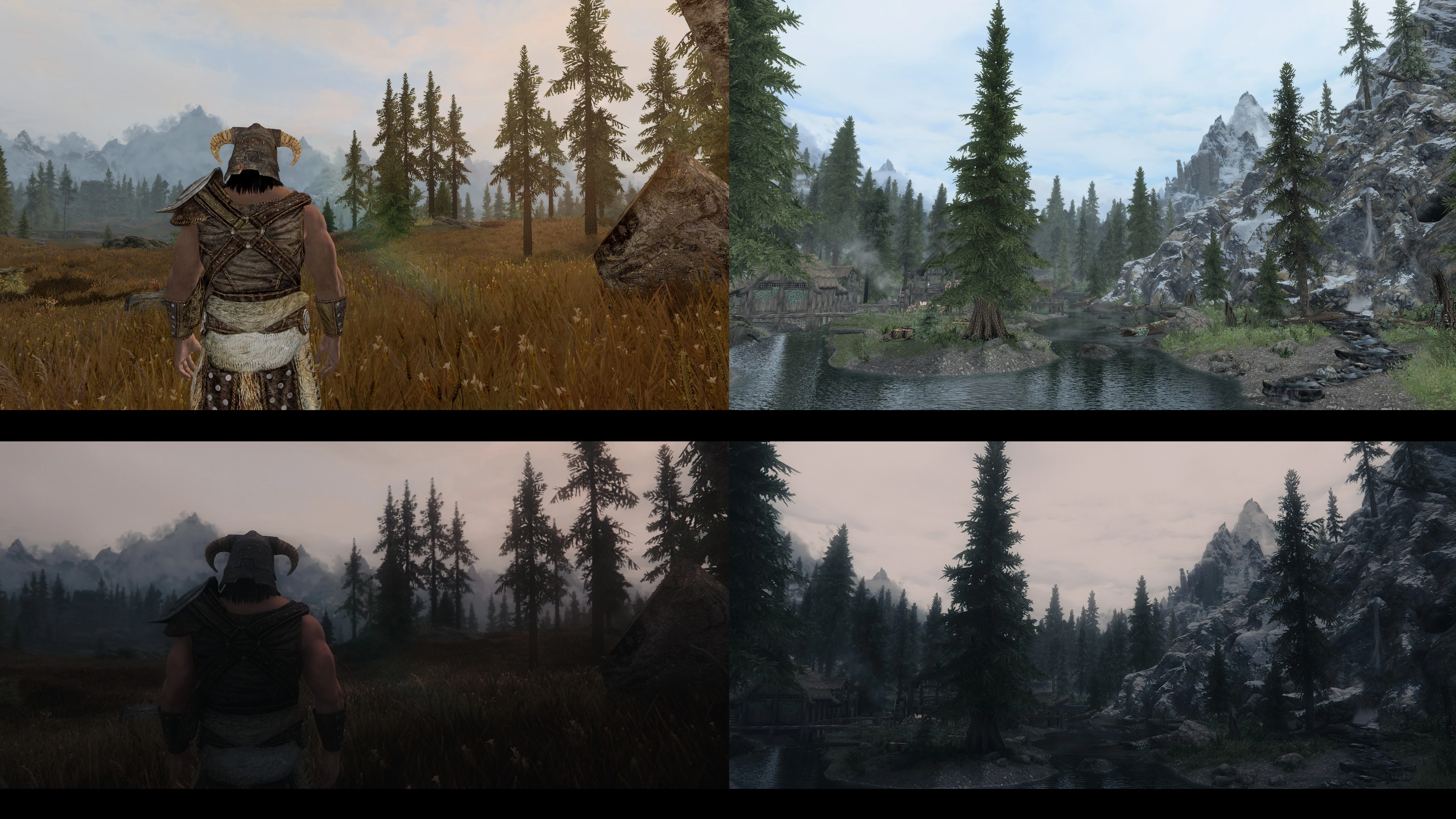
The pattern is familiar. A major PC release lands with uneven performance, shader stutter, broken ultrawide support, or memory issues. The studio acknowledges the problem, promises a patch, and goes quiet for a few weeks. Meanwhile, a modder uploads a community patch that cleans up frame pacing, removes unnecessary checks, or tweaks engine behavior in ways that immediately improve the experience.
This has happened across genres and budgets. From open-world RPGs to big-name action games, PC-focused fixes often appear first on community hubs. Some studios eventually roll out similar changes, sometimes months later, sometimes quietly folded into a larger update without direct acknowledgment.
What makes this moment different is scale. Community patches are no longer niche tweaks for edge cases. They are becoming essential downloads for thousands of players, often recommended before official updates even arrive. This cycle played out clearly during The Last of Us Part I PC launch, where fans were fixing performance issues long before official patches arrived.
Why Modders Move Faster Than Studios
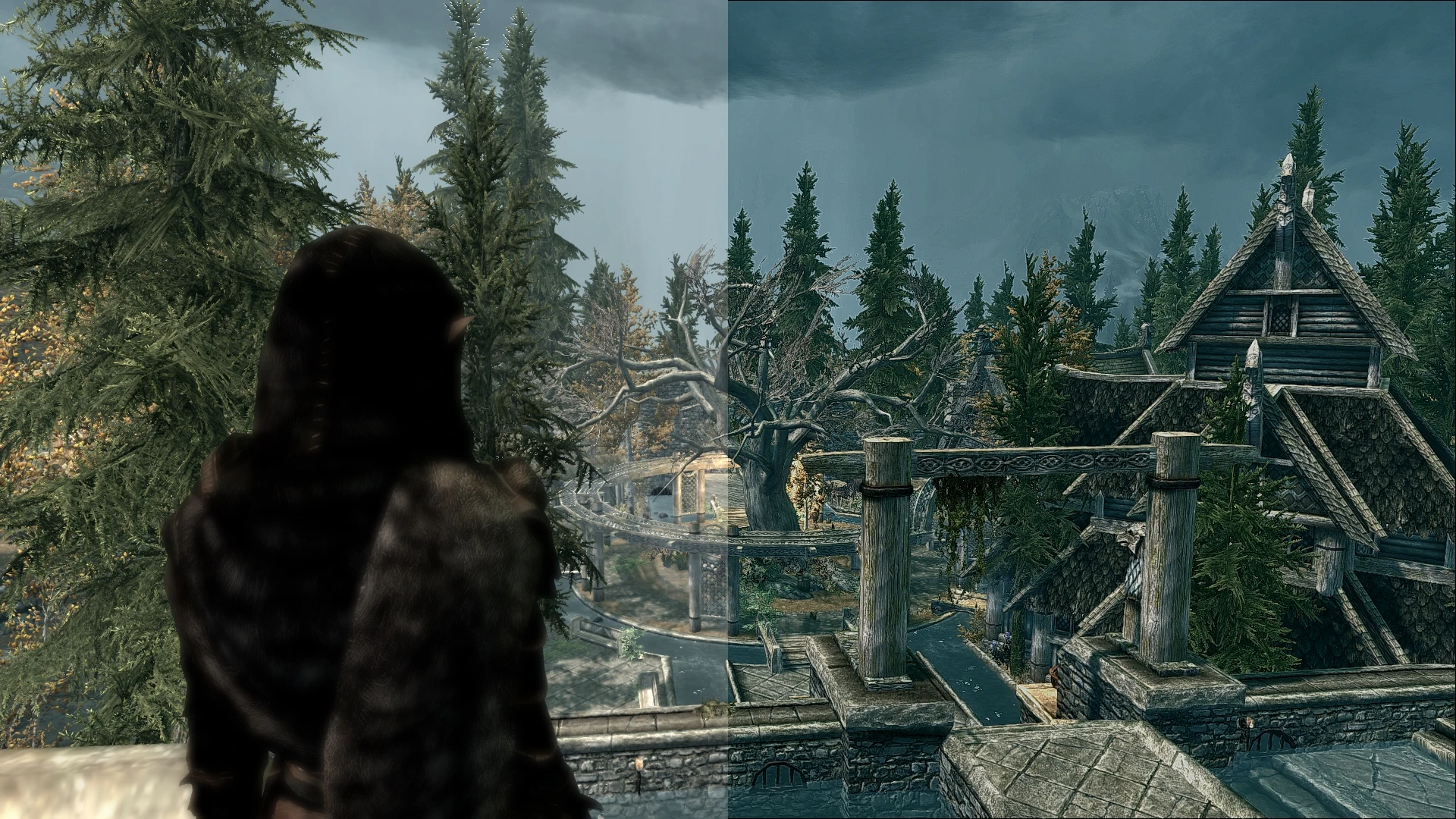
Speed is not magic here. It is structured. We have seen this with community-made Witcher 3 ray tracing fixes, which delivered smoother performance without waiting for a major studio overhaul.
Most studios ship games across multiple platforms at once. Any fix has to pass certification, maintain console parity, and avoid breaking builds that are already locked for release windows. That process is slow by design.
Modders live in a different world. They are PC-first, sometimes PC-only. They do not worry about console memory budgets or cross-platform consistency. If a fix improves performance on a specific CPU architecture or graphics driver, that is good enough. There is no approval chain, no publisher sign-off, and no marketing beat to hit.
Motivation matters too. Modders fix problems because they want the game to work on their own machines. There is no quarterly deadline or roadmap pressure. When something is broken, they dig until it is not.
Studios Are Quietly Following Their Lead

One of the more uncomfortable trends is how often official patches resemble earlier community fixes. Players notice when the same configuration flags, memory tweaks, or engine changes show up later in official updates. Sometimes studios credit the community. Often, they do not.
From a business perspective, it makes sense. If a fix works, adopt it. From an ethical perspective, it gets murky. These fixes represent hours of unpaid labor, reverse engineering, and testing. They improve commercial products that continue to generate revenue.
The lack of formal recognition or compensation has started to frustrate parts of the modding community. What was once a passion-driven hobby now feels, to some, like unpaid support work filling gaps left by billion-dollar studios. Most of these fixes appear first on Nexus Mods, where PC players have learned to look before waiting on official updates.
Why Players Trust Modders More Right Now

Trust is earned through results. Players care less about who ships the fix and more about whether the game runs smoothly tonight.
Community patches often arrive faster, target specific PC pain points, and include detailed explanations of the changes they make. Modders tend to document their work clearly, respond to feedback, and iterate quickly when something breaks.
Official patches, by contrast, are often bundled with unrelated changes, vague notes, and longer wait times. When a mod consistently delivers better performance with fewer side effects, players notice and adjust their expectations.
This shift has real consequences. Mods are extending game lifespans, stabilizing releases long after official support has ended, and in some cases, becoming the definitive way to play on PC. Few games prove this better than Skyrim’s modding ecosystem, which continues to evolve more than a decade after release.
The Risks Studios Cannot Ignore
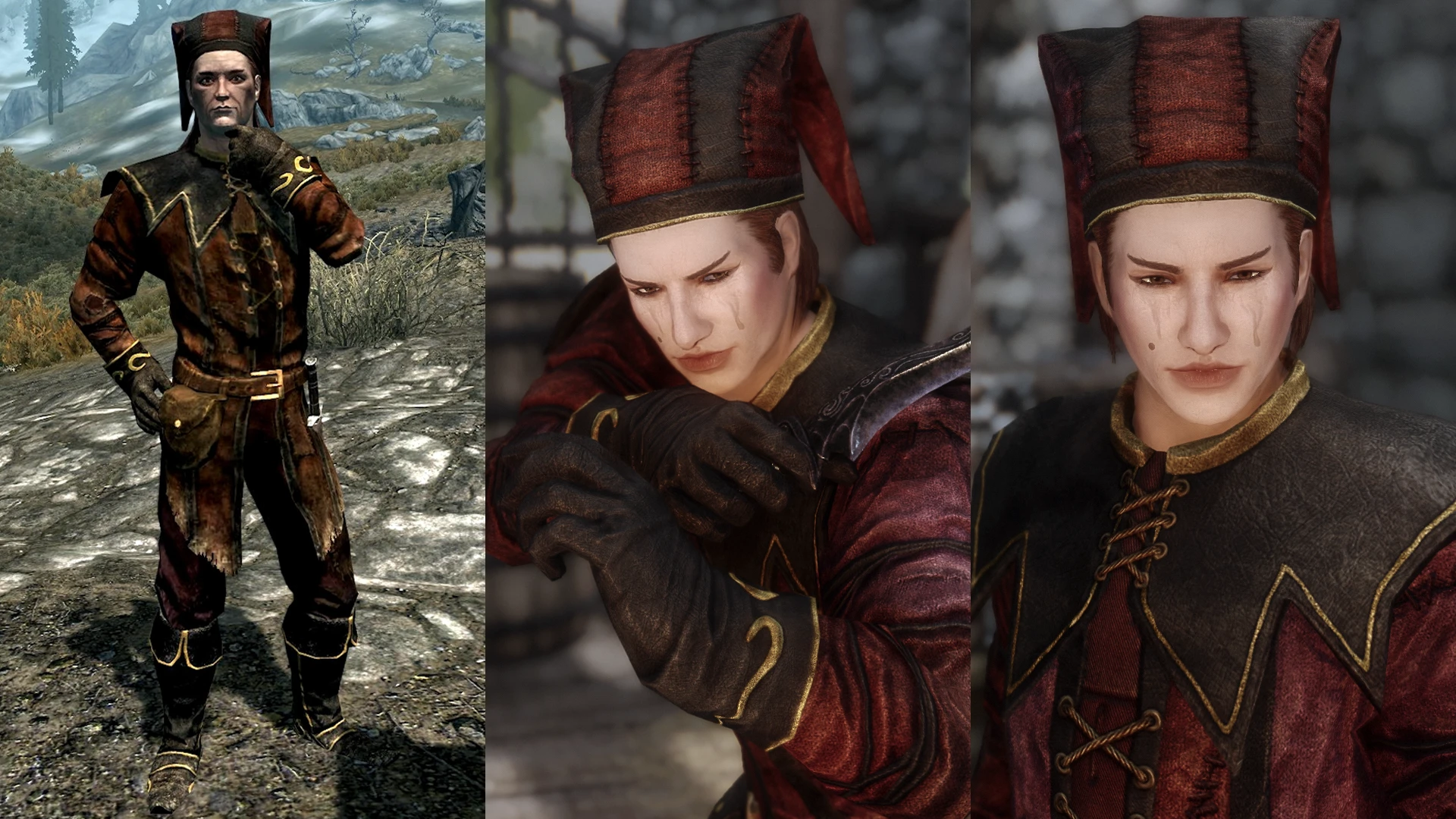
This does not mean mods are a perfect solution. Community fixes are unofficial by nature. They can introduce security risks, compatibility issues, or instability, especially when combined with other mods.
Studios also cannot rely on modders to fix systemic problems. Console certification, accessibility standards, and long-term support obligations still sit squarely on the developer’s shoulders. A mod that improves performance for one subset of players might break another configuration entirely.
There is also a legal gray area. Mods often rely on reverse engineering or undocumented engine behavior. Studios adopting those fixes wholesale can expose themselves to risks they would rather avoid.
Why Official Mod Support Needs to Be the Baseline

The lesson here is not that modders should replace developers. It is that studios should meet them halfway. Many of these lessons are already discussed openly in developer talks at GDC, where studios acknowledge how community experimentation feeds back into engine development.
Official mod support, clear documentation, and open tooling make community fixes safer, faster, and more sustainable. When developers embrace modding early, they gain a feedback loop that improves engines, exposes bottlenecks, and surfaces PC-specific issues before launch.
Studios that treat modders as partners rather than free labor tend to see longer-lasting communities and healthier PC ecosystems. The technology already exists. The cultural shift is lagging.
Where This Leaves PC Gaming
This trend is not going away. As PC hardware becomes more diverse and engines more complex, community expertise will only grow in value. The question is whether studios acknowledge that reality or continue to benefit from it quietly.
For players, the takeaway is simple. The modding community remains one of the strongest forces in PC gaming, not just for creativity, but for basic functionality. For studios, the message is harder to ignore each year. If your most reliable PC fixes come from outside your payroll, something in the process needs to change.
The future of PC gaming will still be shaped by passionate individuals tearing engines apart at night. The difference will be whether the industry finally decides to recognize them.
Thank you! Please share your positive feedback. 🔋
How could we improve this post? Please Help us. 😔

[Comparisons Expert]
Shehryar Khan, a seasoned PC hardware expert, brings over three years of extensive experience and a deep passion for the world of technology. With a love for building PCs and a genuine enthusiasm for exploring the latest advancements in components, his expertise shines through his work and dedication towards this field. Currently, Shehryar is rocking a custom loop setup for his built.
Get In Touch: shehryar@tech4gamers.com
 Join Our Community