


- Many games have evolved to offer fully functional marketplaces today.
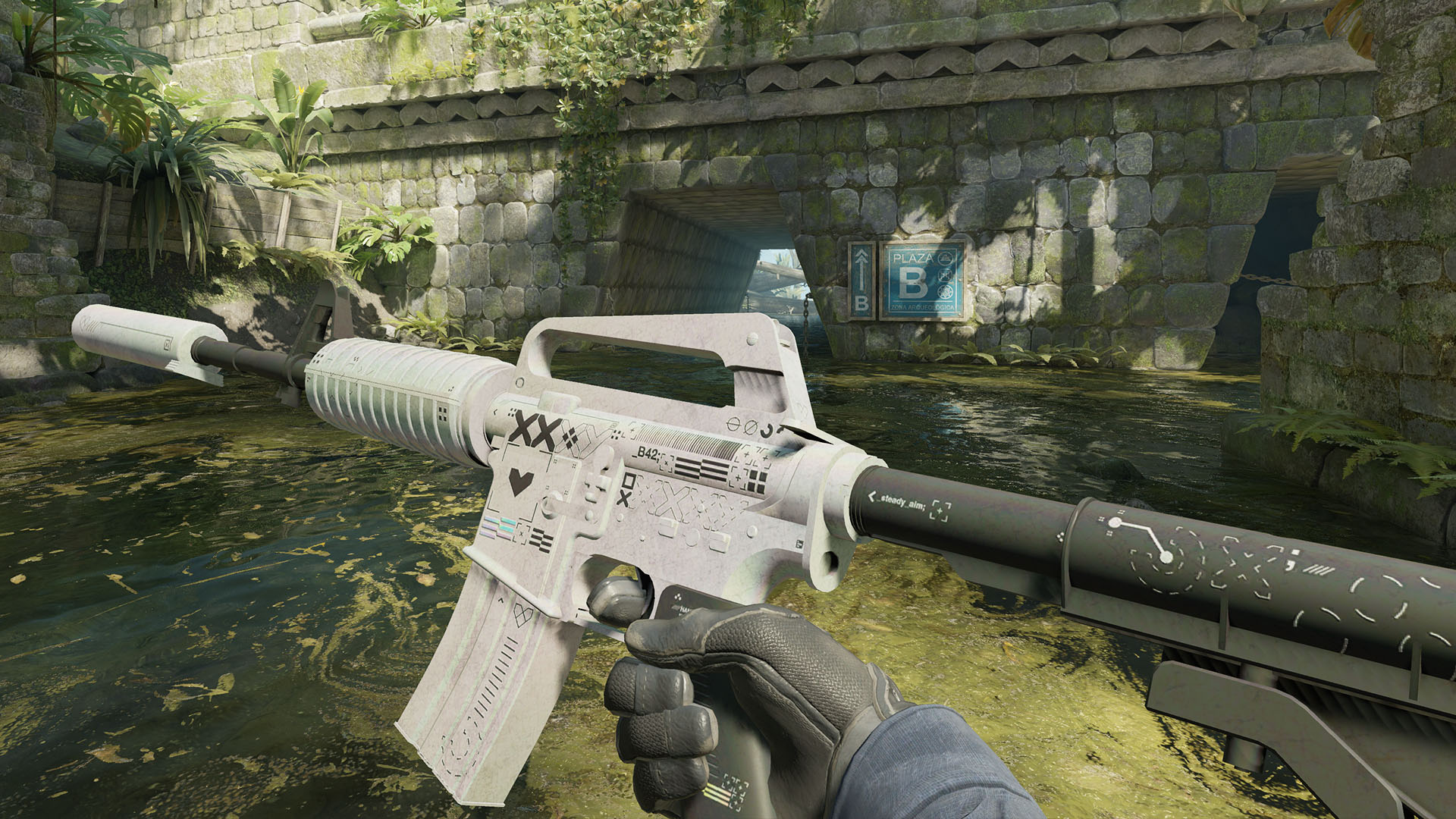
- Counter-Strike is the biggest example of this system today, offering the community an opportunity to make thousands of dollars under the right circumstances.
- Games like Silent Hill PT can also become incredibly valuable if they are no longer being sold.
In-game purchases, or microtransactions, have become so popular today that they have evolved into completely different ecosystems.
Particularly, the likes of CS2 have established huge communities built entirely around the aspect of trading, and in many cases, those involved in these communities don’t even engage with the core game.
This is mainly because these marketplaces have become real businesses for some. Many have made hundreds of thousands of dollars through Counter-Strike’s cases and rare weapon skins, monitoring the market fluctuations much like in the real world.
On the other hand, some players also take an interest in money earning games as an alternative to trading cases, skins, or rare items.
Why it matters: These options allow games to attract players from outside the typical audience.
Games With Live Marketplaces
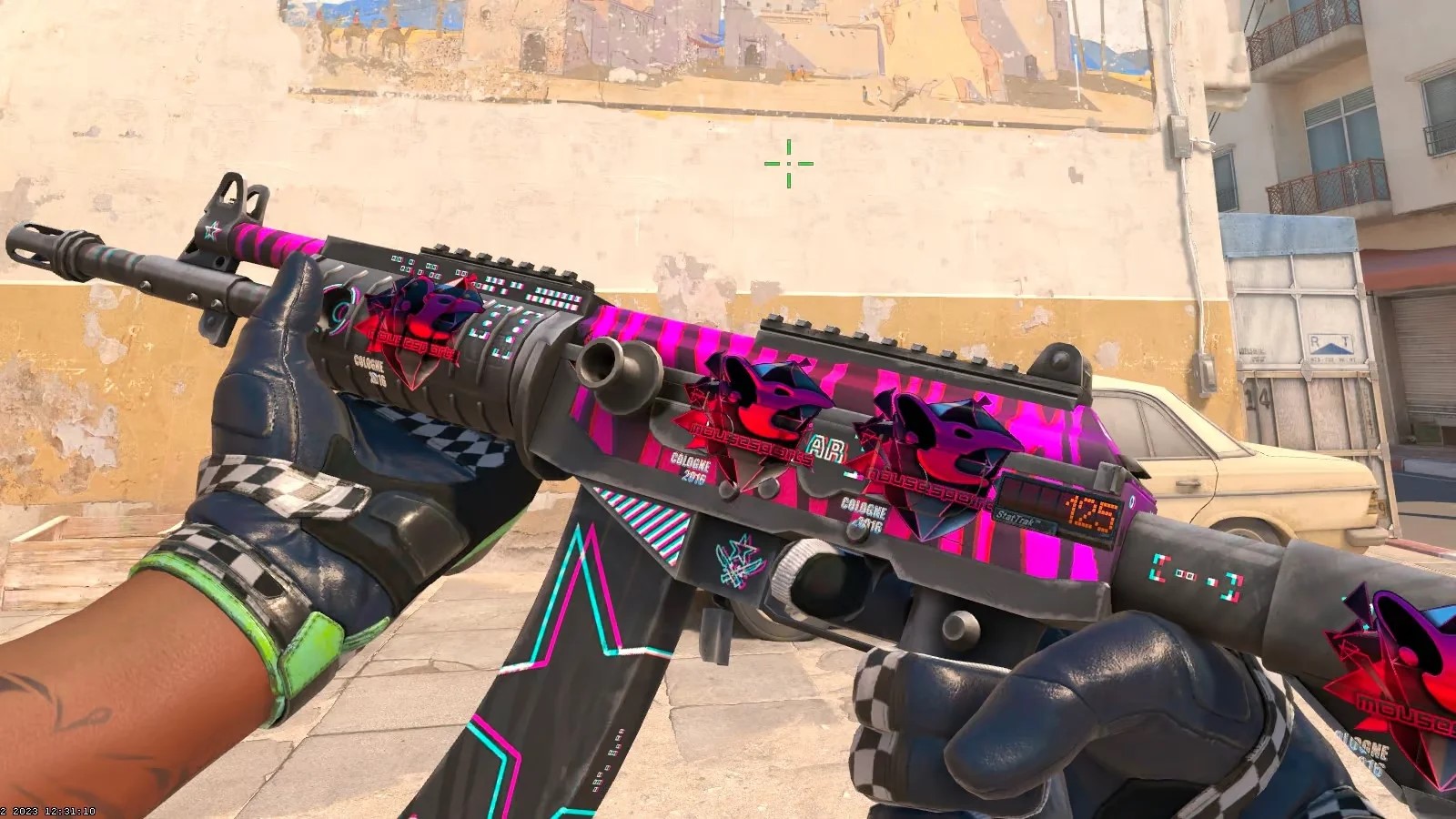
As mentioned above, Counter-Strike is the leading example of a game with a thriving community. Indeed, those who have been able to score big on the game have made thousands of dollars. However, Counter-Strike is far from the only example of such an ecosystem.
A game like Rocket League was famous for having a community built around trading a few years ago. These are two of the biggest examples, but other games have smaller, albeit similarly dedicated communities built around the buying and selling of items for real-world cash.
Digital Ownership

Of course, digital ownership isn’t just limited to cases and fancy weapons in a few games. Recently, players have begun to use the rarity of battle passes and certain cosmetic items to their advantage.
Many will sell accounts with a specific outfit that gamers are after, and these accounts can cost hundreds of dollars, if not more. Moreover, in extreme cases, entire games are sold by players once they are delisted.
For instance, PS4s with copies of Silent Hill P.T. sold for thousands of dollars once the game was officially delisted by Konami.
Of course, access to such items usually requires ownership of digital currency to begin with. This is where storefronts like Eneba shine, providing access to all sorts of items across storefronts like Steam, PlayStation, and Xbox.
For anybody looking to delve further into the world of digital ownership and trading through in-game items, due diligence is recommended, especially since the market carries a ton of risks at first.
Thank you! Please share your positive feedback. 🔋
How could we improve this post? Please Help us. 😔

[Senior News Reporter]
Avinash is currently pursuing a Business degree in Australia. For more than 5 years, he has been working as a gaming journalist, utilizing his writing skills and love for gaming to report on the latest updates in the industry. Avinash loves to play action games like Devil May Cry and has also been mentioned on highly regarded websites, such as IGN, GamesRadar, GameRant, Dualshockers, CBR, and Gamespot.
 Join Our Community