



- NVIDIA unveiled DLSS 4.5 at CES 2026 with a headline “6x” Multi Frame Generation mode.
- The feature is exclusive to RTX 50-series GPUs, creating a new performance tier.
- High-refresh 4K gaming is now more achievable, but with real trade-offs in latency and image stability.
- The rollout raises questions about where RTX 40 owners now stand.
NVIDIA has spent years telling PC gamers that smarter software can stretch hardware further than anyone thought possible. With DLSS 4.5, the company is still making that case. But this time, there is arguably a sharp red flag. The biggest gain is locked behind new silicon, and it quietly redraws the line between who gets the future and who does not.
What Happened at CES 2026
On January 6, 2026, NVIDIA took the stage at CES and introduced DLSS 4.5 as part of its broader GeForce push for the year. Public coverage followed a day later, and the message was clear. DLSS is no longer just about squeezing extra frames out of existing hardware. It is about defining a new class of performance.
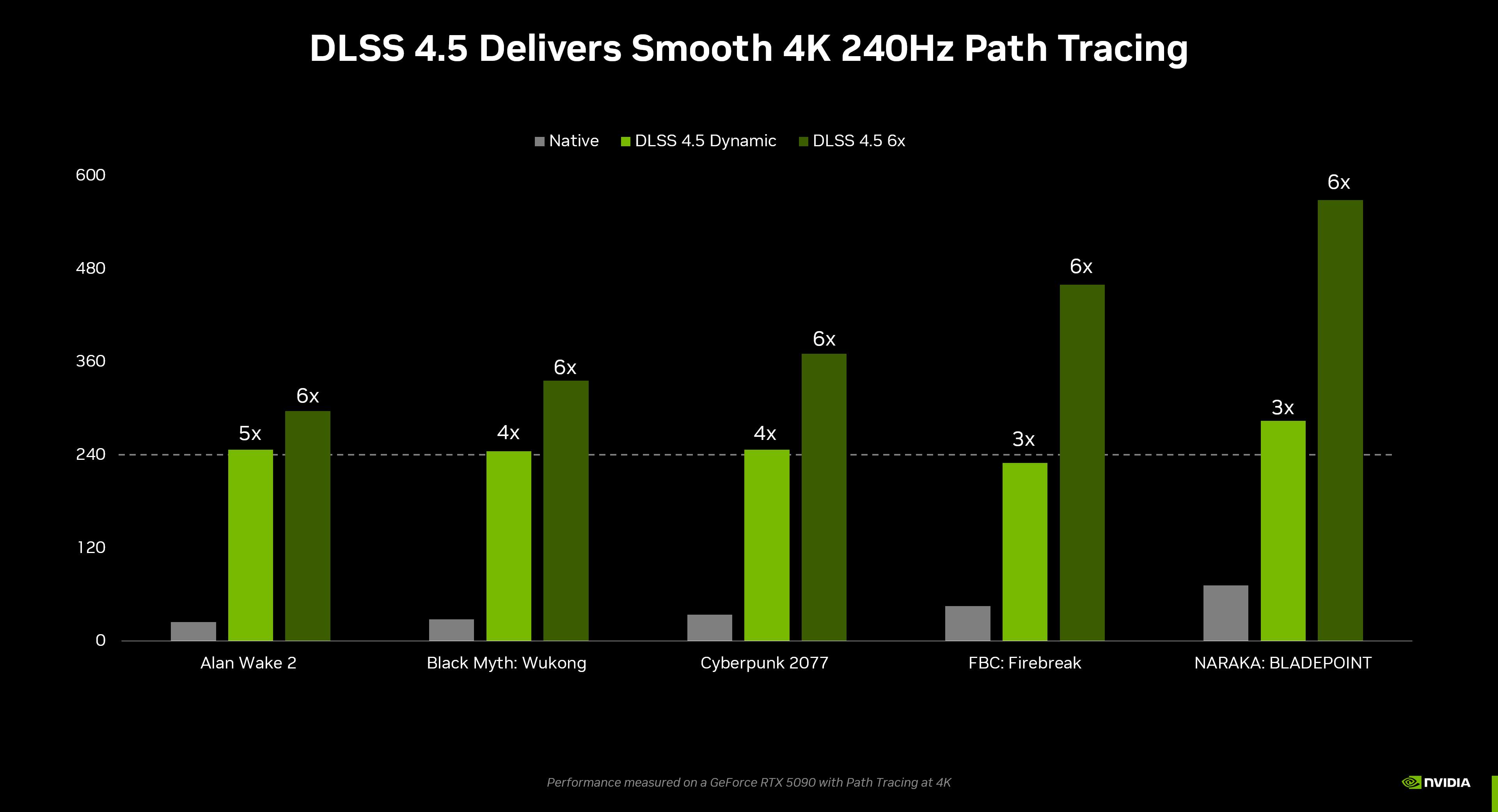
The headline feature is Multi Frame Generation with a claimed “6x” mode. In simple terms, the GPU renders one real frame and uses AI to generate up to five additional frames in between. NVIDIA positions this as the next step beyond the frame generation seen in DLSS 3 and 3.5. The catch is that this mode only works on RTX 50-series GPUs.
Alongside the announcement, NVIDIA highlighted that over 400 games and applications now support RTX and DLSS features through the NVIDIA app. That scale matters. It means DLSS 4.5 is not a niche tech demo. It is something enthusiasts can test almost immediately across popular titles.
Why DLSS 4.5 Matters More Than Usual
On paper, DLSS updates arrive every year and promise better image quality or higher performance. DLSS 4.5 is different because it creates a clear tier wall.
For the first time, NVIDIA is not just saying newer GPUs are faster. It is saying certain levels of “playable” performance are impossible without RTX 50 hardware. That arguably reframes the hardware debate overnight.
At the same time, display makers are pushing hard toward 240Hz, 360Hz, and even 480Hz panels, including 4K OLEDs. Native rendering at those refresh rates is unrealistic, even for top-end cards. DLSS becomes the bridge between what displays can do and what GPUs can realistically output. DLSS 4.5 positions RTX 50 as the only ticket to that bridge at the highest end.
DLSS 4.5 and the New Definition of “Playable”

For years, “playable” meant 60 FPS. Then it became 120. Now, for a growing group of PC players, it means 4K at 240Hz with smooth motion and low latency.
DLSS 4.5 makes that goal visible. In NVIDIA’s demos, 6x Multi Frame Generation pushes frame counters into territory that would have sounded absurd a generation ago. The visual fluidity is impressive, especially in slower-paced single-player games.
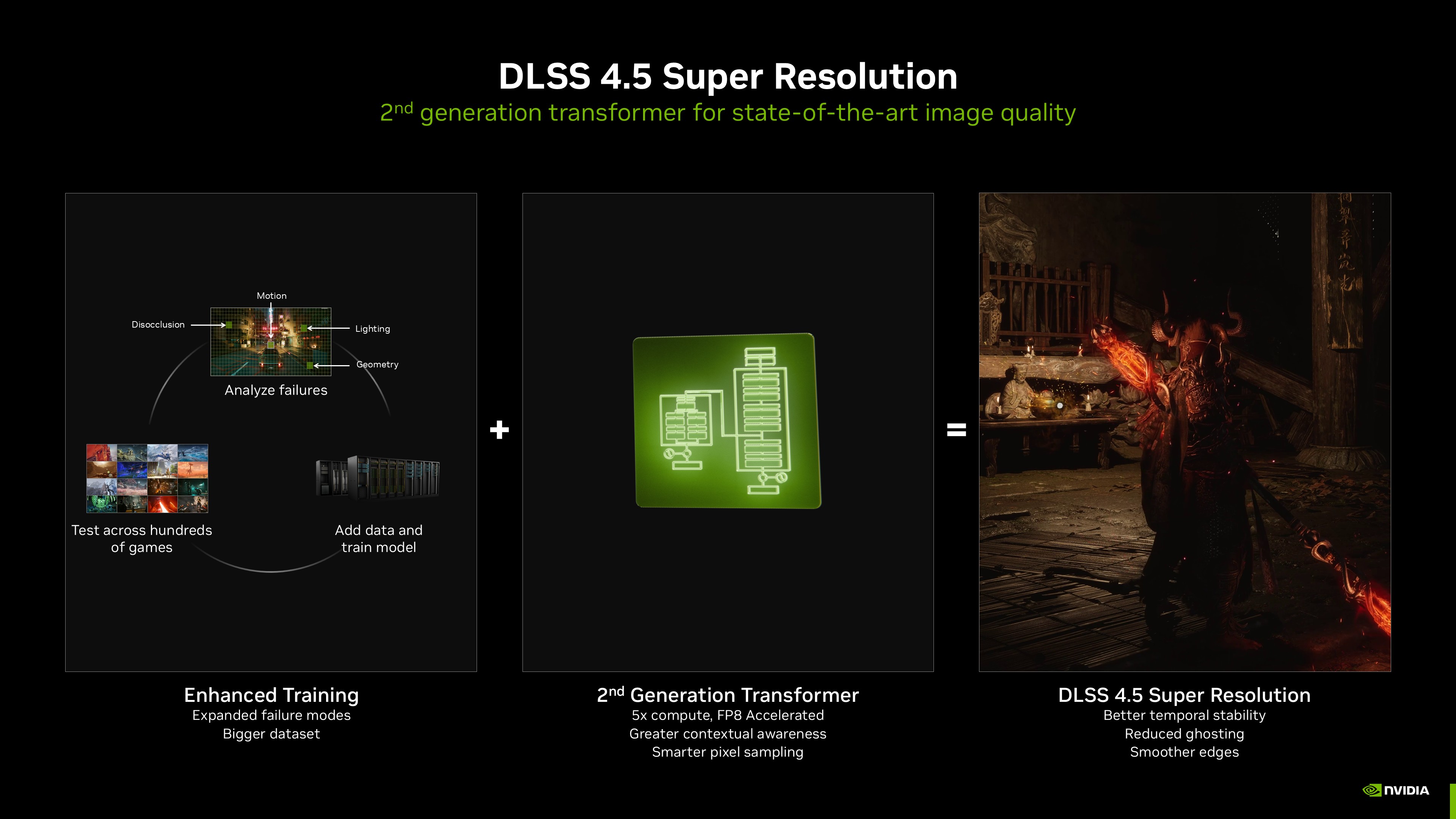
But this is where, honestly, the details matter. Generated frames are not free. Input latency does not scale the same way FPS numbers do. NVIDIA claims improvements in its transformer-based image quality model and latency handling, but physics still apply. When more frames are predicted rather than rendered, responsiveness can suffer.
This is where DLSS 4.5 changes expectations rather than simply raising them. It allows gamers to choose between raw responsiveness and visual smoothness in a more extreme way than before.
RTX 40 vs RTX 50: A Subtle but Real Divide

For RTX 40 owners, DLSS 4.5 is a mixed message. Many of the image quality improvements and tooling enhancements still apply. But the most attention-grabbing feature does not.
At equivalent displayed frame rates, an RTX 40 card using earlier frame generation may offer better input latency than an RTX 50 card pushing 6x generation. Competitive players will notice that. Artifacting, especially in fast camera pans or fine geometry, also becomes more visible as the ratio of generated frames increases.
In other words, RTX 50’s advantage is arguably not universal. It is situational. Cinematic games, open-world titles, and visually rich single-player experiences stand to gain the most. Competitive shooters may see diminishing returns.
The Risks Behind the Marketing
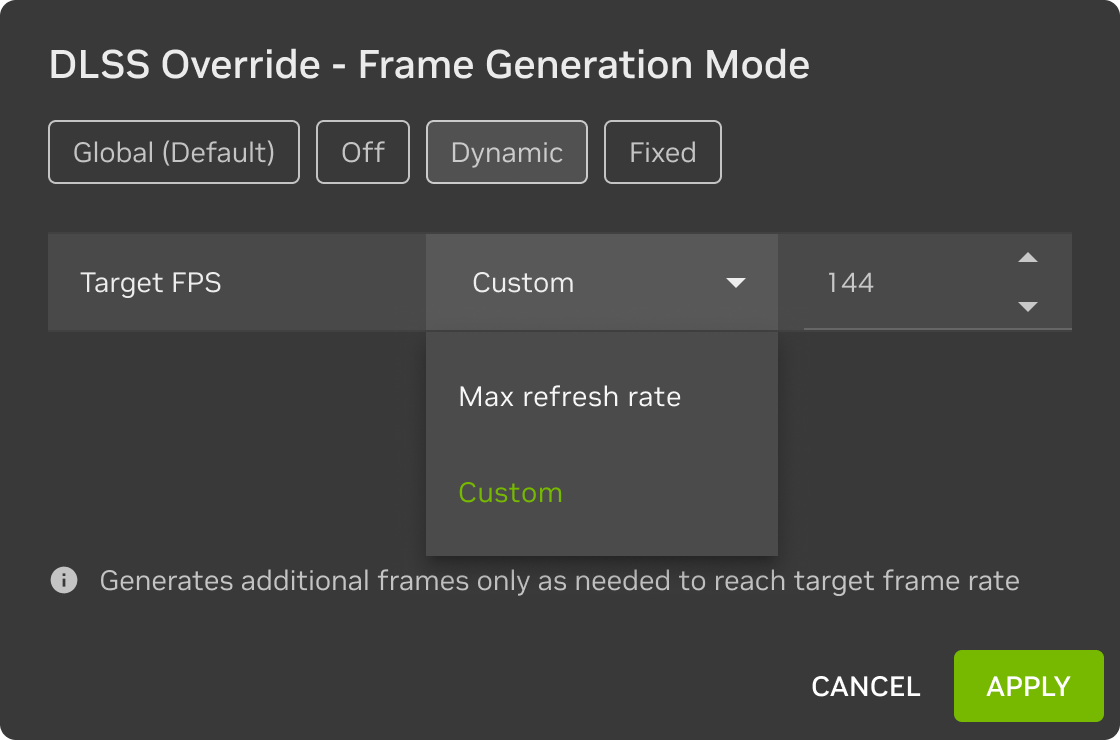
The “6x” figure is best understood as, frankly, a ceiling rather than a guarantee. NVIDIA’s own language suggests best-case scenarios under ideal conditions. Real-world results will vary by game engine, CPU bottlenecks, and developer implementation.
There is also the question of timing. NVIDIA has positioned parts of DLSS 4.5 as rolling out over time. Early adopters may not see full support across all titles immediately, which could blunt the initial impact.
Finally, there is perception. RTX 40 GPUs are still expensive and relatively new. Locking the most dramatic feature behind RTX 50 risks alienating buyers who invested heavily just a year or two ago.
What Comes Next for PC Gamers

DLSS 4.5 signals a shift in NVIDIA’s strategy. AI upscaling and frame generation are no longer just optimization tools. They are product differentiators tied tightly to new hardware.
For gamers, this means buying decisions will increasingly revolve around display targets, not just raw raster performance. If you own or plan to buy a high-refresh 4K monitor, RTX 50 suddenly looks less optional.
The next few months will be telling. Independent latency testing, artifact analysis, and real-world benchmarks will determine whether DLSS 4.5 feels like a revolution or a clever but limited trick. Either way, the line has been drawn. NVIDIA has decided that the future of ultra-high-refresh gaming belongs to a new class of GPU, and DLSS 4.5 is the gatekeeper.
Thank you! Please share your positive feedback. 🔋
How could we improve this post? Please Help us. 😔

[Comparisons Expert]
Shehryar Khan, a seasoned PC hardware expert, brings over five years of extensive experience and a deep passion for the world of technology. With a love for building PCs and a genuine enthusiasm for exploring the latest advancements in components, his expertise shines through his work and dedication towards this field. Currently, Shehryar is rocking a custom loop setup for his built.
Get In Touch: shehryar@tech4gamers.com
 Join Our Community