


- Reports suggest that Microsoft is gearing up to launch Windows 12 later this year.
- The new OS will be entirely modular and will be AI-focused.
- Unfortunately, the upgrade requires NPU processors, which will lock out millions from getting into the new ecosystem.
Update: Following this article’s publication, it has gained widespread attention, and Windows Central has since debunked the rumor that Windows 12 will be released in 2026. Moreover, the publication also dismissed much of the information from PCWorld’s quoted report as false.
The original report follows…..
As Microsoft shifts to an AI-first operating model, the tech giant is now seemingly gearing up to release a new iteration of the Windows OS, and spoiler alert: Artificial intelligence will be a core experience of the software.
Windows 12 could be released as early as this year and will be a modular OS, meaning users will have the option to add or remove features, aiming to provide more flexibility.
Why it matters: Even though Windows is the most used OS worldwide, Microsoft is seemingly taking advantage of the situation, forcing AI adoption on users by making it a part of the Windows experience.
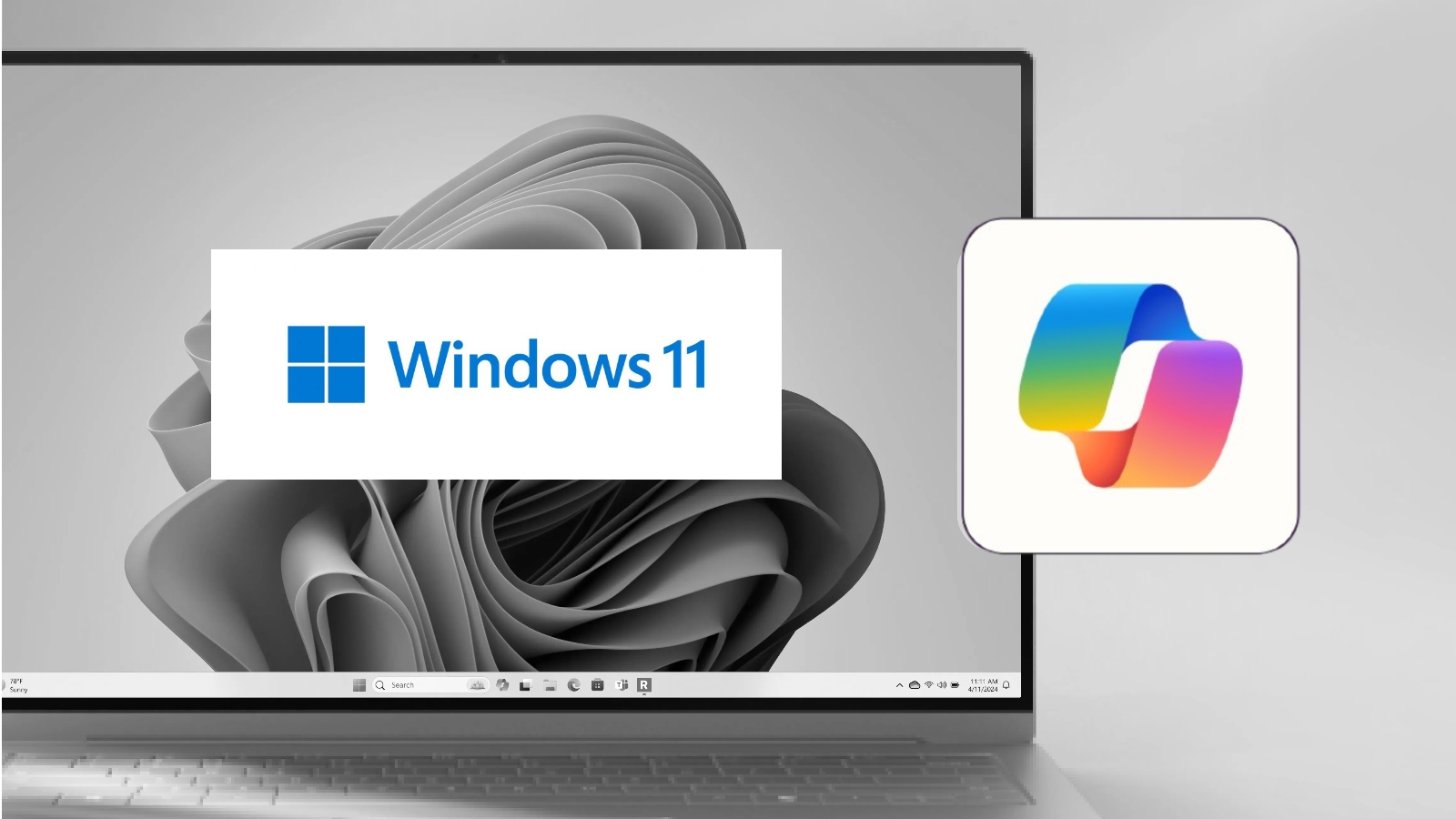
As PCWorld‘s new report goes, the new OS, codenamed ‘Hudson Valley Next,’ is set to release later this year, right around the time when Windows 10’s support ends (for the extended ESU).
The modular aspect of the OS is Microsoft’s CorePC architecture project that they’ve been working on for years. It will redefine the Windows experience by allowing the addition and removal of components. This will help customise the OS for each build, whether it’s a lighter-weight system, a gaming-prioritized build, etc.
Generally, Windows 12 will be a much more adaptive and customizable OS than any of its past versions. Visually, we may also see a major leap, as a new visual layout is expected to include transparent glass elements and a floating taskbar.
Unfortunately, these are the only bright sides to this new OS. Microsoft’s Copilot, the AI assistant the company has been aggressively injecting across the ecosystem, will now be a core part of the next Windows iteration rather than a supplementary feature.
Some features of Windows 11 might also be locked away behind a subscription model that are expected to be “advanced AI services”, but the core OS will be a one-time purchase only.

These AI features won’t come cheaply, with Windows 12 set to debut a new hardware requirement just as its predecessor did with the TPM 2.0 requirement. This time around, a dedicated NPU would be required, a specialized processor designed to handle AI tasks.
NPUs are still early-stage chips and not widely adopted across all systems. This requirement will lock out millions of PC owners from updating to Microsoft’s next OS, but fortunately, Windows 11 support will last for another few years.
Are you excited for Windows 12? Let us know in the comments below, or at the official Tech4Gamers Forums.
Thank you! Please share your positive feedback. 🔋
How could we improve this post? Please Help us. 😔

[Staff Writer]
Shaheer is currently pursuing a Business degree while also working as a part-time Content Writer. With his deep passion for both writing and video games, he has seamlessly transitioned into a role as a Journalist. Over the past two years, Shaheer has contributed as a freelancer to various websites and landed positions on acclaimed platforms like Gamerant. Currently, his role at Tech4gamers is as a Features Writer, but he also covers News occasionally. Shaheer’s favorite gaming franchises are Assassin’s Creed and the God of War series.
Get In Touch: shaheerzahid03@gmail.com
 Join Our Community