


- PC freedom has shifted from basic customisation to necessary troubleshooting just to achieve stable performance.
- Most modern PC games launch without reliable default settings, forcing players to optimise before play.
- Hardware and software have become so complex that they require technical knowledge, which not everyone has.
- Inconsistent PC ports shift the burden of game optimisation from developers onto players.
PC gaming has always been known for freedom. Players get to choose their hardware, customise their software, mod games, and chase performance levels consoles can’t offer. This freedom, however, has recently become paradoxical. Many PC players spend most of their time tweaking settings, updating drivers, and troubleshooting. This time spent PC tweaking often rivals or even exceeds the time spent by players actually gaming.
Set and Forget Is Over
Setting modern games is no longer as easy as it used to be. A decade ago, launching a PC game meant selecting the resolution, setting a few graphics settings and jumping in. These days, even high-end systems do not offer a smooth experience without intervention. Games now ship with dozens of settings, most of which are poorly explained, and performance varies across patches.

After purchasing a game, players expect to fine-tune shader compilation, frame pacing, upscaling methods, and background processes before gameplay. This can get very annoying very fast. Players love simplicity, and over-the-top setups can be frustrating, since launching games these days feels more of a ritual than a simple click-and-play experience.
Hardware Complexity
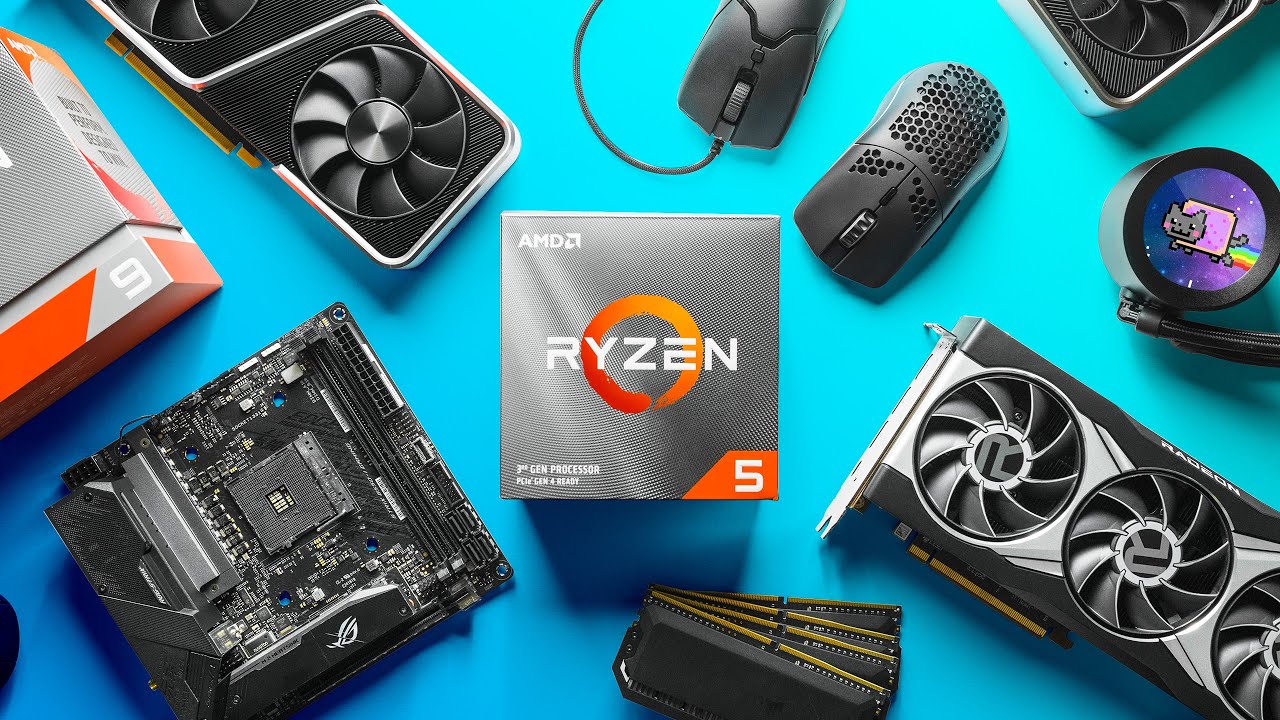
PC hardware has grown exponentially more powerful, but also very complex. CPUs rely on core scheduling and boost algorithms that work differently across operating systems. GPUs have introduced features such as dynamic resolution scaling, AI upscaling, DLSS, FSR, and more. Each has its pros and cons, which are not always clear. PC hardware is continuously getting more complex by the day.
Even things such as RAM frequency, storage configuration, and even motherboard firmware can affect gaming performance. For enthusiasts, this complexity is a part of the hobby, but for many its way too much to wrap their heads around and exhausting. Fine-tuning all these aspects and finding the right configuration of hardware and software may take the average person days.
The Endless Maintenance Loop
One of the biggest causes of frustration among PC gamers is the constant need for updates. GPU driver updates promise performance upgrades but may also introduce bugs into the system. Similarly, game patches fix one issue whilst simultaneously creating another, and operating system updates quietly change scheduling behaviour and background processes.
With each update, players ask themselves whether the system is truly optimised. This causes many players to fear running any updates during gameplay, as it may ruin the setup that took hours to perfect. One thing out of line may destabilise the entire system and, in most cases, ruin the gaming session. The PC updates today are an endless maintenance loop that never ceases.
Inconsistent PC Ports
As cross-platform development has become a norm, the PC versions of games feel like secondary platform options rather than primary targets. Console first optimisation means that PC players have to deal with game engines tuned for different kinds of hardware and have to use brute force with settings menus.

Issues such as shader compilation stutter, traversal hitching, and poor CPU scaling have become common complaints on even powerful systems. When a game runs effortlessly on a console but requires extensive PC tweaking, it shows that game optimisation is now the player’s problem, not the developers’.
Community Fixes Are No Longer Optional
A few years ago, mods and community fixes were entirely optional, but today they are often essential. PC gamers have lately been relying on third-party fixes to resolve performance issues, unlock frame rate caps, and adjust polling rates. This highlights the strength of the community but also shows a troubling shift in the industry.
PC gamers now expect to troubleshoot, research, and patch games before they are considered “complete”. When the game finally boots and performance is good, they consider it a reward for hardship.
Final Thoughts
Many PC gamers feel it is a must to resolve issues and go above and beyond to optimise games, though they can do without in many cases. It is, however, true that customisation and PC tweaking have gone from optional to mandatory. Many games do not run straight out of the box, and even PC building requires a trained mind; you must know what you want. Players must feel free to tweak if they want, not because they have to.
Thank you! Please share your positive feedback. 🔋
How could we improve this post? Please Help us. 😔

[Comparisons Expert]
Shehryar Khan, a seasoned PC hardware expert, brings over five years of extensive experience and a deep passion for the world of technology. With a love for building PCs and a genuine enthusiasm for exploring the latest advancements in components, his expertise shines through his work and dedication towards this field. Currently, Shehryar is rocking a custom loop setup for his built.
Get In Touch: shehryar@tech4gamers.com
 Join Our Community