



- The Steam Machine 2.0 must prioritise standardised hardware to match console-level consistency.
- Steam OS needs to provide a polished living-room experience rather than having a PC-like interface.
- Input and controls should feel reliable and familiar, ensuring that every game runs smoothly without extensive setups.
- Prices should be kept competitive; even a superior device cannot survive if prices are too high.
The Steam Deck was built with a clear concept in mind, but it was weakened by indecision. The idea behind the device was to bring PC gaming to the living room while still maintaining openness and flexibility. Despite this, consoles succeed because they eliminate complexity and choice by allowing multiple manufacturers to ship vastly different hardware under the same label cost the Steam Deck its identity.
Consumers did not know what grade of performance to expect, and developers didn’t know what to optimise for. Everything was a mess and all over the place. The Steam Machine must learn from these mistakes, presenting itself as a platform rather than a loose concept.
Standardised Hardware
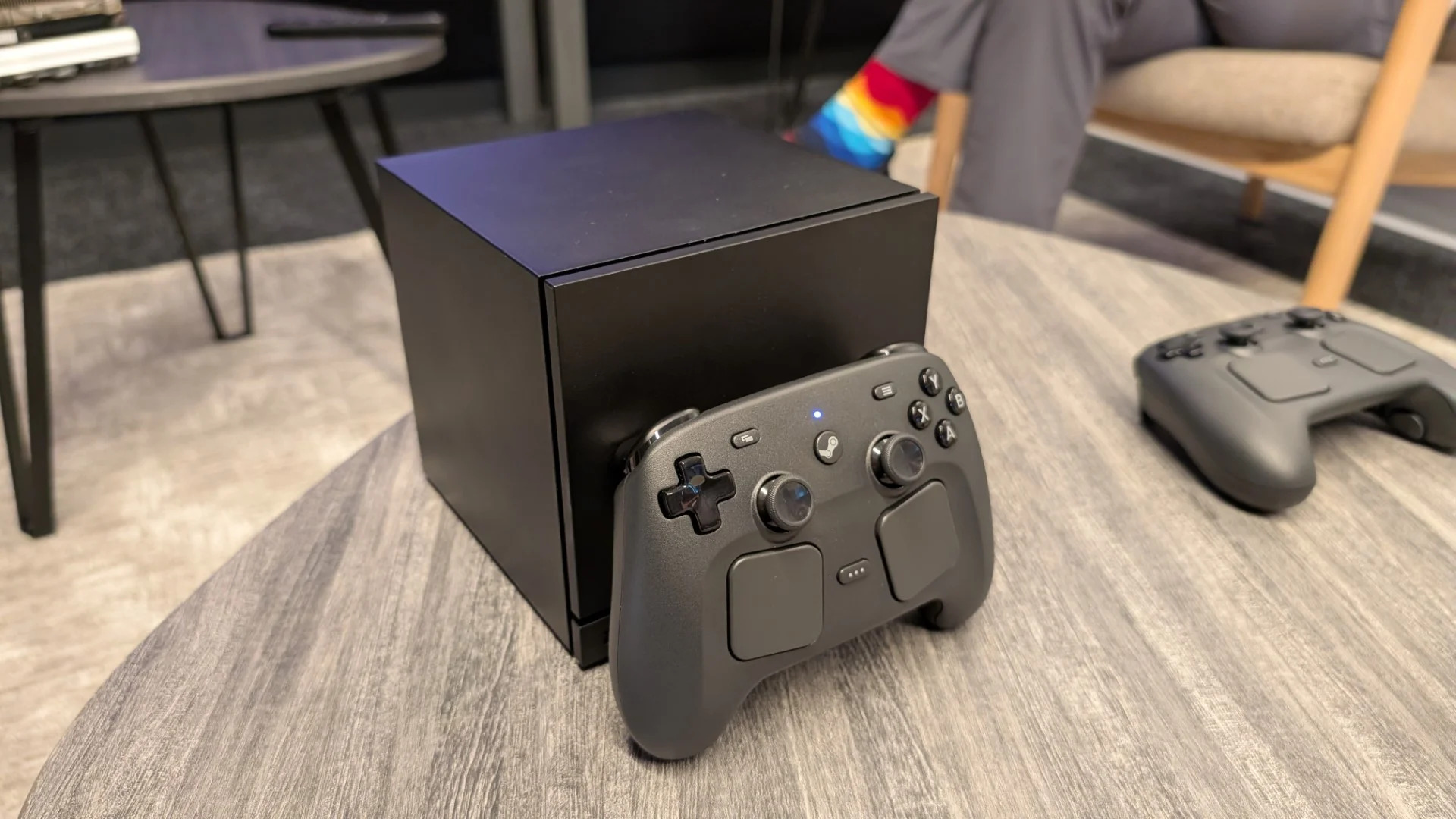
To try to compete with consoles, the Steam Machine would need to set specific hardware targets. Developers do not need to abandon the modular approach of PCs, but would require discipline. Consoles thrive because every unit delivers the same experience, allowing developers to extract maximum performance from the same specs. The internals should be standard and advanced enough to meet the demands of modern games.
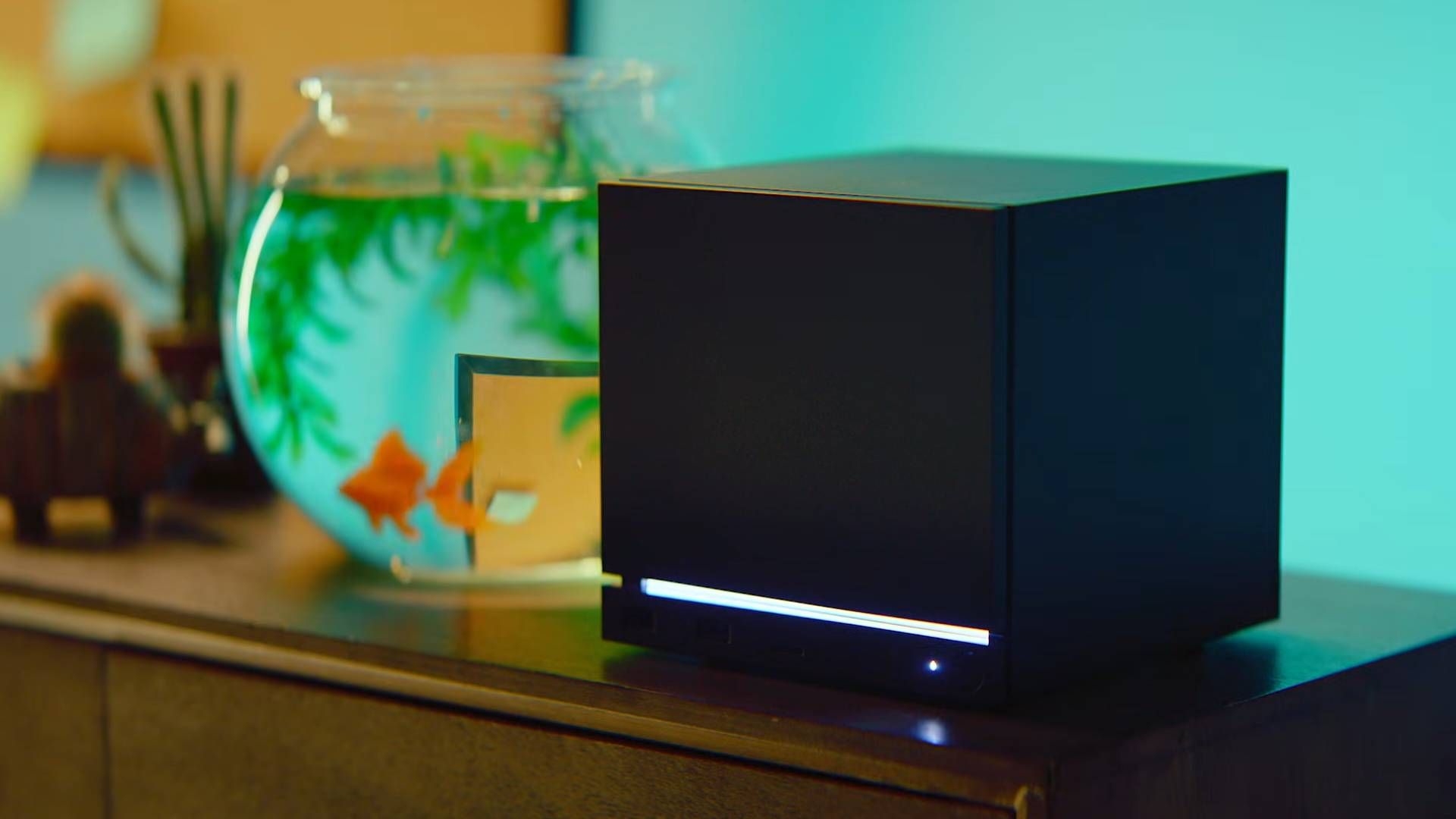
The goal of the Steam Machine should be to offer a small number of hardware configurations designed around console performance and pricing. The device should also allow users enough freedom to mod any components they like. Overall, the device must feel reliable, smooth, predictable and made with purpose. It should encompass all user desires without feeling all over the place.
Steam OS Must Feel Console-Like
Steam OS has matured quite a lot in the past few years. But delivering a living room experience demands a different setup than a PC or a handheld. The reason that consoles dominate in living room gaming is that their OS is invisible. The second players login to a console they are in a space where they can start playing immediately.
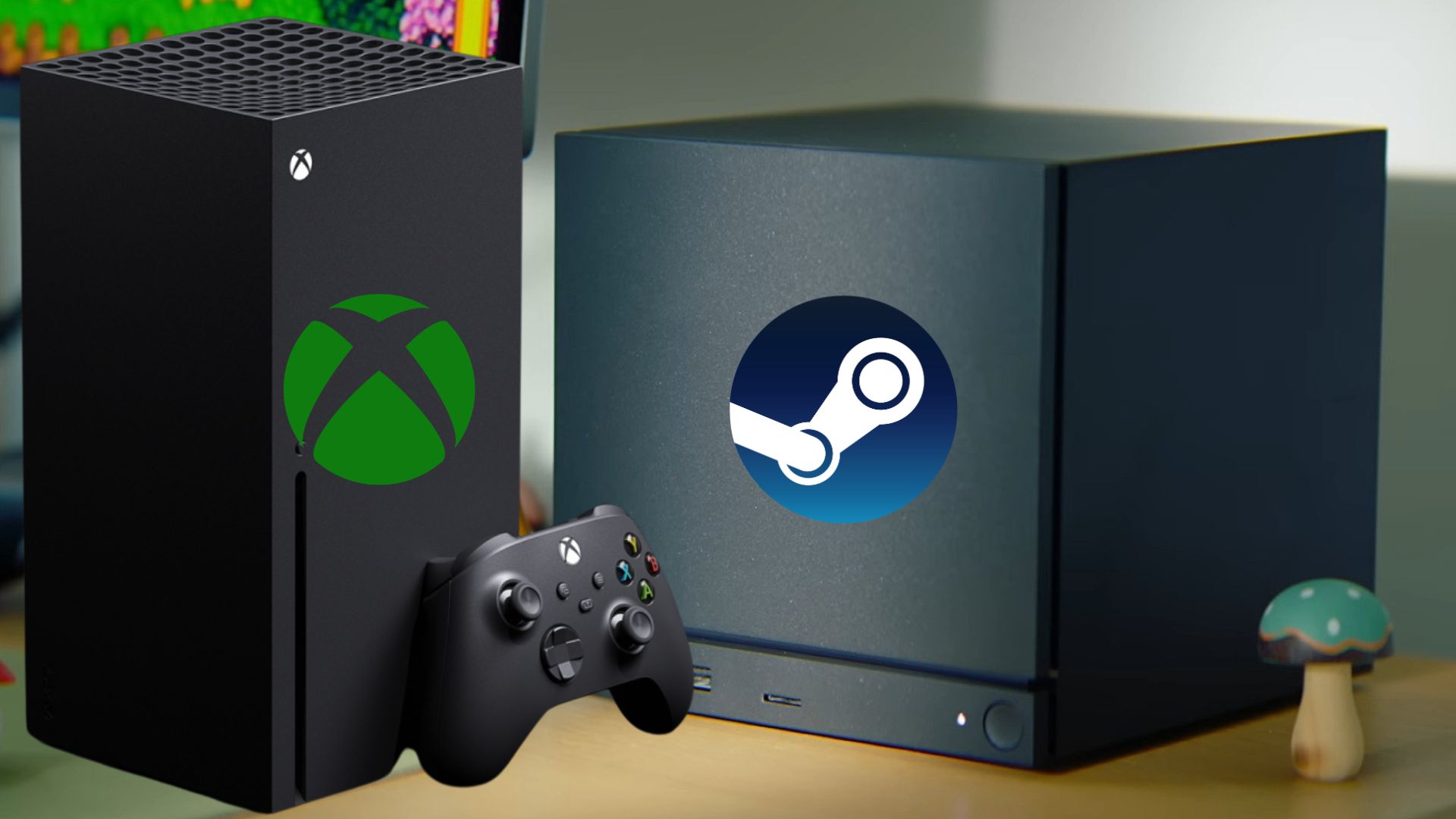
To beat consoles, the Steam Machine must deliver a similar experience. Developers must come up with a polished controller-first OS that hides the complexity of PC gaming. Things such as system updates, background processes and compatibility layers must not interfere with the gaming experience. The device would fail if users felt like they were managing a PC from the couch. Everything should be well-managed and delivered in simplicity.
Non-Experimental Input and Controls
Valve has a history of experimenting with bold input ideas. Console users, however, value simplicity and familiarity. The Steam Controller was a clever idea, but it forced players to abandon their muscle memory from traditional controllers built over years of practice. It worked, but was uncomfortable for many. The Steam Machine needs a flagship controller that would instantly be recognisable to players while still offering advanced features to those who need it.
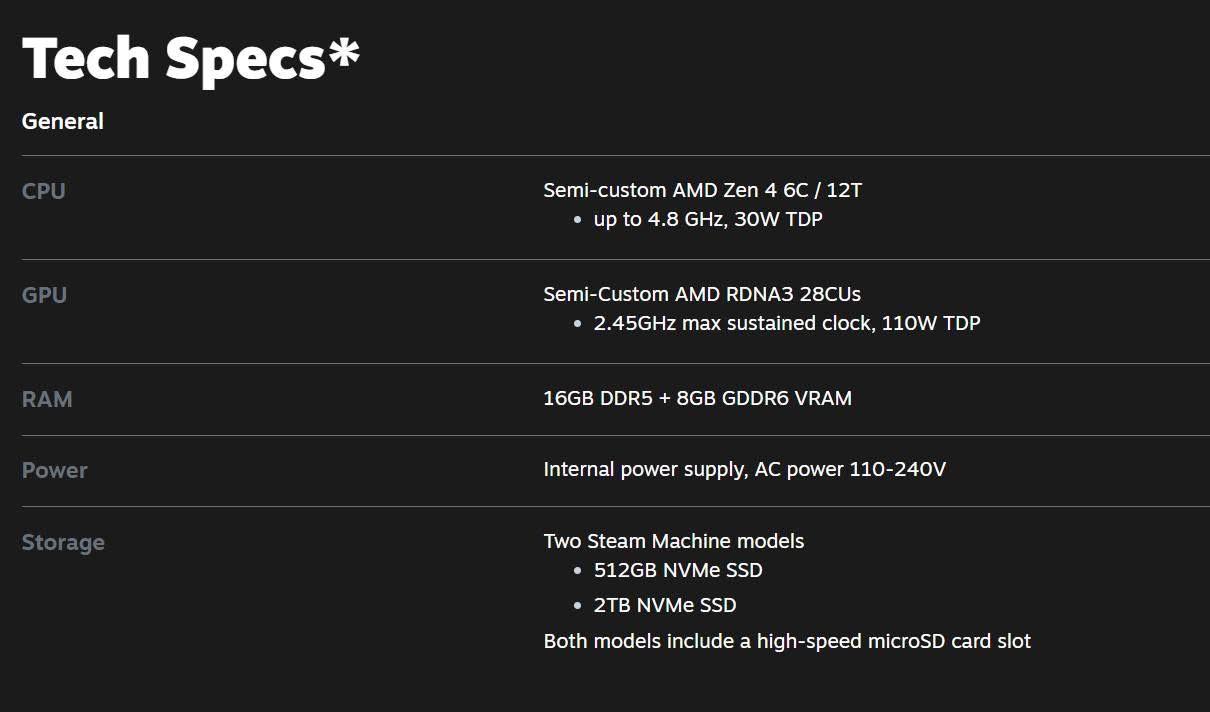
Additionally, one thing that made the original Steam Deck annoying was that the user had to adjust controller settings for different games manually. For the Steam Machine to succeed, every game labelled as compatible should launch with correct controller mapping. Games should require zero setups as the living room experience is all about comfort, not configuration.
Pricing and Software Identity
Regardless of how advanced the hardware or software is, pricing should be affordable. The new Steam Machine is set to sell for 700 USD at launch. If the device launches with a price tag higher than that of a PlayStation or Xbox, it will be dismissed by many before its strengths even come to light. The value proposition matters a lot; players should know they are paying for a console-like experience with the added benefit of access to the Steam library and flexibility.
Software for the Steam Machine must also be viable. The original platform was built around openness and choice, whereas consoles deliver an exclusive, curated experience. The Steam Machine would need a software identity. Players should be able to associate the device with games that are well-suited to it.
Final Thoughts
The Steam Machine 2.0 does not need to replace consoles to succeed. It needs to present an alternative that combines the openness of PC gaming with the simplicity, clarity, and confidence of console design. The developers must focus on what the users want and what to prioritise. The device must not feel like a cluster of hardware, software and features mashed up together into a mystery stew; it should be well managed.
Thank you! Please share your positive feedback. 🔋
How could we improve this post? Please Help us. 😔

[Comparisons Expert]
Shehryar Khan, a seasoned PC hardware expert, brings over five years of extensive experience and a deep passion for the world of technology. With a love for building PCs and a genuine enthusiasm for exploring the latest advancements in components, his expertise shines through his work and dedication towards this field. Currently, Shehryar is rocking a custom loop setup for his built.
Get In Touch: shehryar@tech4gamers.com
 Join Our Community