


- Older games focused more on core gameplay rather than excessive systems.
- Simpler game design allows players to easily pick up gameplay mechanics and enjoy from the get-go.
- Old games focused more on what was fun rather than just trying to retain players.
- Completed and polished games create a better gameplay experience and one worth remembering.
When it comes to gaming, most players agree that old games had something different about them that appealed to them more. This feeling isn’t about nostalgia, graphics or better performance. Instead, it is something subtle tied to how these old games were designed and what they centered around. Let’s dive right into why old games feel better than modern AAA titles.
A Better Time
These days, when we load an old title in moments, everything clicks. The controls are more responsive, the pacing feels natural, and the overall game seems better in an unexplainable way. In comparison, modern game titles such as Black Myth Wukong often feel bloated and highly complex. It seems that as gaming progressed into the future, it lost what made it impactful and fun for many.
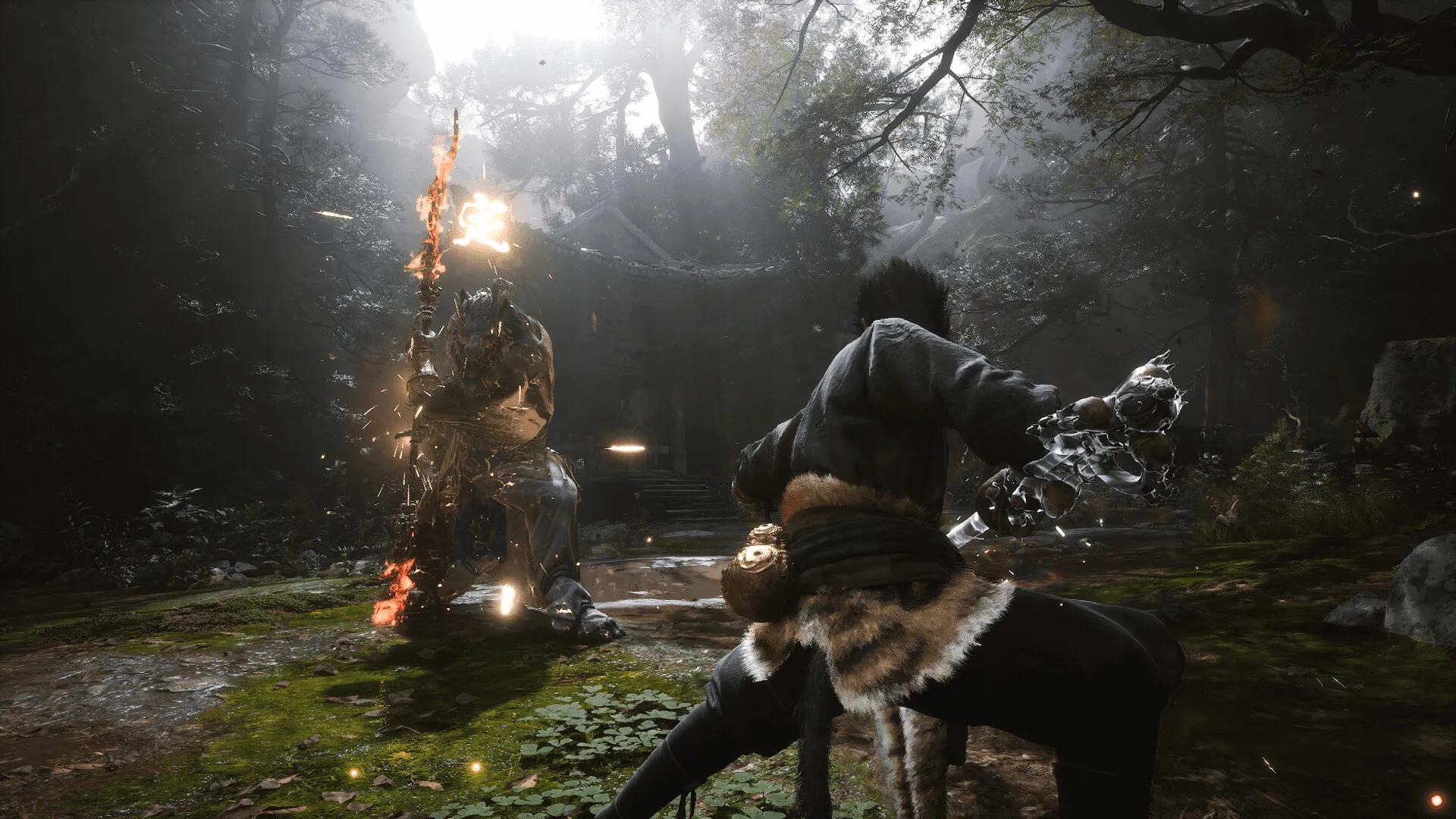
Nostalgia may be a factor for why players keep turning back to old titles, but in essence, old games had something that new titles lack. Moreover, modern games often fail to grasp that too much shoved into a single place only leads to confusion and mental fatigue, not fun.
Simplicity That Respects Your Time
Old game titles were developed under strict limitations; however, these limitations mostly worked in favor of the game. Developers were forced to prioritize essentials and had to focus on core gameplay rather than stacking multiple systems on top of one another.
As a result, these old games feel better and are easier to pick up, plus they don’t involve hours of tutorials or menu navigation. The overall learning curve felt natural as the game guided players through experience rather than instructions.
Modern games, on the other hand, tend to introduce a wide range of gameplay mechanics early on. From crafting systems to skill trees and in-game currencies, players are often required to grasp the gist of several interconnected systems before they can fully enjoy the game. While these features help add depth, they may also create overcomplexity for those players who simply want to jump in and play.
Old Games Were Fun
One of the major differences that we can see in new titles and old ones is that they are modern games that are more fun. Their design philosophy is entirely different from how games used to be made a few decades ago. Old games were made with a straightforward goal in mind: to be fun. If a game was enjoyable, players would automatically return to it time and time again.
Modern titles, on the other hand, are designed with only one goal in mind, that being, player retention. These games incorporate features such as battle passes, weekly/daily missions, progress-based rewards, and more to keep players visiting on a regular basis.
These systems can definitely be engaging. But they may also make the whole experience feel somewhat like a daily ritual rather than entertainment. For a game to be genuinely interesting, it should be complex yet not overly so and should retain some of that old aesthetic charm.
The Complete Game Experience
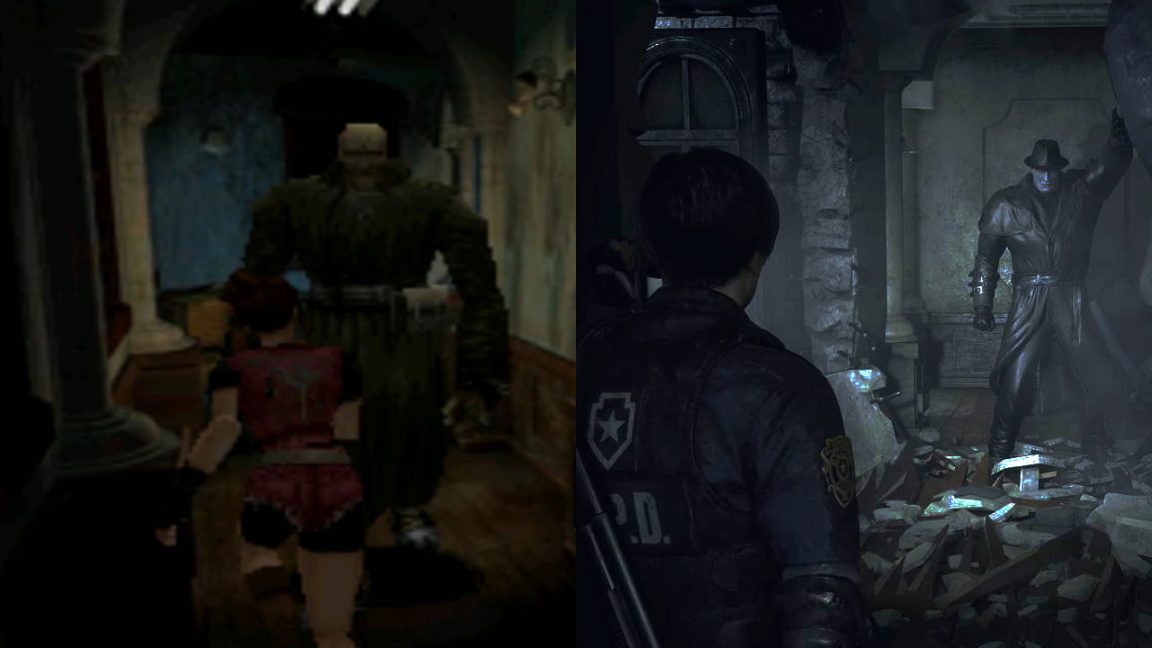
Another major reason why old games feel much better than newer ones is that they were made as complete products. Back in the day, when you purchased a new game like Resident Evil 4, you received the full experience with little expectations of post-launch updates or additional content. Every game in its own right was complete, which for many created a sense of satisfaction and finality.
In contrast to this, modern games often launch as evolving platforms. Day-one patches, seasonal updates, and long-term roadmaps have become common. While this approach allows developers to improve and expand their games after launch, it also leads to unpolished or incomplete initial releases.
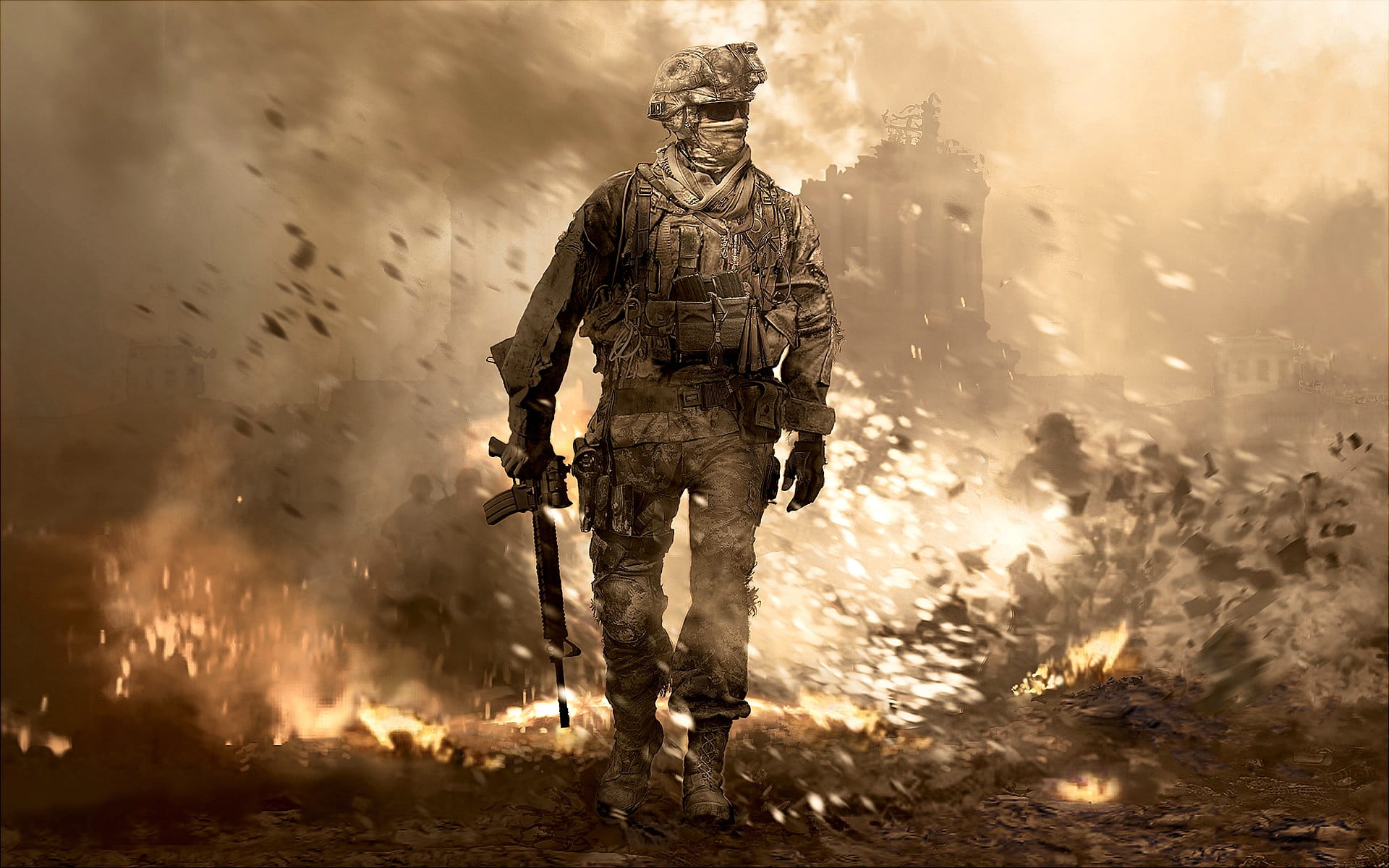
Sometimes these games have so many bugs that solving them is a whole task on its own. Players may also encounter missing features and gameplay balancing issues that may ruin the entire experience for many. This is also why old games earn more than newer titles despite all their efforts.
Final Thoughts
Older games feel better, not because they are flawless, but because they were made with a clear focus in mind. These games prioritized clarity, simplicity, and player enjoyment above anything else. This all came together for an overall easy-to-understand and wildly satisfying experience.
Modern games do not need to abandon innovation to be as impactful. All they need to do is focus on what truly matters. In doing so, they can create the best of both worlds, making gaming enjoyable again.
Thank you! Please share your positive feedback. 🔋
How could we improve this post? Please Help us. 😔

[Comparisons Expert]
Shehryar Khan, a seasoned PC hardware expert, brings over five years of extensive experience and a deep passion for the world of technology. With a love for building PCs and a genuine enthusiasm for exploring the latest advancements in components, his expertise shines through his work and dedication towards this field. Currently, Shehryar is rocking a custom loop setup for his built.
Get In Touch: shehryar@tech4gamers.com
 Join Our Community