



- Competitive players are shifting from headsets to IEM + DAC setups.
- Better positional accuracy is driving the trend in FPS games.
- Audio clarity is becoming a bigger advantage than raw FPS gains.
- Comfort and setup complexity remain key trade-offs.
There is a quiet shift happening in competitive gaming, and most players have not noticed it yet. While everyone obsesses over frame rates and GPU upgrades, serious players are optimizing something far more fundamental. They are changing how they hear the game.
Headsets, once considered essential, are no longer the default at the high end. In their place, a more deliberate approach is emerging. One built around precision, clarity, and control.
Why Competitive Audio Is Finally Evolving

Over the past year, there has been a noticeable shift in how competitive players approach audio. More setups now feature in-ear monitors paired with dedicated DACs or audio interfaces instead of traditional gaming headsets. This is not a marketing trend. It is a performance-driven one.
At the same time, in-game audio engines have matured. Directional sound in modern competitive shooters is more consistent and readable than it used to be. Subtle cues carry more information, and players are beginning to build setups that can actually reproduce those details accurately.
As a result, audio is no longer treated as background immersion. It is being treated as actionable information.
When FPS Stops Mattering, Audio Takes Over

There is a point where better visuals stop giving you a meaningful edge. Moving from 60 to 144 FPS is transformative. Moving from 144 to 240 is noticeable. Beyond that, gains exist, but they are incremental and highly situational.
Audio does not plateau in the same way. A clearer sound profile can fundamentally change how you interpret the game. The direction of footsteps, the depth of a reload, or the difference between near and far gunfire can all influence decision-making before you even see an enemy.
Most gaming headsets are not tuned for this. They are designed to sound exciting, not accurate. Elevated bass and compressed detail can blur the very cues competitive players rely on.
IEMs, especially well-tuned ones, tend to offer tighter frequency control and better separation. When paired with a clean source, they present sound in a way that is easier to interpret under pressure. In competitive play, that is a real advantage.
From Headsets to Precision Audio Chains

The difference comes down to flexibility. A headset is a closed system. You get a fixed driver, fixed tuning, and built-in amplification. It is simple, but it limits control.
An IEM setup breaks that apart. You can choose a neutral or detail-focused IEM, pair it with a DAC that delivers clean output, and fine-tune your experience around the type of game you play.
There is also a growing hybrid approach. Some players use IEMs purely for game audio and run a separate microphone. Others prefer open-back headphones with dedicated amps to achieve a wider soundstage while maintaining clarity.
This is not about replacing headsets entirely. It is about acknowledging that, for competitive play, they are no longer the optimal tool by default.
Why Gamers Ignored Audio for So Long

Part of the reason this stayed under the radar is simplicity. Headsets are easy. Plug them in, and you are done. IEM setups require understanding. Fit matters. Source quality matters. Even small changes in equipment can affect the final sound.
There is also a perception barrier. Gaming hardware culture has always leaned toward visual upgrades. RGB lighting, aggressive design, and branding dominate the conversation. Audio has been treated as secondary.
That mindset is starting to shift, but slowly. Most players still underestimate how much information they are missing simply because their audio setup cannot resolve it.
The Trade-Offs Nobody Mentions
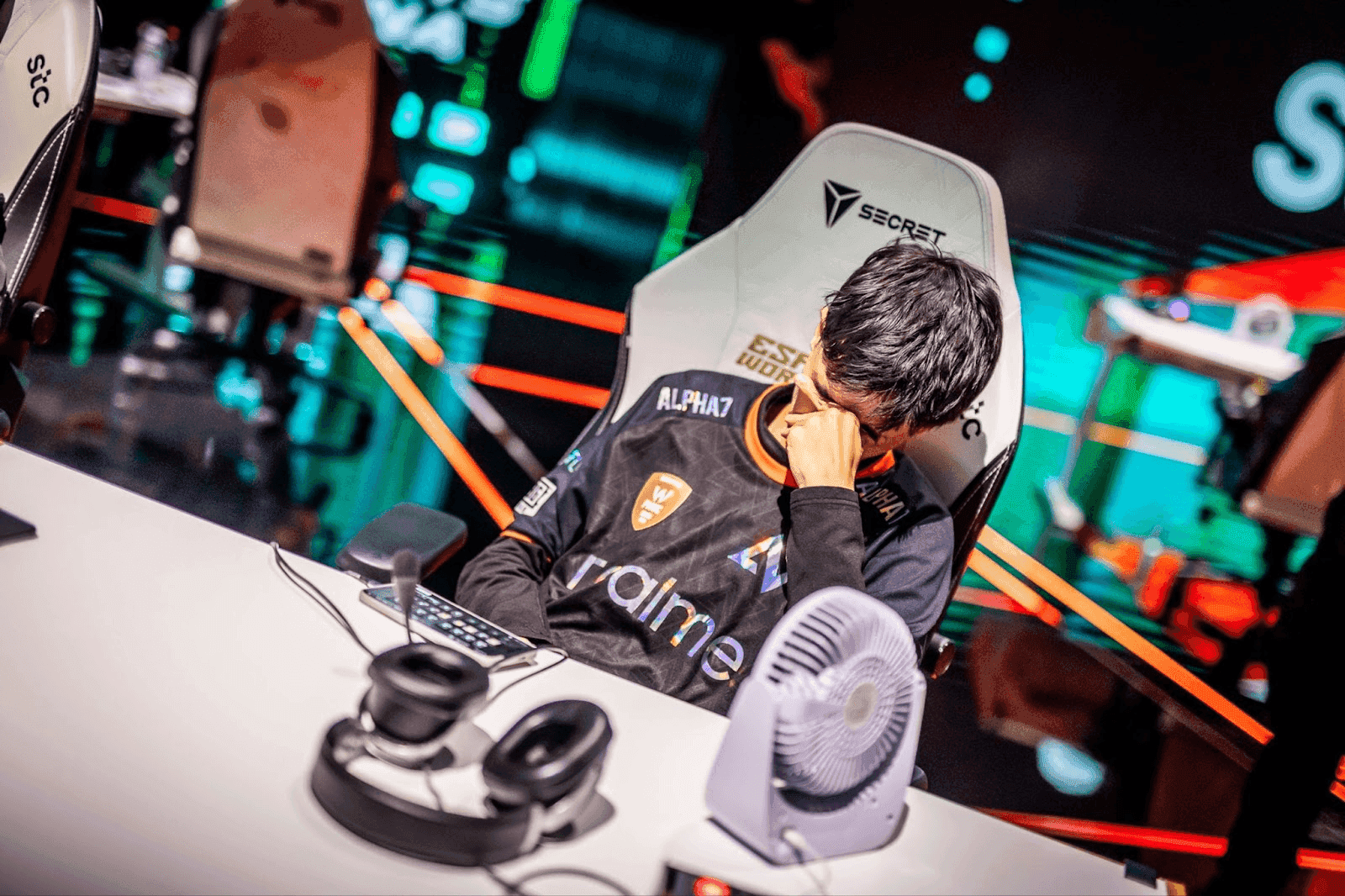
This shift is not perfect. Comfort is the biggest variable. IEMs can feel intrusive for some users, especially during long sessions. Fit is not universal, and finding the right pair takes trial and error.
Then there is the cost of doing it properly. A good IEM paired with a weak source will not perform as intended. The chain matters. If any part is missing, the benefits quickly diminish. And this is not a universal upgrade across all games. In slower or more cinematic titles, the difference is far less impactful. This is a competitive edge, not a general one.
The Next Competitive Edge Is Already Here

Audio is becoming the next frontier in competitive optimization. Not in a flashy way, but in a practical one. As more players experiment with modular setups, expectations will shift. We may see gaming brands move toward more accurate tuning or even adopt hybrid approaches that blend convenience with performance.
For now, this remains an under-discussed advantage. But it is already influencing how serious players build their setups. And once you experience truly clean positional audio, it becomes obvious. This is not just about hearing more. It is about understanding more.
Thank you! Please share your positive feedback. 🔋
How could we improve this post? Please Help us. 😔

[Comparisons Expert]
Shehryar Khan, a seasoned PC hardware expert, brings over five years of extensive experience and a deep passion for the world of technology. With a love for building PCs and a genuine enthusiasm for exploring the latest advancements in components, his expertise shines through his work and dedication towards this field. Currently, Shehryar is rocking a custom loop setup for his built.
Get In Touch: shehryar@tech4gamers.com