


- Console-like PCs failed by trying to restrict what makes PCs powerful
- Steam Machines struggled due to fragmentation and weak software support.
- Steam Deck succeeds by embracing PC flexibility, not removing it.
- The future of PC-console hybrids is shifting toward handhelds, not TVs.
For as long as PC gaming has existed, there has been this persistent idea that it could be simplified into something closer to a console. A machine you plug into your TV, pick up a controller, and play without worrying about drivers, settings, or updates. It sounds like the best of both worlds.
Yet for nearly two decades, that vision has struggled to take hold. Not because the hardware wasn’t capable, and not because gamers didn’t want simplicity, but because the industry kept trying to solve the problem the wrong way.
Where It Went Wrong
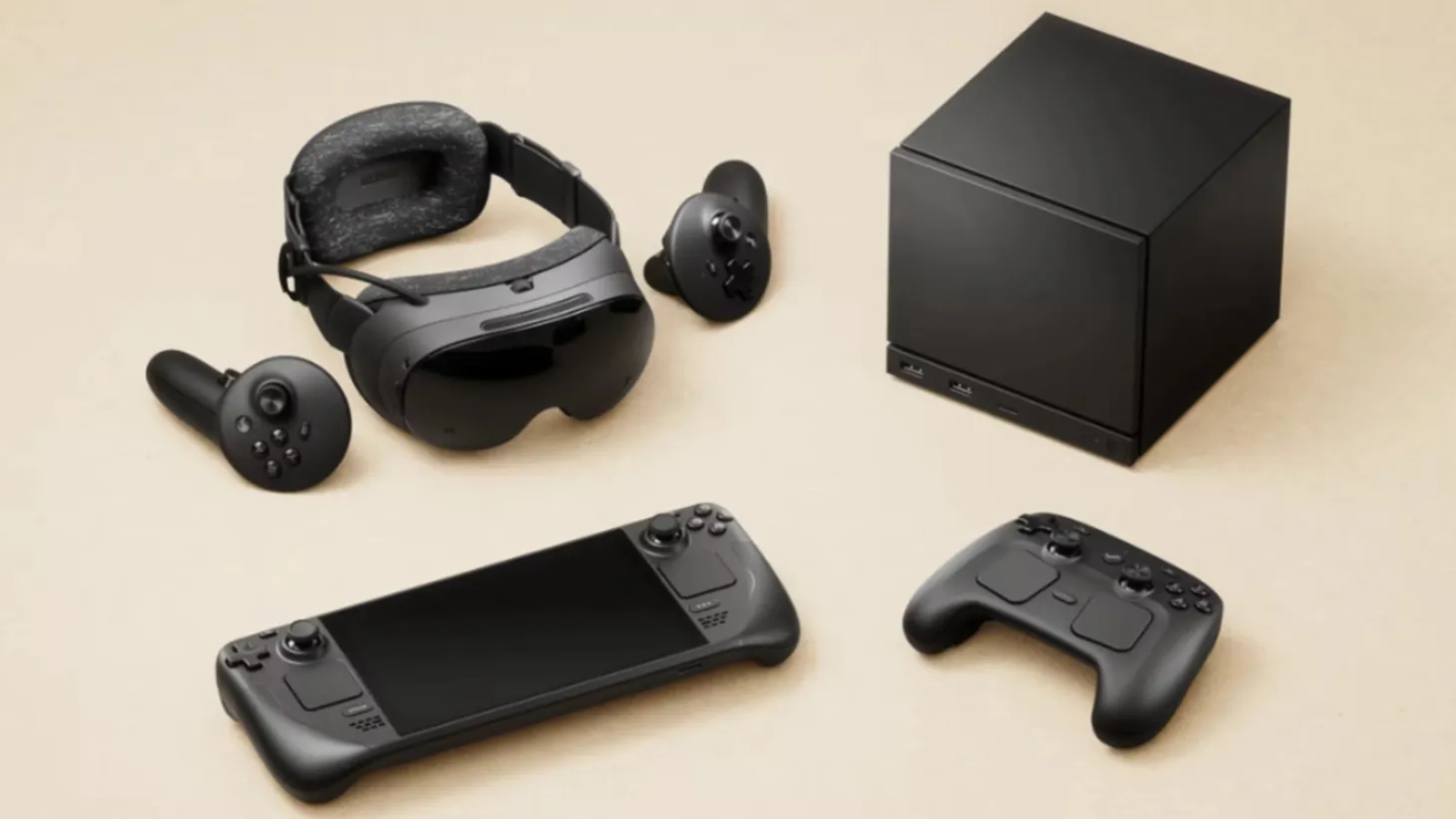
The idea of a console-like PC isn’t new, but its failures follow a clear pattern. Over the years, companies kept trying to package PC hardware into living room boxes, layering simplified interfaces on top of Windows or Linux and hoping that would be enough. Even in recent years, companies have revisited the idea; a few new attempts surfaced, but none gained real traction.
The most notable early push came from Valve with Steam Machines in 2015. On paper, it looked like the breakthrough moment. A unified ecosystem, a dedicated OS, and multiple hardware partners. In practice, it collapsed under its own lack of clarity.
The biggest issue wasn’t just fragmentation; it was confusion. Different manufacturers produced wildly different systems, performance varied from one machine to another, and no one really knew what a Steam Machine was supposed to be. SteamOS didn’t help either. Limited compatibility made the experience feel incomplete.
These systems never committed to being a console, and they never embraced being a PC. That identity crisis is what ultimately killed them.
Why It Kept Failing
The repeated failure of console-like PCs comes down to a misunderstanding of what players actually want. There has always been demand for a simpler way to access PC gaming, but not if that simplicity comes at the cost of control.
PC gaming works because of its flexibility. Players expect to tweak settings, install mods, switch storefronts, and shape their experience however they want. Earlier attempts tried to simplify that by cutting those options away, and in doing so, they stripped out what made the platform appealing in the first place.
The industry treated PC gaming like a problem that needed fixing. That was the mistake. The real challenge was never about removing complexity; it was about hiding it until it was needed. Most companies got that backwards.
What Valve Did Differently
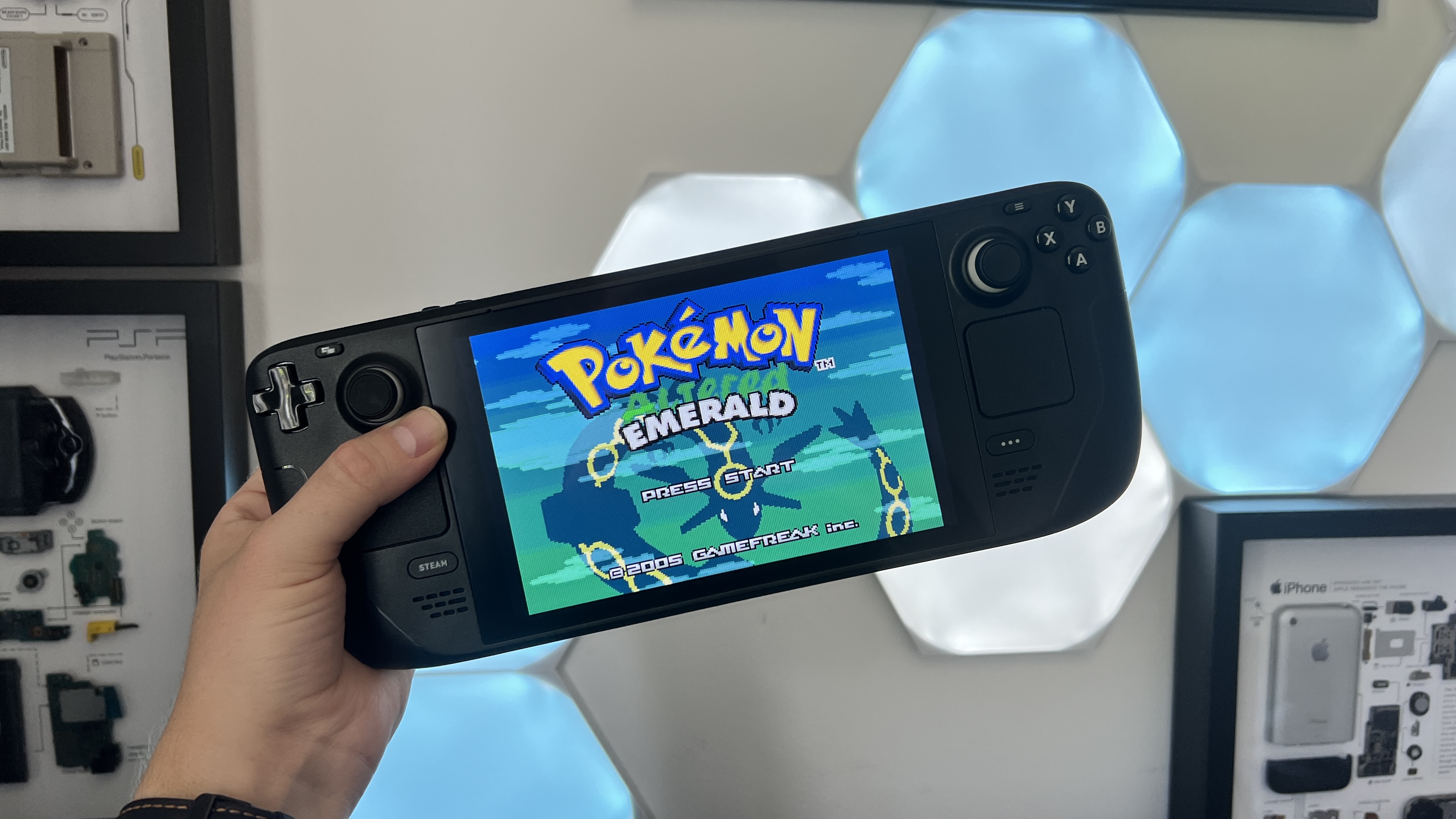
Valve didn’t try to fix PC gaming. It accepted it. Instead of locking the experience down, it reorganized it. SteamOS presents a clean, console-like interface on the surface, but underneath, it is still a full PC. You can ignore the complexity entirely or dive into it whenever you want.
That distinction is everything. Earlier systems removed options to make things simpler. Valve kept those options and simply moved them out of the way. It sounds like a small change, but it completely changes how the system feels to use.
This is the difference between a device that feels limiting and one that feels flexible. It’s also the reason one approach failed while the other actually stuck.
Why Handheld PCs Succeeded
Living room PCs were always fighting a losing battle. They tried to compete directly with consoles that were already optimized for that space, already simpler, and already established.
Handheld PCs changed the equation entirely. Instead of replacing consoles, they extend PC gaming into places it couldn’t go before. Your library is no longer tied to a desk or a TV. That alone makes the trade-offs easier to accept.
More importantly, handhelds don’t feel like compromised consoles. They feel like expanded PCs. That shift in perception is why this category has gained momentum while traditional console-like PCs continue to stall.
The Role of SteamOS
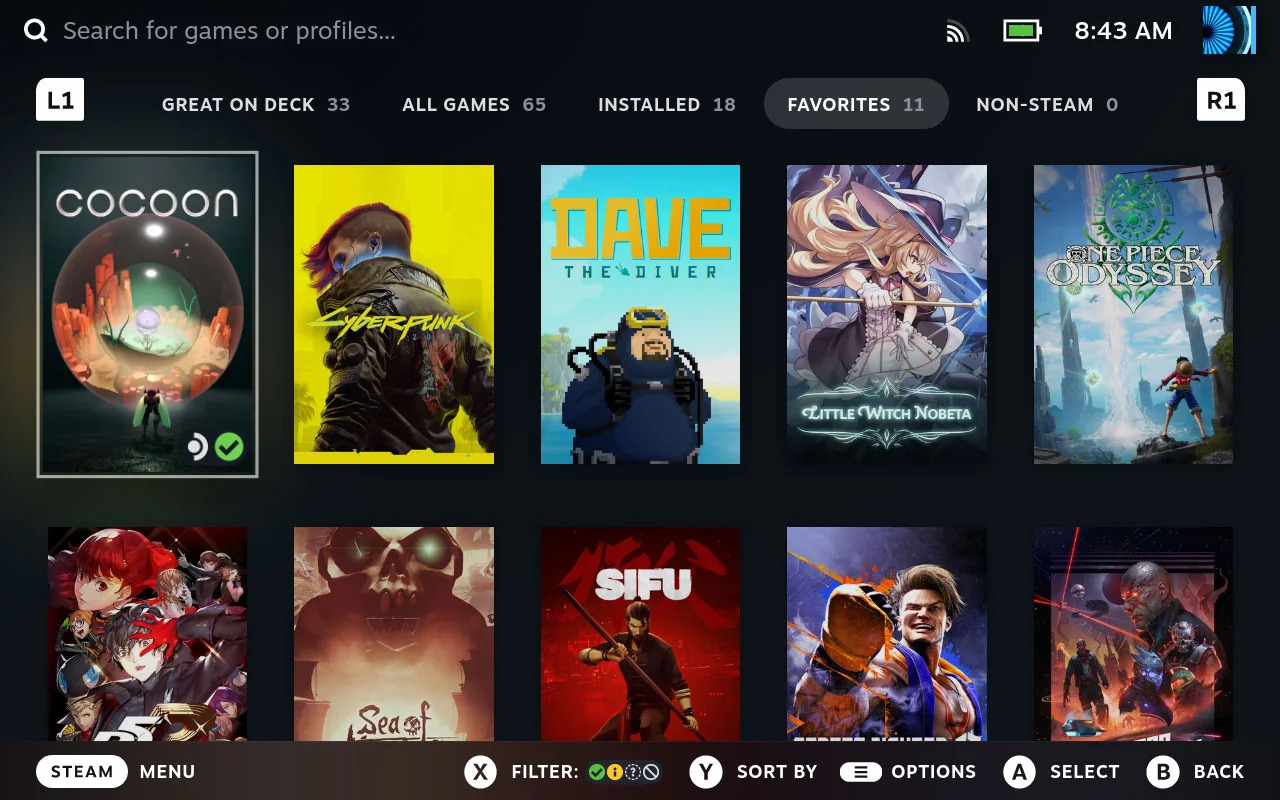
A big part of this shift comes down to software. SteamOS has evolved into something far more cohesive than its early versions, and more importantly, it knows exactly what it wants to be.
Because Valve controls the full stack, hardware, OS, and storefront, all work toward the same goal. That removes friction without introducing restrictions. And that’s the key difference.
SteamOS doesn’t try to lock users in. It gives them a default experience that works out of the box, but it never takes control away. You can step outside it at any time, and that freedom reinforces the entire system rather than breaking it.
The Remaining Challenges
Despite the progress, there are still limitations. Consoles continue to dominate the living room, offering simplicity and optimization that are hard to match, especially when combined with exclusive titles.
SteamOS also hasn’t seen widespread adoption beyond Valve’s own hardware. Expanding its reach remains a challenge, and handheld devices must keep up with increasingly demanding games. These are real concerns, but they do not change the broader direction.
What Comes Next
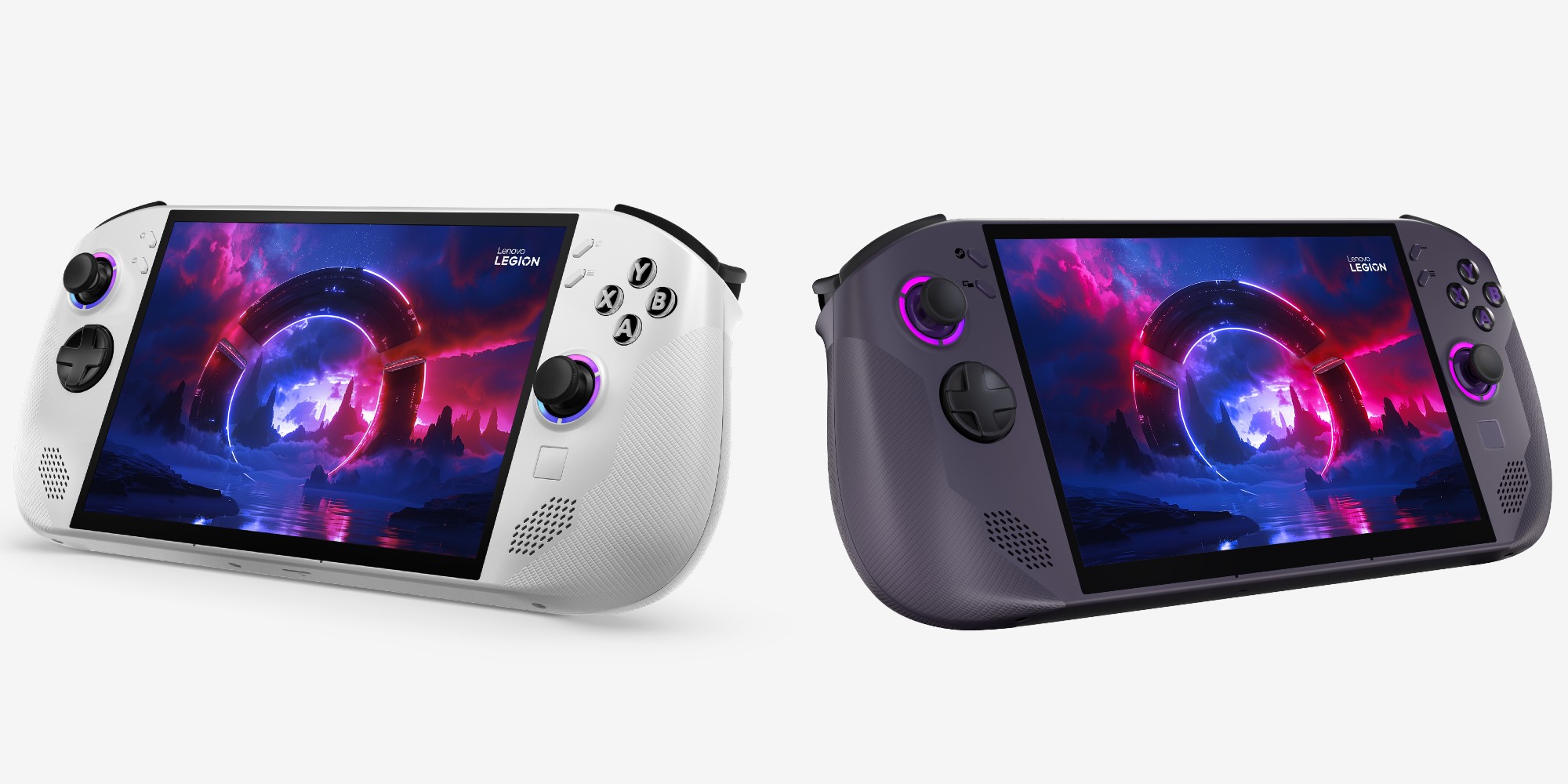
The future of PC-console hybrids is becoming clearer. It is not about turning PCs into consoles, and it is not about replacing consoles entirely. It is about making PC gaming easier to access without stripping away what makes it valuable.
For years, the industry treated PC gaming like something that needed to be simplified by force. Valve proved that it only needed to be organized.
That’s why the Steam Deck works where everything else didn’t. For the first time in years, the idea of a console-like PC doesn’t feel misunderstood. It feels like something the industry is finally starting to get right.
Thank you! Please share your positive feedback. 🔋
How could we improve this post? Please Help us. 😔

[Comparisons Expert]
Shehryar Khan, a seasoned PC hardware expert, brings over five years of extensive experience and a deep passion for the world of technology. With a love for building PCs and a genuine enthusiasm for exploring the latest advancements in components, his expertise shines through his work and dedication towards this field. Currently, Shehryar is rocking a custom loop setup for his built.
Get In Touch: shehryar@tech4gamers.com
 Join Our Community