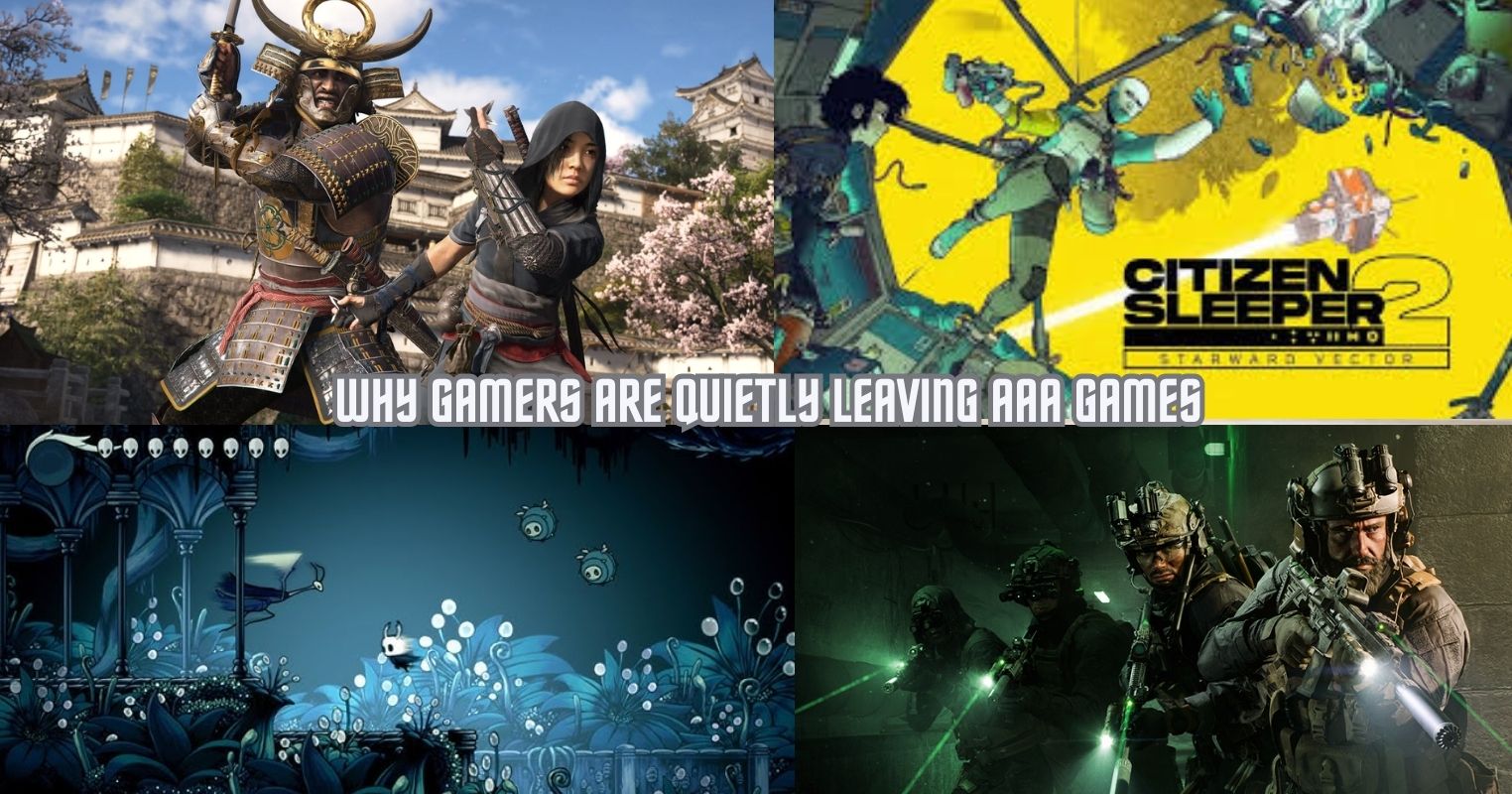



- Modern games rely heavily on tutorials and guides to explain gameplay mechanics, reducing player independence.
- Older games relied on players learning the game through trial and error and experimentation.
- Excessive markers and navigation systems tend to ruin players’ self-exploration.
- Accessibility should support players, not remove the challenge that makes the game engaging.
Modern games are better, bigger, smoother and more polished than ever. However, at the same time, they feel more controlled. From tutorials to map markers that guide every step, players are rarely left to figure the game out on their own. While these systems may help players and make the game easier to approach, they also raise the question: have developers stopped trusting players to learn and explore the game for themselves?
Hand-Holding in Modern Games
As soon as we start a modern AAA game, it immediately guides us through everything. The game tells you how to move, how to fight, how to interact and at times even how to think. In modern games, tutorials are no longer just quick introductions. They are long, controlled sequences in which players are taught what to do and exactly when to do it.
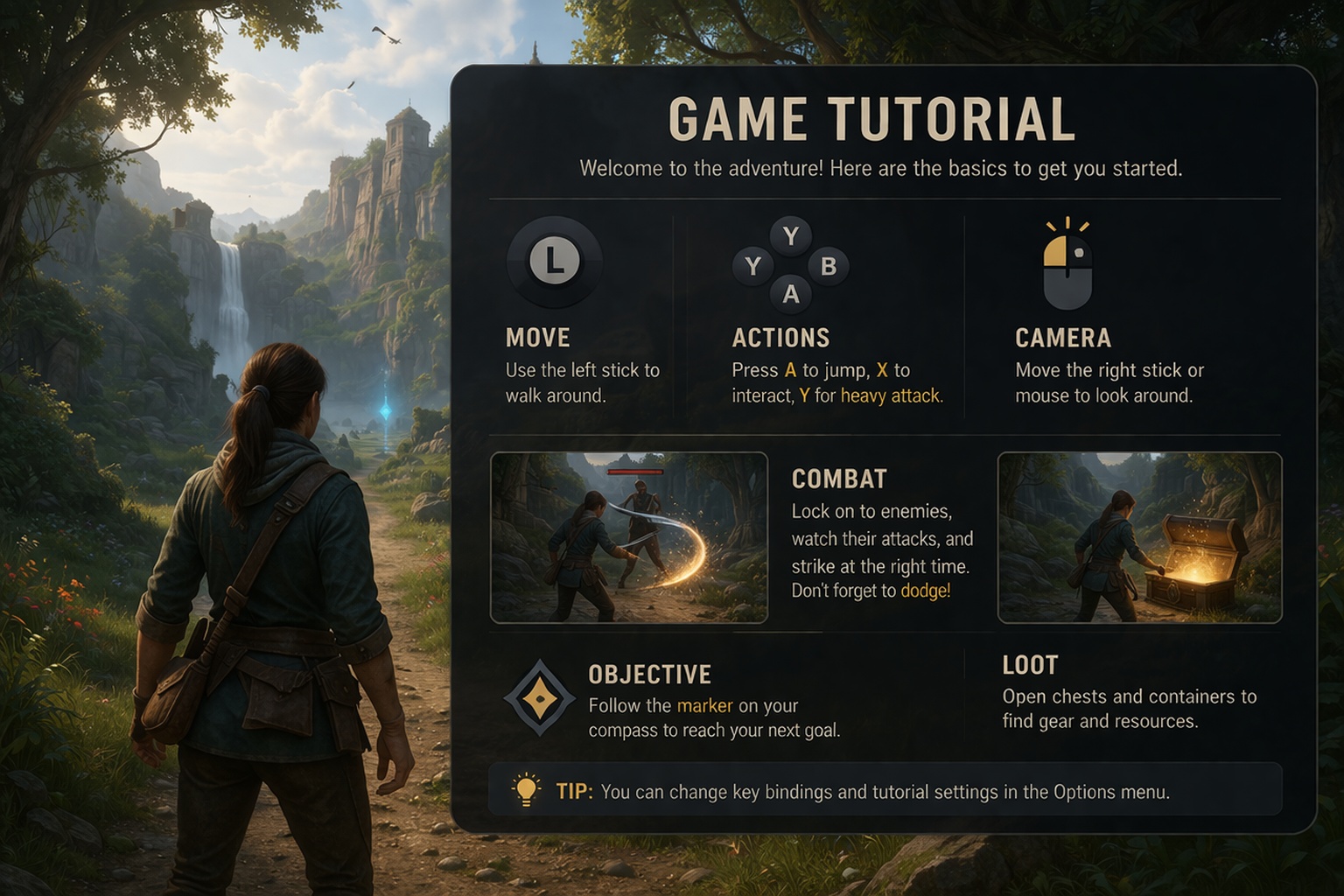
Constant guidance by the game removes the feeling of discovery. Instead of having players learn through playing, games today instruct them step by step. This makes the entire experience less like playing a game and more like following directions laid out by the game’s developers. For many new players, this guidance may be helpful, but to the rest, it is mostly unnecessary and takes away the excitement of figuring stuff out on your own.
The Problem With Map Markers
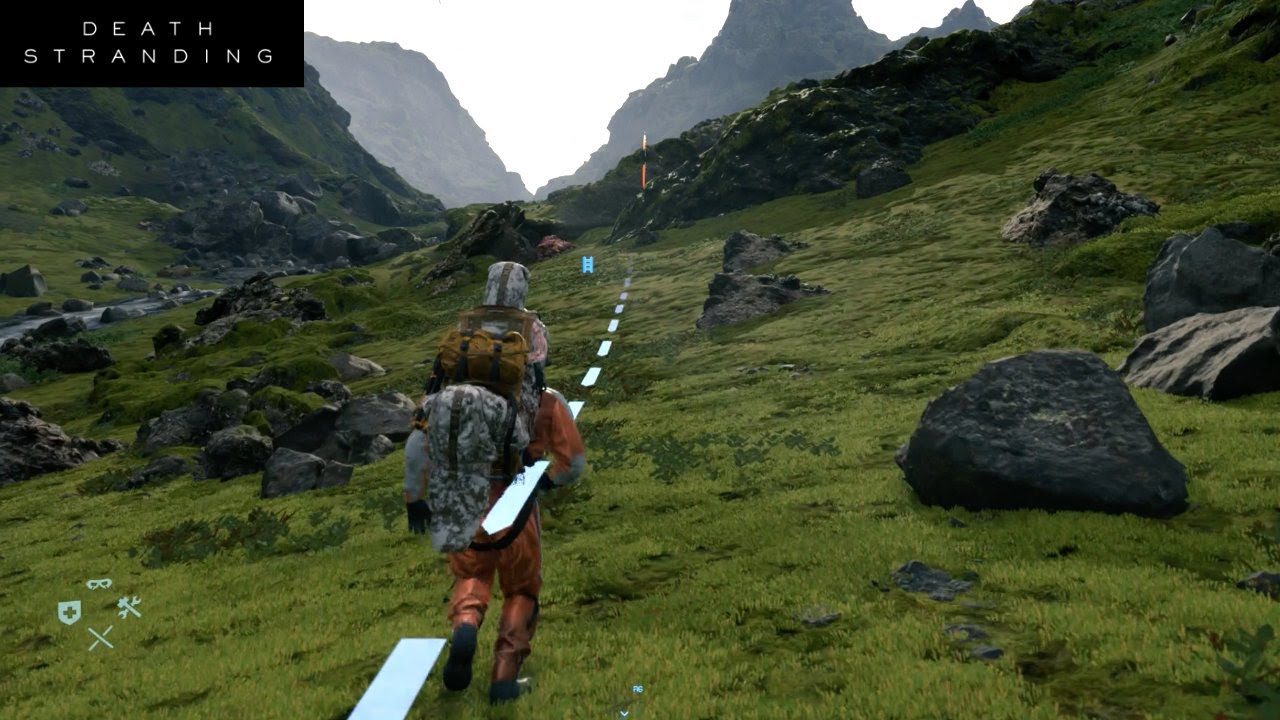
Navigation systems are another example of this issue. Modern AAA games rarely let players get lost. There are markers that show exactly where to go, paths are highlighted, and there are systems that guide you in the right direction at all times. As a result, players stop paying attention to the game world itself. To them, there is no need to read signs, notice landmarks or explore different paths.
By simply following the map markers, players reach their destination. This design makes the game easier to play, but at the same time makes it less engaging. Games these days make exploration automatic rather than meaningful; in these games, players are led through the world instead of discovering it themselves.
Back When Games Trusted The Player
Older games worked much differently. They gave you the basic tools and guidance, then stepped back. If you didn’t understand something, you had to experiment. Similarly, if you got stuck, you had to keep trying different approaches to the situation. As you went through the game, eventually you built your own playstyle and your own way of dealing with tough parts.
This created a stronger connection between the player and the game. Back then, every solution felt earned as you figured it out entirely on your own. Mistakes were a part of the experience, and learning from them made the gameplay satisfying. Without constant guidance, players paid more attention. They took more risks, developed strategies, and experimented more with their playstyle. This is exactly why games like The Witcher 3 became so famous, as they allowed exploration and experimentation.
Accessibility Vs Oversimplification
It’s important to note that modern game designs are not entirely bad. Games today are more accessible than ever. They include systems that help new players understand the game and enjoy it without frustration. However, there is a clear difference between accessibility and oversimplification. Accessibility gives the players options, whereas oversimplification removes the need to think.
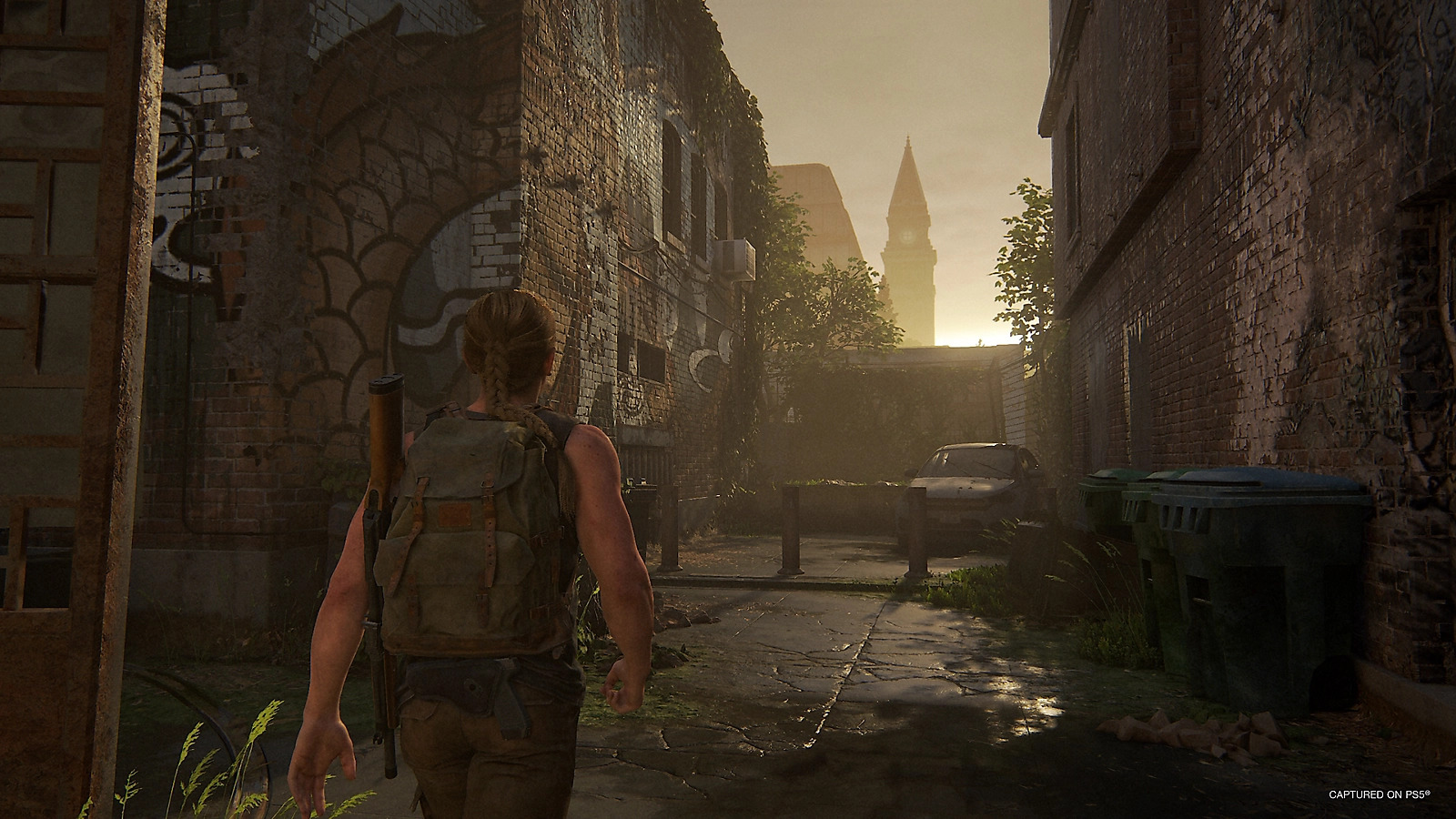
The actual problem arises when games impose this guidance on everyone. Tutorials cannot be skipped, hints are always active, and systems are designed in a way that leaves little room for experimentation. Instead of helping players, these features limit how players interact with the game. Due to these reasons AAA games are losing footing in the gaming industry.
Why This Matters
When games don’t trust players, players become less confident in their own decisions. Over time, players start relying too much on instructions and not raw instincts. These features tend to change how games are played. Even tho the game becomes easier and smoother, it also becomes less memorable.
For many players, part of what makes gaming exciting is the challenge and the accomplishment of overcoming a difficult one. When games start oversimplifying it for hardcore players, they lose interest very fast. Modern game developers need to learn that players don’t seek excessive tutorials or guides; all they want is to do things on their own, aside from the short control demo.
Final Thoughts
Modern games do not need to remove tutorials or guidance. Instead, they should just let players control how much guidance they want. Optional tutorials, adjustable navigation systems, and some trust in the player’s ability to figure things out themselves can go a long way. Trusting players doesn’t mean making the game harder; it means allowing players to learn, fail, and improve on their own terms.
Thank you! Please share your positive feedback. 🔋
How could we improve this post? Please Help us. 😔

[Comparisons Expert]
Shehryar Khan, a seasoned PC hardware expert, brings over five years of extensive experience and a deep passion for the world of technology. With a love for building PCs and a genuine enthusiasm for exploring the latest advancements in components, his expertise shines through his work and dedication towards this field. Currently, Shehryar is rocking a custom loop setup for his built.
Get In Touch: shehryar@tech4gamers.com
 Join Our Community