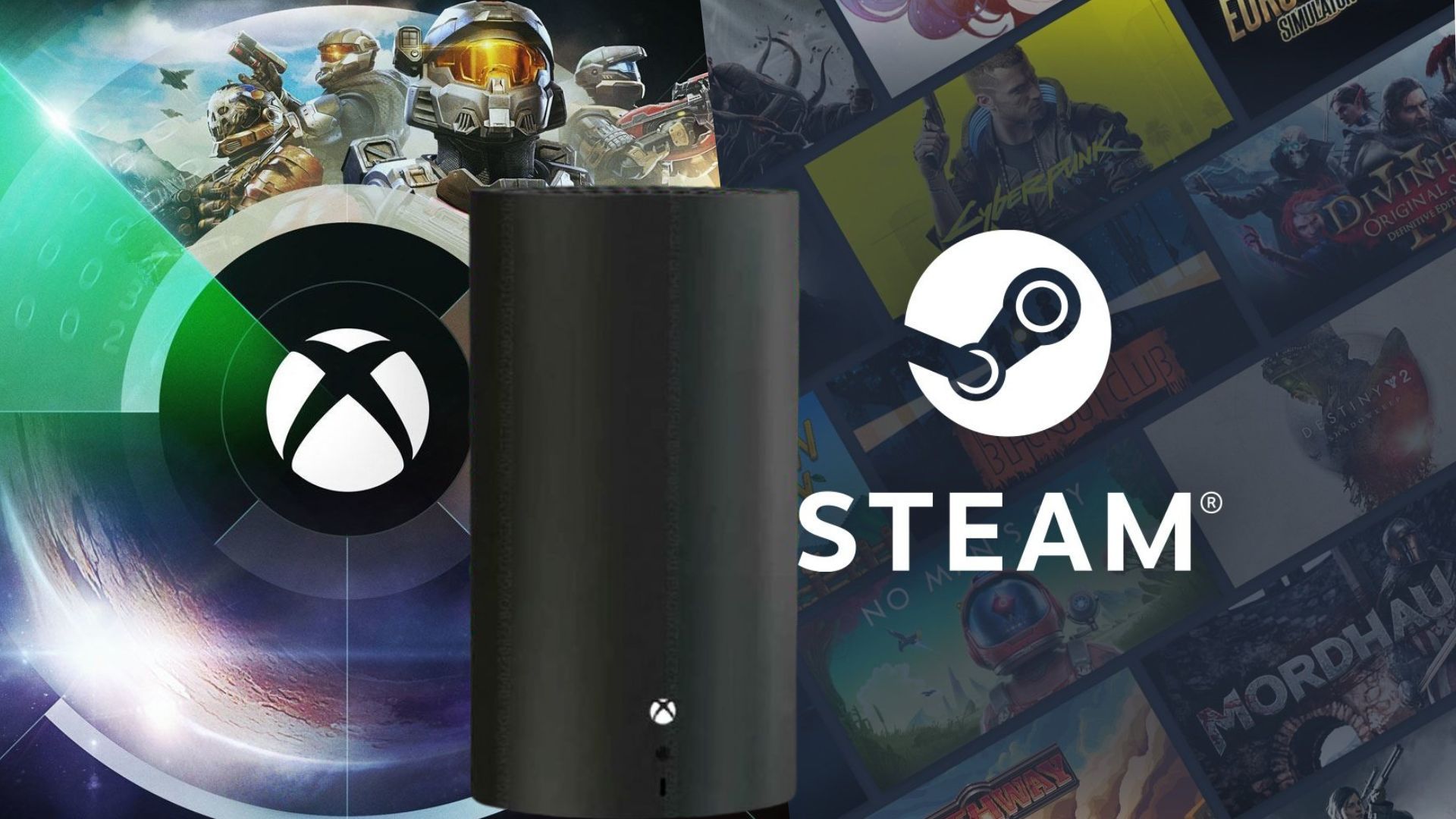



- Valve is having another go at the Steam Machine with a release expected in 2026 around a rumored MSRP of $700 for the 512 GB variant.
- The ongoing RAM and NAND shortage will hinder Valve’s ability to launch the Steam Machine at a palatable price and then maintain said price through 2026.
- Only 8GB of VRAM might not prove enough for 4K gaming at 60FPS in newer titles down the road.
- A Steam-exclusive release could possibly limit the outreach of the Machine, subsequently impacting its sales figures.
Let’s be honest; my inner PC gamer did a little jig when Valve announced its new Steam Machine.
The idea of a sleek, living-room box from the folks behind Steam, promising serious power, felt like a dream.
It’s Valve swinging for the fences again, attempting a comeback in the console arena after their infamous 2015 flop. That earlier attempt, a confusing array of third-party PCs, vanished without a trace.
So, naturally, this new, unified vision has my attention. But before I max out my Steam Wallet in anticipation, I’ve got to hit the pause button.
After peeling back the glossy promises, I’m spotting a few reasons why we all might want to temper our excitement, at least until we have the full picture.
A Phoenix From The Ashes, But With Old Scars
First, we have to address the elephant in the room: history.
To begin with, the 2015 Steam Machines were a fragmented mess comprising dozens of models from different manufacturers, with wildly varying specs and prices, all running a then-unpolished SteamOS.
Understandably, consumers were baffled, and the line died a quiet death.
So, this new Machine isn’t just a product launch; it’s a redemption arc.
Valve is betting that a single, focused hardware spec, experience from years of Steam Deck optimization, and a matured SteamOS can rewrite that painful history.
It’s a compelling narrative, but past trauma has left me, and I suspect many others, inherently skeptical.
Specs And Promises: The 4K Dream Comes With An Asterisk
Now, let’s talk about what’s under the hood, because on paper, it sounds impressive.
Valve promises a system built around an AMD 6-core/12-thread Zen 4 CPU turbocharging up to 4.8 GHz with a TDP of 30W.
Moving on, the Steam Machine will feature a semi-custom AMD RDNA 3 GPU clocking in at a max sustained speed of 2.45 GHz along with 28 Compute Units and a TDP of 110W.
Moreover, Valve is touting the Machine as being six times more powerful than the beloved Steam Deck, with the ability to push 60 FPS in 4K. That’s the headline that gets my blood pumping.
However, and this is a big however, Valve quietly admits that hitting that 4K/60FPS target will require the use of AMD’s FSR upscaling technology.
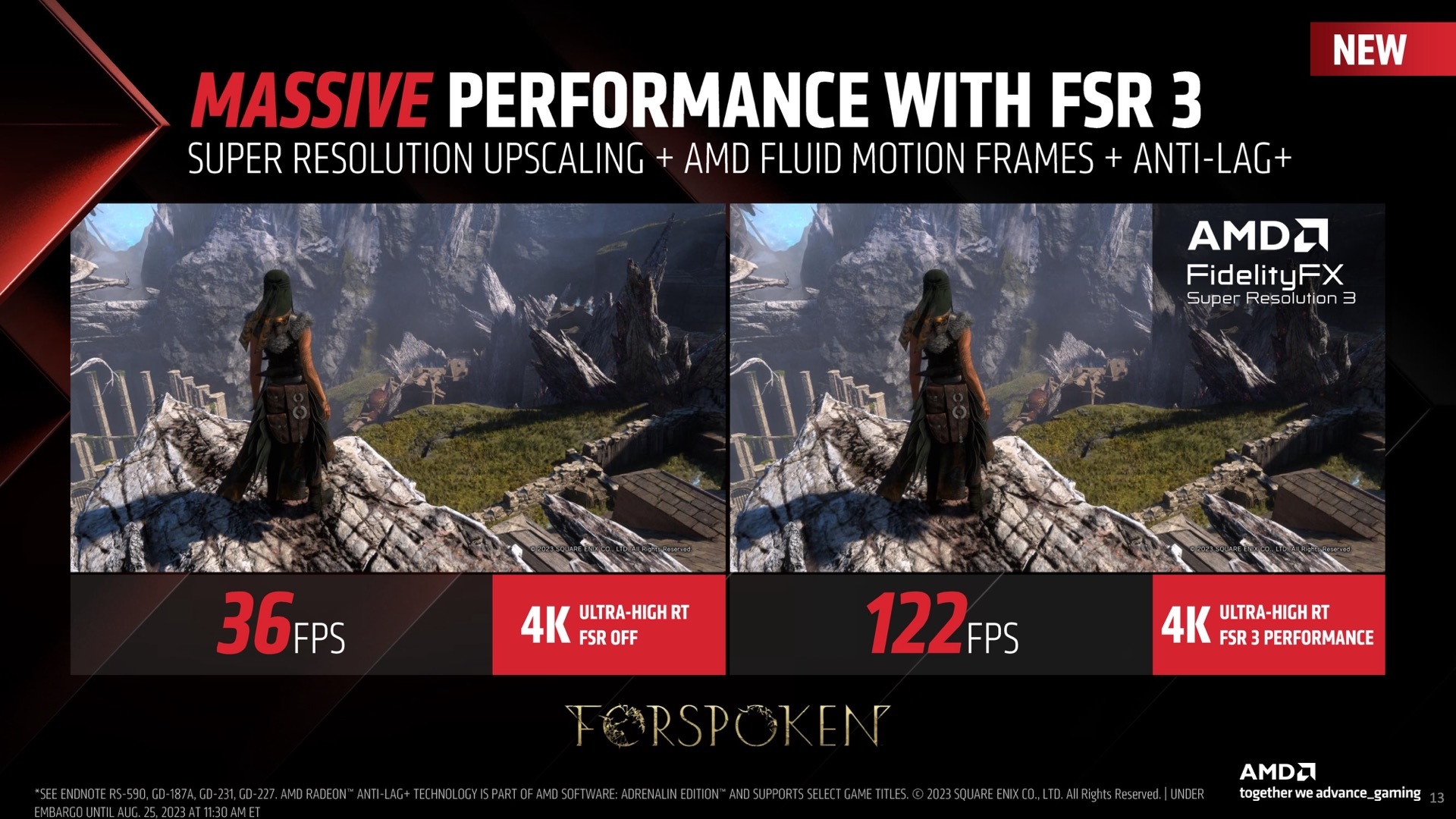
This isn’t necessarily a deal-breaker; both PlayStation and Xbox use similar techniques, but it’s a crucial clarification.
The VRAM Question And The Looming Shadow Of Cost
Digging deeper into the specs reveals another potential hiccup: memory. The Machine is configured with 16GB of fast DDR5 RAM for the system, but the GPU comes with only 8GB of dedicated GDDR6 VRAM.
For a box targeting 4K gameplay, even with artificial upscaling, 8GB of VRAM is already cutting it close.
We’re seeing newer titles, even today, comfortably exceed that buffer at high resolutions. While FSR will help, textures and assets still need to live somewhere.
This feels like a conservative choice that could limit the Machine’s future-proofing.
Speaking of future-proofing, here’s my single biggest concern: price. Valve has been conspicuously silent on this front, and for good reason.
We’re in the midst of a brutal component crisis. NAND flash memory (for SSDs) prices have skyrocketed, making that promised 2TB variant look particularly expensive.
Simultaneously, a global RAM shortage is driving the cost of DRAM through the roof, affecting everything from system memory to GPUs.
Valve isn’t just building a console; it’s building a moderately powerful PC in the worst possible market.
Hitting a competitive price point like $500 or $600 seems Herculean. My guess? The 2TB model will perilously near the $1,000 mark while recent analyses point towards a $700 MSRP for the 512GB variant.
A Promising Prospect, Shrouded in “Ifs”
Ultimately, my excitement is firmly tempered by reality.
The new Steam Machine is a bold, fascinating second attempt that solves many of the first generation’s mistakes.
It has smart ideas, especially around anti-scalping. Yet, the specter of cost, the conservative VRAM, and the challenging market conditions create a minefield Valve must expertly navigate.
I’m not saying “don’t buy it.” I’m saying let’s see the price tag first.
Let’s see the independent benchmarks. Let’s see if Valve has truly learned the hard lessons of the past.
My horses are firmly held, and for now, I recommend you hold yours too.
Thank you! Please share your positive feedback. 🔋
How could we improve this post? Please Help us. 😔

[Wiki Editor]
Ali Rashid Khan is an avid gamer, hardware enthusiast, photographer, and devoted litterateur with a period of experience spanning more than 14 years. Sporting a specialization with regards to the latest tech in flagship phones, gaming laptops, and top-of-the-line PCs, Ali is known for consistently presenting the most detailed objective perspective on all types of gaming products, ranging from the Best Motherboards, CPU Coolers, RAM kits, GPUs, and PSUs amongst numerous other peripherals. When he’s not busy writing, you’ll find Ali meddling with mechanical keyboards, indulging in vehicular racing, or professionally competing worldwide with fellow mind-sport athletes in Scrabble. Currently speaking, Ali’s about to complete his Bachelor’s in Business Administration from Bahria University Karachi Campus.
Get In Touch: alirashid@tech4gamers.com
 Join Our Community