


- Game engines such as Unity and Unreal are being used in real-world simulations outside gaming.
- GPUs originally built for graphics now help in data analysis and accelerate scientific research.
- Virtual reality is helping train doctors, pilots and many other professionals.
- Real-time rendering in game tech is transforming the film and media production industries.
Many people assume that gaming technology has only to do with entertainment. Game engines built stunning worlds, graphics cards render stunning visuals, and controllers translate human input into on-screen action. These same technologies are now transforming many industries that have nothing to do with gaming. Gaming tech is now solving problems far beyond what it was actually designed for. Let’s discuss how it is doing so.
Real-World Simulations Via Game Engines
Game engines such as Unreal Engine and Unity are now being used in real-time simulations. These game engines can render complex environments, making them instantly applicable to situations such as architectural visualisation, urban planning and disaster preparation. Architects use these game engines to walk clients through buildings long before the construction even begins, and city planners can simulate traffic flow, population movement and disaster scenarios.

Everything from how floodwater would move across the city to how to fly a plane can be simulated. What makes these game engines useful is not just their visual fidelity but their real-time responsiveness. Different decisions in different situations can be tested instantly, and their impacts can be studied, which is something traditional simulation software struggles with.
The Role Of GPUs
Graphical processing units were originally made to improve game graphics. Today, their complex parallel processing capability has made them very useful in scientific research. Recently, GPUs have been used in medical imaging, climate modelling, and molecular simulations. Hospitals are now relying on the power of GPUs such as the Nvidia GeForce RTX 5090 to process MRIs and CT scans faster and more accurately.
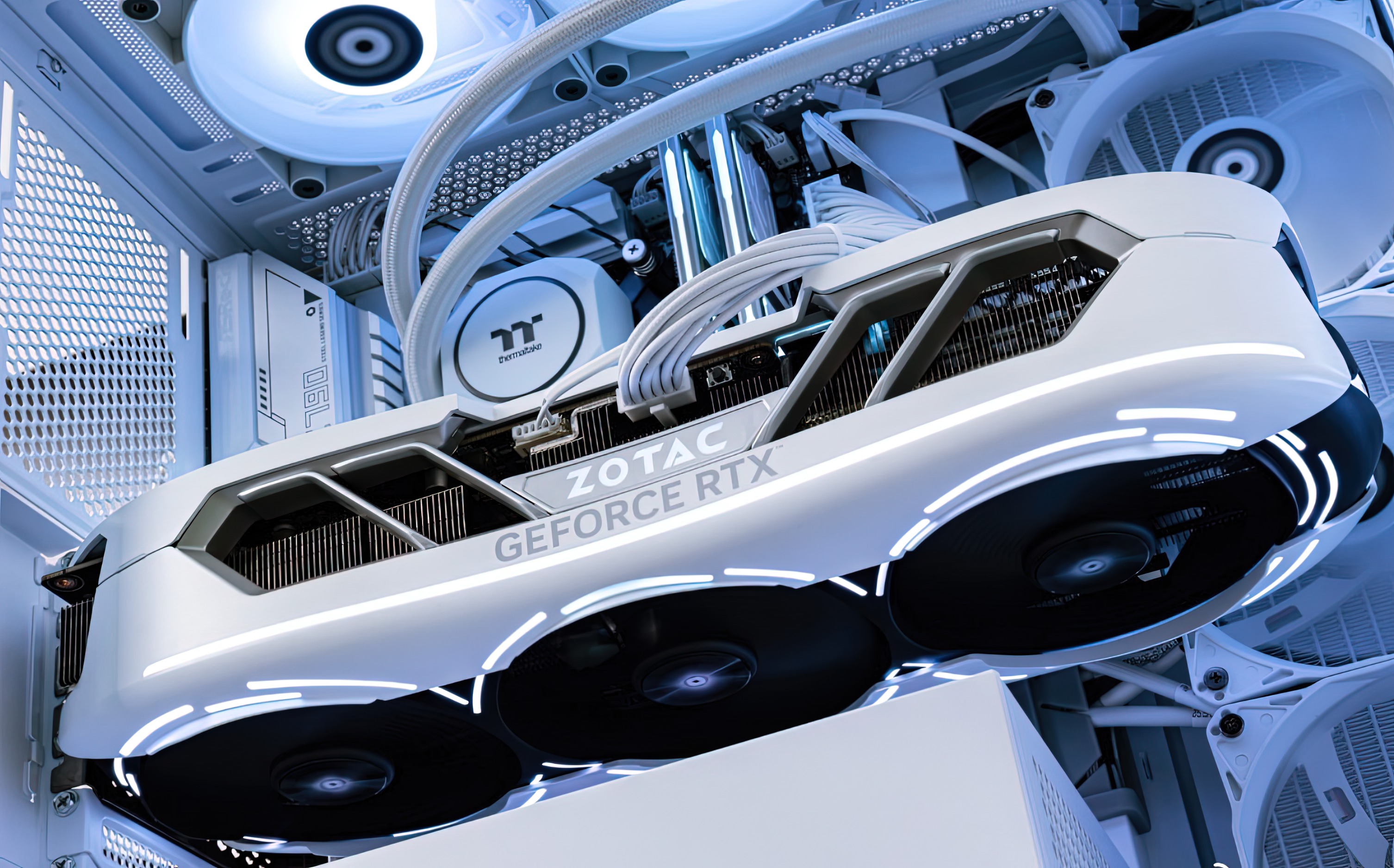
GPUs are also being used by researchers worldwide to simulate climate patterns and predict weather in meteorology. Similarly, they can analyse genetic data to ensure that babies are born healthy and free from any abnormalities. Tasks that once took days to process on traditional CPUs can now be processed in mere hours with the help of GPUs.
Virtual Reality Training
Virtual reality was originally marketed as the next biggest leap in immersive gaming. It promised users interactive worlds and so much more. The integration of VR technology in gaming, however, has been very slow. Despite slow progress in the gaming industry, VR has found a place in professional training scenes.
Surgeons can now practice complex procedures in virtual reality environments, simulating the real experience before actually touching a patient. This has made medical training much safer and less complex. Similarly, pilots can train in virtual cockpits that replicate aircraft behaviour with extreme accuracy, and industry workers can learn to use heavy machinery.
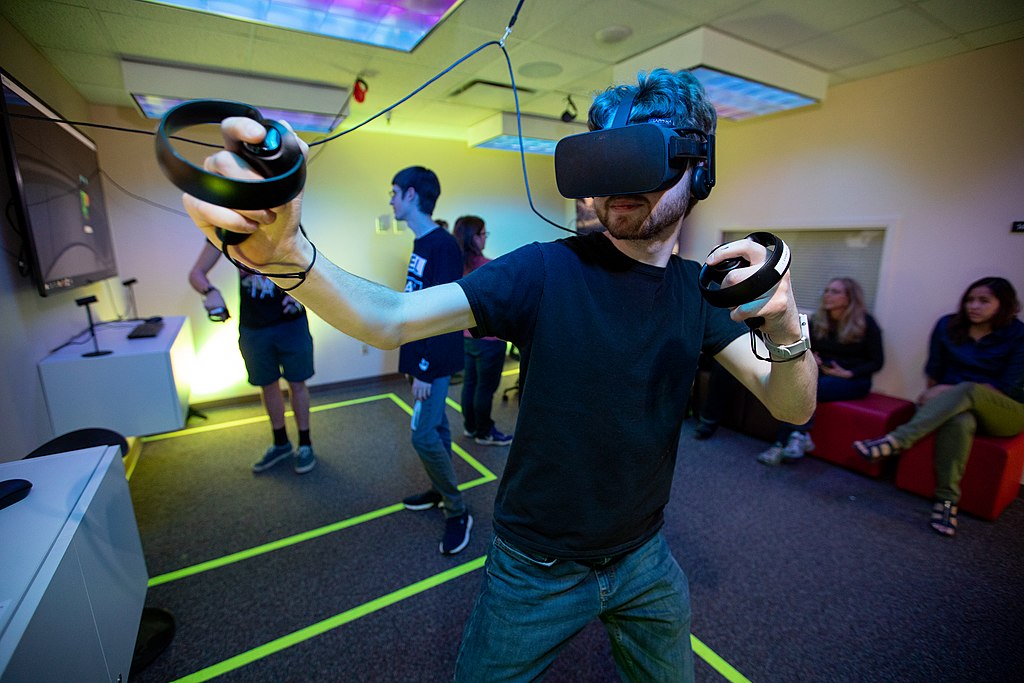
All of these applications rely on the same VR technologies originally intended for gaming scenes. The same motion tracking, rendering techniques, and input systems are being used to transform professional training by reducing risk and improving skills. Professionals can be placed in uncomfortable scenarios where they must find a way out or make quick decisions without these decisions actually having an impact.
Controllers and Haptics
Gaming controllers are also finding a new life in rehabilitation practices and accessibility. The ability of these controllers to detect precise input and give haptic feedback has made them important tools in physical therapy and assistive technology. By using game-based systems, patients in recovery can regain motor control in ways that seem much more engaging than traditional therapy.
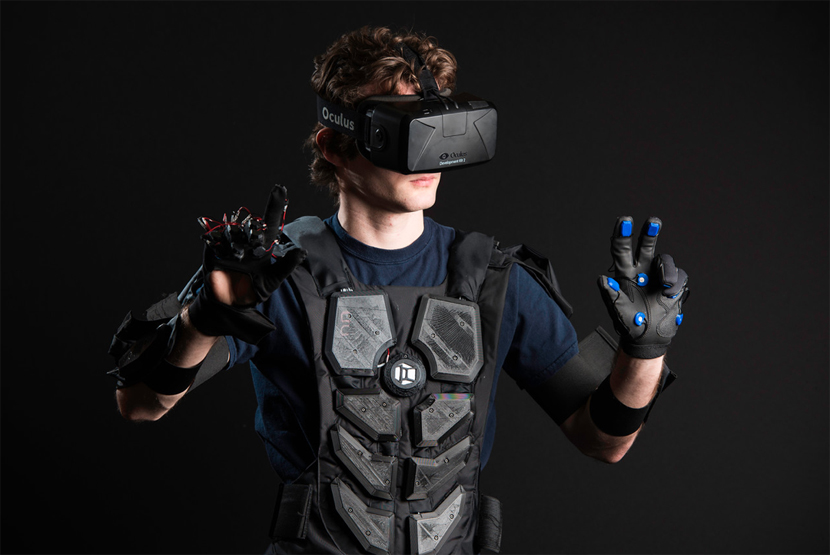
Modified controllers are also helping people with disabilities interact with computers and control devices in ways previously inaccessible. Haptic technology is also being used in robotic surgery to help return the sensation of touch, pressure and resistance to surgeons. The technology originally made for fun is now helping improve the quality of life.
Final Thoughts
Gaming technology excels in scenarios outside gaming because it was designed to handle real-time complexity. Games demand responsiveness, scalability, and efficiency. These same qualities are very valuable in fields where rapid decision-making and visualisation are important. As gaming technology continues to evolve, we will start to see increased application in fields such as education, healthcare, research and engineering.
The most surprising thing about gaming technology may not be how advanced it has become, but how it has quietly reshaped a world outside gaming. The same tools that have helped improve game immersion and quality are helping professionals around the globe.
Thank you! Please share your positive feedback. 🔋
How could we improve this post? Please Help us. 😔

[Comparisons Expert]
Shehryar Khan, a seasoned PC hardware expert, brings over five years of extensive experience and a deep passion for the world of technology. With a love for building PCs and a genuine enthusiasm for exploring the latest advancements in components, his expertise shines through his work and dedication towards this field. Currently, Shehryar is rocking a custom loop setup for his built.
Get In Touch: shehryar@tech4gamers.com
 Join Our Community