



- Proxy servers can lower ping for competitive gamers by transmitting data through a shorter route.
- The SOCKS5 protocol is ideal in this situation to keep ping at bay.
- Identifying bottlenecks before opting for a server is also a good idea.
Split-second decisions make all the difference when it comes to competitive games, and this is where proxy servers truly shine. High-quality residential proxies provide access to real IP addresses, making it possible to route data in the most optimized manner for the best results.
Why it matters: Titles like Rainbow Six Siege, Battlefield 6, and more have established thriving online communities. This also means that the players with the best connections often perform better than everyone else in these titles.
Why Proxy Servers Are Important
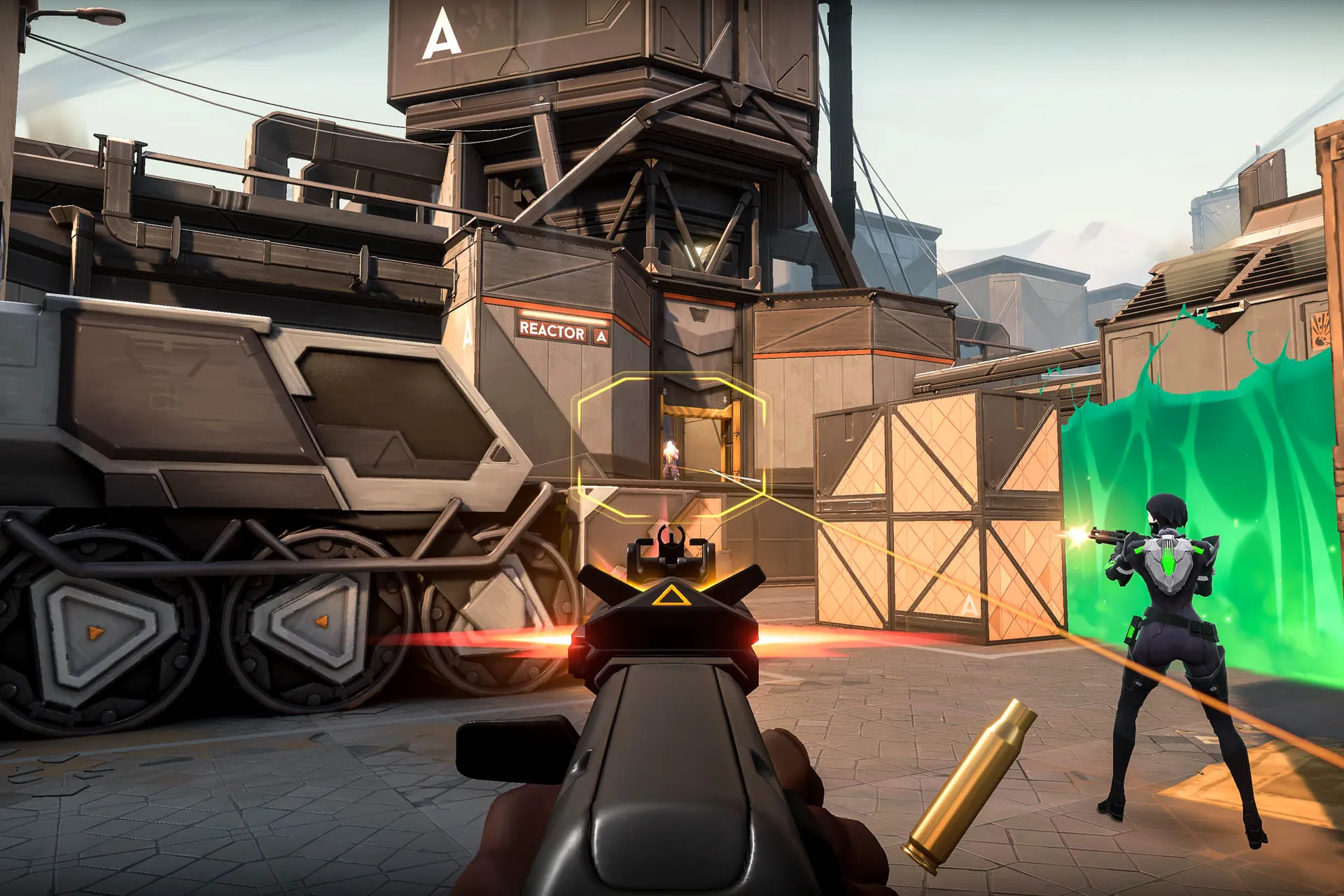
When playing games online, a server and the host’s console/PC constantly exchange data. However, a problem arises when the path this data goes through is unoptimal.
For instance, providers typically look to conserve costs when choosing a route, making it so that speeds are not necessarily a primary concern to them. This is where advanced players look toward routing optimization for online games.
When connected to a proxy server that is closer to a player’s geographical location, data is transmitted through a shorter route. This leads to fewer hoops for the data to jump through, effectively cutting down latency and lag in online games.
This is especially important during peak hours when servers have to juggle a lot of traffic. Similarly, in more competitive settings, proxy servers can provide a major advantage since each millisecond can be the difference between a win and a loss.
Choosing a Proxy For Your Needs

When picking a proxy connection, speed alone isn’t the most important. Instead, reliability needs to be given just as much importance, so gamers must evaluate all parameters when going for a residential proxy.
These are also beneficial as they offer real IP addresses for a natural online experience. On the other hand, datacenters offer high-speed proxy servers, but their stability suffers compared to residential proxies.
When choosing a residential proxy, it’s best to carefully look for an uptime of 99%, availability of servers in regions where game data centers are located, etc.
High-Speed Proxy Servers And Protocols

When picking a provider, priority must be given to the connection protocol itself. Choosing SOCKS5 is the ideal option since it operates at a low level and transfers data without any unnecessary header processing, making it more valuable for gaming.
Also, HTTP proxies offer a downside in the form of overhead that becomes more noticeable on high-bandwidth, low-latency servers. Therefore, to keep ping at a minimum for competitive gameplay, SOCKS5 is the best choice.
Where To Start
When opting for a proxy server, it’s essential to identify potential bottlenecks and hurdles beforehand. Using connection diagnostic tools can come in handy here, helping users identify bandwidth loss for each node.
Also, proxy servers can be used alongside these tools to make the process more seamless. To minimize packet loss, it’s important to prioritize the wired connection and use the router’s QoS settings.
Ultimately, relying on a proxy server can help gamers overcome jitter, packet loss, and all sorts of other network-related problems that come in the way of gameplay.
As mentioned earlier, sticking to the SOCKS5 protocol and using diagnostic tools to identify the bottleneck are recommended, and one must also take care to examine connection speed and stability at all times.
Thank you! Please share your positive feedback. 🔋
How could we improve this post? Please Help us. 😔

[Senior News Reporter]
Avinash is currently pursuing a Business degree in Australia. For more than 5 years, he has been working as a gaming journalist, utilizing his writing skills and love for gaming to report on the latest updates in the industry. Avinash loves to play action games like Devil May Cry and has also been mentioned on highly regarded websites, such as IGN, GamesRadar, GameRant, Dualshockers, CBR, and Gamespot.
 Join Our Community