



- Many story-driven games follow the same cinematic narrative design.
- In most titles, player choice feels limited despite the promise of interactive gameplay.
- Plots are often similar, meaning emotional moments lose their impact due to predictability.
- The development costs are very high, which forces developers to move towards safer storytelling models.
Games have always been hailed as the best storytelling medium. They promise emotional depth, complex characters and narratives that hook the player. Over the years, story-driven games have proved that they can stand shoulder to shoulder with the best novels and movies as serious storytelling platforms. These games often feel more attractive and immersive than any other storytelling medium because the player essentially lives out the game.
Each step, each curb feels meaningful and attaches the player emotionally to the game. However, as the storytelling game genre expands, the narratives of many of these games have begun to feel similar. To many, they seem to share more than just themes or a slight influence.
Rise Of Cinematic Game Style
Most modern story-driven games follow a very recognisable structure. It all starts with a dramatic incident, then comes the training aspect, which teaches the player the basic game mechanics. This is followed by establishing the emotional stakes of the protagonist, followed by a betrayal, the death of a beloved or a major setback. At the climax, the protagonist gets emotional closure, and the game ends.
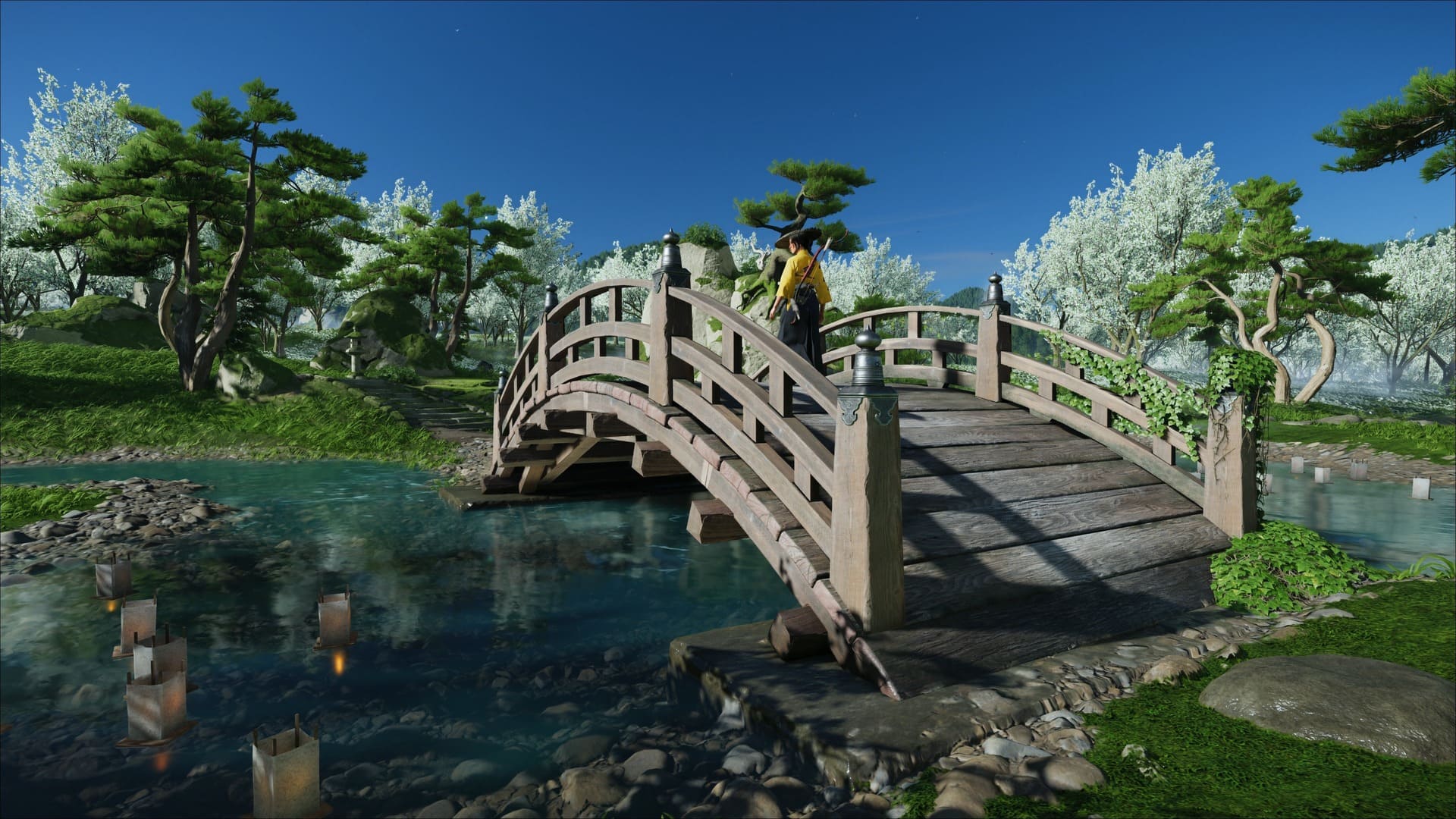
This structure works and is loved by gamers, which is why it is constantly reused. Developers know that making a game this way ensures emotional depth, good pacing and positive reviews. However, this repetition comes with a cost. When players start to predict the rhythm of how the story unfolds, the surprise element and in-game discovery begin to fade.
Player Choice Is an Illusion
Many story-driven games promise meaningful player choice. In reality, all of these choices in most games end up with the same outcome. Dialogue options may change the tone of a conversation, but do not alter its direction. Similarly, moral decisions may change character reactions, but at its core, the narrative remains the same.
This approach allows developers to maintain tight control over storytelling whilst allowing players a sense of agency. Experienced players, however, quickly notice the pattern and can easily determine the plot, and in most cases, they are right. When player choices feel inconsequential and meaningless, leading to choice fatigue. This makes the game feel more like a playable movie rather than an interactive world where every decision has consequences.
Emotional Aspects Are Similar
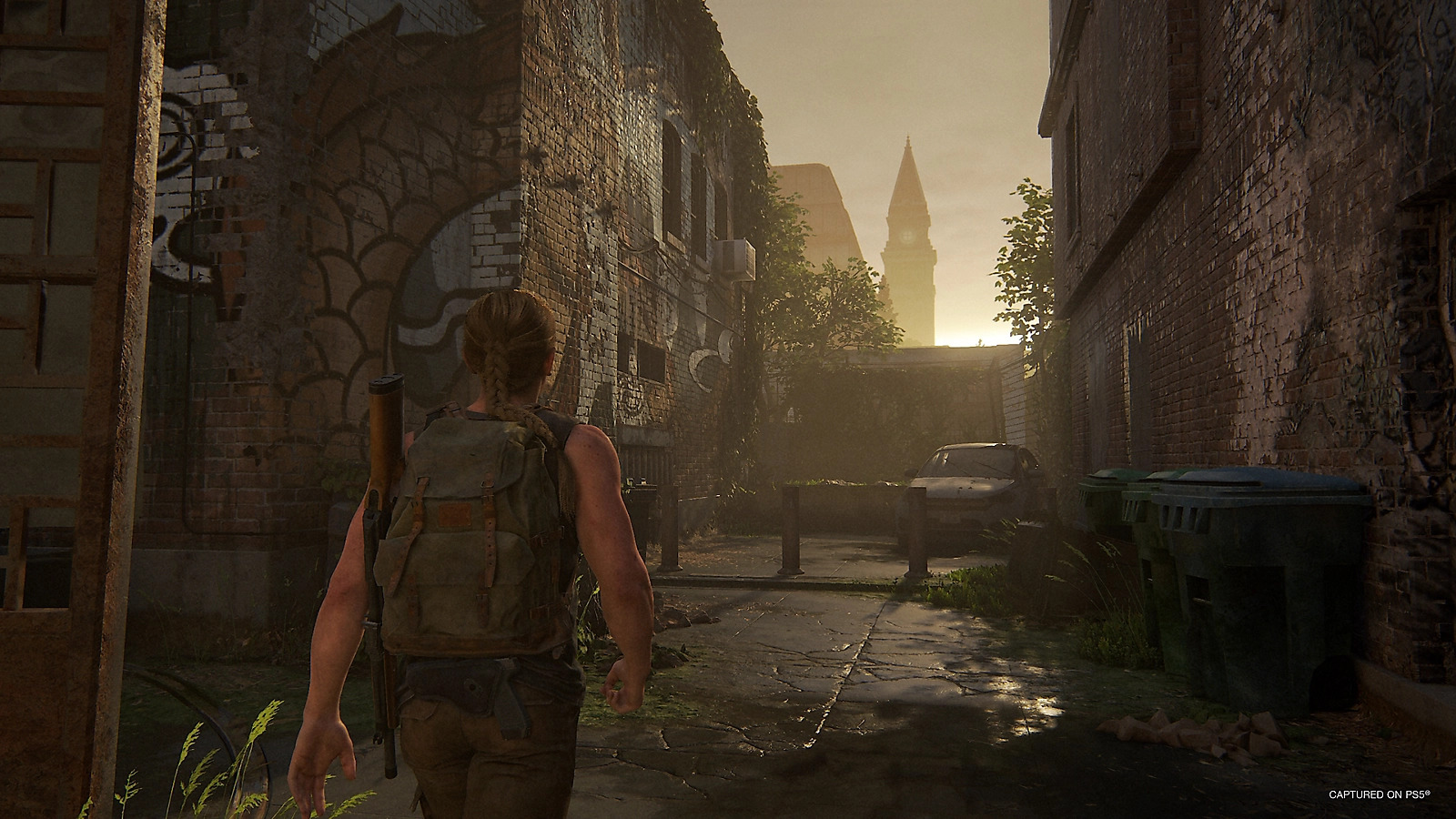
Another sign of player fatigue is how emotional moments are delivered in gameplay. In these games, tragic deaths, redemption arcs and reflective flashbacks have become common tools. These aspects are not flawed in any sense, but their repetitive use tends to make them feel manufactured. Additionally, to some gamers, these emotional scenes may even seem imposed rather than natural. As a result, the emotional impact is diminished.
The Role Of Production Costs
One reason behind these games being so similar is risk management. Story-driven games are not cheap at all. Voice acting, motion capture, cinematic direction and high-fidelity assets demand a high price. Therefore, with so much at stake, many developers tend to opt for proven narratives instead of experimenting with new ideas. In these games, innovation becomes risky as expectations are high and the budget is tight.
Indie Culture is Rising
Interestingly, the best stories aren’t coming from these AAA story-driven games but are from indie titles. Indie developers may work with less budget but have a lot more freedom and much less to lose as opposed to story-driven developers. The smaller the project, the less the risk, allowing developers to experiment freely. These indie games show that a game doesn’t have to follow a set blueprint to be successful.
Familiarity Isn’t That Bad
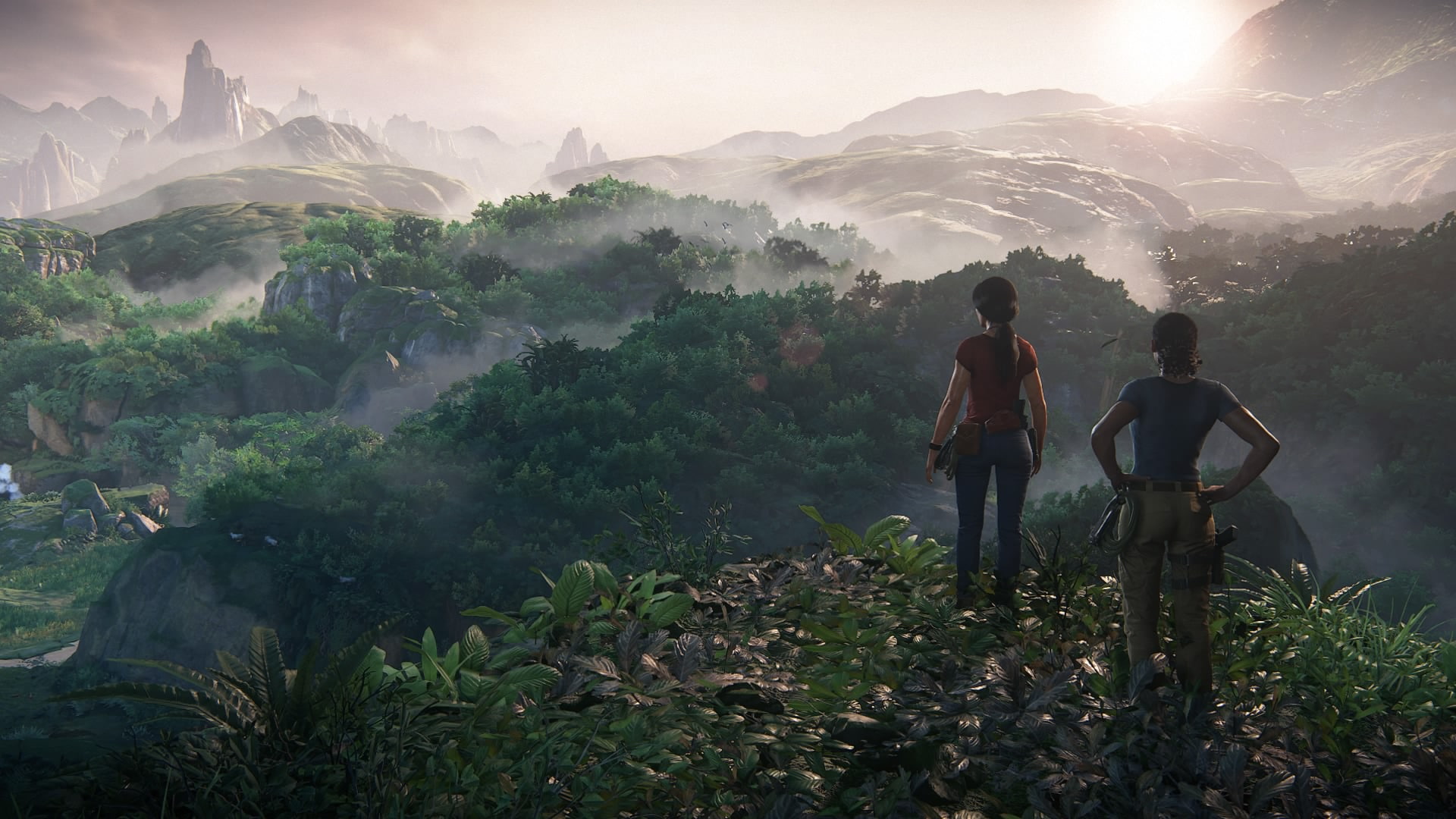
It’s also worth noting that this similarity in story-driven titles exists because they work. Many players tend to enjoy a well-structured narrative with clear emotional arcs. Players who favour storytelling but do not like to be overwhelmed are more likely to enjoy these games. Repetition is not the problem; the actual issue is when these games start to feel stagnant, killing discovery and experimentation.
Final Thoughts
Story-driven games are not becoming worse, but they are becoming safer over time. As the gaming industry progresses into the future, it will be hard for developers to balance cinematic storytelling with genuine interaction and narrative risk. Games should not feel predictable as soon as they start on that path; they lose all of their charm. The most memorable games in gaming history did not succeed because they followed a template, but because they broke one.
Thank you! Please share your positive feedback. 🔋
How could we improve this post? Please Help us. 😔

[Error Fix Expert]
Hello, I’m Uzair Shabir, a tech enthusiast pursuing a Bachelor’s in Electrical Engineering. At Tech4Gamers, I’m an Error Fix Expert, crafting articles on different issues and how to fix them. With a Google IT Support Certificate, I navigate tech complexities to deliver insightful perspectives.
Get In Touch: UzairShabir@tech4gamers.com

 Join Our Community