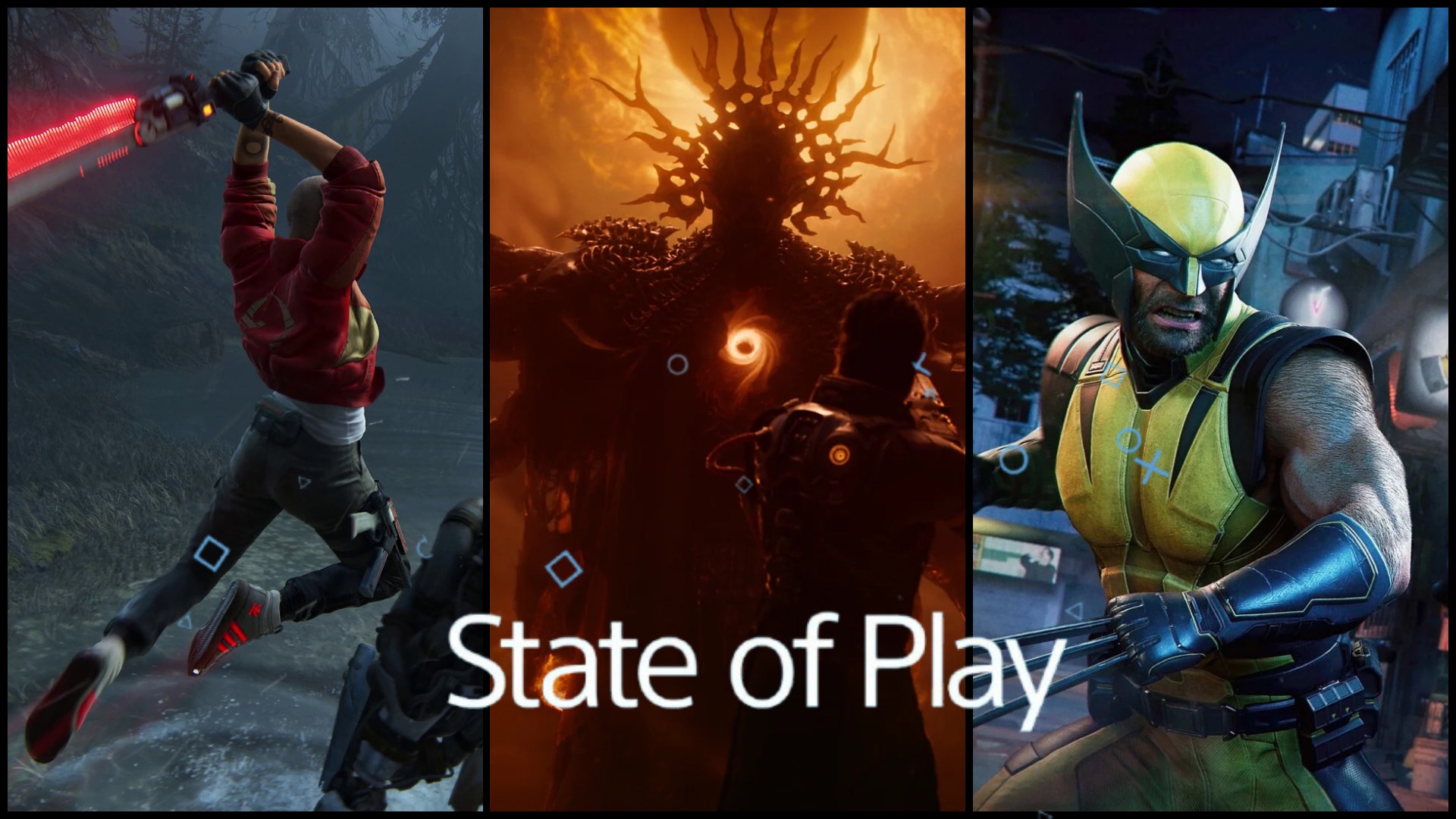



- The gaming industry has shifted drastically, largely due to the rise of live-service games.
- Instead of prioritising player demand, developers are now chasing profits.
- A former Bend Studio developer explains how publishers, especially Sony, are fueling this trend with greed.
The gaming industry just isn’t the same anymore, and that’s honestly sad to see. These days, most developers are either chasing photorealistic open worlds or live-service projects designed to squeeze out long-term profits.
It’s true that live-service games can generate far more revenue than single-player titles. Regular updates, new content drops, and time-limited events keep fans engaged and spending money. But this trend is slowly eroding the heart of the industry. Many developers, especially Sony, are leaning heavily into the model, and that’s not a healthy direction.
Why it matters: Profit in itself isn’t bad; every company needs it. But when profit becomes the only focus, creativity and innovation suffer. Sony has built its legacy on incredible single-player experiences, and fans still love those games. If it just listened to its audience and doubled down on what it does best, the profits would follow naturally.
Unfortunately, major publishers seem blinded by greed, chasing only live-service success. Even a former Bend Studio developer has spoken about how damaging this obsession can be.
He explains that higher-ups pitch the live-service model to shareholders by showing how spending less can lead to bigger profits. This is exactly why so many games today have turned into live-service machines.
For the cost of one The Last of Us 2, you could instead make like 10 overwatches, and from the 10 overwatches, you could make 80 more overwatches.

Sony itself has admitted the approach isn’t going smoothly: more than half of its planned live-service projects have already been cancelled (and who can forget Concord?). On top of that, Bungie’s Marathon continues to struggle, with the studio’s CEO recently stepping down.
Still, despite all the setbacks, Sony isn’t letting go. Why? Because greed remains the driving force. In its latest financial report, Sony openly stated that titles like Helldivers 2 and Destiny 2 brought massive profits, so it will keep pushing the live-service model no matter what.
What do you think? Will this obsession with profit eventually hurt the gaming industry beyond repair? Share your thoughts in the comments below, or join the discussion on the official Tech4Gamers forums.
Thank you! Please share your positive feedback. 🔋
How could we improve this post? Please Help us. 😔

[News Editor]
Obaid is pursuing a Law degree while working as a content writer. He has worked as a gaming writer for over three years because of his passion for the medium and reporting the latest updates in the industry. Having played hundreds of games, Obaid finds himself coming back to Elden Ring, Cyberpunk 2077, and Red Dead Redemption 2, with these games being among his favorites. He has also been mentioned on highly regarded websites, such as Wccftech, Metro UK, PS Lifestyle, GamePressure, VGC, and Gamespot.
 Join Our Community