


- Modern PC games are exceeding 16GB VRAM at 1440p and higher settings.
- Inefficient asset pipelines, not visual leaps, are driving memory spikes.
- Console-focused development heavily shapes PC VRAM behavior.
- Mid-range GPU buyers face tougher upgrade decisions than expected.
Recent PC games are forcing an uncomfortable conversation that many players hoped to avoid. The idea that 16GB of VRAM would comfortably carry mid-range GPUs through the current generation is quietly falling apart. Not because graphics suddenly look radically better, but because how games use memory has changed in ways that are not always player-friendly.
16GB VRAM Was Supposed to Be Enough
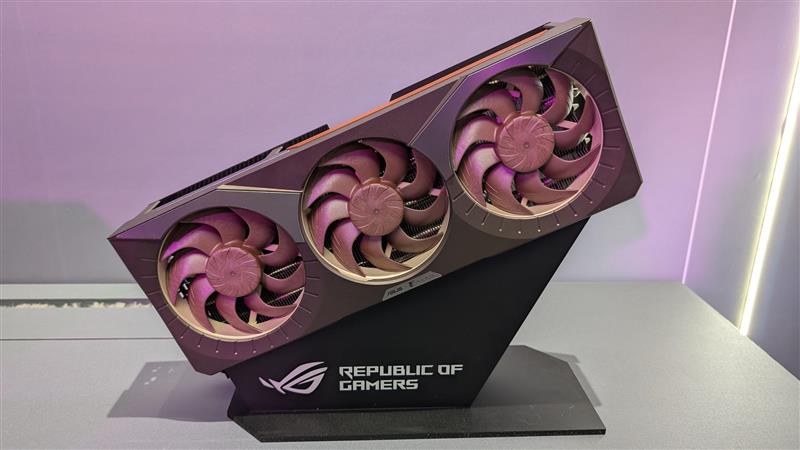
For years, 16GB of VRAM sounded like a safe bet. It was the number enthusiasts recommended with confidence. Enough for high-resolution textures, modern engines, and future-proofing at 1440p. That confidence is fading.
Recent releases have started to push past that limit with alarming ease. Players are reporting stutter, texture pop-in, and aggressive streaming even on GPUs that should be comfortably within spec. The frustration is not limited to fringe cases or poorly optimized indie ports. It is showing up in big-budget PC releases that are supposed to define the generation.
What Is Actually Happening

Several modern PC games are now capable of consuming more than 16GB of VRAM at 1440p when settings are pushed high or ultra. Titles like Hogwarts Legacy and The Last of Us Part I became early warning signs. For example, Diablo 4’s PC requirements show how recent titles can push VRAM budgets past 16GB even at 1440p, especially with ultra textures enabled. Newer releases continue the trend, often without meaningful visual gains to justify the jump.
The issue is not raw polygon counts or revolutionary lighting. It is asset behavior. High-resolution textures are being loaded more aggressively. Streaming systems are less forgiving. Memory budgets are inflated because developers assume large pools are available.
On consoles, that assumption makes sense. The PlayStation 5 and Xbox Series X use unified memory architectures with large shared pools. Developers design around fixed hardware and predictable access patterns. When those designs come to PC, the translation is not always clean.
Why This Matters for PC Gamers
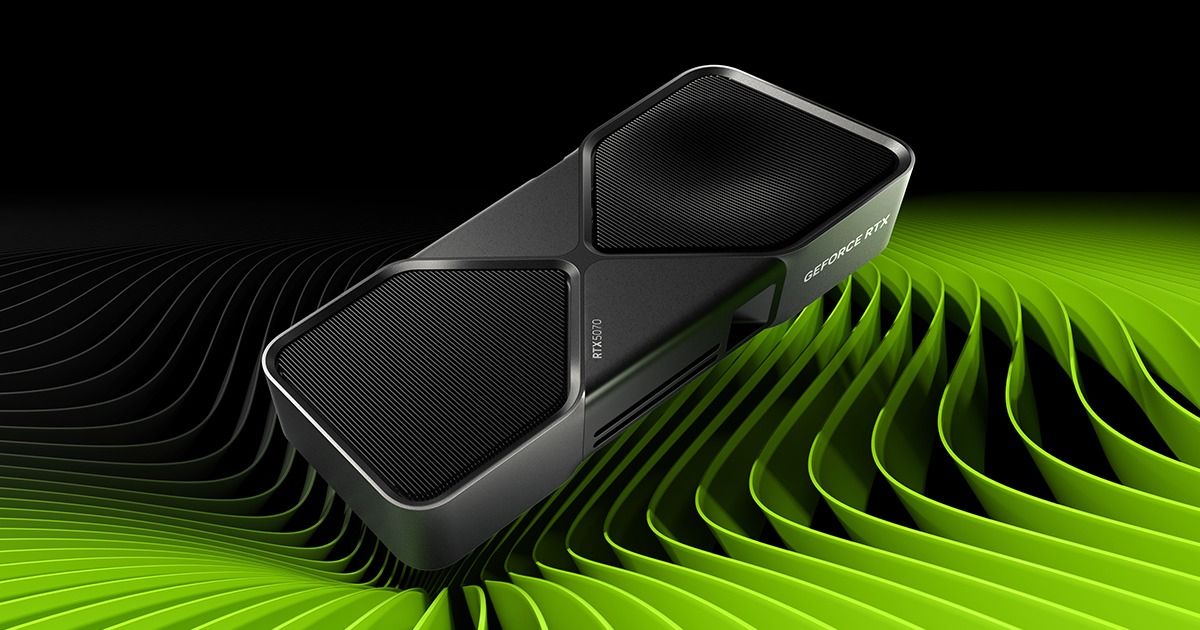
For PC players, VRAM limits are not theoretical. When a game runs out of memory, the symptoms are immediate and disruptive. Sudden stutters as assets are swapped. Textures snapping between resolutions. In the worst cases, crashes.
Mid-range GPU owners feel this most. Cards like the RTX 4060 Ti 16GB or Radeon RX 6800 should be comfortable 1440p options. Instead, some players are finding themselves dialing back texture quality earlier than expected. That undermines the very reason they chose those GPUs.
It also creates confusion. Recommended specs often list 8GB or 12GB VRAM targets. Real-world usage tells a different story. The gap between marketing guidance and lived experience keeps growing.
VRAM Is Not Just About Resolution

A common misconception is that VRAM scales neatly with resolution. That 4K equals high VRAM, and 1440p is safe. In practice, texture quality, streaming behavior, and engine design matter just as much.
Ultra textures are the biggest culprit. Many modern games load massive texture sets regardless of how much of them are visible on screen. Poor compression and conservative streaming thresholds mean memory fills up quickly. Once it is full, performance falls off a cliff.
This is why some players see VRAM usage jump by several gigabytes just by toggling texture quality, with minimal visual improvement. It is not that the textures are dramatically better. It is because they are handled inefficiently.
Consoles Shape the PC Experience
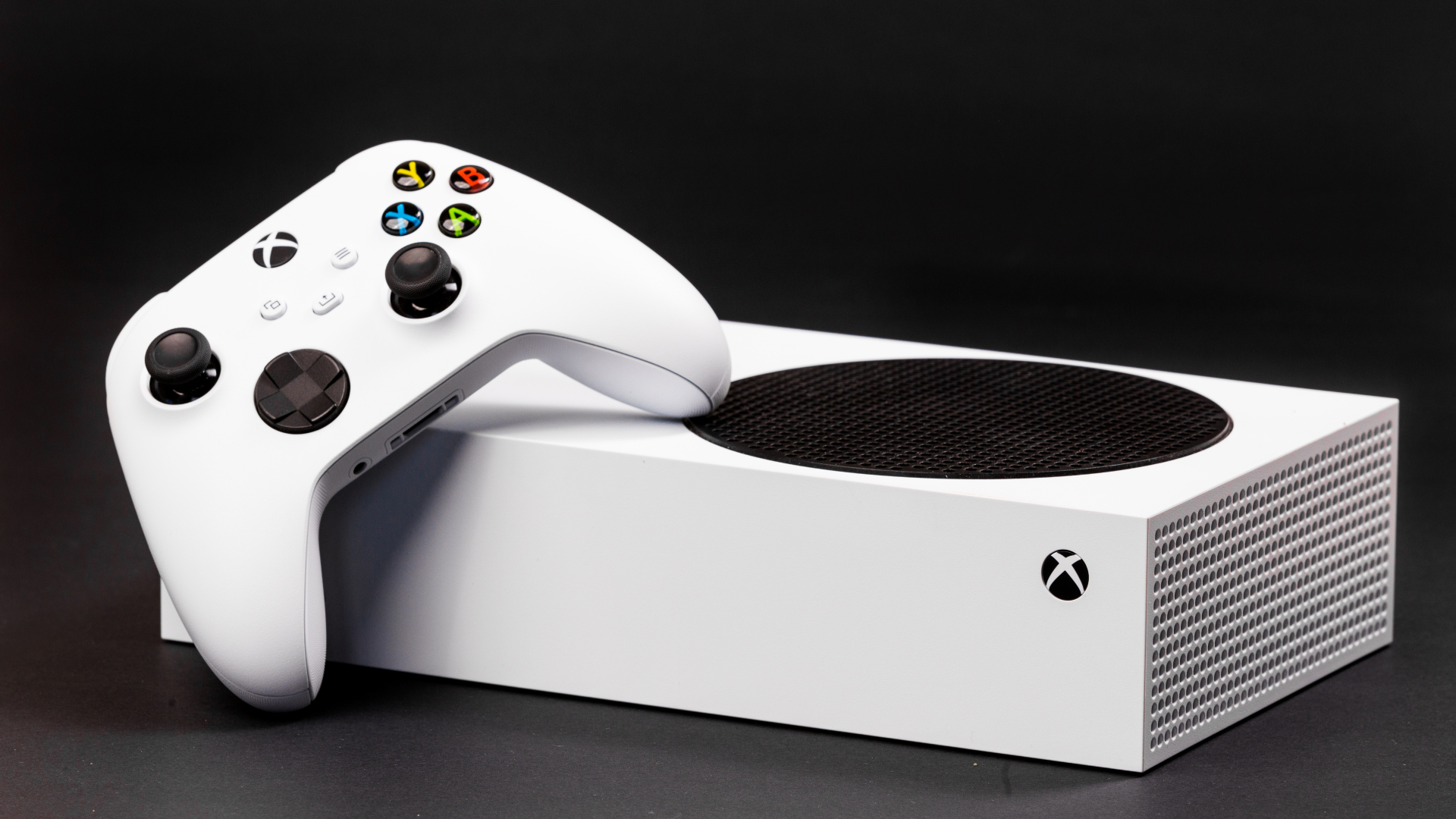
Console-first development is not inherently bad. It delivers consistency and scale. But it does influence how PC games behave.
On consoles, memory is unified and predictable. Developers know exactly how much is available and design assets accordingly. On PC, VRAM is discrete, variable, and often more limited. When engines assume console-like memory behavior, PC GPUs pay the price.
This is compounded by GPU segmentation. Graphics card vendors have been cautious with VRAM increases on mid-range products. Performance improves generation to generation, but memory often stays flat. That mismatch is becoming harder to ignore.
Buying Advice Without the Panic
It is important to keep perspective. Not every game uses VRAM poorly. Many titles still run perfectly well on 12GB or even 8GB at sensible settings. Edge cases get amplified on social media. A look at official GPU specifications shows how VRAM capacity has lagged behind raw performance gains in mid-range cards.
That said, buying a new GPU today with only 8GB of VRAM is increasingly hard to recommend for 1440p gaming. Even 12GB is starting to feel tight if you want to avoid compromises over the next few years.
The smarter approach is balance. Prioritize texture quality over resolution when tuning settings. Use high instead of ultra. Monitor VRAM usage rather than chasing presets. And if you are building new, consider memory headroom as seriously as raw performance.
For deeper guidance, Tech4Gamers has already covered how texture settings impact performance and how to optimize PC graphics without visual loss.
The Road Ahead
This issue is unlikely to disappear soon. Engines are growing more complex. Asset sizes are not shrinking. Unless developers invest more effort into smarter streaming and compression, VRAM demands will keep creeping up.
At the same time, GPU vendors will face pressure to rethink memory configurations. The days of selling mid-range cards with minimal VRAM buffers are numbered.
For now, 16GB VRAM is not obsolete. But it is no longer the comfortable ceiling many expected. It is a line that modern PC games are already testing, and sometimes crossing. For players, awareness and informed choices matter more than ever.
Thank you! Please share your positive feedback. 🔋
How could we improve this post? Please Help us. 😔

[Comparisons Expert]
Shehryar Khan, a seasoned PC hardware expert, brings over five years of extensive experience and a deep passion for the world of technology. With a love for building PCs and a genuine enthusiasm for exploring the latest advancements in components, his expertise shines through his work and dedication towards this field. Currently, Shehryar is rocking a custom loop setup for his built.
Get In Touch: shehryar@tech4gamers.com
 Join Our Community