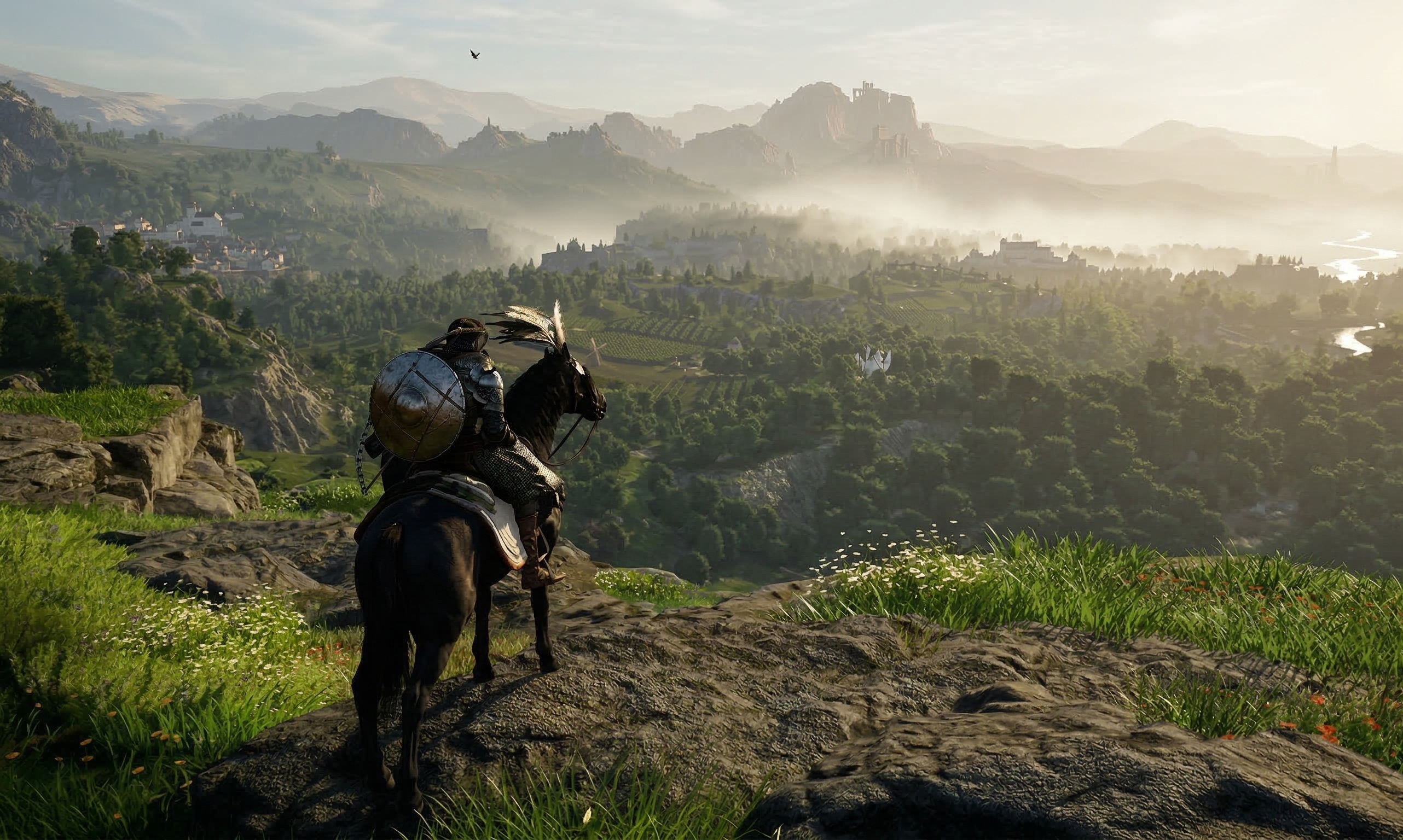



- Gamers trust old titles more than they trust modern AAA titles.
- Many gamers spend more on old games to revisit that sweet sense of nostalgia.
- Established game communities drive long-term spending more efficiently than new titles.
- Proven gameplay loops tend to keep players hooked and generally perform better than new, flashy games.
Most modern games thrive on scale and spectacle. The bigger and flashier the game, the bigger its audience. The budgets of these games are often more than Hollywood productions, marketing campaigns take years, and every new release promises stunning photorealistic visuals and vast open worlds. Despite all the flair and hype surrounding these titles, most gamers still spend more on decade-old games.
This may seem as counterintuitive. Modern games clearly offer more value through advancements in graphics, AI systems, and cinematic storytelling. This, however, does not mean that players will be engaged in the long-term. Players may come and admire the hard work of the developers, but this admiration of the art of modern game development doesn’t help generate a sustained income.
The Trust Factor
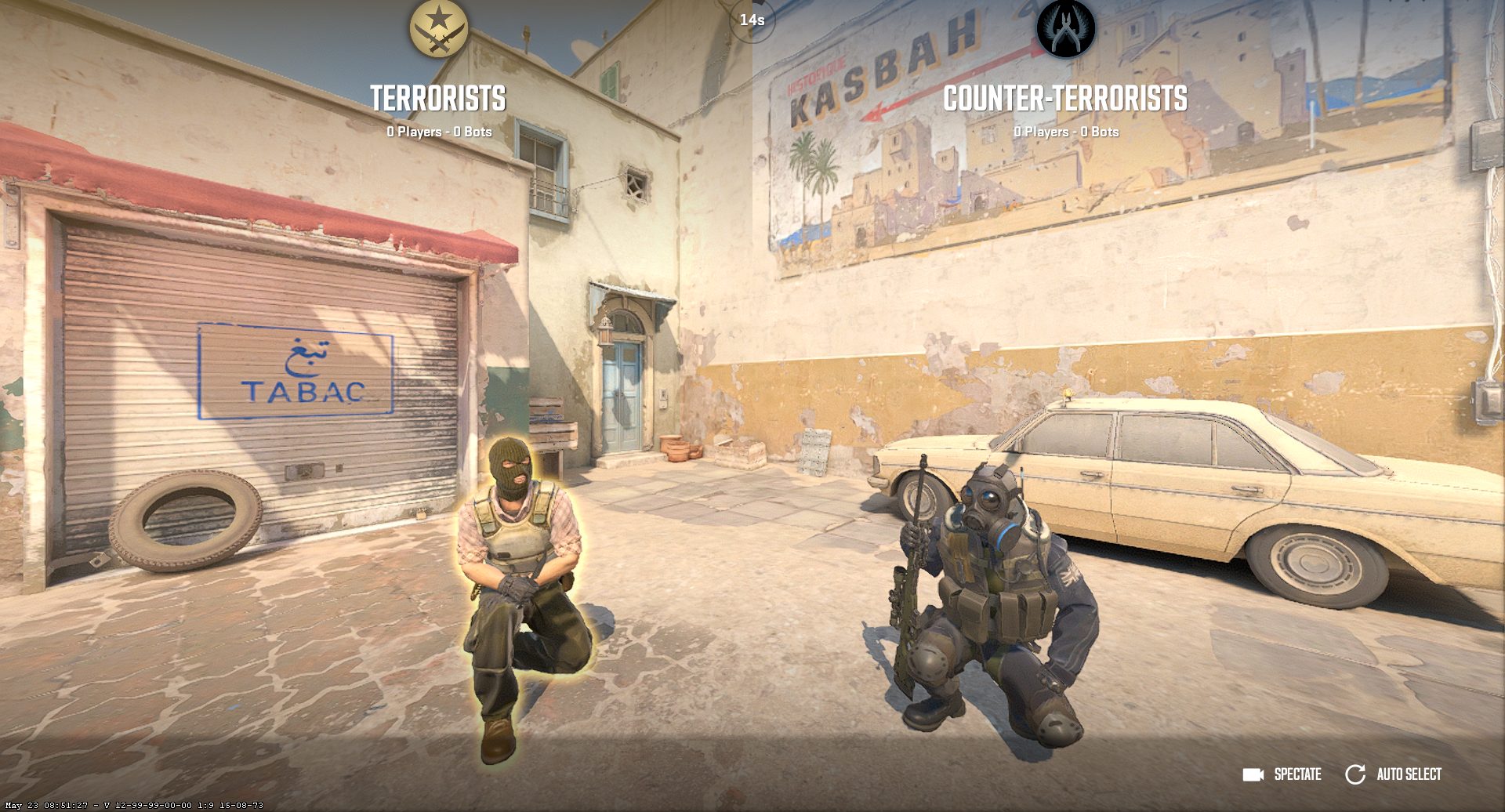
The actual advantage of old games lies in player trust. Games that have survived for more than 20 to 30 years have already passed the most difficult test, that being relevance over time. For example, Counter-Strike has maintained its competitive gaming ecosystem for more than two decades and is still thriving.
People spend a lot on cosmetic skins not just because they are cool and a flex, but because the gameplay foundation is stable and proven. When players spend money in Counter-Strike, they know that their investment will be relevant as the game will exist next year and many years after as well.
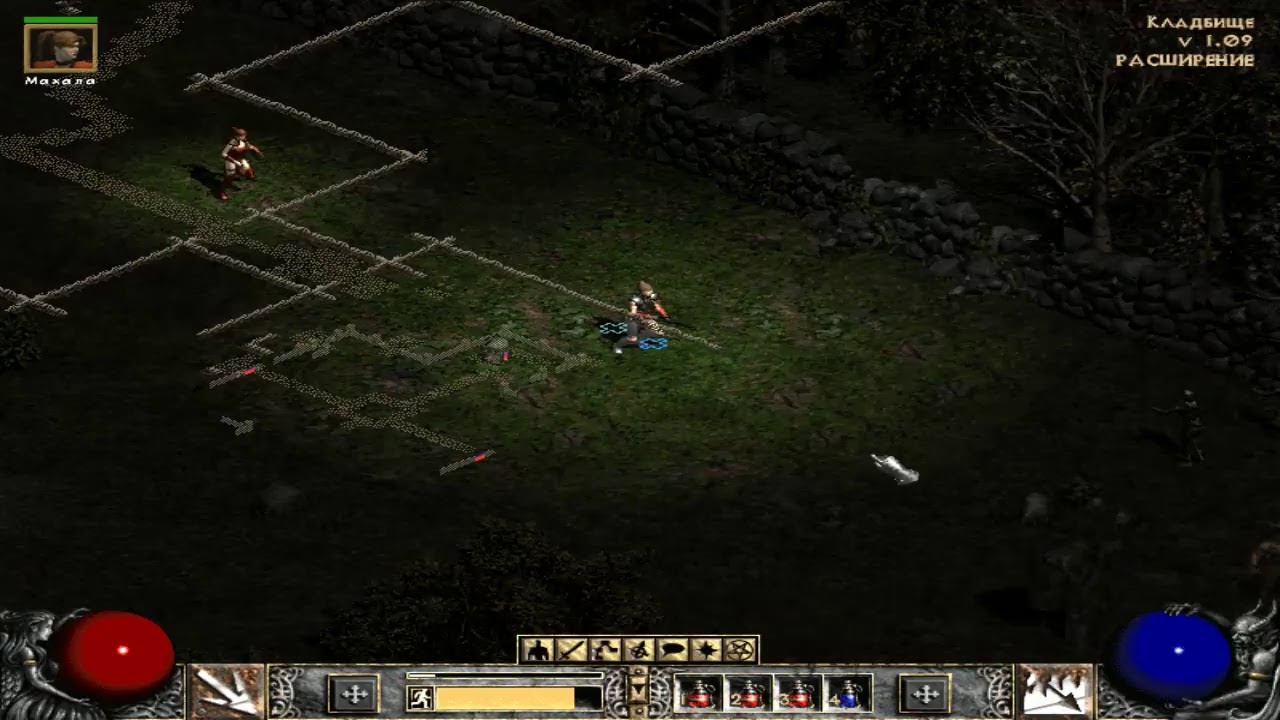
Similarly, Diablo 2 had a dedicated fanbase for years, even before its remastered version was made. The loot-driven progression and trading culture of the game created a lasting engagement that modern games try to replicate but fail to.
Meanwhile, World of Warcraft continues to justify its subscription-based model decades after its launch. The longer a game can keep its fans intact, the better it becomes; longevity itself becomes the ultimate value proposition.
Game Community
Older games accumulate more players and more history. In most old games, players’ accounts often represent hundreds of hours of in-game progress. Players make friends, form in-game economies that stabilize over time, and also set personal milestones in virtual worlds. Spending money in such games does not feel like purchasing temporary content; it feels like leaving behind a digital legacy.
New titles cannot hope to replicate the degree of permanence that old titles have with them. Old games feel timeless, and communities take years to establish and mature.
It’s not something that just spawns into existence; it’s the game’s fruit of passing the test of time, thus to gamers it carries immense sentimental value. Modern games may be attractive, but this doesn’t mean players will be engaged in the long term.
Stability Over Launch Hype
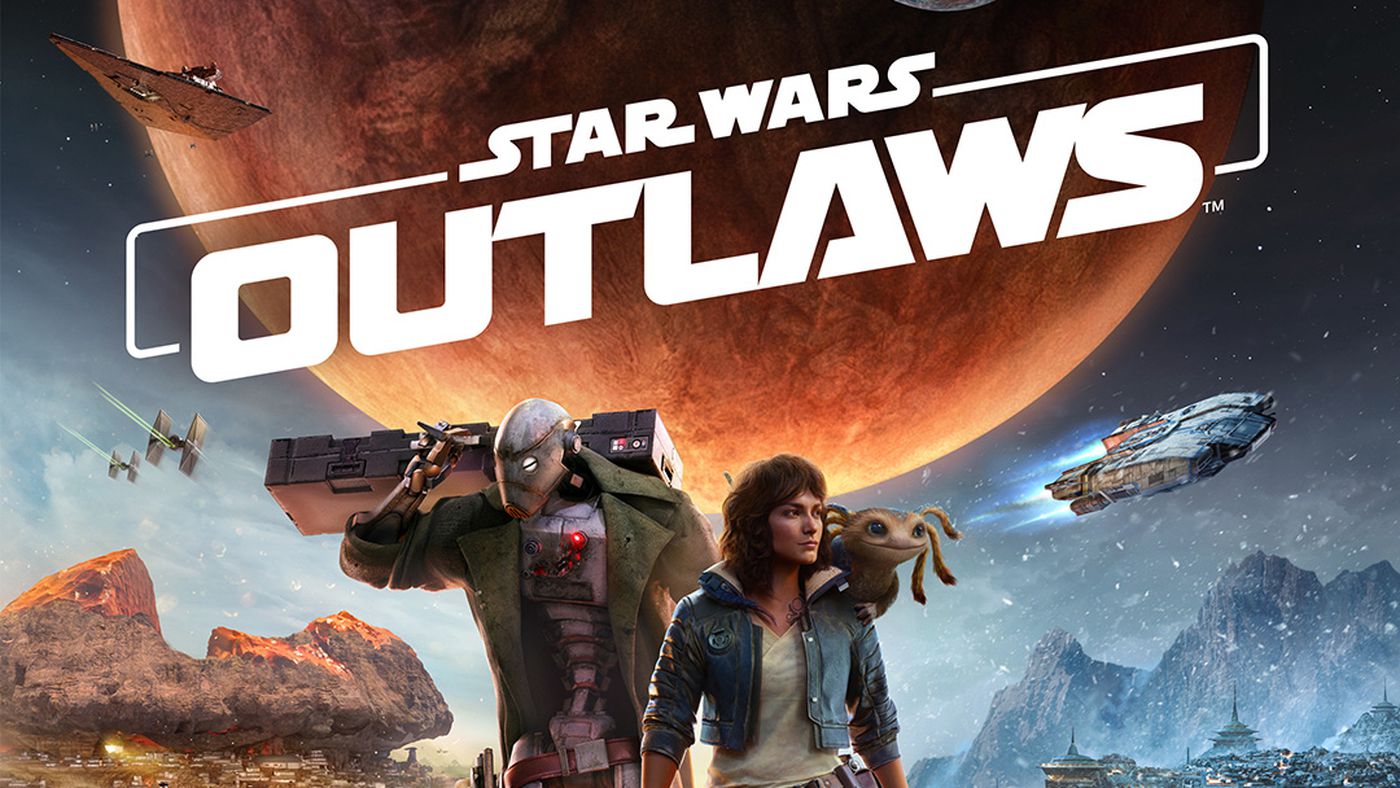
Blockbuster games depend heavily on explosive launch day sales. Marketing campaigns and trailers create massive hype, but the problem is that they can die out instantly if the game is released with bugs or incomplete features.
Many new titles face the same issue, and it’s not always easy to fix issues after launch. As a result of this day one, player retention starts to dwindle, and the hype dies out.
In contrast, these older games have already proved their stability over time. The operations have remained steady, servers have been reliable, and periodic updates have made gameplay enjoyable and fresh.
The developers of these games have proved their long-term commitment to the cause. In-game spending on such games doesn’t give the impression of gambling on a promise; it’s more like supporting a reliable service.
Gameplay Depth
Technical advancements in games offer diminishing emotional returns. Granted that new game graphics may be stunning and very immersive, but they rarely redefine the sense of achievement and engagement that old games did.
The thing that constantly drives player spending isn’t graphical quality or advanced in-game features its simply mechanical precision and a satisfying gameplay loop.
Older titles often center around clear objectives, skill-based progression, and refined systems that have been polished over the years. Their charm lies in their clarity rather than their complexity.
Modern blockbuster games often incorporate multiple currencies, seasonal models, and battle passes, which tend to dilute player focus. Players may admire technical ambition but feel happier spending on games that feel rewarding at their core.
Final Thoughts
In the end, the spending habits of gamers are less about nostalgia and more about practicality. Players are more attracted to ecosystems that value their time, have stable ecosystems, and are durable. A 30-year-old game that still evolves carefully and maintains its competitiveness may seem like a safer financial commitment than a new blockbuster game promising a ten-year run.
Thank you! Please share your positive feedback. 🔋
How could we improve this post? Please Help us. 😔

[Comparisons Expert]
Shehryar Khan, a seasoned PC hardware expert, brings over three years of extensive experience and a deep passion for the world of technology. With a love for building PCs and a genuine enthusiasm for exploring the latest advancements in components, his expertise shines through his work and dedication towards this field. Currently, Shehryar is rocking a custom loop setup for his built.
Get In Touch: shehryar@tech4gamers.com
 Join Our Community