


- Game moderators maintain order in online spaces by handling bad behavior and cheating.
- Community managers handle public relations and translate player feedback into actionable data for studios.
- Localization specialists go beyond simple translation to ensure a game’s humor and tone are understood across cultures.
There was a time when gaming felt smaller. Fewer players, fewer platforms, and way less noise. These days, games are massive projects with global communities, constant updates, and millions of players online at once. And yet, when people talk about the gaming industry, the same roles always get the spotlight.
Streamers. Developers. Big-name studios.
What rarely comes up are the people quietly keeping games playable, enjoyable, and worth coming back to. Games don’t just run on code and hype. They run on teamwork, patience, and a lot of behind-the-scenes effort that most players never think about.
Here are some of the most overlooked roles in gaming or game development, and why they matter more than we realize.
Game Moderators
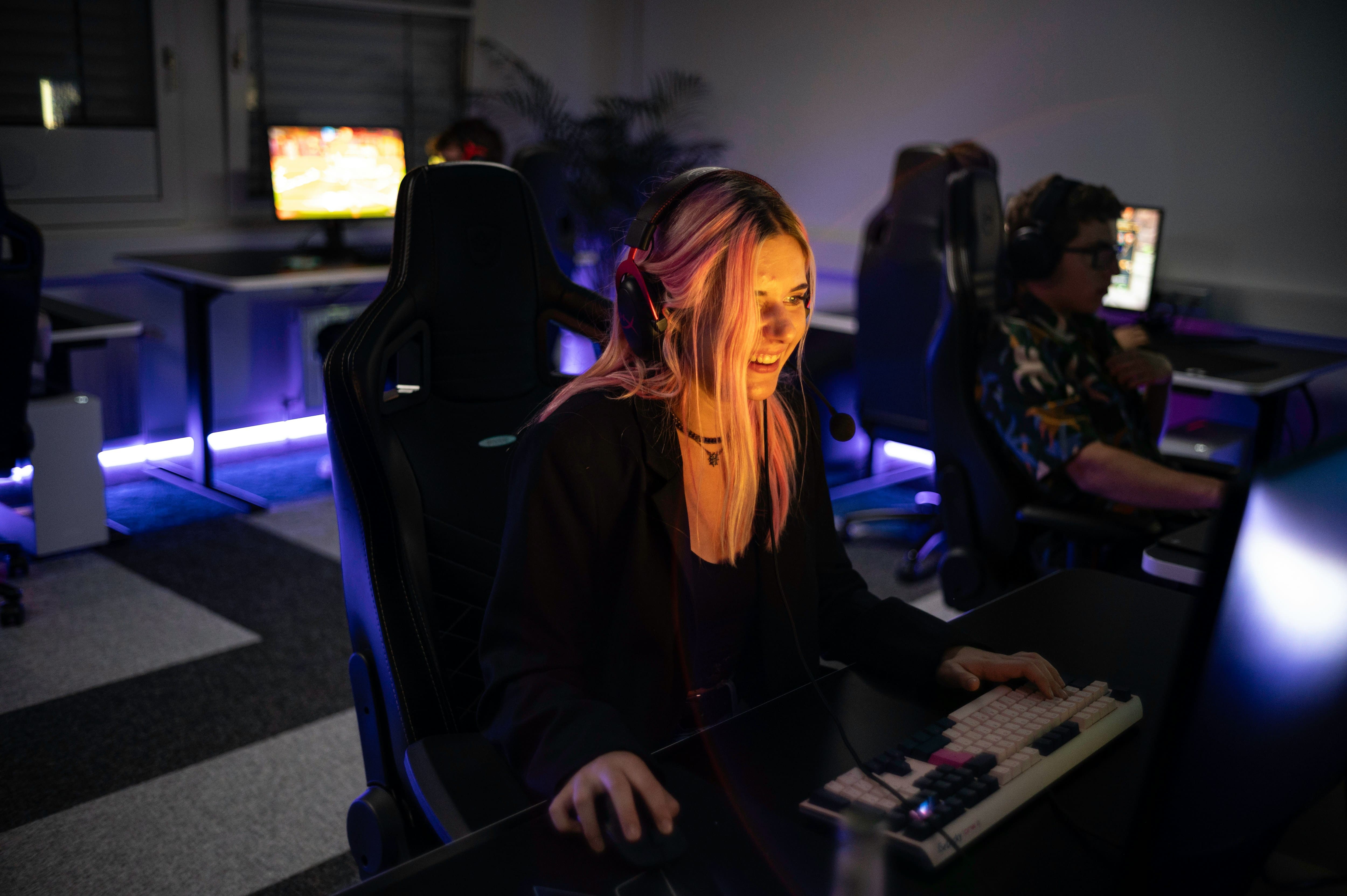
Moderators are basically the frontline workers of online games. They deal with cheaters, toxic chats, exploit reports, and player complaints on a daily basis. If someone is ruining a match or abusing a system, chances are a moderator is the first person to look into it.
Game moderator jobs aren’t just about hand out warnings or bans. Moderators track patterns, flag serious issues, and pass critical info to developers so problems can actually get fixed. Without them, online games would turn chaotic fast.
It’s not a flashy role, but it’s one of the reasons multiplayer games don’t completely fall apart.
Community Managers
If moderators enforce the rules, community managers build trust. They’re the ones posting updates, responding to feedback, and calming things down when players are upset (which happens a lot).
This role lives in a tricky space between players and developers. Community managers don’t just share news, they listen. They pick up on trends, concerns, and moods within the player base and try to keep the relationship healthy.
When a game feels like it actually cares about its community, there’s usually a good community manager working behind the scenes.
Localization Specialists
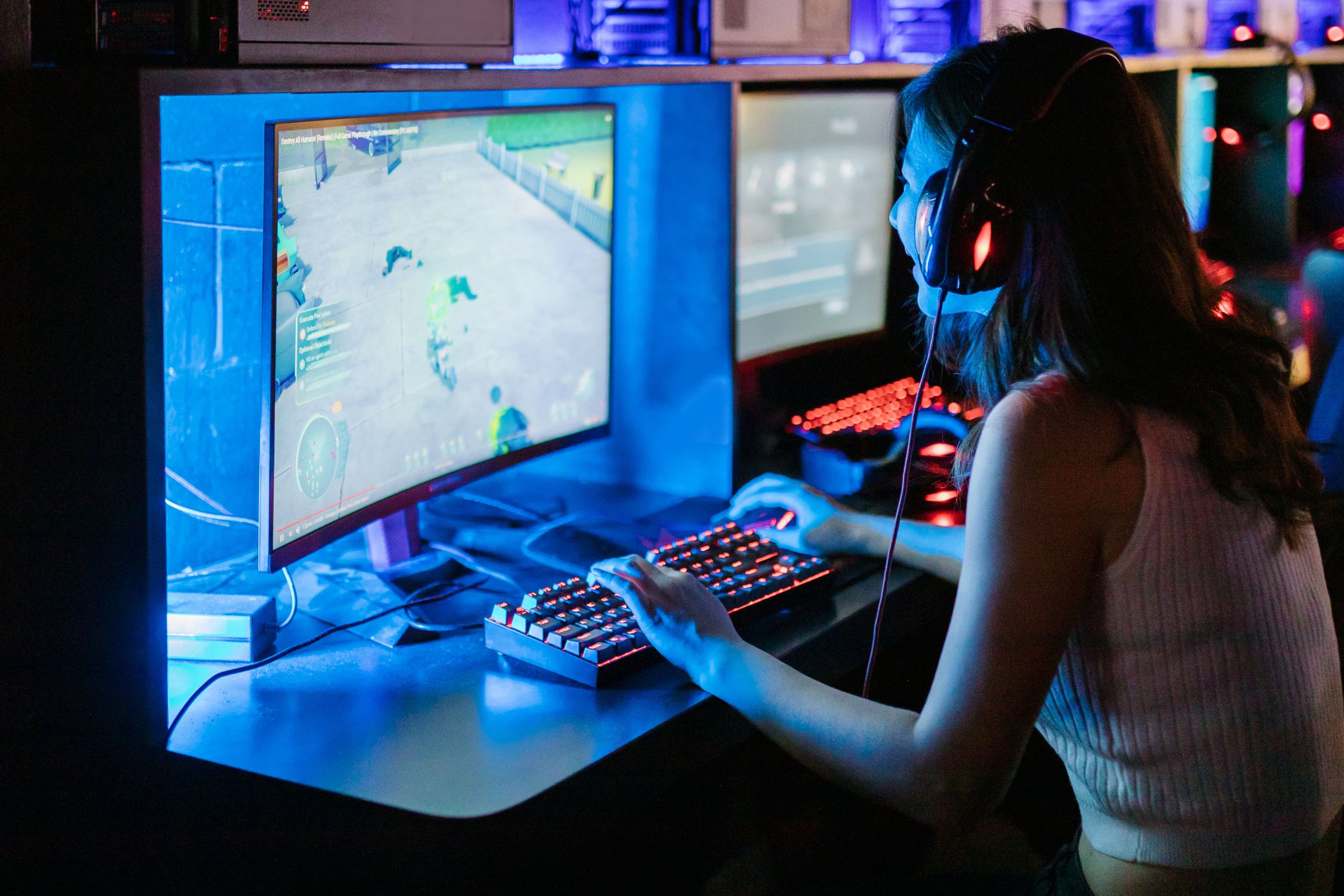
Bad translations stand out instantly. Jokes fall flat, dialogue feels awkward, and references make no sense. Good localization, on the other hand, is almost invisible, and that’s exactly the point.
Localization specialists don’t just translate words. They adapt humor, cultural references, and tone so the game feels natural no matter where you’re playing from. A line that works in one country might be confusing or meaningless in another, and fixing that takes real skill.
When a game feels like it was “made for you” in your language, that’s their work paying off.
Sound Designers
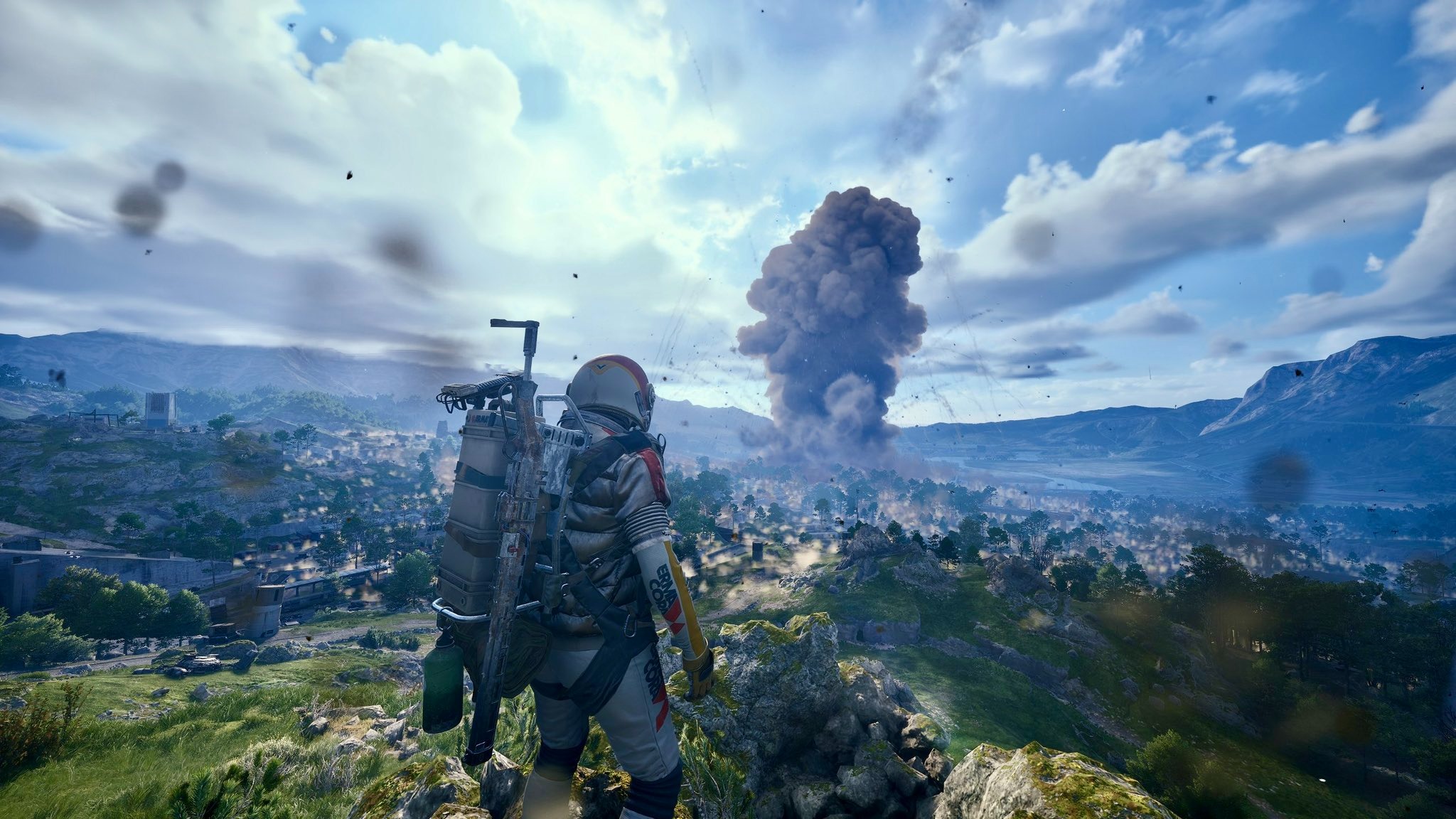
Sound is one of the most underrated parts of gaming. Footsteps, background music, menu sounds, ambient noise, character themes – all of it shapes how a game feels.
Great sound design pulls you into the world without you even noticing. Think about how certain game soundtracks help you focus, relax, or feel tension during a fight. That’s not accidental.
Sound designers spend countless hours tweaking audio so every moment hits the right mood. When sound is bad, players complain instantly. When it’s good, it often goes unnoticed. That’s how you know it’s working.
Narrative Designers
Not every game needs a deep story, but when a game does have one, narrative designers are a big reason it works. They shape dialogue, missions, and small story details that make worlds feel connected and believable.
They often work quietly alongside writers, adjusting pacing, adding context through NPCs, and hiding little story clues in places most players don’t expect. Those “optional” conversations players skip? They’re usually packed with world-building.
If a game’s story feels consistent and engaging, someone spent a lot of time making sure it all made sense.
Most players see games as entertainment, and that’s fair. But behind every smooth update, fair match, emotional soundtrack, or memorable character is someone doing work that rarely gets praise.
These roles don’t trend on social media, and they don’t get fan pages. But without them, games wouldn’t feel complete, welcoming, or even playable in the long run.
The next time a game feels polished, immersive, or just “right,” it’s worth remembering that it wasn’t only the developers who made it happen. The gaming industry runs on a lot more than just code, and these people are proof of that.
Thank you! Please share your positive feedback. 🔋
How could we improve this post? Please Help us. 😔

Passionate gamer and content creator with vast knowledge of video games, and I enjoy writing content about them. My creativity and ability to think outside the box allow me to approach gaming uniquely. With my dedication to gaming and content creation, I’m constantly exploring new ways to share my passion with others.
 Join Our Community