


- Vinit Agarwal, the game director of The Last of Us multiplayer title, has revealed that it was 80% complete.
- The project spent 7 years in development and was cancelled in favor of Neil Druckman’s Intergalactic.
- The developer also revealed that the game received a lot of funding due to the COVID pandemic and tested well internally.
Arguably, Sony’s biggest mistake this generation has been its live-service approach. The Japanese giant spent billions developing numerous multiplayer titles, most of which never saw the light of day, such as the God of War project from Bluepoint.
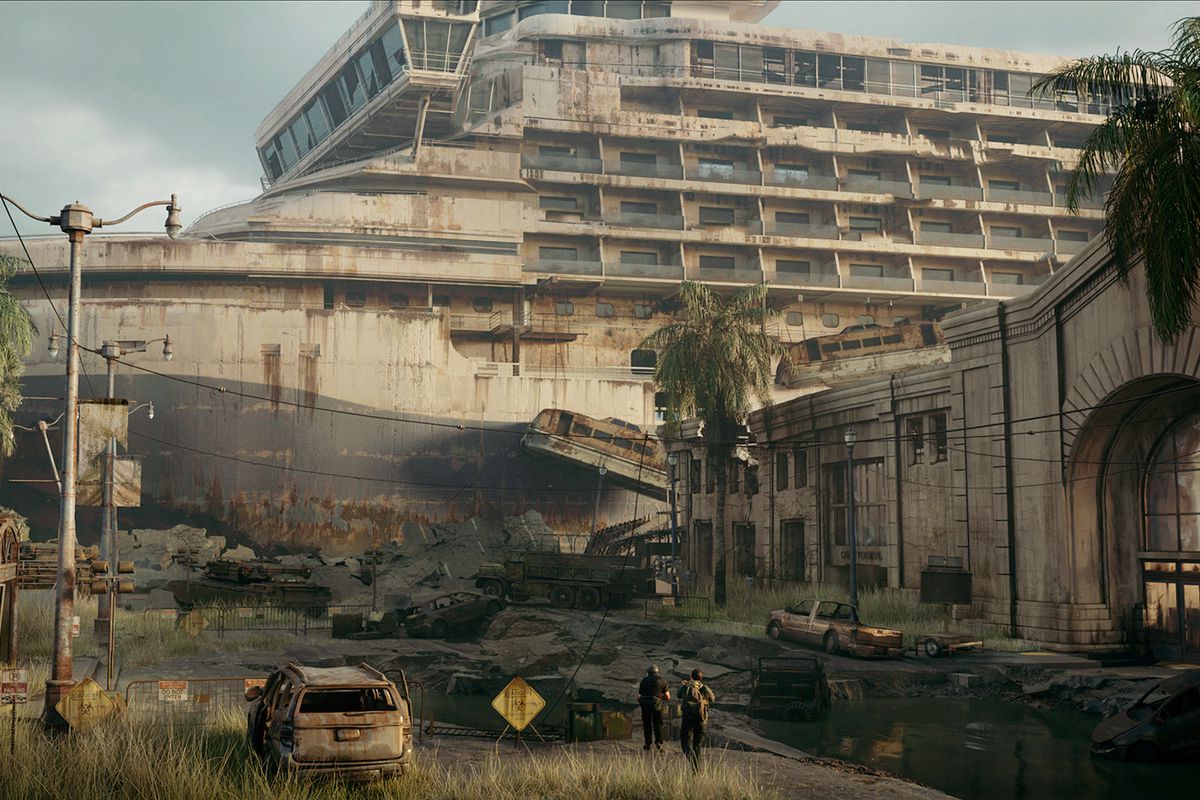
The cancelled live-service title based on The Last of Us was probably the biggest loss of this new strategy, being cancelled in late 2023 after spending a considerable time in development. Now, a former Naughty Dog developer who worked on the game has revealed that it was 80% complete.
Why it matters: Cancelling a project that was in the works for seven years and was doing well internally sums up this generation for Sony.
While speaking on a podcast, Vinit Agarwal, an ex-game director at Naughty Dog, revealed that The Last of Us multiplayer title was 80% complete when it got cancelled. The developer stated that the game had been in the works for 7 years, starting production back in 2016, before its eventual demise in 2023.
We got off the ground and we made a lot of progress and the game was doing really really well internally. We developed it to almost 80% completion. It was very very close to done.
Agarwal emphasized that The Last of Us multiplayer was very close to completion, but Sony pulled the plug to proceed with the development of Neil Druckman’s upcoming title, Intergalactic: The Heretic Project. The Japanese giant chose the single-player project as it was something Naught Dog was known for, instead of an experimental live-service title.
The director of The Last of Us multiplayer went on to say that he thinks the game was going to be really big, as it was doing well internally. However, the project had been funded due to the exponential increase in revenue during the COVID pandemic, and that money had run out by 2023 as profit declined when life went back to normal.
Hence, Sony had to make a decision, and it went with Neil Druckman’s title, which was only revealed to Agarwal 24 hours before the public announcement.
Do you think Sony made the right decision by cancelling the multiplayer game? Tell us in the comments below or head to the Tech4Gamers forum for discussion.
Thank you! Please share your positive feedback. 🔋
How could we improve this post? Please Help us. 😔

Shameer Sarfaraz has previously worked for eXputer as a Senior News Writer for several years. Now with Tech4Gamers, he loves to devoutly keep up with the latest gaming and entertainment industries. He has a Bachelor’s Degree in Computer Science and years of experience reporting on games. Besides his passion for breaking news stories, Shahmeer loves spending his leisure time farming away in Stardew Valley. VGC, IGN, GameSpot, Game Rant, TheGamer, GamingBolt, The Verge, NME, Metro, Dot Esports, GameByte, Kotaku Australia, PC Gamer, and more have cited his articles.
 Join Our Community