



- Sony faces a £1.97B UK lawsuit claiming the PlayStation Store created a quasi-monopoly that inflated digital game and add-on prices.
- The class action represents around 12 million players and argues that Sony’s 30% commission raised consumer costs.
- Sony denies the claims, saying the PlayStation ecosystem is competitive with Xbox and Nintendo.
Sony is facing a significant lawsuit in the UK over its PlayStation Store. According to reports, Sony used its dominant position in digital distribution of console games to raise the prices of games and add-ons sold through the PlayStation Store. The claim, led by Alex Neill, is being brought as a class action on behalf of about 12 million British PlayStation players.
The complaint is very straightforward: to purchase digital games and DLC or in-game material on PlayStation, customers must go through the Sony shop, and the complainants claim that this creates a “quasi-monopoly” within the console ecosystem.
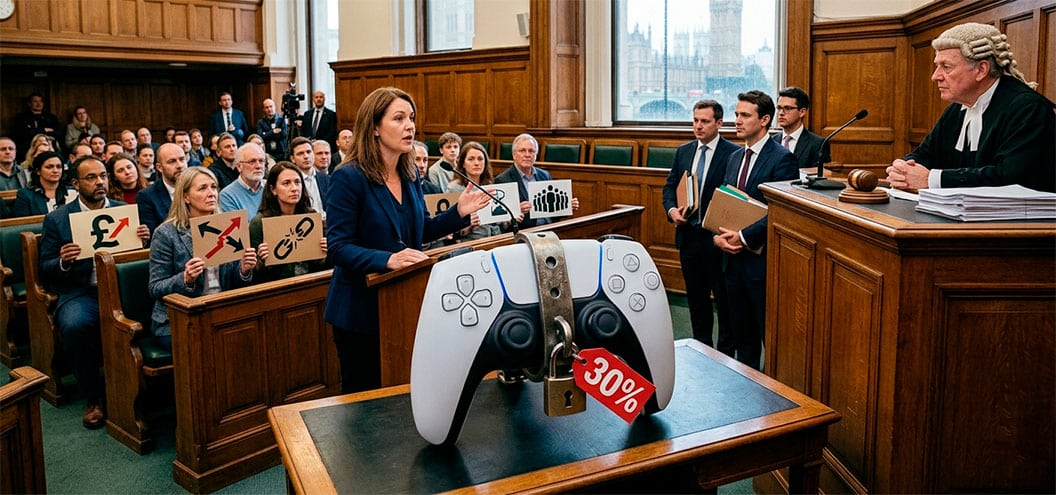
According to this argument, this position enables Sony to impose strict requirements on developers and publishers, establish pricing without actual retail competition, and impose a 30% fee on all digital purchases. And, as is widely known, the 30% is always passed on to the final consumer.
Furthermore, the primary focus of the case against Sony over its PlayStation Store is not the price of full games, but rather everything related to the present video game industry. This covers DLC, add-on material, and even in-game transactions.
The plaintiffs argue that the industry’s shift toward digital distribution and microtransactions has increased the platform’s power, and that Sony has monetized this control by charging “excessive and unfair” prices for products whose digital distribution would cost far less than what the user pays.
Sony, for its part, is defending the exact opposite idea. It maintains that the PlayStation ecosystem is not an arbitrary toll, but rather an infrastructure in which it has invested billions of dollars over the years, and that this integration benefits gamers. Also, it’s lawyers argue that the market is competitive because PlayStation competes with Nintendo and Xbox, and that the profit margin it generates from games and other content is not excessive when considering its costs and the value of its brand.
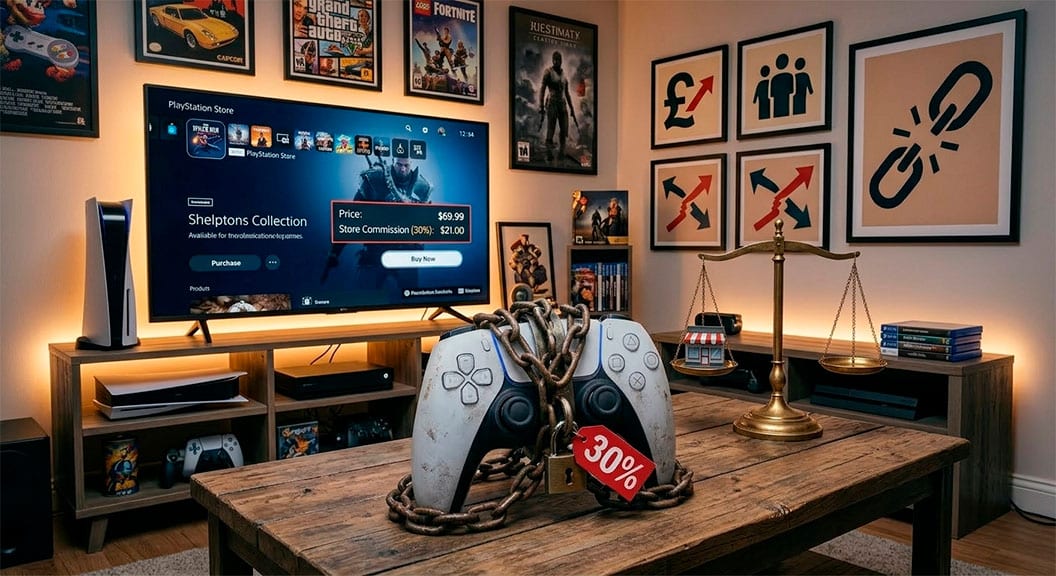
This class-action case is notable since it involves a claim against Sony for £1.97 billion GBP. This equates to 2.28 billion euros or 2.64 billion USD. This number is significantly lower than prior estimates, which put the claim at much to £5 billion. This signifies that the amount claimed has changed as the process progressed.
This class-action lawsuit is for all PlayStation gamers in the UK who made digital purchases between August 19, 2016, and February 12, 2026. Users in Scotland from August 19, 2017, are also included. The court allowed this extension in February, extending the claim time until nearly the commencement of the trial, specifically to accommodate more recent players. Best of all, all of these players were automatically included unless they opted out during the claim period, which ended on March 9.
The trial started Tuesday, March 10th. The entire industry will be paying close attention, as it not only wonders whether Sony charged too much in its store, but also what legal leeway console makers have to restrict their digital ecosystem and monetize it through exorbitant commissions.
It’s reasonable to conclude that this case isn’t about immediate compensation, but rather a dispute over the closed outlets’ business model. If Sony loses the lawsuit, it does not imply that PlayStation will immediately open its console environment to competing merchants tomorrow.
However, it would strengthen the case that a closed platform with complete control over digital distribution can become a monopoly problem, particularly if that control results in continuously higher consumer costs. It’s worth noting that both Google and Apple have lost similar claims against the monopoly of their platforms and internal payment methods, which are linked to the same 30% commission.
What are your thoughts on this story? Let us know in the comments below, or at the official Tech4Gamers Forums.
Thank you! Please share your positive feedback. 🔋
How could we improve this post? Please Help us. 😔

[Editor-in-Chief]
Sajjad Hussain is the Founder and Editor-in-Chief of Tech4Gamers.com. Apart from the Tech and Gaming scene, Sajjad is a Seasonal banker who has delivered multi-million dollar projects as an IT Project Manager and works as a freelancer to provide professional services to corporate giants and emerging startups in the IT space.
Majored in Computer Science
13+ years of Experience as a PC Hardware Reviewer.
8+ years of Experience as an IT Project Manager in the Corporate Sector.
Certified in Google IT Support Specialization.
Admin of PPG, the largest local Community of gamers with 130k+ members.
Sajjad is a passionate and knowledgeable individual with many skills and experience in the tech industry and the gaming community. He is committed to providing honest, in-depth product reviews and analysis and building and maintaining a strong gaming community.
 Join Our Community