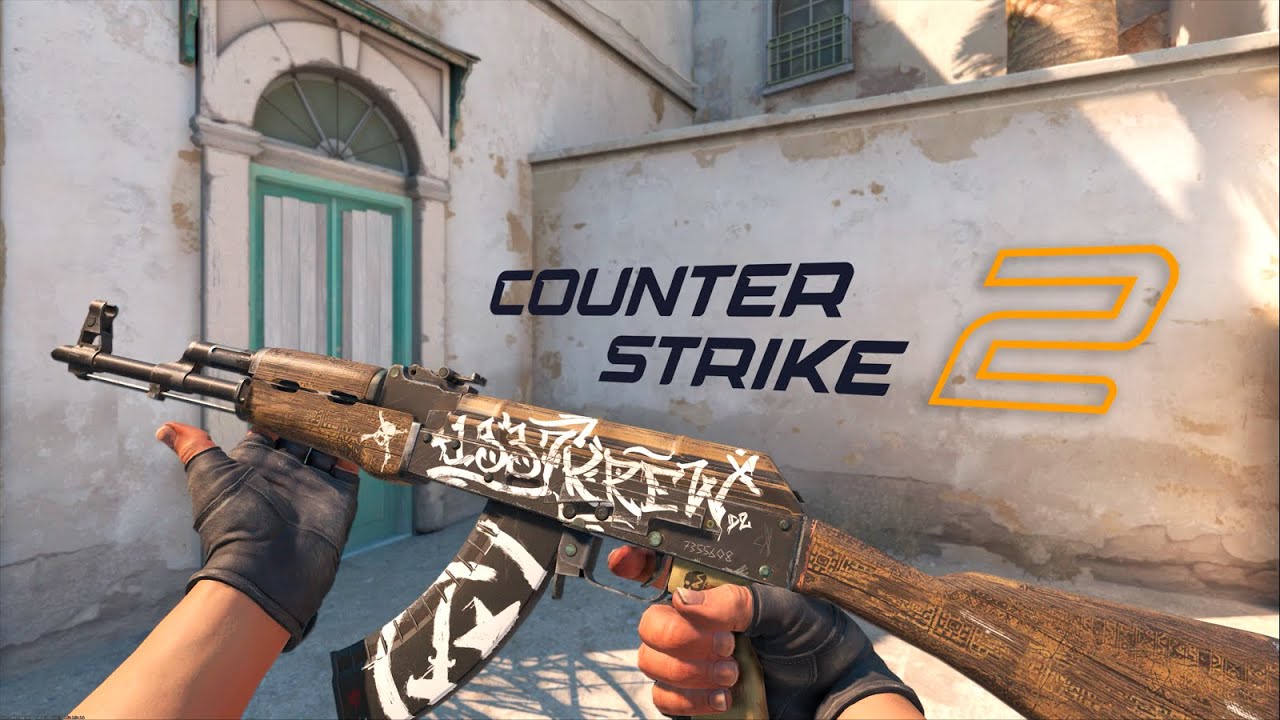



- OLED screens produce true black levels, which drastically improve the atmosphere in dark or moody game environments compared to standard LCDs
- These monitors offer faster response times, reducing blur during high-speed action.
- The immediate boost in immersion generally outweighs its downsides for most users.
I’ve upgraded plenty of gaming hardware over the years. GPUs, keyboards, headsets, even chairs that promised to “improve focus.” Some upgrades felt noticeable, others barely changed the experience. But switching to an OLED gaming monitor is one of those upgrades you notice almost immediately.
It’s not just about higher specs or better marketing buzzwords. The difference shows up the moment you launch a game. Scenes look deeper, colors feel richer, and everything just feels a little more alive. After spending time with one, going back to a regular LCD panel feels like stepping backward.
The Visual Difference Is Hard to Ignore
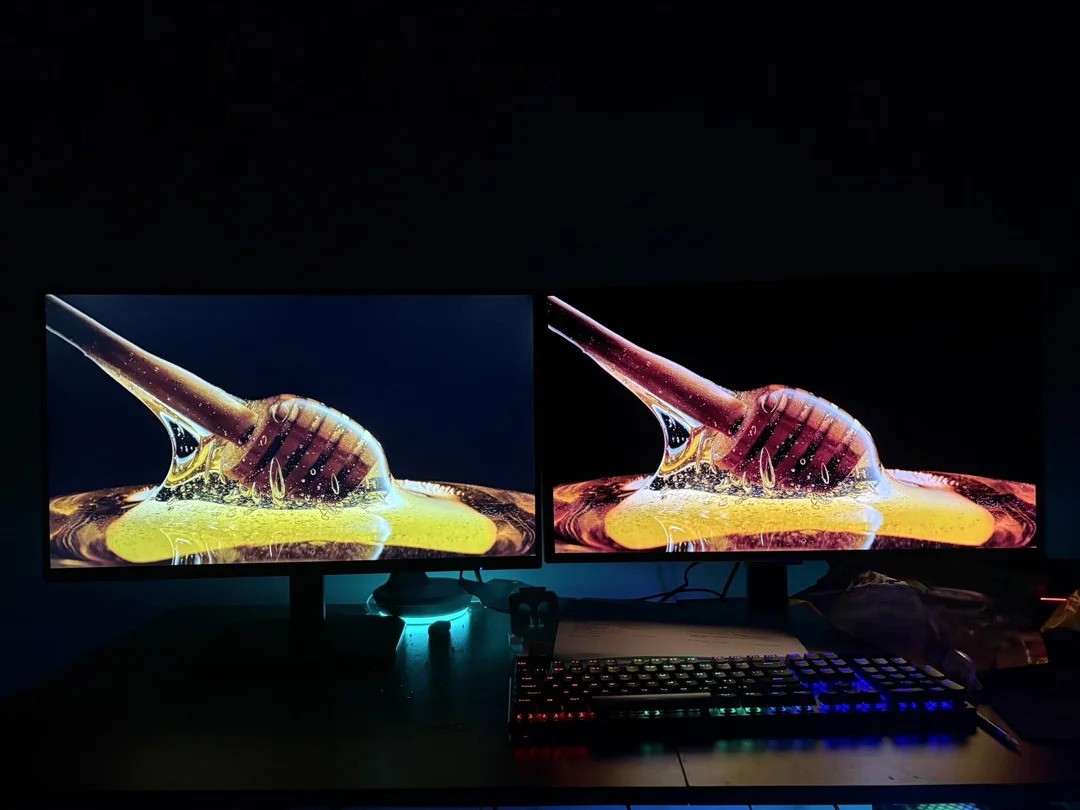
The first thing that stood out to me was how dark scenes finally looked the way they were supposed to. On most traditional monitors, black areas often look gray or slightly washed out. With OLED, black actually looks black.
That might sound like a small change, but it completely changes how certain games feel. Horror games instantly become more tense. Nighttime exploration in open-world titles feels more atmospheric. Even space games look incredible because the darkness of space finally feels real instead of dull.
Bright areas also pop more. Neon signs, explosions, spell effects, and sunsets stand out in a way that makes the screen feel more dynamic. It’s the kind of visual upgrade that makes you stop for a second and just look around in games you’ve already played before.
One thing I didn’t expect was how much OLED improves older games. Even titles that aren’t technically impressive start to look more appealing because the colors and contrast carry a lot of the visual weight.
Games that rely on art style rather than raw graphics benefit the most. Stylized worlds, colorful characters, and dramatic lighting all look sharper and more expressive. It almost feels like replaying games through a new lens.
If you’re someone who jumps between old favorites and new releases, that improvement alone can make the upgrade worthwhile.
Fast Gameplay Feels More Responsive
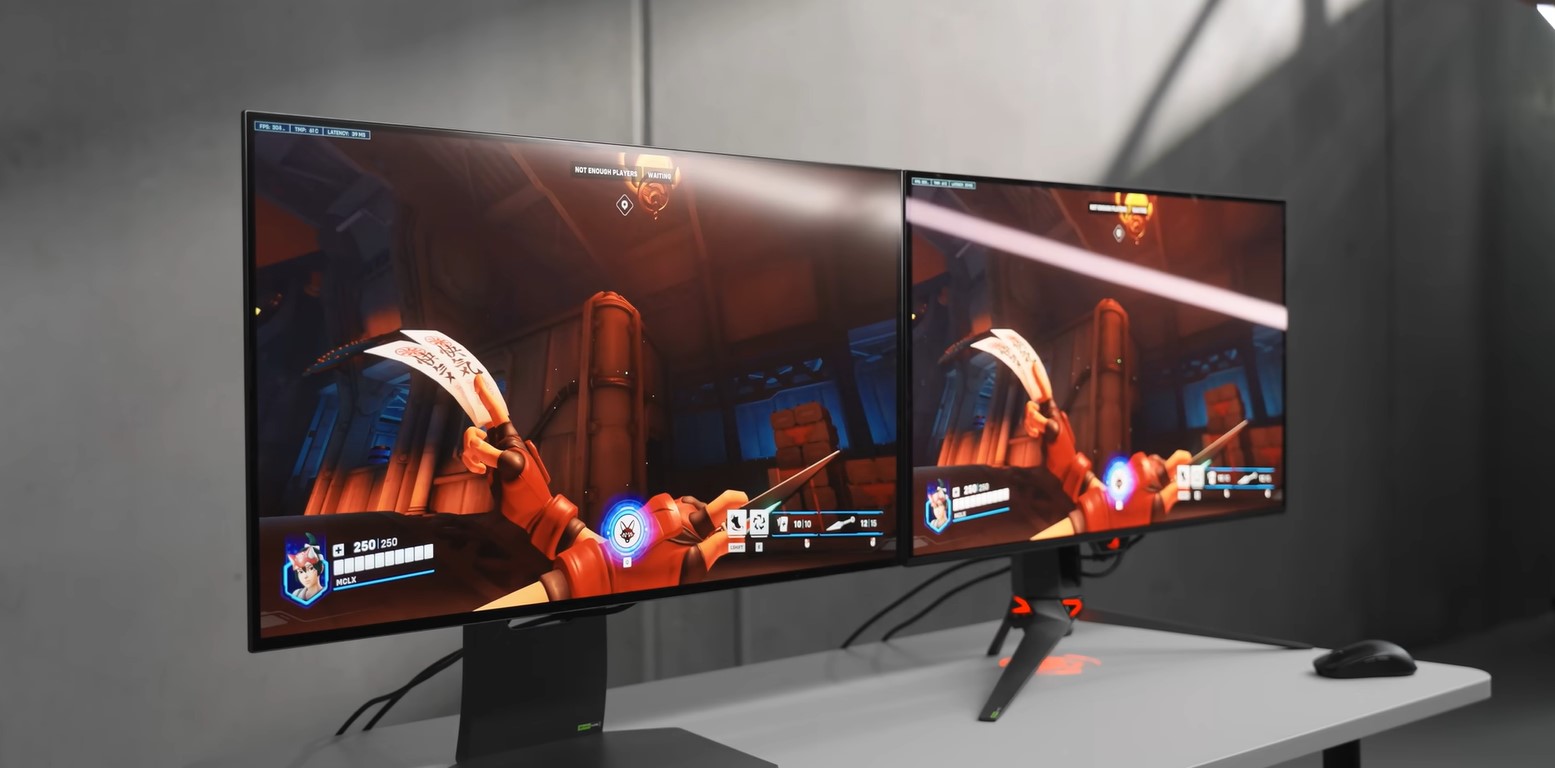
Visual quality is great, but gaming monitors also need to keep up when things get chaotic. Fast shooters, racing games, and competitive titles demand quick response and smooth motion.
This is another area where OLED surprised me. Motion looks extremely clean, even when the screen is packed with movement. Quick camera turns stay sharp, enemies are easier to track, and overall gameplay just feels smoother.
For competitive players, that clarity can make a real difference during intense moments. It won’t replace skill or practice, but it removes some of the visual distractions that come from slower displays.
The Monitor Becomes the Center of the Setup
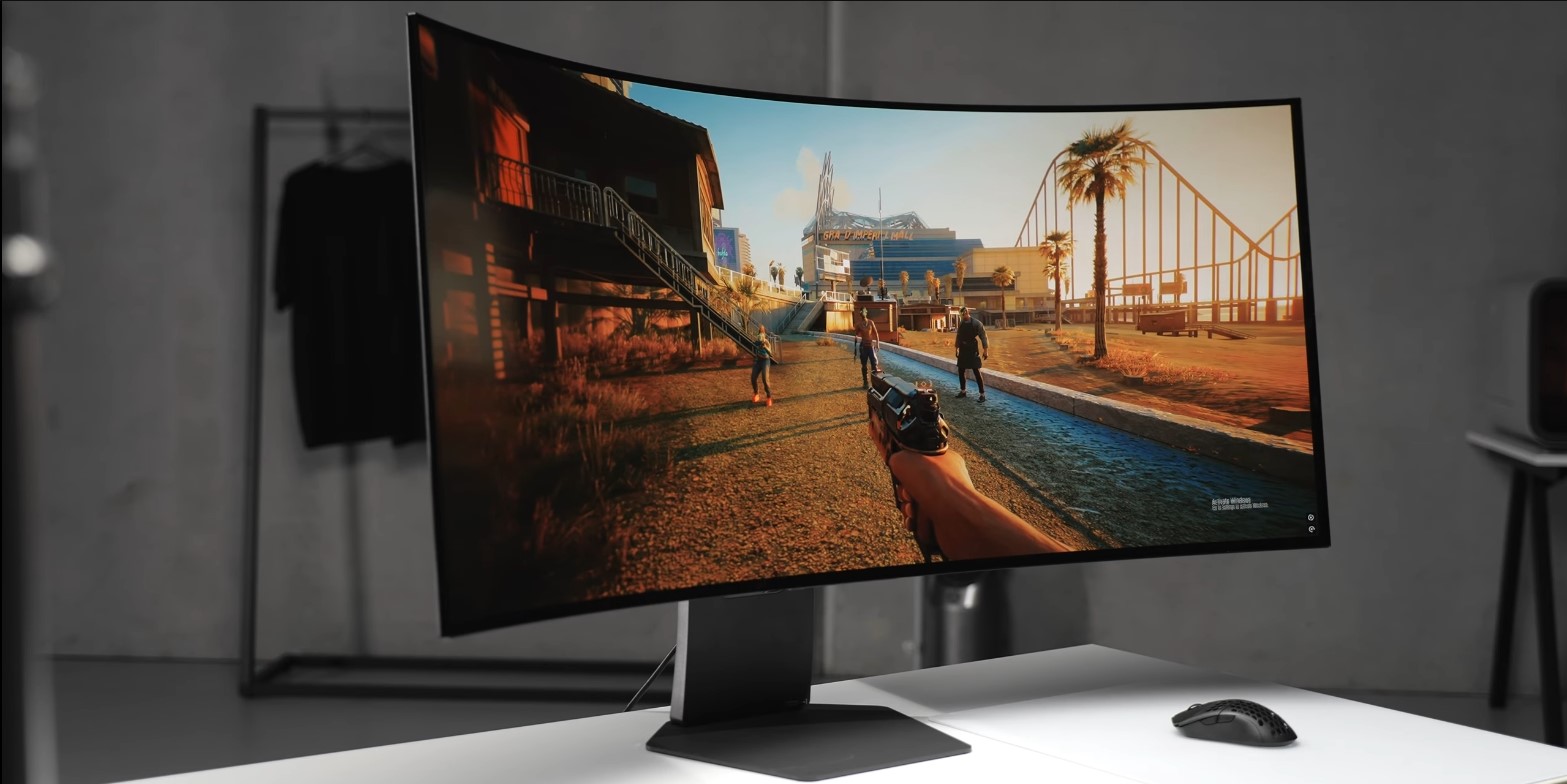
Let’s be honest, gaming setups have become part of the hobby itself. People spend time organizing their desks, adding lighting, and trying to build a setup that looks good on camera or just feels satisfying to sit at.
Most OLED gaming monitors lean into that clean aesthetic. Thin bezels, sleek stands, and minimal designs make them feel like a centerpiece rather than just another screen on the desk.
Once everything is set up properly, the monitor naturally becomes the focal point of the entire setup. When the display looks great both on and off, it adds to the overall experience.
Another thing I started appreciating over time was comfort. Gamers often spend long stretches staring at their screens, especially during late-night sessions or long multiplayer runs.
OLED displays generally deliver stable brightness and very clean motion, which helps reduce the visual strain that sometimes happens with lower-quality panels. Pair that with adjustable stands and good viewing angles, and it’s easier to find a comfortable setup for extended play.
It’s one of those benefits you don’t really think about when buying a monitor, but it becomes obvious after weeks of use.
It’s Not Perfect, But It’s Impressive
To be fair, OLED monitors still come with some trade-offs. They tend to cost more than traditional gaming monitors, and some players still worry about long-term durability issues like burn-in. Manufacturers have added protections and improvements over the years, but it’s still something people talk about.
That said, the overall experience is strong enough that many gamers are willing to accept those trade-offs. When the visuals are this good, it’s hard not to appreciate what the technology brings to the table.
In my opinion, OLED gaming monitors represent one of the most noticeable display upgrades available right now. They combine rich colors, deep contrast, and fast performance in a way that genuinely improves how games look and feel.
It’s the kind of upgrade that doesn’t just improve benchmarks or frame graphs. It changes the way you experience your games. Worlds feel more immersive, action feels smoother, and even familiar titles can look fresh again.
Thank you! Please share your positive feedback. 🔋
How could we improve this post? Please Help us. 😔

Passionate gamer and content creator with vast knowledge of video games, and I enjoy writing content about them. My creativity and ability to think outside the box allow me to approach gaming uniquely. With my dedication to gaming and content creation, I’m constantly exploring new ways to share my passion with others.
 Join Our Community