


- The Nvidia GeForce RTX 5060 is best for playing games at 1080p resolution in 2026.
- The GPU can run most modern AAA games such as Ghost of Yotei easily with DLSS enabled.
- 1440p gaming is possible but may cause some performance issues like lag or stutters.
- Ray tracing works but often comes with setbacks and performance compromises.
The Nvidia RTX 5060 is a classic, yet powerful mid-range graphics card made particularly for casual gamers. It is best for gamers who want strong performance and stable gaming without stepping into the premium priced goods category. As game engines continue to become more advanced and as developers lean into photorealistic assets, what qualifies as “enough” has changed.
The gaming scene isn’t about just launching a game anymore it involves maintaining high frame rates, detailed textures and smooth performance through increasingly dynamic and demanding worlds. The RTX 5060 aims to strike a balance between performance and affordability, but the question arises can it still hold up against this year’s biggest releases?
Where It Truly Shines
At 1080p resolution the NVIDIA RTX 5060 delivers smooth performance levels. Most major 2026 AAA titles run comfortably at high settings with smooth frame rates often exceeding 60 FPS often pushing into 90 to 120 FPS depending on optimization. The GPU was made for 1080p resolution, and it shows allowing most players an enjoyable experience without any stutter or lag.
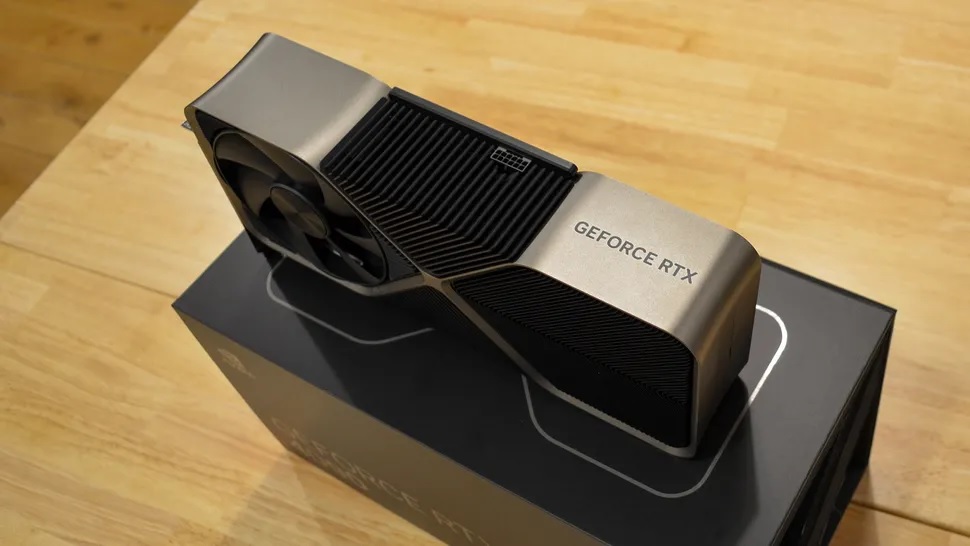
The responsiveness of the RTX 5060 is more than enough to support modern AAA gaming. NVIDIA’s DLSS technology also comes into play to maintain high frame rates without sacrificing graphical quality. For competitive players focused on esports competitions or fast paced shooter games this GPU hits the right spot. It’s powerful and easy on the pocket making it a great choice for many.
The Compromises of 1440p
When we start to ramp up the resolution to 1440p the performance visibly falters. Be mindful that this resolution is not an issue for the RTX 5060 and it can run many games at 1440p, however, at this resolution it starts hitting its peak performance level. Games running on ultra-high settings may face some lag or stutters needing the settings to be dialed down a notch. The FPS remain playable, but games often require a few tweaks in settings.
One of the biggest issues that surface at 1440p resolution is memory capacity. If you have around 8GB of VRAM that is just simply not enough. Gamers may face limitations in memory-heavy titles that have demanding textures or large open environments. Some gamers also report stuttering or game lag issues at this resolution which causes which breaks immersion and ruins the overall experience for many. At 1440p enabling DLSS or reducing texture settings becomes less optional and more of a requirement to maintain consistent performance.
Ray Tracing and Visual Fidelity
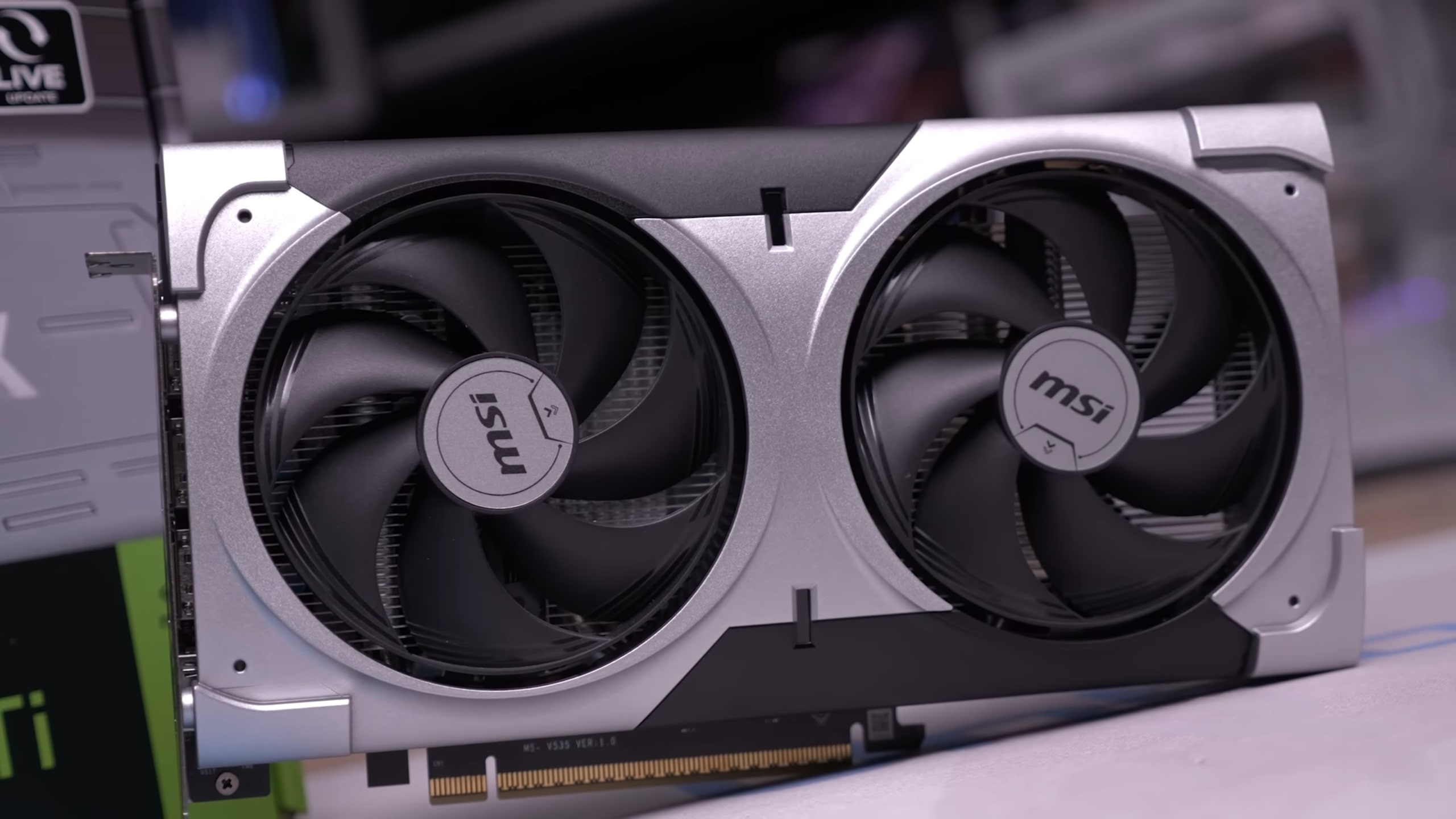
Ray tracing is now an important part of the visual fidelity of modern games. Realistic shadows, refractions, reflections and indirect lighting all work hand-in-hand to make the game more immersive. The RTX 5060 performs better than the 4060 and supports hardware accelerated ray tracing whilst featuring one of NVIDIA’s latest chip architectures. This allows the GPU to maintain these effects much better than older mid-range models.
However, ray tracing demands a lot of GPU power and can substantially reduce frame rates especially in complex scenes. Running a game at 1080p with ray tracing and DLSS both enabled allows for an excellent gaming experience. At 1440p though ray tracing often pushes the RTX 5060 beyond its comfortable zone and demands other visual settings to be reduced. For gamers wanting ray tracing as an occasional feature this GPU performs well enough but for those seeking maximum graphics at all times the RTX 5060 may feel constrained.
VRAM and Future Proofing
One of the most significant long-term concerns surrounding the NVIDIA RTX 5060 is its 8GB VRAM configuration. This is enough for playing most AAA 2026 titles at 1080p but as memory requirements continue to trend upward issues start presenting themselves. Developers these days are manufacturing games for systems with larger memory pools. Having 8GBs of VRAM may simply be not enough for newer titles.
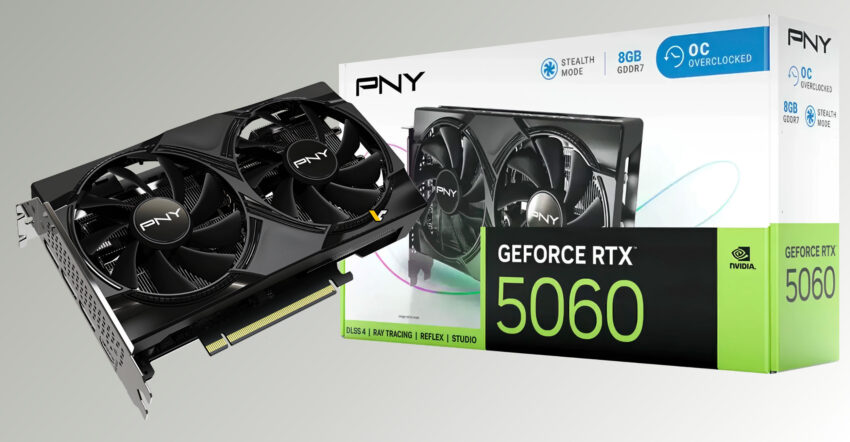
An 8GB VRAM configuration may work today but leaves little room for future growth. As the years continue to pass and games become more and more complex the limitations of low VRAM may become apparent and anything below 12GB VRAM would be disappointing. This will be increasingly apparent to gamers that want to maintain high settings in new games. In terms of longevity the RTX 5060 offers short to medium-term value.
Final Thoughts
Whether the NVIDIA RTX 5060 performs up to par depends on the expectations and usage of the consumer. At 1080p the GPU can perform well even at high settings, at 1440p however, it demands other visual settings to be reduced. In 2026 the RTX 5060 stands as a well-balanced mid-range GPU for gamers seeking comfortable gaming and the occasional high settings push.
Thank you! Please share your positive feedback. 🔋
How could we improve this post? Please Help us. 😔

[Comparisons Expert]
Shehryar Khan, a seasoned PC hardware expert, brings over five years of extensive experience and a deep passion for the world of technology. With a love for building PCs and a genuine enthusiasm for exploring the latest advancements in components, his expertise shines through his work and dedication towards this field. Currently, Shehryar is rocking a custom loop setup for his built.
Get In Touch: shehryar@tech4gamers.com
 Join Our Community