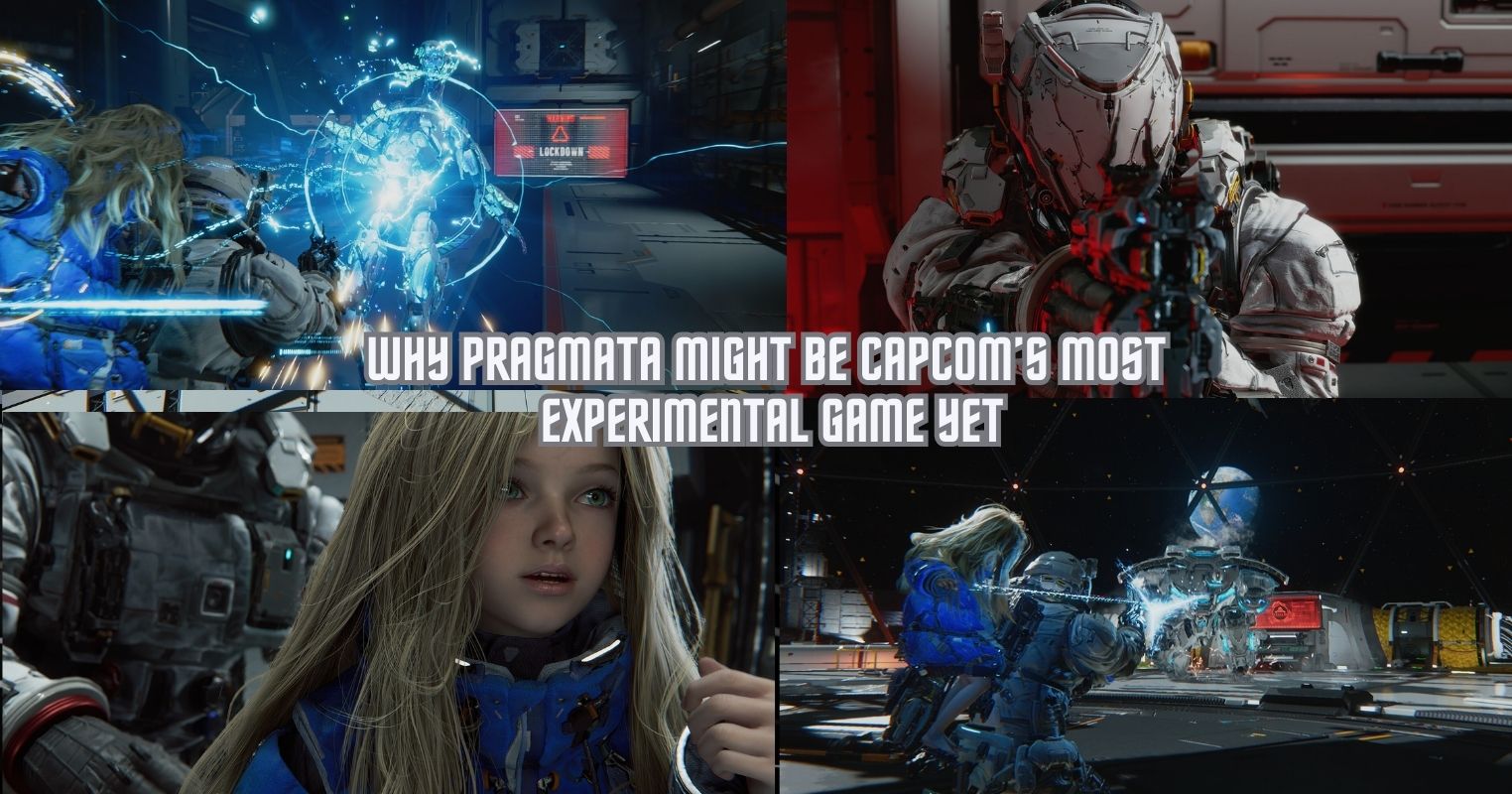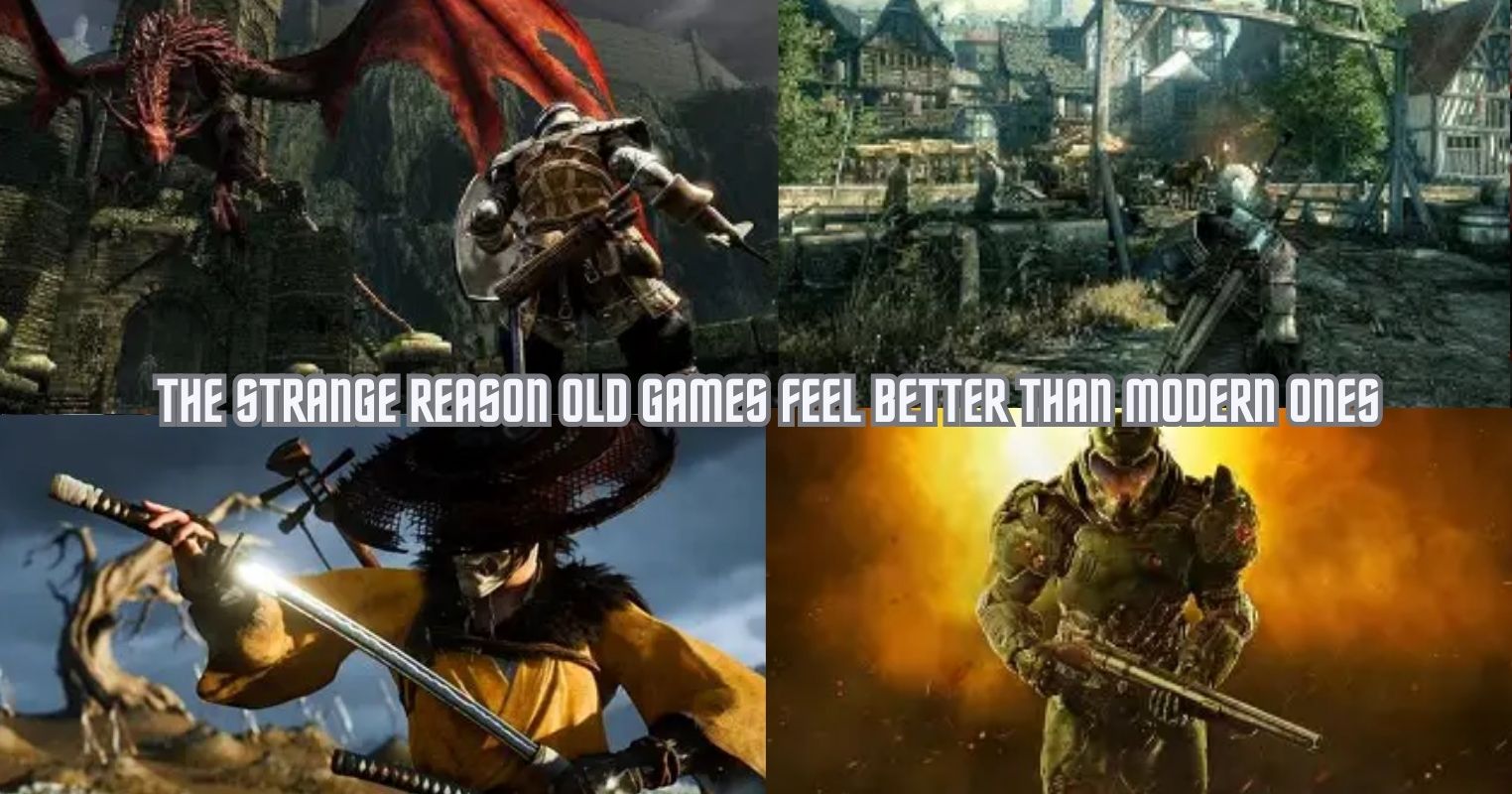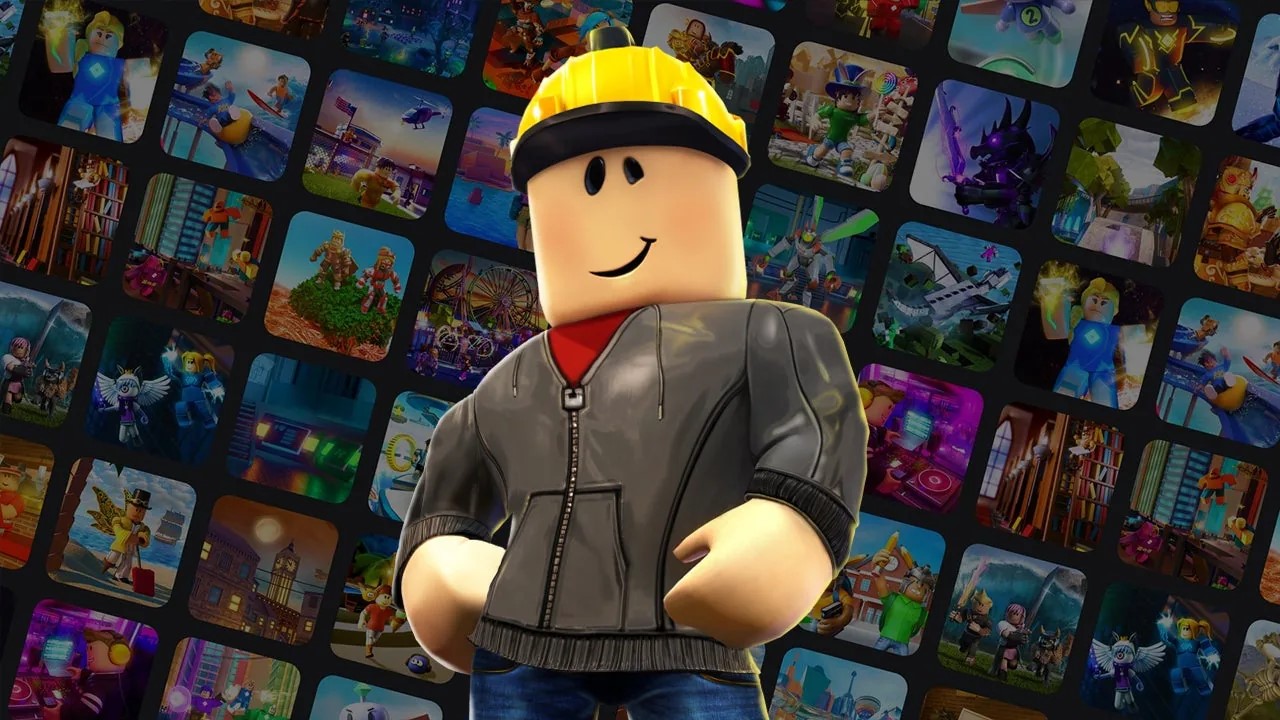



- Finish a small project instead of failing a big one.
- Write down core rules early to avoid wasting time.
- Prioritize consistent art and smooth gameplay over photorealistic visuals.
Making a computer game used to be something only large studios could afford. Today, solo developers and small teams can realistically build and release PC games.
Engines are easier to use, tools are cheaper, and learning resources are everywhere. What hasn’t changed is how easy it is to get overwhelmed and abandon a project halfway through.
Before doing anything else, it’s important to look at your real limitations. Team size, time, budget, and experience will shape every decision you make. Most first-time projects fail because the idea was too big.
A small, focused game that actually ships is far more valuable than an ambitious concept that never gets finished.
Planning and Game Design

Game design starts by defining the core experience. You need to know what kind of game you’re making, what the player spends most of their time doing, how progression works, and what rules hold everything together. These decisions don’t need to be fancy, but they do need to be clear.
Writing things down early helps keep development on track. When design is vague, teams tend to change direction constantly, which leads to wasted time and unfinished features. Locking the core ideas early gives the rest of the project a stable foundation.
Teams with larger budgets sometimes choose to work with a game art company rather than growing the core team. This approach can ease the workload by letting external artists handle asset production, while the in-house developers stay focused on gameplay and technical systems. It’s usually a practical decision tied to time management and project scale, not just visual ambition.
Visuals and Animation
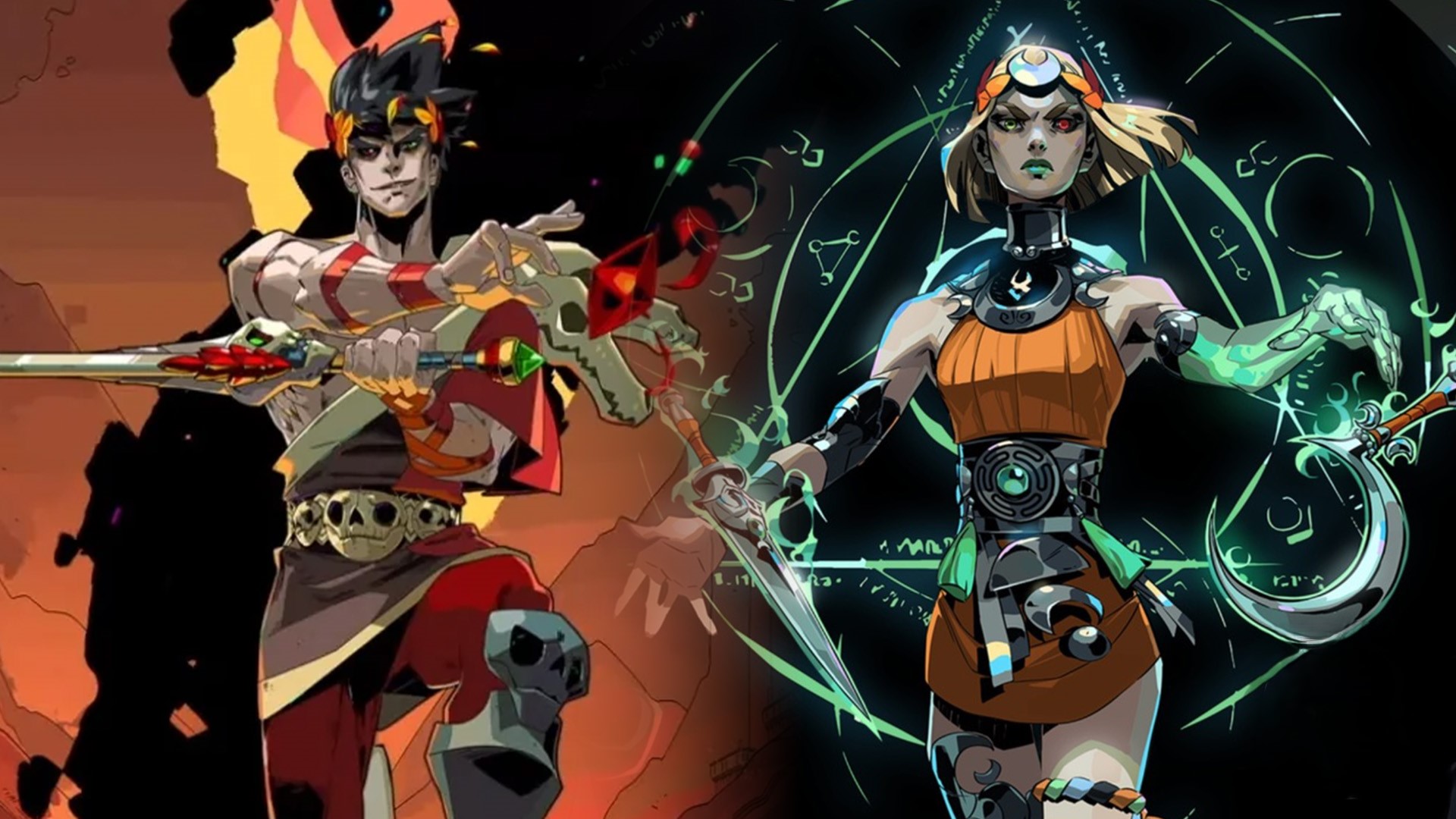
Once the design is clear, visuals begin to take shape. Game art covers everything from characters and environments to menus and icons.
Consistency matters more than detail. Many PC games succeed with simple styles that match the gameplay instead of chasing realism.
Animation adds life to the game, but it also affects performance. PC players use a wide range of hardware, so heavy animations and effects can cause problems if you’re not careful.
Keeping things readable and responsive is usually more important than pushing visual complexity too far.
Development and Tools
This is where everything comes together into a playable build. Early versions of the game won’t look impressive, and that’s fine. The goal is to test mechanics, spot issues, and iterate quickly.
Most developers rely on engines like Unity or Unreal Engine to handle rendering, physics, and input. These tools save time and let teams focus on gameplay. If the game is fun in a rough state, polishing it later becomes much easier.
Cost and Scope

The cost of making a PC game depends almost entirely on scope. Smaller indie projects can stay relatively affordable by limiting features and reusing tools, while larger games quickly become expensive due to art, testing, marketing, and long-term support.
Time is often the biggest hidden cost. Development usually takes longer than expected, especially for new teams. Planning for delays helps avoid burnout and rushed decisions.
Releasing and Supporting the Game
Finishing the game doesn’t mean the work is done. Releasing on PC platforms like Steam or GOG requires store pages, builds that meet platform rules, and clear pricing. Thinking about publishing early makes the launch much smoother.
It’s also important to factor in the cut that digital storefronts take from your sales. Platforms like Steam, Epic Games Store, and others take a percentage of every copy sold. Steam’s standard revenue split means a noticeable portion of your income goes to the platform, while Epic offers a lower cut but comes with its own discoverability trade-offs.
After release, players will find bugs and performance issues you missed. Post-launch support includes fixes, balance updates, and small improvements. Some games also add new content over time, but that depends on your goals and resources.
Developing a computer game is equal parts creativity and discipline. Tools have lowered the barrier to entry, but finishing a game still requires realistic planning and steady progress.
Keep the scope under control, understand each stage of development, and focus on shipping something complete. That alone puts you ahead of most first-time developers.
Thank you! Please share your positive feedback. 🔋
How could we improve this post? Please Help us. 😔

Passionate gamer and content creator with vast knowledge of video games, and I enjoy writing content about them. My creativity and ability to think outside the box allow me to approach gaming uniquely. With my dedication to gaming and content creation, I’m constantly exploring new ways to share my passion with others.
 Join Our Community