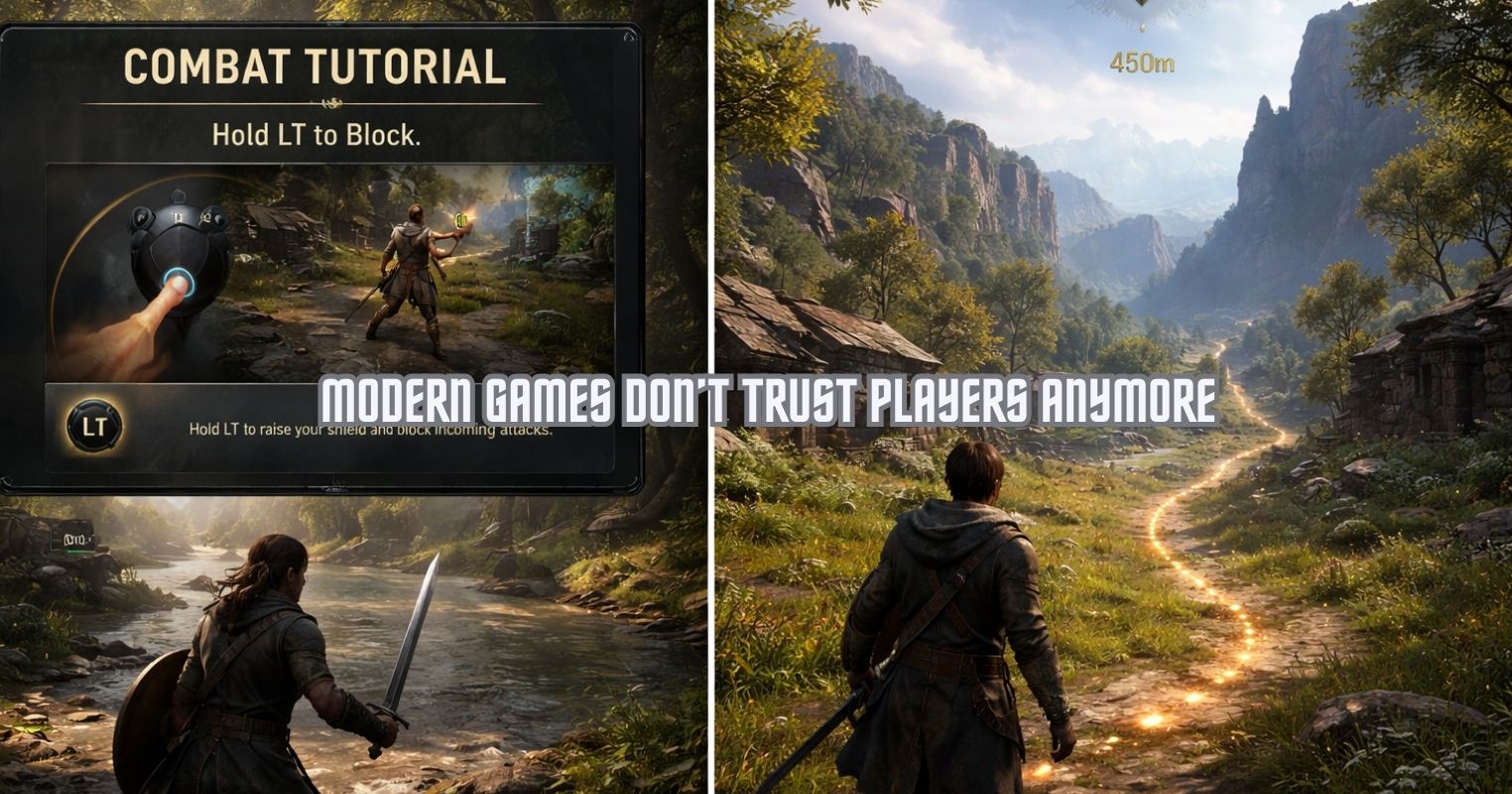



- Gaming hardware improvements are slowing down as performance has reached a ceiling.
- Diminishing returns suggest that these days, upgrades do not drastically change the experience.
- Players can now keep using their hardware longer without feeling the need to upgrade.
- Developers now have more time to further optimize games, rather than focusing solely on raw power to fill performance gaps.
For many years, gaming hardware has been improving at a rapid pace. Each new hardware generation brought massive leaps in performance,e and players were forced to keep up with growing game demands. This trend, however, has begun to slow. Instead of massive performance gains, we are now seeing smaller, more incremental upgrades. While this may sound disappointing at first, it means that gaming hardware is reaching a level of maturity.
Diminishing Returns Are Common Now
A few years ago, upgrading hardware components led to a drastic improvement in system performance. However, lately, modern CPUs and GPUs are powerful enough to handle most games at high performance. Moving from one hardware generation to the next often results in modest improvements rather than a game-changing shift. Considering hiking hardware prices, not upgrading is good for many.
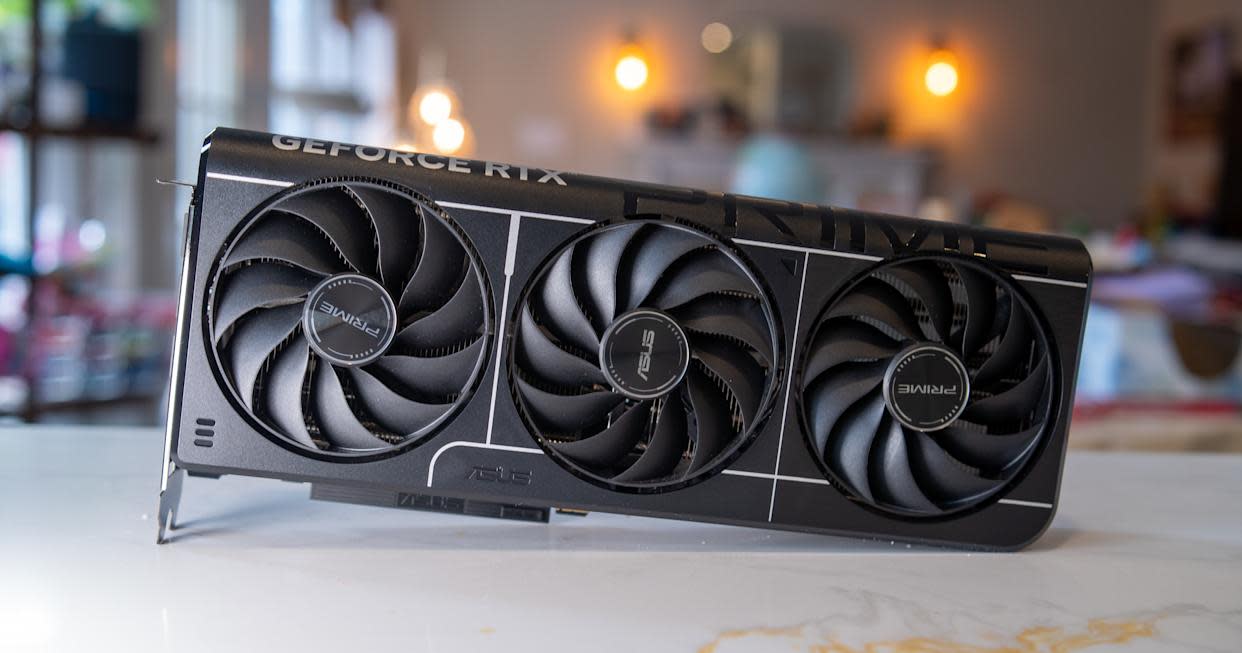
Moving from a mid-to-high-range GPU to the next generation might give you better frame rates and improved efficiency, but it does not change the scene entirely. Games run slightly smoother and look a little better, but the core experience remains largely the same. This is a classic case of diminishing returns. The higher the base performance level becomes, the harder it is to deliver a noticeable improvement.
Constant Upgrades Are Not Needed Anymore
In the past, just to keep up with modern game demands, players had to change their hardware, normally the CPU or GPU. At the same time, they had to deal with compatibility issues, which often required multiple components to be changed and a significant amount of money to be spent. These upgrades didn’t even last that long, as after a while, they had to do it all over again.
Games these days do not require constant hardware upgrades. This might be the biggest advantage of gaming hardware plateauing: gamers won’t need to change their entire setup every year or so. They can comfortably use their existing hardware for the next few years, as frankly, a jump to the next generation doesn’t change much. It’s only when jumping multiple generations that players see a meaningful change in performance.
Games No Longer Demand Constant Updates
One of the biggest advantages of gaming hardware plateauing is that modern AAA games no longer require the latest hardware. Systems last significantly longer, and components remain relevant for extended periods. This is because gaming hardware has reached a performance ceiling, beyond which improvements are not perceptible to the average gamer.
This is very beneficial for gamers who cannot afford to constantly update their hardware. A mid-range GPU like the RTX 5060 Ti can easily handle modern games at medium settings, with the occasional high setting, without feeling outdated too quickly. This level of hardware stability makes farming more accessible and less financially demanding.
Developers Can Finally Optimize Better
When hardware evolves too quickly, developers often struggle just to keep up. Rapid changes lead to poor optimization by developers, as studios start relying on brute force rather than refining their games across a range of setups. Having hardware advances at a slower rate allows developers to understand better the platforms they are working with. This results in better-optimized games that run smoothly across a variety of hardware.
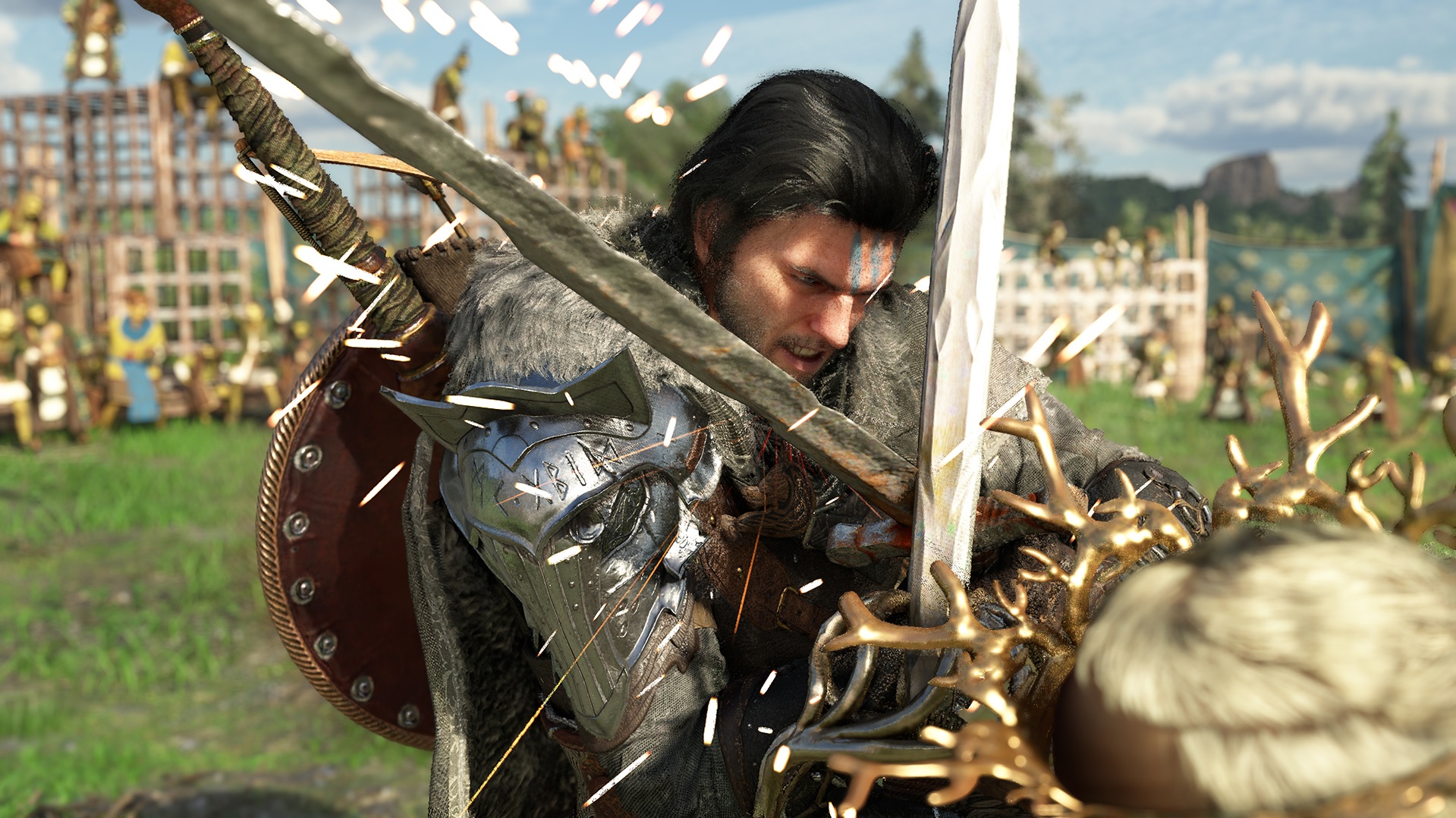
Innovation is Shifting
Just because performance gains are slowing down doesn’t mean that innovation has stopped. It is simply moving in a different direction now. Instead of focusing on raw power, companies like NVIDIA are now working on AI upscaling using DLSS, frame generation, and power efficiency. Technologies such as smart rendering are now allowing games to look better without needing extensive hardware.
Better Value For Gamers
Slower hardware progression also means better value. Gamers can comfortably invest in hardware and systems without fearing their obsolescence in the near future. Players can build a system and expect it to last the next few years without any major changes. This simply means that now gaming is becoming more sustainable as a hobby. Players are also being forced to make better decisions about hardware components, as they won’t need replacements for the next few years.
Final Thoughts
When hardware was improving at a rapid rate, developers were focusing primarily on graphics and performance benchmarks. With hardware plateauing, developers can now focus on what truly matters to many gamers: the story, game design, and creativity. Developers are now being encouraged to innovate in gameplay rather than solely on visual improvements. This could lead to more unique and memorable experiences in the foreseeable future.
Thank you! Please share your positive feedback. 🔋
How could we improve this post? Please Help us. 😔

[Comparisons Expert]
Shehryar Khan, a seasoned PC hardware expert, brings over five years of extensive experience and a deep passion for the world of technology. With a love for building PCs and a genuine enthusiasm for exploring the latest advancements in components, his expertise shines through his work and dedication towards this field. Currently, Shehryar is rocking a custom loop setup for his built.
Get In Touch: shehryar@tech4gamers.com
 Join Our Community