


- Players use keys to unlock CS2 cases for a random weapon skin, ranging from common finishes to ultra-rare items like knives or gloves.
- Common skins appear frequently, while “Covert” reds and “Gold” specials have extremely low drop rates.
- On average, a red skin drops once every 150+ cases, while gold items appear roughly once every 400 attempts.
If you’ve spent any time in Counter-Strike 2, you already know the feeling. You finally get a case drop after a match, grab a key, and watch the carousel spin past skins you wish would stop right at “gold”.
Case openings have been part of the Counter-Strike culture for years, and that hasn’t changed with CS2. The system is simple: open a case, and you’ll receive a random skin. Sometimes it’s a common weapon finish. Sometimes, if luck is on your side, it’s something far rarer.
What keeps players coming back isn’t just the reward itself. It’s the suspense that builds in those few seconds before the final item lands.
What’s Actually Inside a CS2 Case
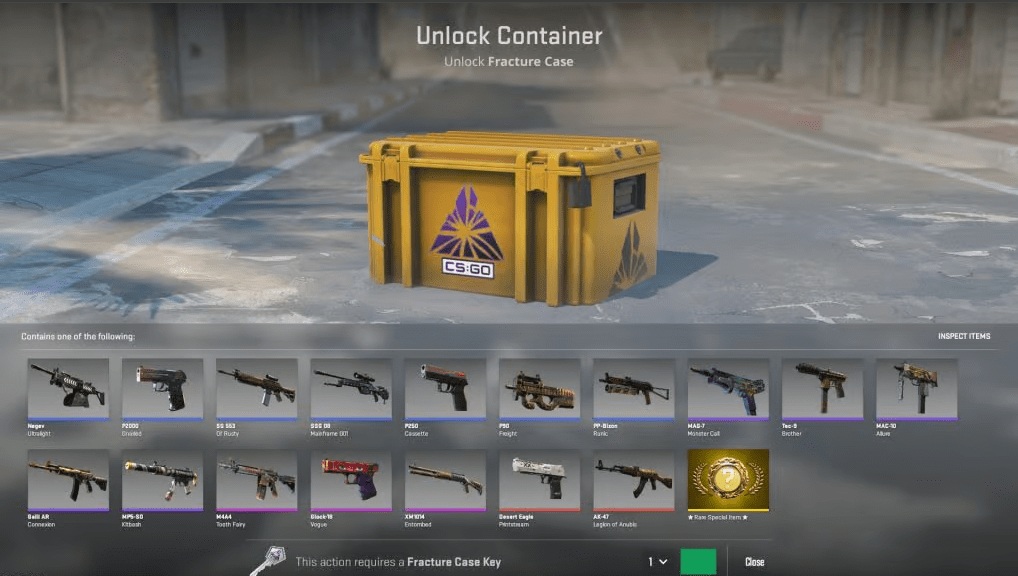
Most cases follow the same structure. They contain a pool of weapon skins with different rarity levels, which means some items appear much more often than others.
- In most openings, you’ll see:
- Common weapon skins that show up regularly
- Mid-tier finishes that are less frequent but still attainable
- High-rarity skins that players actively hunt for
- Ultra-rare knife or glove drops
The odds heavily favor the lower tiers, which is why the rare drops feel so special when they actually happen.
This rarity system is a big reason the skin market remains active. Players who get lucky often end up holding items that others want for their collections or loadouts.
If you’ve opened a few cases in Counter-Strike 2, you’ve probably noticed the same pattern. Most drops sit in the lower tiers, while the items everyone really wants appear much less often.
Based on the commonly shared drop rates within the community, the chances look roughly like this:
- Covert (Red) skins: around 0.64%
- Rare Special Item (Gold) like knives or gloves: about 0.26%
To put that into perspective, a covert skin might appear about once in every 150 to 160 case openings on average. Gold items are even rarer, sometimes showing up only once in several hundred openings (400 cases on average).
That’s why these drops carry so much hype. When a gold item finally lands, it instantly becomes a moment players want to clip, share, and brag about.
Why Players Keep Opening Them
For many players, cases are less about profit and more about the experience. The opening animation, the possibility of landing something rare, and the social aspect of sharing drops with friends all play a role.
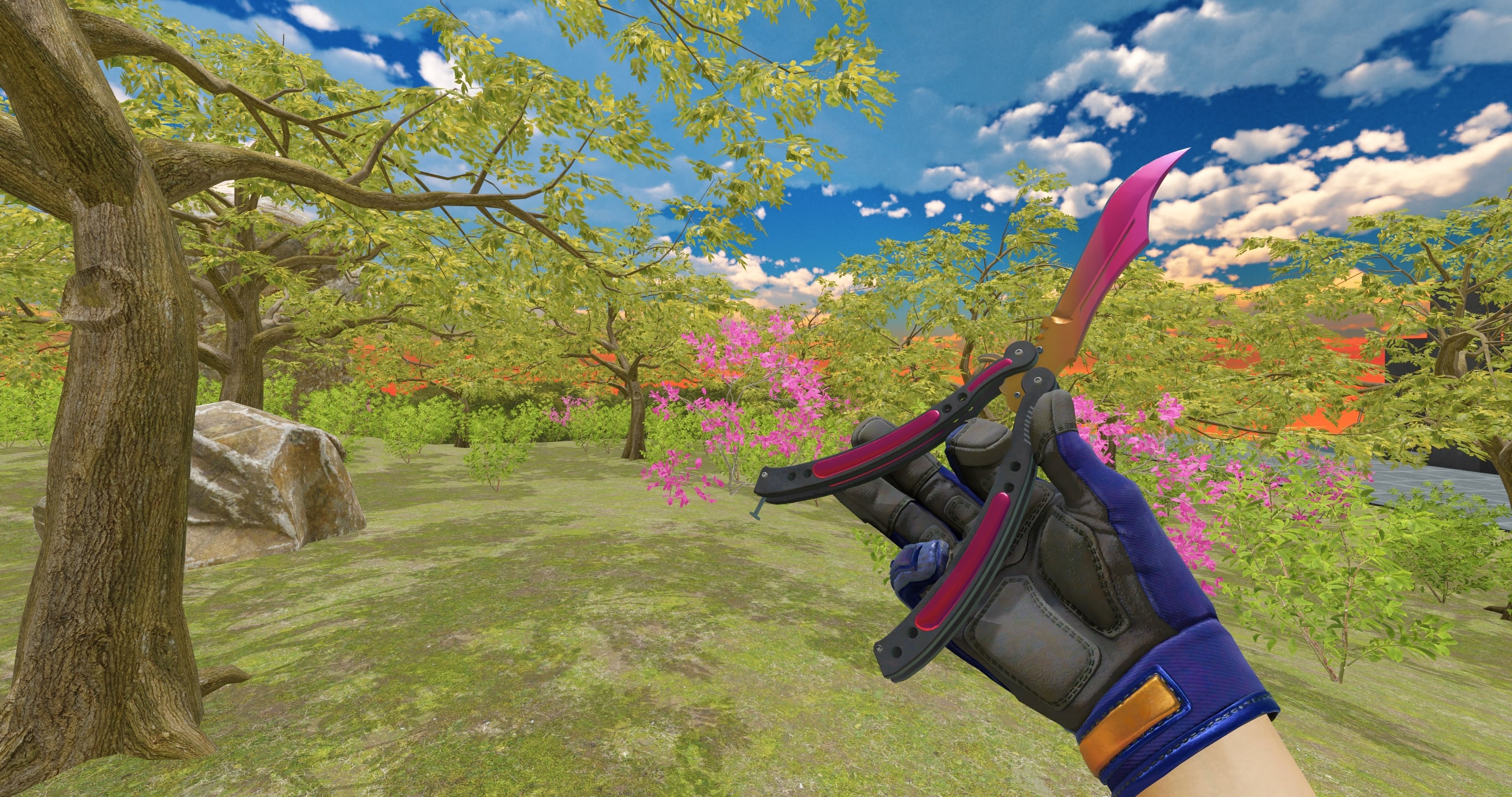
Streams and clips of big pulls also fuel the hype. When someone lands a rare CS2 knife on stream, it spreads quickly across the community.
At the same time, experienced players usually approach cases with realistic expectations. Most openings will result in lower-tier items, and that’s simply how the system works.
Beyond the in-game drops, some players also explore community marketplaces related to case openings. These sites often try to recreate the same excitement in different ways, which is where discussions around cs2 cases casehug.com sometimes come up in community conversations.
Whether players stick to official drops or explore community options, the core appeal is the same: the excitement of seeing what might appear when the case opens.
Cases Are Part of the Counter-Strike Identity
Love them or hate them, cases have become a permanent part of the Counter-Strike experience. They’ve created memorable moments, fueled a huge skin economy, and given players another way to interact with the game outside of matches.
At the end of the day, opening a case in Counter-Strike 2 is a mix of curiosity, luck, and a bit of community culture. Most of the time, you’ll get something ordinary. Every once in a while, though, the stars align, and you end up with a skin worth talking about.
And that tiny chance is exactly why players keep trying.
Thank you! Please share your positive feedback. 🔋
How could we improve this post? Please Help us. 😔

Shameer Sarfaraz has previously worked for eXputer as a Senior News Writer for several years. Now with Tech4Gamers, he loves to devoutly keep up with the latest gaming and entertainment industries. He has a Bachelor’s Degree in Computer Science and years of experience reporting on games. Besides his passion for breaking news stories, Shahmeer loves spending his leisure time farming away in Stardew Valley. VGC, IGN, GameSpot, Game Rant, TheGamer, GamingBolt, The Verge, NME, Metro, Dot Esports, GameByte, Kotaku Australia, PC Gamer, and more have cited his articles.
 Join Our Community