


- New rare earth restrictions from China could disrupt chip exports to the US.
- Companies like TSMC now need an export license from November 8th onwards for semiconductors.
- China contains 90% of the world’s rare earth materials, and major companies like Apple and Nvidia rely on its wealth.
Despite being one of the centers of AI progress in the modern world, the United States has to rely on external resources for semiconductors to power this booming industry. Nvidia’s CEO previously stated that the country needs at least two more decades to gain chip independence.
Until then, however, chip export will remain a major factor for AI operations in the US, and if rumors are true, there is going to be a major disruption thanks to a new Chinese law.
Why it matters: This new export policy could mean a major disruption for the AI landscape in the US is in the hands of China.
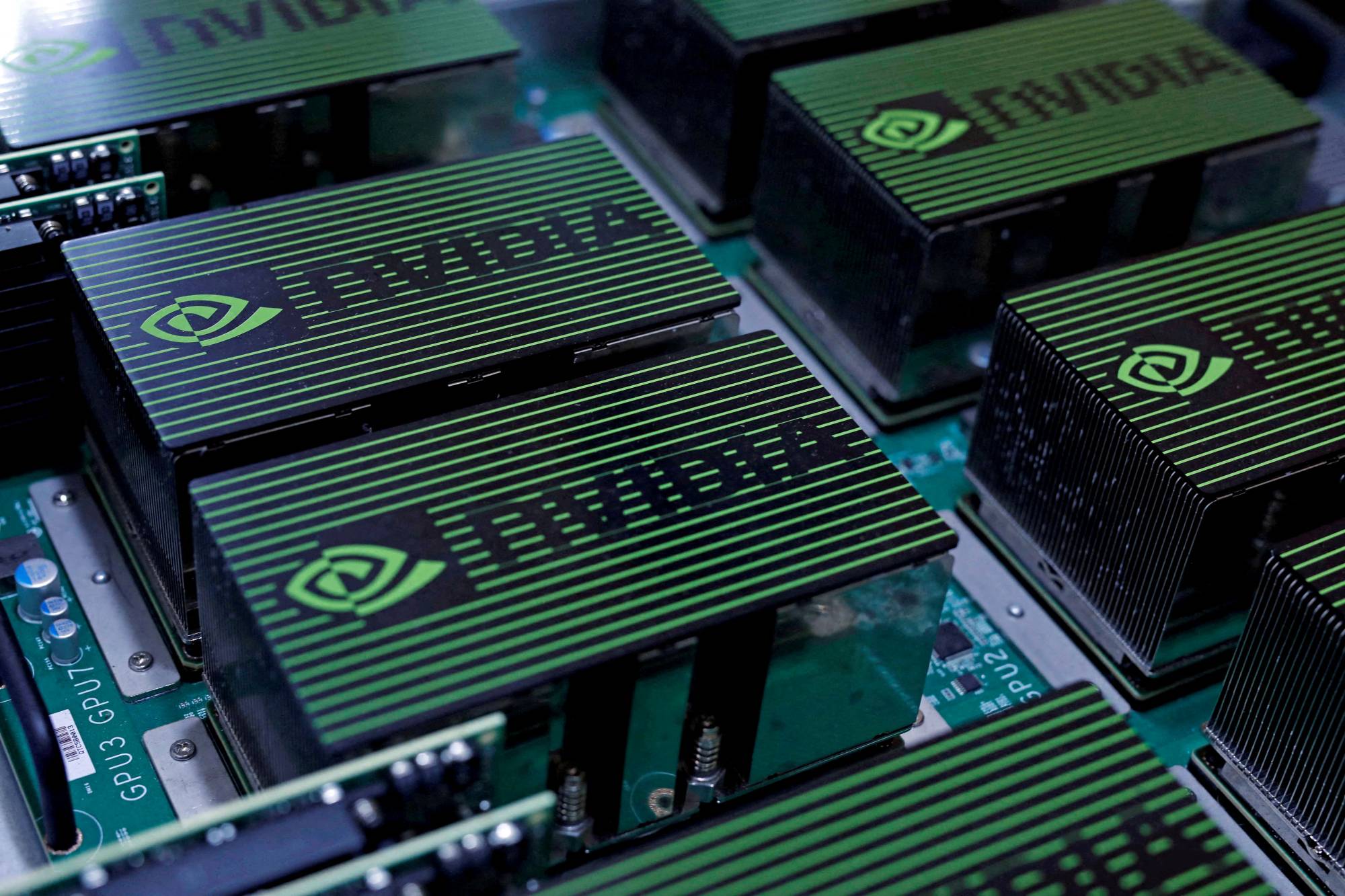
According to Reuters, China has increased restrictions on the export of rare earth materials like logic chips, meaning it can block semiconductor giants like TSMC from selling to the United States.
These new control measures focus specifically on firms like TSMC by introducing licensing policies for the products developed from Chinese materials. And, as semiconductor chips heavily utilize rare earths, this could prove to be a massive hurdle for firms like Samsung and SK hynix, too.
Furthermore, the report stated that these additional constraints will force giants like TSMC to get an export license to sell chips to the United States. Hence, China can easily disrupt the AI supply chain by blocking exports and keeping the chips for domestic use.
China contains 90% of the world’s rare earth materials, and the biggest companies in the US, like Apple, AMD, and Nvidia, rely heavily on TSMC for their advanced logic chips. And, unsurprisingly, most of the rare earths the Taiwan company has are sourced from China.
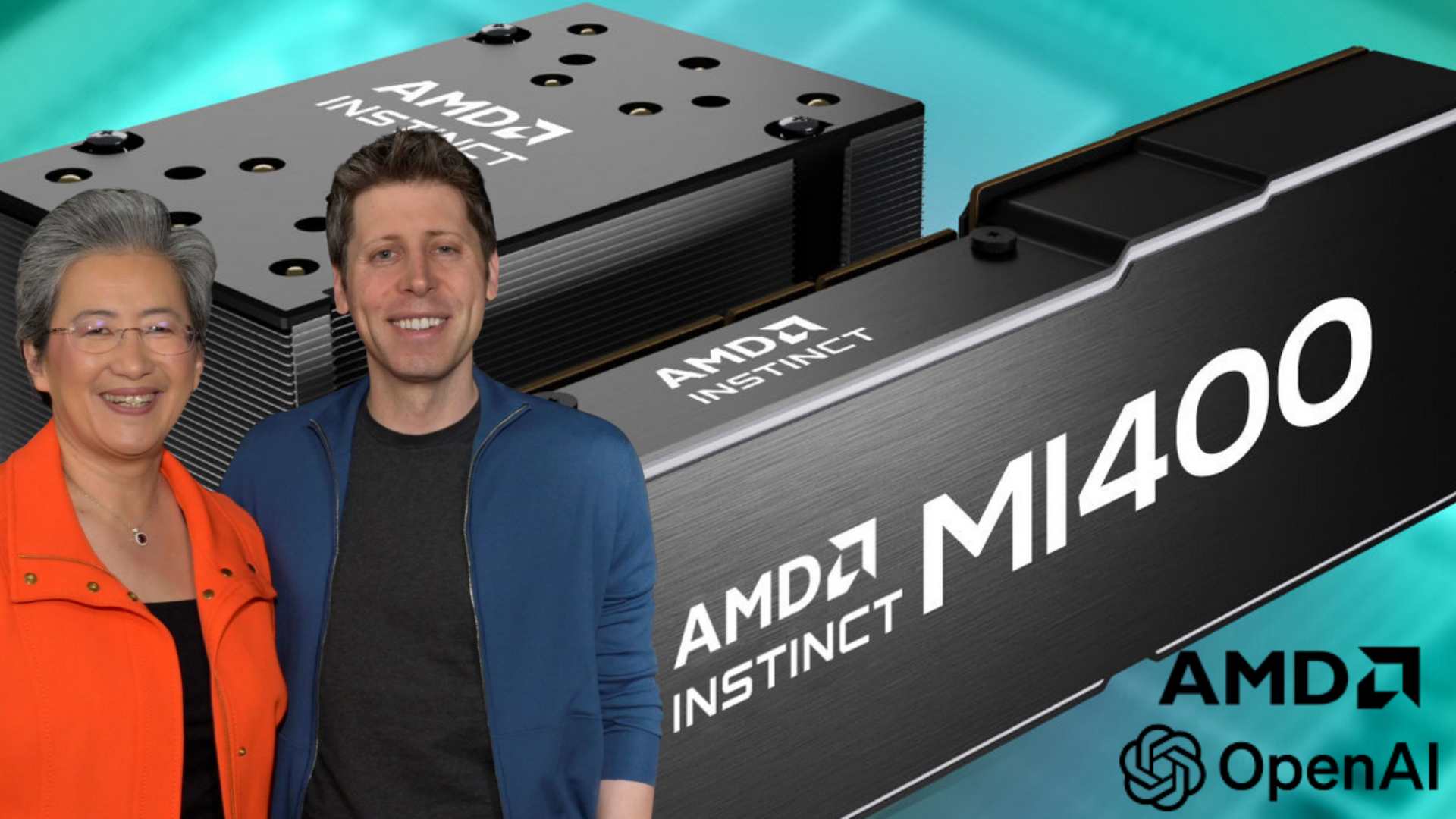
The US is trying to figure out alternative ways of obtaining chips as OpenAI partnered up with AMD recently to attain chips worth billions of Dollars. But these new trade restrictions from China are certainly a massive threat to the stability of the AI landscape in the US, and even globally.
Do you think these trade restrictions from China are fair? Tell us in the comments below or head to the Tech4Gamers forum for discussion.
Thank you! Please share your positive feedback. 🔋
How could we improve this post? Please Help us. 😔

Shameer Sarfaraz has previously worked for eXputer as a Senior News Writer for several years. Now with Tech4Gamers, he loves to devoutly keep up with the latest gaming and entertainment industries. He has a Bachelor’s Degree in Computer Science and years of experience reporting on games. Besides his passion for breaking news stories, Shahmeer loves spending his leisure time farming away in Stardew Valley. VGC, IGN, GameSpot, Game Rant, TheGamer, GamingBolt, The Verge, NME, Metro, Dot Esports, GameByte, Kotaku Australia, PC Gamer, and more have cited his articles.
 Join Our Community