



- A new Sony patent highlights advanced cooling tech to keep the PS6 running smoothly in both orientations.
- It discusses heat pipes with tapered and extended sections to improve the cooling efficiency of consoles using a fluid like water.
- The new design ensures optimal fluid distribution and vaporization within the heat pipes to prevent overheating.
Earlier PS5 iterations suffered from liquid metal and overheating issues when standing upright due to flawed heat transfer. But Sony appears to have found a definite solution to avoid these quirks in its next-gen PS6.
We have discovered a new Sony patent that discusses advanced cooling tech to keep the PS6 running smoothly across both horizontal and vertical configurations. It highlights an improved heat pipe design to upgrade the cooling efficiency of PS6 consoles.
The company outlines multiple rod-shaped heat pipes with tapered and extended sections that regulate fluid circulation and vaporization, improving the console’s cooling regardless of its orientation.
It will be engineered to prevent fluid pooling when the console is vertical, ensuring vaporization efficiency in both orientations. Basically, the extension portions of heat pipes act as reservoirs, lowering the fluid level when oriented vertically to promote efficient vaporization.
The pipe lower portion may include a tapered portion that includes a tip of the heat pipe and gradually tapers toward the tip, and an extension portion positioned outside an outer edge of the heat transfer member and extending to the tapered portion.
Why it matters: If realized, the smarter heat pipe design, with its improved fluid circulation, could enable PS6 to run more efficiently in both vertical and horizontal orientations for extended periods, even in the hottest of climates.
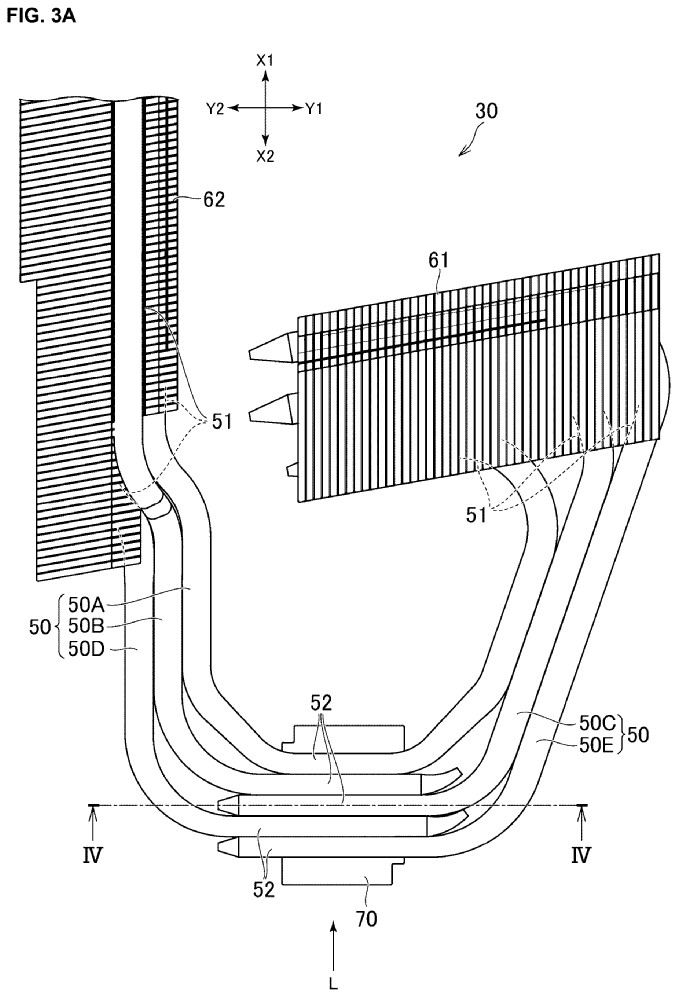
The patent titled “ELECTRONIC DEVICE” suggests that the PS6 might use a standard sealed fluid, such as water, within the sintered wick structure of heat pipes instead of liquid metal.
In the new design, the chip’s heat is transferred to heat pipes, which then dissipate it via multiple finned heat sinks through a transfer plate. There’s also extra space around the pipes so other components don’t press against them, ensuring stable cooling and preventing mechanical damage.
Sony argues that there is a demand for better cooling performance for an ‘electronic device’ that can be used in a ‘plurality of postures.’
For comparison, the PS5 relied on a large heatsink with copper heat pipes and depended heavily on liquid metal conductivity and airflow design for cooling.
A working fluid may be sealed inside the tube a. The working fluid may be selected appropriately depending on the material of the tube a, and may be water, for example.
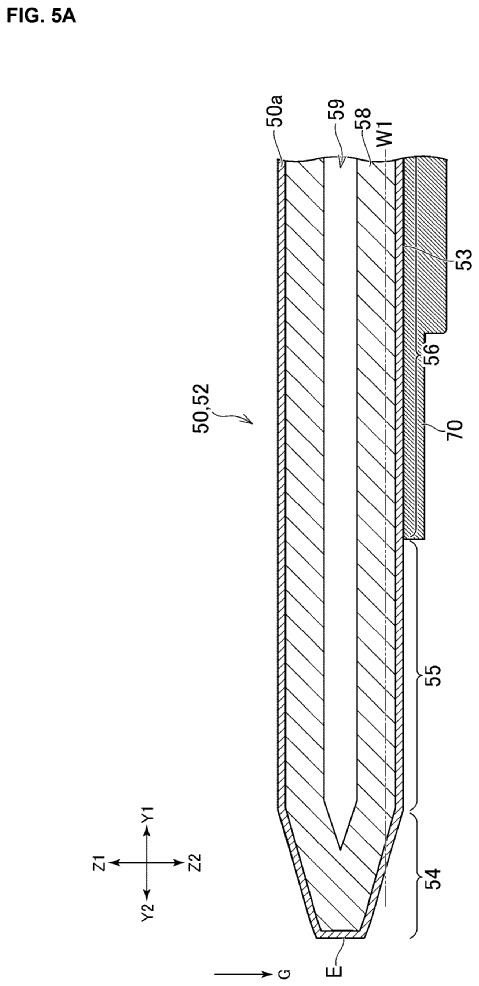
Betting on fluid dynamics within heat pipes rather than on liquid metal could offer greater reliability for PS6 cooling in both orientations. On a side note, Sony also patented a dust-proof design for the console a few months ago.
Do you think the PlayStation 6 will feature this advanced cooling technology? Let us know your thoughts in the comments below, or join the discussion on the Tech4Gamers forum.
Thank you! Please share your positive feedback. 🔋
How could we improve this post? Please Help us. 😔

Shameer Sarfaraz has previously worked for eXputer as a Senior News Writer for several years. Now with Tech4Gamers, he loves to devoutly keep up with the latest gaming and entertainment industries. He has a Bachelor’s Degree in Computer Science and years of experience reporting on games. Besides his passion for breaking news stories, Shahmeer loves spending his leisure time farming away in Stardew Valley. VGC, IGN, GameSpot, Game Rant, TheGamer, GamingBolt, The Verge, NME, Metro, Dot Esports, GameByte, Kotaku Australia, PC Gamer, and more have cited his articles.
 Join Our Community