



- Midrange GPUs in 2026 are aging faster due to feature segmentation, not weak performance.
- New AI and frame generation features increasingly scale by architecture generation.
- Faster SKU refresh cycles are shrinking the perceived lifespan of midrange cards.
- The traditional four-year “safe midrange” strategy no longer feels guaranteed.
In the past, buying a midrange GPU felt safe. You paid $400 to $600, skipped the flagship tax, and walked away with a card that would hold up for years. In 2026, that safety net feels thinner. Not because the silicon is weaker, but because the market around it moves faster than ever.
Midrange GPUs today are not bad products. In many games, they are excellent. They deliver strong 1440p performance and handle modern titles comfortably. But they also reveal a broader shift in 2026. The lifespan of the midrange tier itself is shrinking.
What Happened: The RTX 50 Series Compressed the Stack
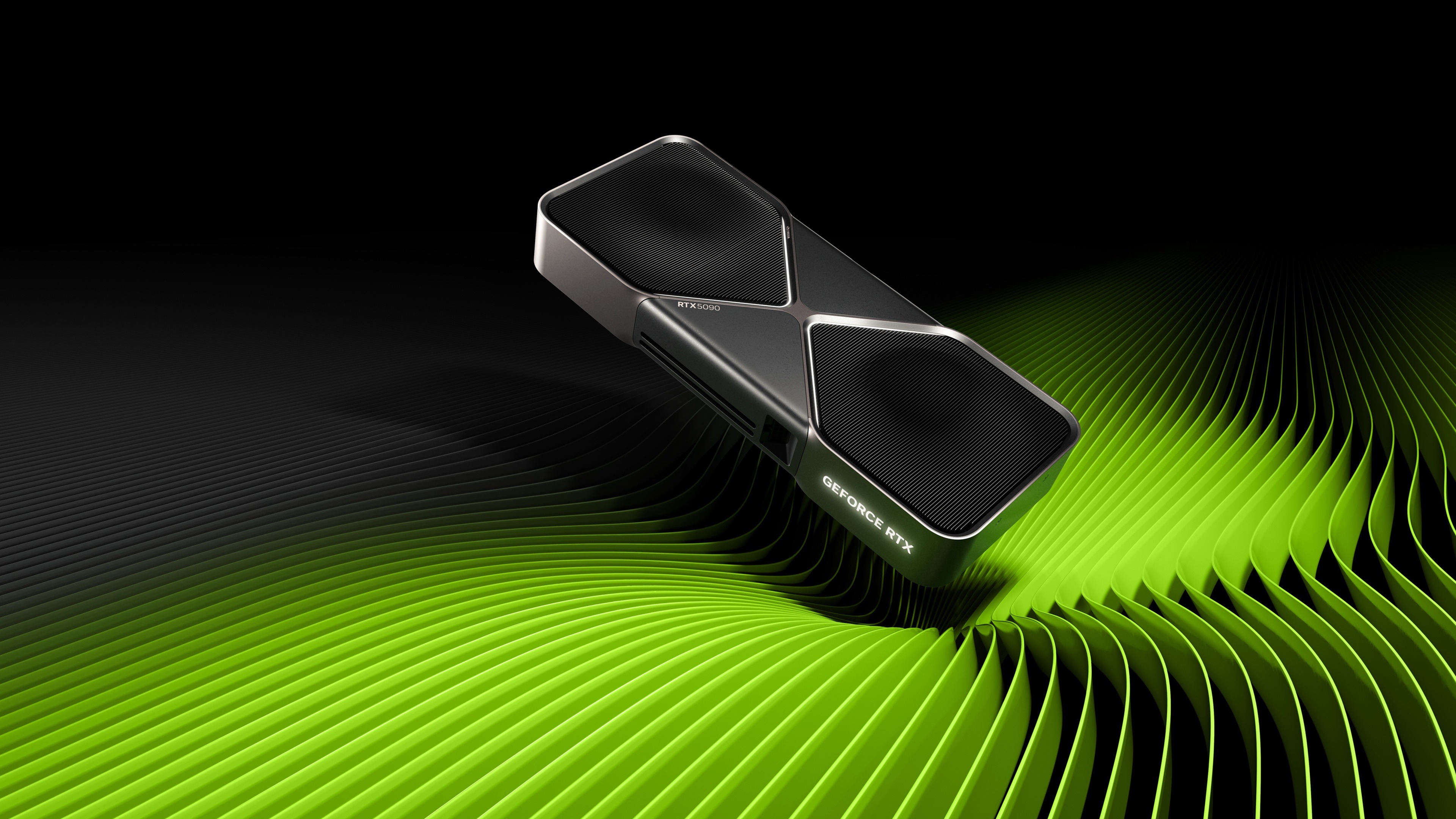
NVIDIA began rolling out RTX 50-series GPUs in late 2025 / early 2026, tightening the performance gap between midrange and last-generation high-end cards. Early coverage from January 2026 noted that the new stack blurred traditional price tiers, with upper-midrange cards approaching prior flagship raster performance levels.
At the same time, CES 2026 became a showcase for DLSS 4.5x and next-generation AI features. NVIDIA emphasized frame generation and AI-assisted rendering improvements that scale by architecture generation, not just by performance tier. In other words, a newer GPU at the same price can unlock features an older one simply cannot.
Today’s midrange cards sit squarely in that tension. On paper, they offer strong raster performance. In real-world gaming, they often feel more than capable. But they exist in a market where new features increasingly define value more than frame rates alone.
Retail behavior adds another layer. Through January and February 2026, system integrators and board partners pivoted quickly to refreshed SKUs and new configurations. PC Gamer’s early 2026 commentary on the GPU market highlighted how fast pricing shifts and new releases are reshaping buyer expectations. Cards barely six to nine months old are already competing with “Super” or refreshed variants. Shelf life is shrinking.
Why It Matters: Feature-Limited, Not Performance-Limited
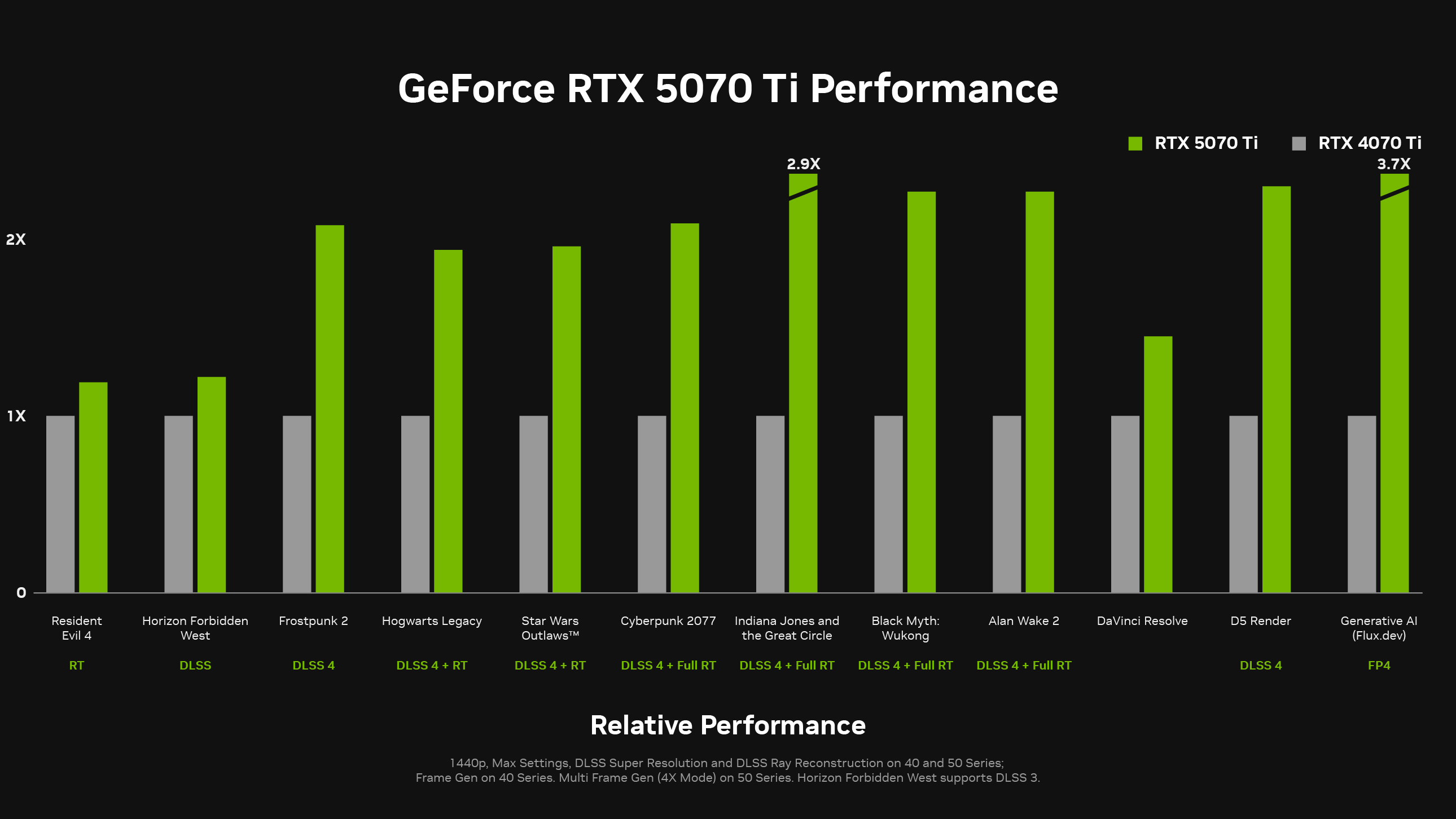
In past generations, a midrange GPU aged because it ran out of horsepower. New games became too demanding. Settings had to be lowered. That felt natural. In 2026, midrange GPU obsolescence often starts earlier, and it starts with features.
DLSS 4.x frame generation tiers, AI reconstruction improvements, and workflow tools are increasingly segmented by architecture. Even if a midrange card delivers solid 1440p performance today, it may miss out on enhanced frame generation modes reserved for newer architectures. That creates a psychological gap as much as a technical one. Buyers begin to feel “left behind” even when performance is still acceptable.
There is also the matter of driver focus. As newer architectures roll out, optimization attention shifts. This is not unique to NVIDIA. AMD follows similar patterns with its own feature sets. But the cadence feels faster now.
Resale values tell the real story. Used-hardware retailers and marketplace data from early 2026 indicate sharper depreciation curves than in prior cycles. Cards that would have held value for three years now lose significant resale appeal within 18 to 24 months.
A modern midrange GPU may still be technically solid for gaming three or four years from now. The question is not whether it will run games. The question is how long it will feel current in a market that moves this quickly.
The Death of the “Safe Midrange GPU”
For years, the $400 to $600 bracket was the sweet spot. You avoided diminishing returns at the high end and skipped entry-level compromises. That equation is changing.
The RTX 50 series vs midrange debate highlights how NVIDIA compresses generational improvements while introducing new feature gates. A last-gen flagship might match a current midrange in raster performance, but it may lack the latest AI-driven tools or frame generation refinements. Conversely, a midrange card may perform well today but sit just one architectural tier below the most advanced features.
From a business perspective, shorter midrange lifecycles benefit GPU vendors. Faster turnover means more frequent upgrades. System builders also gain from this churn. Refreshed SKUs create new marketing beats and justify incremental pricing adjustments. For consumers, it means the “buy once and forget for four years” strategy is less reliable.
How to Avoid a GPU Buying Mistake in 2026

So what should buyers do? First, separate performance from features. If you primarily play raster-heavy esports titles or older AAA games, a midrange card can age very well. Many such titles do not depend heavily on advanced frame generation or AI upscaling tiers.
Second, look beyond launch-day benchmarks. Examine the architecture roadmap. If a card sits at the edge of a new generation’s feature set, its effective lifespan may be shorter than its raw specs suggest.
Third, consider the resale strategy upfront. In midrange GPUs 2026, selling sooner may protect more value. Waiting for the next major cycle can mean steeper depreciation.
And finally, read deeply before buying. We have covered similar generational trade-offs in our previous GPU analysis and upgrade guides on Tech4Gamers, where the focus is always on real-world value rather than marketing claims.
Counterpoints: Not All Midrange Cards Are Doomed
It would be unfair to declare the midrange dead. Some midrange GPUs still age gracefully in rasterized titles. Not every player needs DLSS 4.x’s most advanced modes. Many genres, including strategy and competitive shooters, are less dependent on cutting-edge AI features.
There is also the AMD factor. If AMD shifts its feature strategy or disrupts pricing later in 2026, it could extend the effective lifespan of midrange cards across the board. Competition has historically reshaped value tiers.
The pace of obsolescence is not fixed. It is shaped by how aggressively companies segment features and how much gamers actually care about them.
What’s Next
This is not about one specific GPU failing. It is about what the midrange tier represents in 2026. It has become a faster-moving category. Performance still matters. But features, AI tiers, and rapid refresh cycles now shape longevity just as much.
For buyers, the lesson is simple. The safe midrange bet is no longer automatic. In 2026, you are not just buying frames per second. You are buying into an ecosystem and a pace of change. And that pace is accelerating.
Thank you! Please share your positive feedback. 🔋
How could we improve this post? Please Help us. 😔

[Comparisons Expert]
Shehryar Khan, a seasoned PC hardware expert, brings over five years of extensive experience and a deep passion for the world of technology. With a love for building PCs and a genuine enthusiasm for exploring the latest advancements in components, his expertise shines through his work and dedication towards this field. Currently, Shehryar is rocking a custom loop setup for his built.
Get In Touch: shehryar@tech4gamers.com