



- AI anti-cheat in 2026 has shifted from just detection software to scanning real-time player behavior.
- Systems are being trained on massive gameplay data to detect statistical anomalies and bot assists.
- False positives have dropped as systems evaluate patterns across the span of the whole match rather than single point in time.
- Cheat developers are also using AI based systems, but anti-cheat is evolving at a faster rate.
Competitive shooter games have always been plagued by cheating systems called aimbots. These have evolved from simple recoil scripts to sophisticated automated tools capable of near-precise opponent tracking.
This meant insane headshots from far away, one shot, and that’s it your out. Every time developers closed one loophole, another one opened, leading to a whole set of new issues.
Traditional anti-cheat systems relied on signature detection and rule-based triggers. They could easily catch known hacks but seemed to struggle with constantly updated or hardware-assisted cheat mechanisms. This left players wondering, thinking whether that perfect shot was skill or software at play.
The Breakthrough by AI
The turning point came when game studios shifted from scanning software to analyzing behavior. Instead of just scanning files, modern anti-cheat systems study how players move, aim and react in real-time. Each move made by the player is carefully monitored and analyzed by the system to determine if any cheats, such as aim bot was used.
In 2026, the neural networks trained on massive datasets of legitimate gameplay can interpret human imperfection with great accuracy. When it comes to humans, they hesitate, overcorrect, and make inefficient movements under pressure.
Even the most seasoned players sometimes make mistakes and display natural inconsistency. Aim bots, on the other hand, try to mimic this human imperfection, yet at the end of the day, reveal patterns that are too statistically clean for humans.
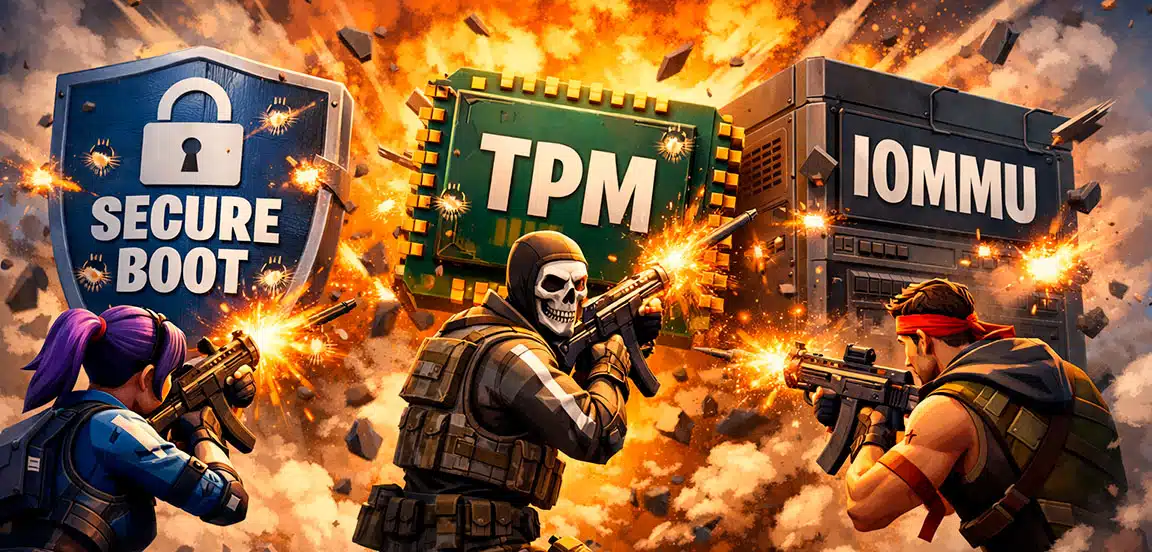
Today’s AI cheat detection systems, on the other hand, do not rely on a single suspicious moment or move made by the player. They evaluate the overall match and pinpoint patterns, building confidence over time, even games such as Black Ops 7 now require TPM and Secure boot. This reduces the chance of the system mistakenly assuming a good shot for a cheat, whilst also making it far harder for AI tools to blend in.
Why This Year Feels Different
Behavior-based detection existed before, but it lacked refinement. Players who were insanely good at the game were often flagged, and aside from this, cheat developers adapted to these systems quickly.
In 2026, however, models are faster, more contextual, and constantly being retrained. This is being done so that the use of cheat mechanisms is strictly prohibited.

Instead of just reacting to known exploitation of rules, new AI-based detection systems anticipate anomalies. When new cheats or evasion tactics appear, the system adapts quickly. In this way, the advantage has shifted from static rule books to dynamic detection. For players, this difference has been noticeable.
Rising up the ranks isn’t as easy anymore, and the system can distinguish between skill and cheating. Cheaters are removed faster, and high-profile game bans are supported by evidence.
Better Detection Equals Better Cheats
Despite the efforts of game developers, cheat creators are responding with AI-assisted tools that mimic human variability. Some of these cheat bots exhibit artificial hesitation, purposeful bad shots, and strategies to try to limit detection. The battle between cheat creators and AI detection systems has moved into an era where both sides are using machine learning tools.

Transparency issues have also surfaced. When game bans rely on algorithmic confidence, players expect some sort of appeal system. The degree of fairness in these cheat accusations may sometimes be subpar, as sometimes even game stutter is mistaken for foul play.
Pro players often get accused of unfair play; however, in their defense, they are just good due to endless hours of practice. Studios must learn how to protect detection methods while maintaining player trust.
The Cultural Shift
For many years, the competitive gaming industry has been surrounded by a cloud of suspicion. Social media was filled with accusations, and streamers constantly questioned whether opponents were legitimate or not. High-skilled player performances were often seen with doubtful eyes as players assumed that their opponent was just too good to be true.

As AI-based detection systems improve, players have had much more confidence in the competitive gaming scene. The overall atmosphere of online competitive shooter games such as COD 6 has begun to shift in a positive direction. Casual players these days feel more confident in engaging in ranked game modes and believe that online matches genuinely reflect true player skill.
Thank you! Please share your positive feedback. 🔋
How could we improve this post? Please Help us. 😔

[Comparisons Expert]
Shehryar Khan, a seasoned PC hardware expert, brings over five years of extensive experience and a deep passion for the world of technology. With a love for building PCs and a genuine enthusiasm for exploring the latest advancements in components, his expertise shines through his work and dedication towards this field. Currently, Shehryar is rocking a custom loop setup for his built.
Get In Touch: shehryar@tech4gamers.com
 Join Our Community