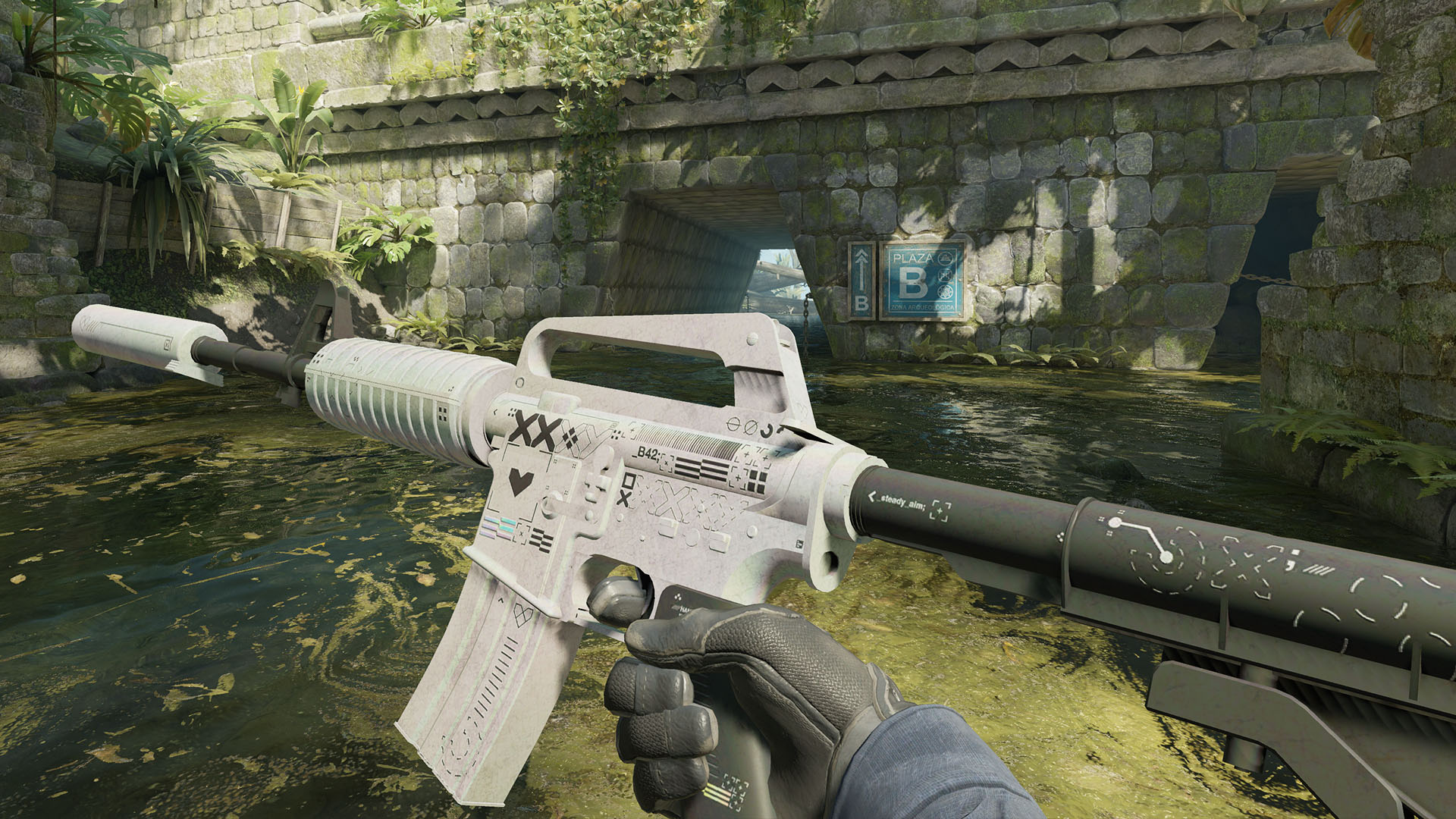



- Modern big-budget games often prioritize massive maps and complex sub-systems over actual depth.
- When games overwhelm players with endless icons, menus, and objectives, the experience feels like a chore rather than a hobby.
- Indie and AA developers are winning by focusing on specific, polished mechanics and unique art styles rather than trying to do everything at once.
Modern gaming feels stuck in a loop of trying to outdo itself. Bigger maps, more mechanics, higher fidelity – every new release wants to be the biggest thing yet. On paper, that sounds great. In reality, it often just means more stuff to deal with.
AAA games today aren’t just games anymore, they’re systems stacked on systems. Skill trees, currencies, side quests, menus inside menus. It looks impressive, but it doesn’t always feel better to play.
When Games Start Feeling Like Work
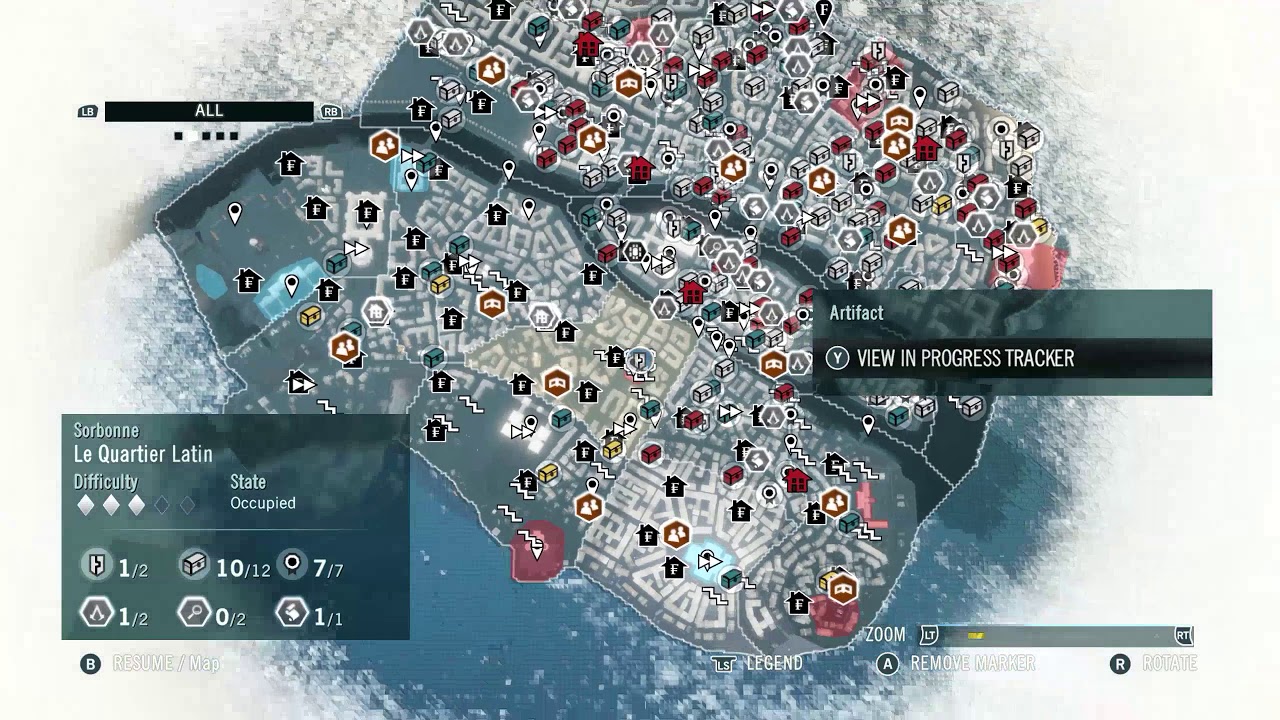
You’ve probably loaded into a game and just paused for a second, staring at the screen. Too many icons, too many objectives, too many things pulling your attention in different directions.
Instead of jumping in, you’re figuring things out. Instead of playing, you’re managing.
That’s where a lot of big games lose momentum. The moment things feel like effort instead of flow, you start checking out, even if the game looks incredible.
Why Simple Gameplay Loops Just Work
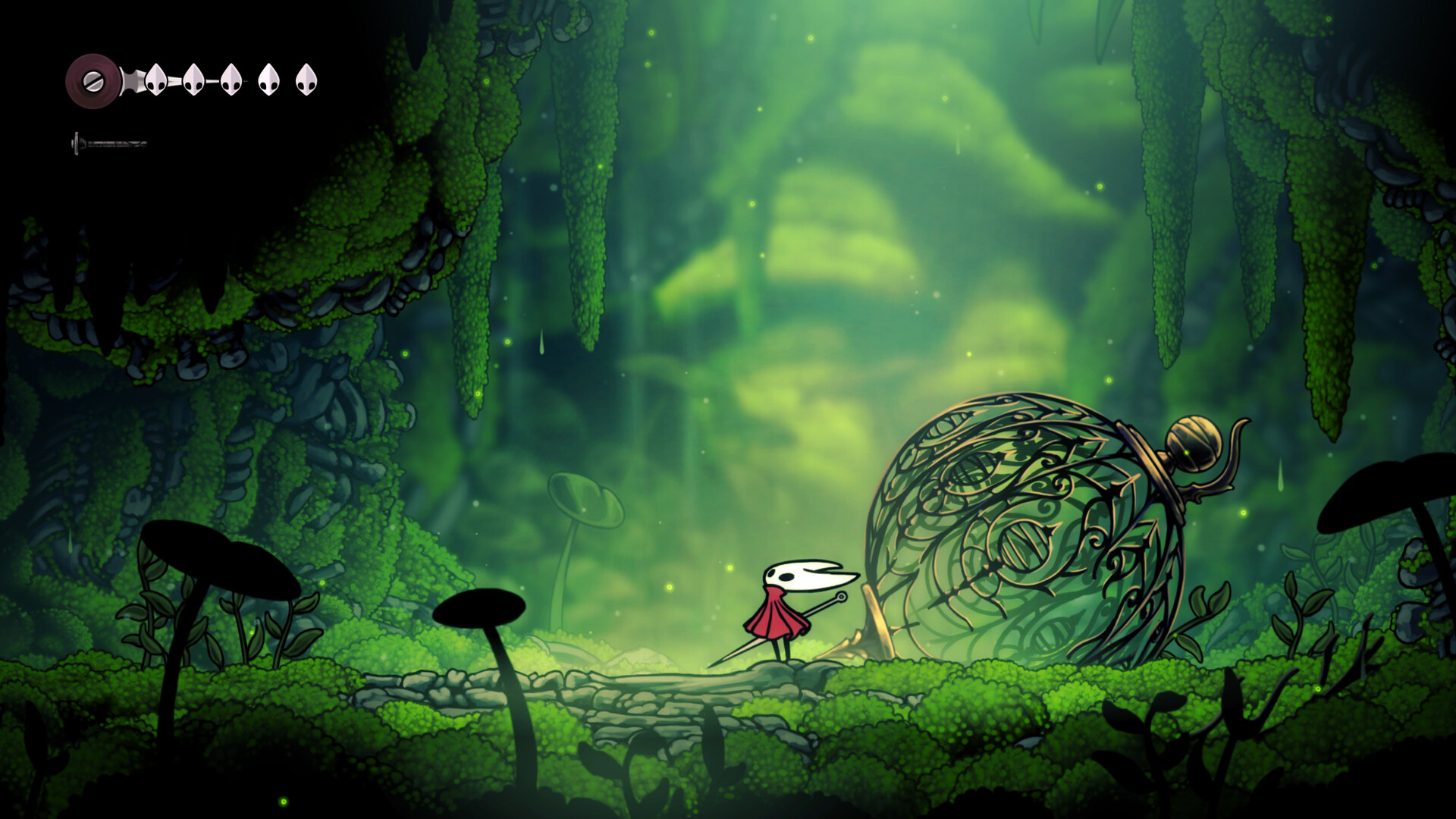
Now compare that to a game that keeps things simple. One clear goal. One tight loop. No distractions.
You always know what you’re doing, and more importantly, why you’re doing it.
That clarity hits different. It keeps you moving instead of hesitating. And once you’re in that rhythm, it’s hard to stop.
Minimalist games thrive on quick feedback. You make a move, you see the result, and you improve on the next run. No waiting around, no long setup.
Even something like searching for solitaire grand harvest tips shows how effective that design is. You’re not buried under complex systems, you’re just refining a clear strategy and getting better each time you play.
That loop: play, improve, repeat. is what keeps you hooked way longer than any massive feature list.
AAA Games and the Problem of Diminishing Returns
The bigger the games get, the harder it is for them to stay focused. You start seeing repeated mission structures, familiar mechanics, and features that feel like they’re there just for the sake of it.
Studios are spending more than ever, but the payoff isn’t always there. Sometimes it feels like all that scale is just masking a lack of direction.
It’s not that these games are bad; it’s just that they’re trying to do too much at once. A recent study shows that gamers are now fed up of big budget AAA games playing it safe.
How Indie and AA Games Are Getting It Right
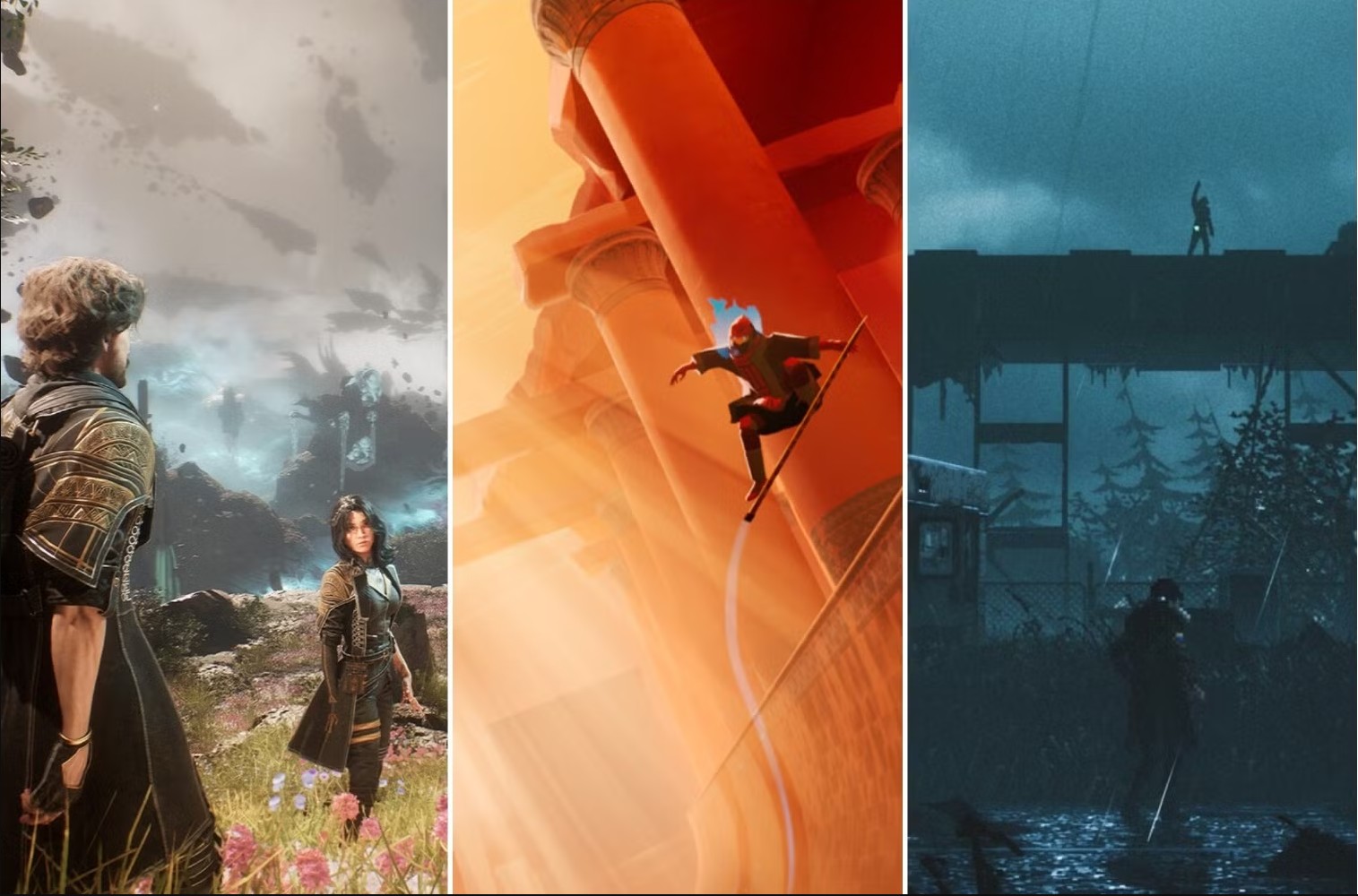
Meanwhile, smaller studios are doing the opposite, and it’s working.
Instead of chasing realism, they focus on feel. Tight controls, strong art style, and mechanics that actually matter. Games like Hi-Fi Rush or Helldivers 2 don’t try to be everything; they just commit to what they are.
That focus makes them stand out more than most big-budget releases. Not everyone has hours to sink into games anymore, and that’s why gamers are mostly interested in indie games. When you do get time to play, you want it to count.
Indie games respect that. They get straight to the point. No long tutorials, no unnecessary buildup, just gameplay.
You jump in, play for a bit, and actually feel like you made progress. That matters more now than ever.
Why Minimalist Games Age Better
There’s also something to be said about longevity. Hyper-realistic graphics might look amazing today, but they don’t always hold up.
Simple, stylized games? They age way better. They’re not trying to chase realism; they’re building identity. And that identity sticks, even years later.
This doesn’t mean big, cinematic games are going away. There’s always going to be a place for them.
But right now, it feels like players are starting to value something else: clarity. Focus. Gameplay that respects your time and attention.
Because at the end of the day, more content doesn’t always mean more fun. Sometimes, less really does hit harder.
Thank you! Please share your positive feedback. 🔋
How could we improve this post? Please Help us. 😔

[Staff Writer]
Shaheer is currently pursuing a Business degree while also working as a part-time Content Writer. With his deep passion for both writing and video games, he has seamlessly transitioned into a role as a Journalist. Over the past two years, Shaheer has contributed as a freelancer to various websites and landed positions on acclaimed platforms like Gamerant. Currently, his role at Tech4gamers is as a Features Writer, but he also covers News occasionally. Shaheer’s favorite gaming franchises are Assassin’s Creed and the God of War series.
Get In Touch: shaheerzahid03@gmail.com
 Join Our Community