


- Ensure your mouse is comfortable and responsive. Lower your sensitivity to gain better control and reduce shaky movements.
- Practice mechanics like flicking and tracking in a controlled environment for 15–20 minutes before jumping into matches.
- Watch recordings of your gameplay to identify bad habits that are hard to spot while playing.
If your KD is painful to look at and your rank hasn’t moved in months, you’re not alone. Most people play shooters a lot, but very few actually train at them.
There’s a big difference. Grinding matches without fixing bad habits just locks you into the same skill level forever.
Fix Your Settings Before You Blame Your Aim
Bad aim isn’t always a skill problem. Sometimes it’s just bad setup.
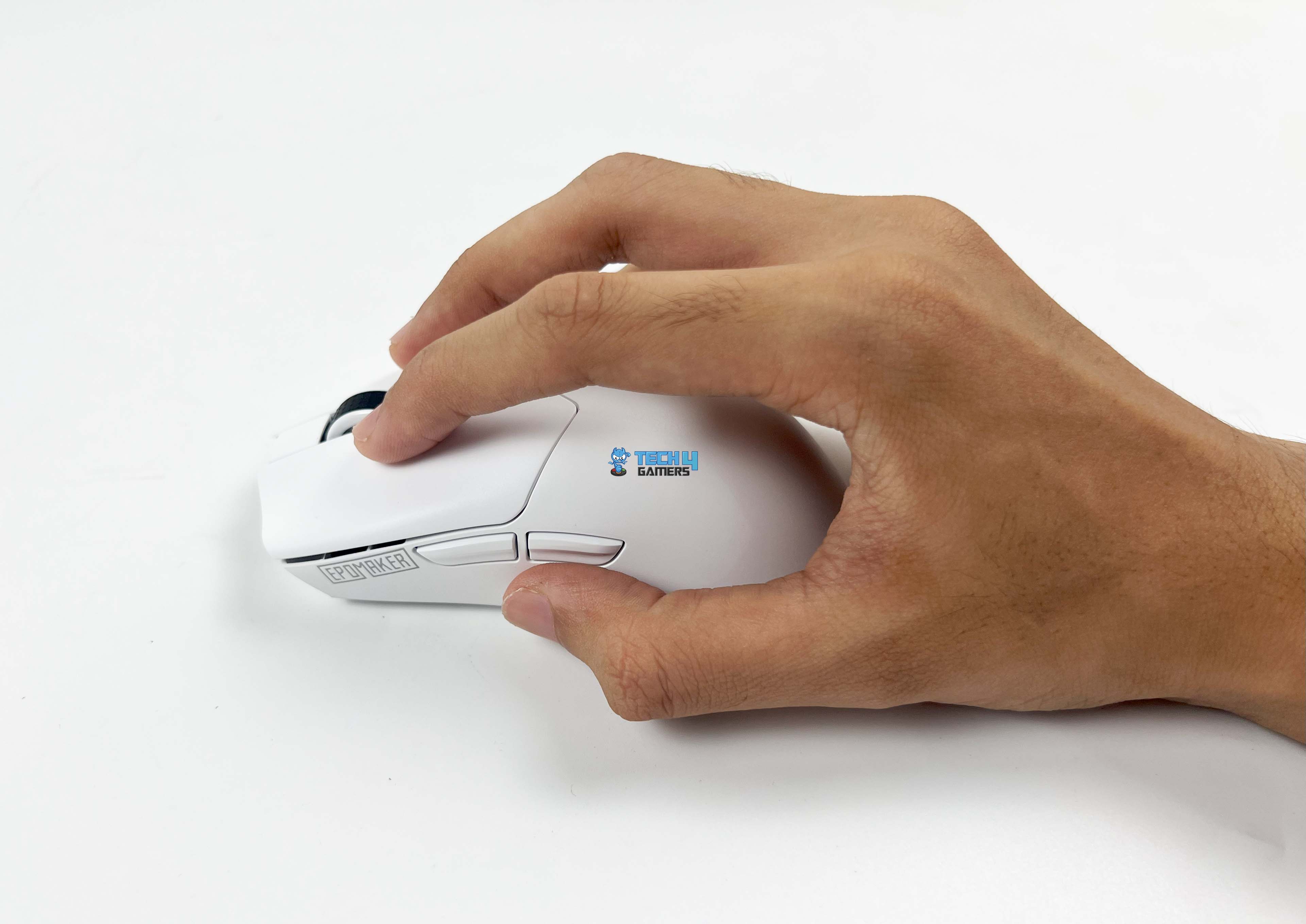
Your mouse doesn’t need to be expensive, but it does need to feel right in your hand and respond properly. If it feels heavy, laggy, or awkward to grip, it’s already holding you back.
Then there’s sensitivity and polling rates. Most players play way too fast. Start lower than you think you need, then slowly raise it until it feels smooth instead of shaky. You want control, not panic flicking.
If the game allows separate X and Y sensitivity, mess with it until recoil and tracking feel natural.
This part isn’t flashy, but it matters more than people like to admit.
Train Your Aim Outside of Real Matches
If you only practice aim inside real games, you’re learning slower than you should be.
Aim trainers exist for a reason. They let you work on tracking, flicking, and crosshair placement without all the chaos of a real match. No teammates yelling. No random deaths. Just raw practice.
You don’t need to live in them for hours. Even 15 to 20 minutes before playing can make a difference over time. Consistency beats long sessions.
Learn the Game, Not Just the Gunplay
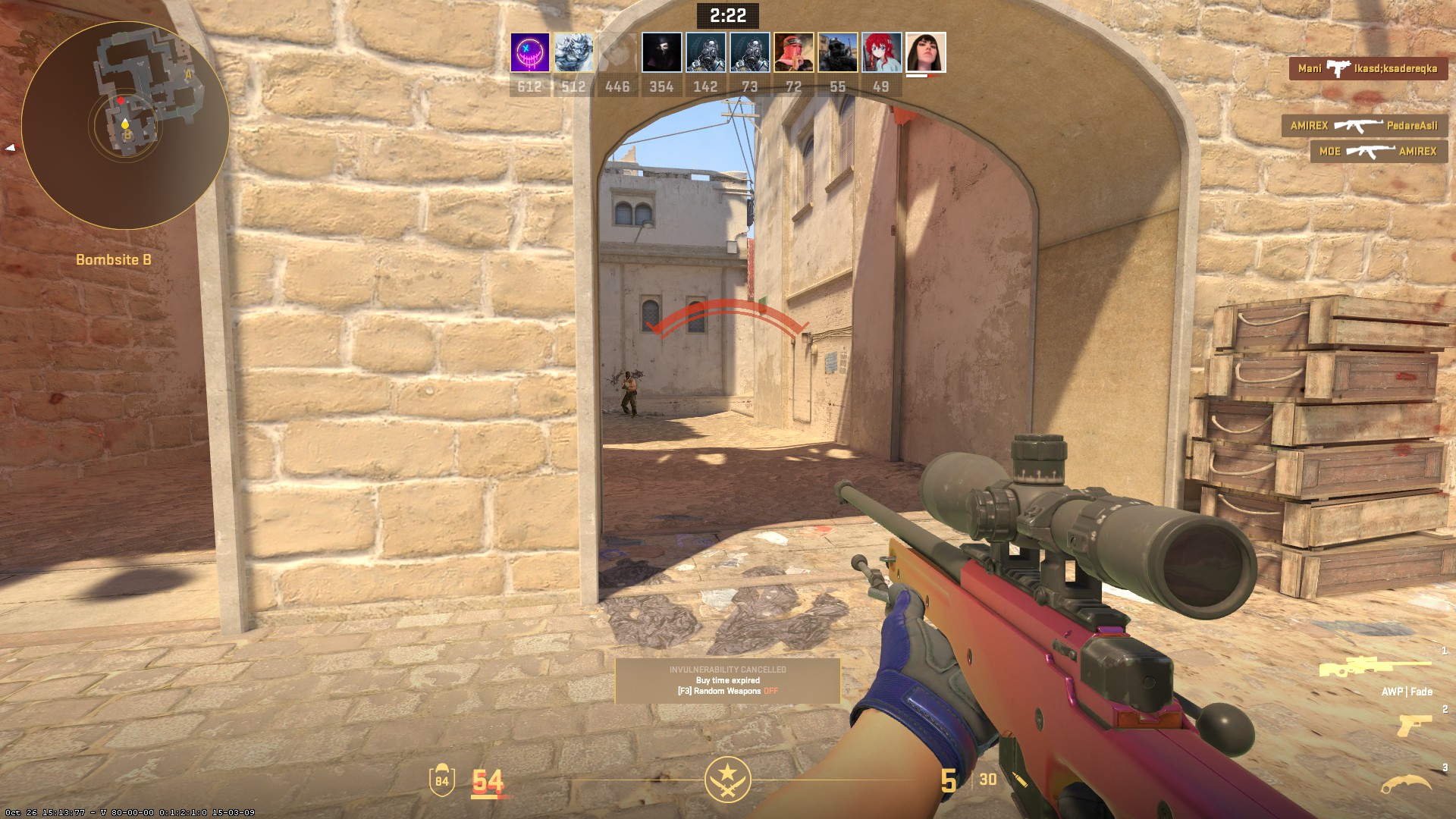
This is where most players hit a wall. You can have decent aim and still get farmed because you don’t understand positioning, timing, or maps. Running into the same choke points. Taking bad fights. Pushing when you should hold.
Learn common routes. Learn power positions. Learn when to push and when to chill. Start noticing patterns in how players move instead of reacting to everything like it’s random chaos.
Watch your own gameplay if you can. You’ll spot mistakes you never notice in the moment.
Stop Forcing Ranked All the Time
Trying to improve while sweating every ranked match is exhausting. Sometimes you need space to experiment.
Try new angles. Try new movement. Try new playstyles without stressing about losing points. Improvement gets messy before it gets clean.
Some players create alt accounts or play different modes just to get that breathing room. In SBMM-heavy games like Warzone, people even use a VPN for Call of Duty to shift regions and land in less intense lobbies.
Not to farm easy wins, but to slow the game down, rebuild confidence, and test new ideas without getting instantly deleted.
If every match feels like a tournament final, you’re going to play scared. And scared gameplay doesn’t build skill.
Tilt is one of the biggest skill killers in FPS games. You miss shots. You rush fights. You stop thinking. You tunnel vision. You blame teammates. Your gameplay turns sloppy.
Everyone tilts. The difference is who recovers. Take breaks. Mute toxic players. Step away after bad streaks. You play better calm than angry, every single time.
Watch Better Players (But Watch Them Right)
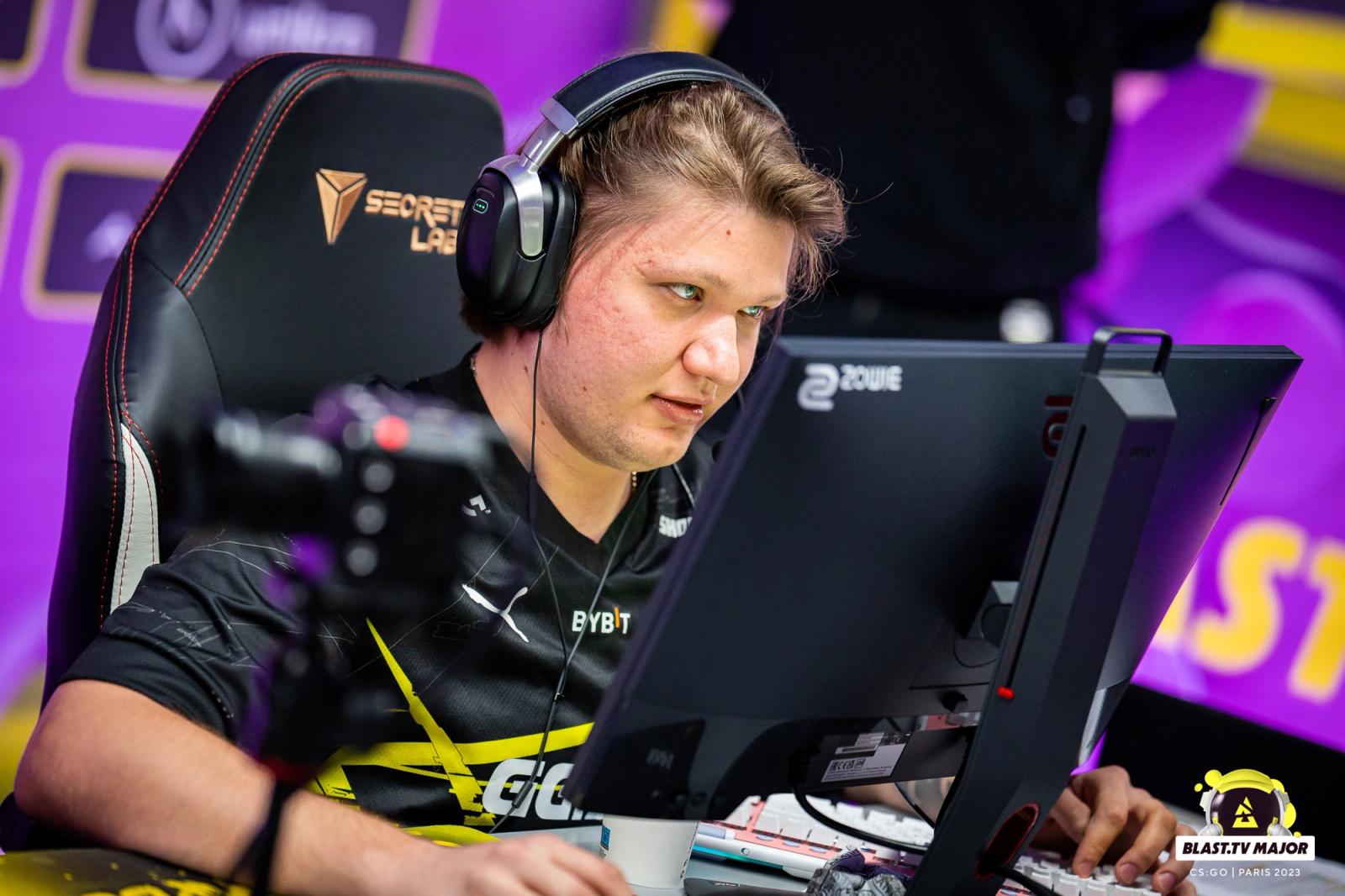
Don’t just watch highlights. Watch how good players move. Where they aim before enemies appear. How they clear corners. When they slow down. When they disengage.
Pause clips and ask yourself what you’d do next. Then watch what they actually do. That gap is your learning space.
It’s not about copying everything. It’s about understanding decisions. Getting better at FPS games isn’t about one trick. It’s habits. It’s patience. It’s repetition. It’s fixing boring stuff.
Most players want improvement without changing how they play. That’s why most players stay stuck.
If you’re willing to practice on purpose instead of just playing on autopilot, you’ll improve. Slowly. Then suddenly.
No shortcuts. No magic settings. Just real progress over time. And yeah, it’s not glamorous. But it works.
Thank you! Please share your positive feedback. 🔋
How could we improve this post? Please Help us. 😔

[Staff Writer]
Shaheer is currently pursuing a Business degree while also working as a part-time Content Writer. With his deep passion for both writing and video games, he has seamlessly transitioned into a role as a Journalist. Over the past two years, Shaheer has contributed as a freelancer to various websites and landed positions on acclaimed platforms like Gamerant. Currently, his role at Tech4gamers is as a Features Writer, but he also covers News occasionally. Shaheer’s favorite gaming franchises are Assassin’s Creed and the God of War series.
Get In Touch: shaheerzahid03@gmail.com
 Join Our Community