


- Being an indie developer is a lot easier than it used to be, but it still requires time, effort, luck, and investments.
- As a solo developer, you’ll either have to invest in other people to get audio and visual resources, as well as marketing, or do everything yourself.
- Ultimately, if you’re just starting out, your first game’s success depends entirely on luck.
The gaming industry has changed significantly over the years. What was once a space for bigger companies and AAA titles to dominate the market has now become a place where even solo developers can expect to earn enough to pursue gamedev full-time.
Still, not every game will be the next Hollow Knight, and with every Balatro, there are a thousand games that never turn even a single dollar in profit. What exactly do you need to become an indie game developer, and is it even worth it to become one?
Investments An Indie Developer Needs
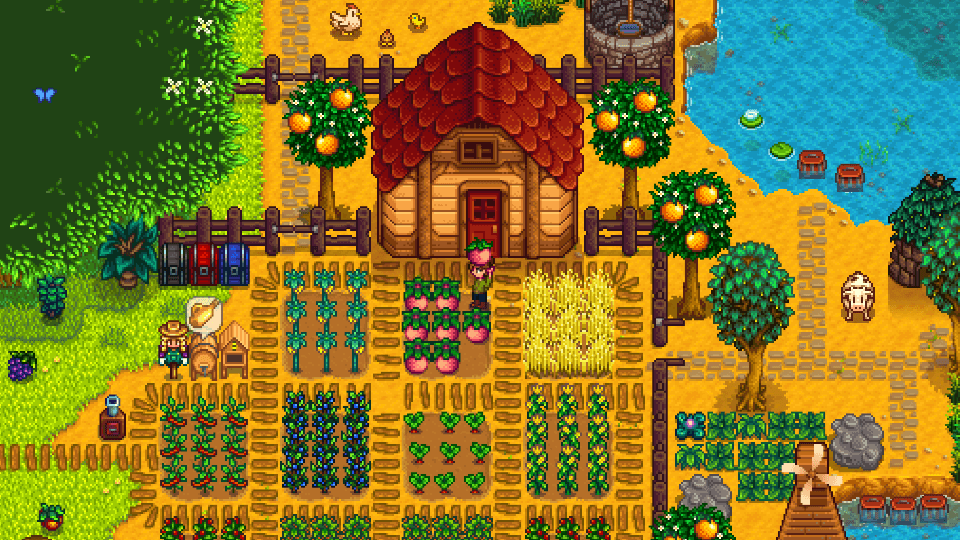
A lot goes into making an indie game. Funds for the game itself can include paying for any software you use for the game’s creation, any visual or audio assets, and any team members who might be helping you.
Another thing to account for is taking out time you could spend working on developing a game, as if you want to pursue game development full-time, you’ll need to set aside an amount of funds to sustain you while doing so.
Apart from all that, you also need to take into account marketing, publishing fees, and platform fees. All of this can add up quickly, and if you’re expecting any profit, you should keep these investments in mind as well.
Profits Can Be Deceiving
Even if your game does well, that doesn’t necessarily mean you’ll be getting everything it earns. It’s important to keep in mind that any platform you publish the game on will take a cut. Similarly, if you’re releasing the game with a publisher, they’ll also be taking some of the profits.
For Steam, publishing a game means you give 30% of all sales directly to Steam. This number goes down to 25% if your game works immensely well, but for most indie developers just starting out, this isn’t usual.
This number also counts the total sales before any taxes are deducted, which means it’s significantly more than just the 70% you’ll be getting. Speaking of taxes, they can also cause a significant lowering of the funds you receive from what you see on the Steam page.
What It Takes To Make A Game Solo
If you plan on being a solo developer or in a small team, there are a ton of things you have to do that a developer typically wouldn’t be responsible for, especially if you don’t have the funds to outsource things like assets.
Even if you put aside the audio and visual elements, marketing is something that an entire team is dedicated to. Still, if you’re just starting out and don’t have a ton of funds or help, there are some things you can do to make sure your game gets eyes on it.
This mainly includes creating content for it and uploading things relating to your game on platforms like TikTok, Instagram, and, most importantly, YouTube. This can include short clips from the game itself, summaries of the game, or even backstage scenes of how your game functions.
Can You Succeed Without Investment?
While a carefully crafted plan and ample funding increase your chances of seeing success, they’re by no means completely necessary; oftentimes, just releasing a game that you find fun can be picked up by people and start earning.
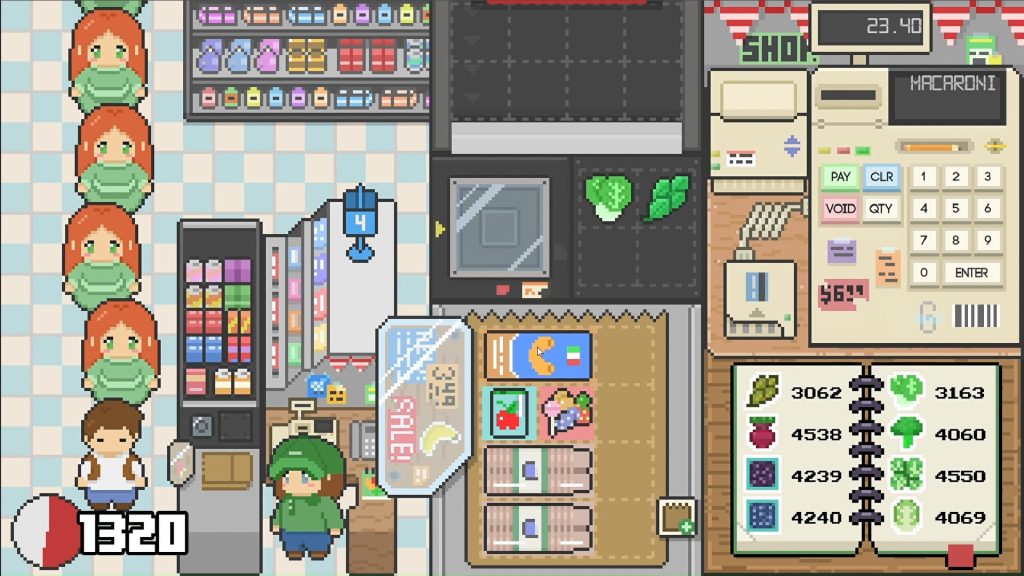
Checkout: Cashier Simulator, for example, is a relatively simple game made by a small studio consisting of people with no experience in game development, Nessie Games.
As Michelle from Nessie Games talks about in the Cashout Devlogs, the game had zero marketing done prior to its release. It didn’t have many wish lists either, and neither did it do anything groundbreakingly innovative; it was just a fun game that made people want to play it.
Yet, despite all that, the game made a whopping $2000+ on just release day. Just by the end of the first month, this number reached $30,000. Looking back, even games that completely changed the industry, such as Toby Fox’s Undertale, weren’t sure to be successful from a logical standpoint.
Yet, with just the game’s quality alone and a few lucky strokes, something Toby made himself without any proper programming know-how is now one of the most renowned RPGs of all time.
Thank you! Please share your positive feedback. 🔋
How could we improve this post? Please Help us. 😔

Heya, I’m Asad (Irre) Kashif! I’ve been writing about anything and everything since as far back as I can remember. Professionally, I started writing five years ago, working both as a ghostwriter and writing under my own name. As a published author and a council member in Orpheus, my journey in the world of writing has been fulfilling and dynamic.
I still cherish the essays I wrote about my favorite PS2 games, and I’m thrilled to have transformed my passion for game journalism into a career. I’m a theory crafter for Genshin Impact (and now Wuthering Waves) and have a deep love for roguelites and roguelikes. While I prefer indie games for their distinct aesthetic and vibes, I do enjoy triple-A games occasionally. I’ve also been playing League since season 6, and I main Akali! I have a keen interest in discovering and playing more obscure games, as well as researching forgotten titles. Additionally, I am a front-end programmer who dabbles a bit in gamedev occasionally.
 Join Our Community